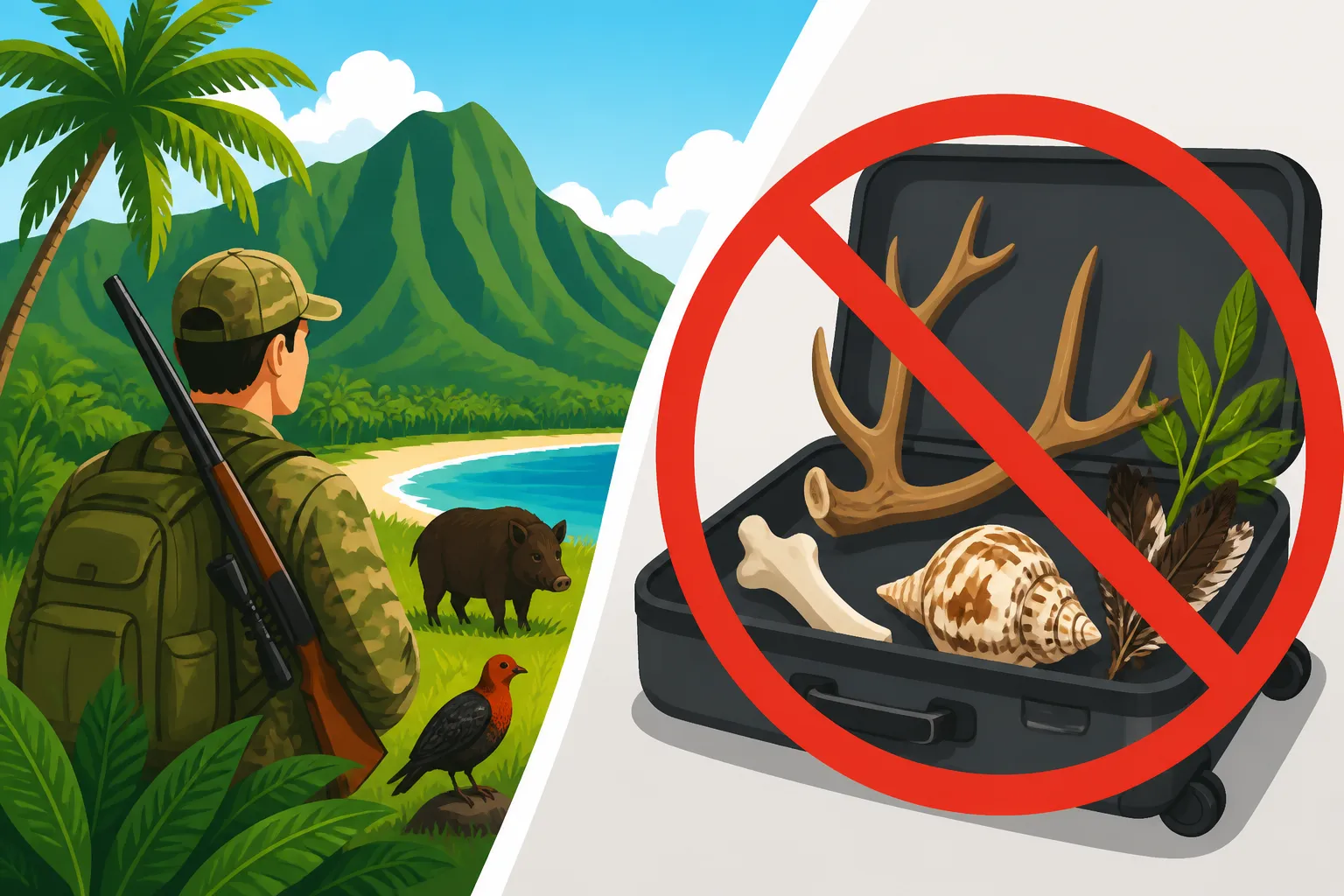
What You Cannot Bring Home From Hawaii
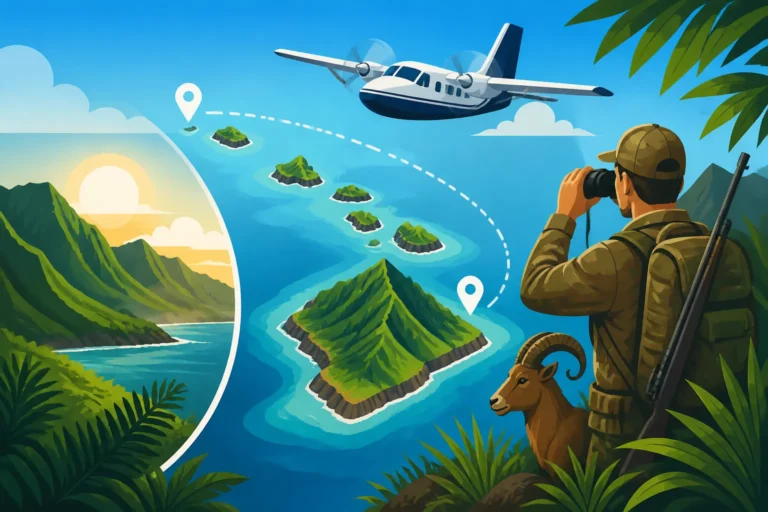
It’s a common scenario after a successful hunt in Hawaii: you're elated, you've got some incredible memories, and you're already thinking about how to get your hard-earned game meat or that beautiful trophy back home. But hold on a minute. Traveling from the islands, especially with organic materials, isn't as simple as packing a suitcase. You're dealing with strict agricultural and wildlife regulations designed to protect Hawaii's fragile ecosystem, and ignoring them can lead to headaches, confiscation, or even fines. This guide will walk you through what you absolutely cannot bring home from a Hawaii hunt and how to avoid common pitfalls.
Understanding Agricultural and Wildlife Regulations
The rules around what can and cannot leave Hawaii are incredibly stringent, and for good reason. The islands are an isolated paradise, but that isolation also makes them incredibly vulnerable to invasive species, diseases, and pests. Every single item leaving the state is subject to inspection, and anything that poses a risk to agriculture or the environment on the mainland – or even another island – is going to be stopped.
The Core Principle: Protecting Hawaii's Ecosystem
Think of it this way: Hawaii's unique biodiversity developed in isolation over millions of years. When something new is introduced, whether it’s a tiny insect, a plant seed, or a disease, it can wreak havoc on native species that have no natural defenses. This is why you see such rigorous inspection processes at the airports and shipping ports. It’s not about being difficult; it's about safeguarding what makes Hawaii so special. As hunters, we have a vital role in managing the existing non-native game animals, but we also share the responsibility of preventing new introductions.
Federal vs. State Regulations
Navigating these rules can feel like deciphering a complex map. You're not just dealing with Hawaii state laws; you're also subject to federal regulations, primarily those enforced by the U.S. Department of Agriculture (USDA) and the U.S. Fish and Wildlife Service (USFWS). Hawaii's Department of Agriculture (HDOA) has its own set of rules, often more restrictive than federal ones, for inter-island and mainland-bound shipments. So, an item might be fine for transport between islands but prohibited from leaving the state entirely. Always remember that the most restrictive rule applies. It means you need to be aware of regulations at your origin point (Hawaii) and your destination (your home state or country).
Prohibited Plant and Animal Matter
When it comes to biological materials, the general rule of thumb is: if it's alive, unprocessed, or could harbor pests, it's probably a no-go. This applies to everything from fruit to soil to certain parts of your game animal.
Raw Meat Restrictions
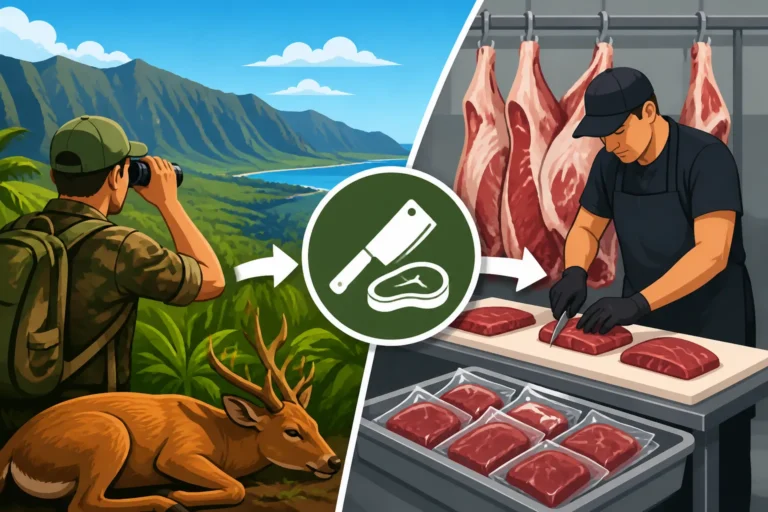
This is probably the biggest concern for most hunters. You've just harvested a beautiful Axis deer or a hefty feral pig, and you want to fill your freezer. While you can typically bring processed game meat home, there are critical caveats.
Generally, raw, unprocessed game meat may be restricted due to concerns about disease transmission. Think about it: a fresh carcass could carry various pathogens, parasites, or even non-native insects that aren't present on the mainland. For this reason, meat intended for transport usually needs to be thoroughly cleaned, frozen solid, and properly packaged. Some airlines or shipping companies might have additional requirements, like specific cooler types or dry ice allowances. Always ensure your meat is fully deboned and vacuum-sealed for best results and to meet most transport requirements. Trying to bring an entire unskinned quarter through airport security is a guaranteed way to have it confiscated. Proper Field Dressing Axis Deer in Hawaii Heat and Cooling Meat Fast on a Hawaii Hunt are essential not just for quality but for compliance.
Plant Materials and Soil
It might seem unrelated to hunting, but if you've been tramping through the forest, you could inadvertently pick up soil on your boots or clothing. Even a tiny speck of soil can contain microscopic organisms, fungi, or insect eggs that could become invasive in another environment. Similarly, any raw plant material – think sprigs of unique Hawaiian foliage, unprocessed wood, or even certain seeds – is usually prohibited without specific permits. These items can hide pests or diseases. Always clean your boots, clothing, and gear thoroughly before packing for your return journey. It’s a good practice after hunting in any new environment, but especially in Hawaii.
Live Animals and Pets
While you're not likely to be bringing a live feral pig home as a pet, it's worth noting the strict rules on live animals. Hawaii has very specific quarantine laws for pets entering the state, and similar, though less dramatic, rules apply for animals leaving. This is all about preventing the spread of diseases. Don't even think about trying to take home a local stray animal, no matter how cute, without going through exhaustive official channels.
Specific Hunting-Related Items You Might Think About
Beyond the meat, hunters often want to bring back parts of the animal as trophies or mementos. These items also fall under strict scrutiny.
Antlers, Skulls, and Capes
This is where things can get tricky. You've got an impressive Axis deer rack or a gnarly pig tusk, and you want it on your wall. Whole, unprocessed skulls, antlers still attached to bone, or raw capes (the skin with hair or fur, usually for a shoulder mount) are often subject to strict regulations. The primary concern here is the potential for these items to carry insects, larvae, or diseases embedded in the tissue or bone.
To avoid issues, taxidermy preparation is usually required. This means the skull and antlers should be thoroughly cleaned, boiled, and free of any flesh or brain matter. Capes need to be properly salted and professionally tanned, or at the very least, professionally cleaned and treated by a licensed taxidermist on the islands. If you’re considering a taxidermy mount, you’ll want to inquire with a local Hawaii taxidermist about their processes for mainland-bound trophies. They will know the current rules and can prepare your trophy correctly for shipping. It's often easier and safer to have these items handled by a professional rather than attempting it yourself and risking confiscation. When judging an Axis buck’s antlers in the field, remember that getting them home requires foresight.
Unprocessed Hides and Feathers
Similar to capes, raw hides from feral pigs or goats, or unprocessed feathers from game birds, are typically prohibited due to the risk of pests or disease. A freshly skinned hide is a prime habitat for insects and bacteria. If you want to keep a hide, it must be fully tanned and treated. For feathers, they often need to be cleaned and treated as well. Again, working with a local professional is your best bet for ensuring compliance. Trying to slip a fresh pig skin into your checked luggage is asking for trouble.
Firearm and Ammunition Return Journey
While not a "cannot bring home" in the sense of being prohibited from Hawaii, the logistics of taking your firearms and any unused ammunition back to the mainland are just as important as bringing them in. The process for Flying Into Hawaii With a Rifle Case is mirrored, but you'll still need to declare your firearm with your airline, ensure it's unloaded, locked in a hard-sided case, and follow all TSA and airline regulations. Unused ammunition must also be transported correctly, usually in original manufacturer packaging or secure containers. Always check with your specific airline before your departure, as rules can vary.
The Role of Inspection and Documentation
Navigating agricultural and wildlife laws isn't just about knowing what's prohibited; it's also about being prepared for the inspection process and having the right paperwork.
Agricultural Inspection Stations
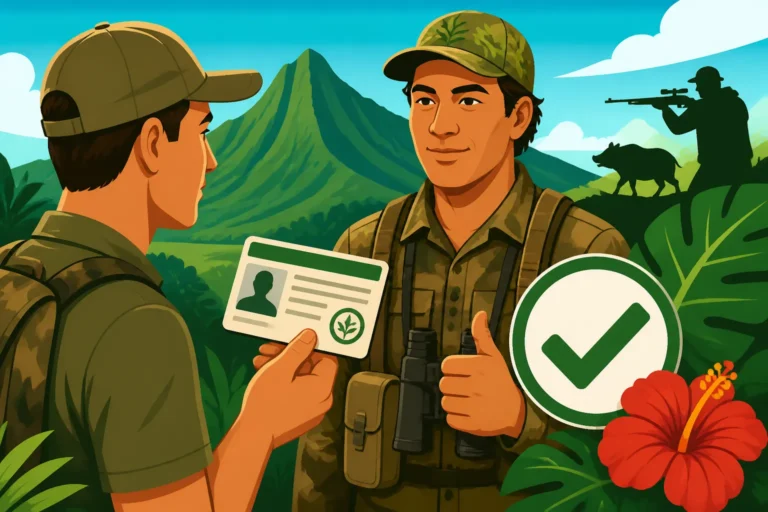
When you depart from Hawaii, whether it’s inter-island or to the mainland, you'll encounter agricultural inspection stations. At the airport, before you even check your bags, you'll typically pass through an agricultural screening point. Here, your luggage (checked and carry-on) may be subject to inspection. Dogs trained to sniff out organic materials are often on duty, and inspectors will ask you about any plant or animal products you might be carrying. This is not the time to be vague or try to hide anything. Honesty is always the best policy. If they find something prohibited, it will be confiscated, and you could face additional penalties.
Required Permits and Health Certificates
For certain items that are permitted under specific conditions, you might need special documentation. This could include health certificates for processed game meat (certifying it’s fit for consumption and free of certain diseases), or permits for specially treated animal products like professionally tanned hides or taxidermy mounts. This documentation typically needs to be issued by a qualified authority, such as a state veterinarian or an authorized professional. Don't assume; always verify if a permit or certificate is required for what you intend to take home. Most hunters traveling to Hawaii for specific drawn hunts like those on Lanai or Molokai, or engaging with outfitters on private land, often get this information directly from their guides or land managers as part of the hunt package.
Planning Ahead for a Smooth Departure
The best way to avoid issues is to be proactive and informed well before your hunt even begins.
Consult Official Sources Early
Don't wait until you're packing your bags at the hotel to figure this out. Before you even book your flight or apply for your Hawaii Hunting Licenses and What They Cost, make it a point to check the latest regulations. The Hawaii Department of Agriculture (HDOA) website is your primary source for what can and cannot leave the islands. For federal regulations, consult the USDA and USFWS websites. These rules can change, so always check the most current information. If you're a nonresident, platforms like GoHunt and BookYourHunt might offer helpful general guidance, but always cross-reference with official government sites.
Professional Processing and Shipping
For game meat and trophies, the easiest and safest route is often to utilize professional services on the islands. Many local butchers and taxidermists are well-versed in the shipping requirements for mainland delivery. They can properly process, package, and even ship your meat and trophies directly to your home address, ensuring all regulations are met. This might incur an additional cost, but it's usually worth the peace of mind compared to the risk of confiscation. When Packing Meat Out of a Hawaii Gulch, think about this final step of getting it home.
Consider Donating What You Can't Take
If you find yourself with more meat than you can reasonably transport, or if the cost of shipping becomes prohibitive, consider donating it locally. There are often organizations or individuals in Hawaii who can utilize game meat. It’s a great way to ensure your harvest doesn't go to waste and contributes positively to the local community. Many hunters find great satisfaction in knowing their hard-earned venison is feeding families on the islands.
Here's a quick summary of what's generally prohibited or highly restricted for transport from Hawaii:
| Category | Item | General Status | Notes |
|---|---|---|---|
| Raw Animal Products | Unprocessed (raw) game meat | Restricted/Prohibited | Must be fully deboned, thoroughly cleaned, frozen solid, and properly packaged (often vacuum-sealed). May require health certificate for interstate travel. |
| Unprocessed animal hides/capes | Prohibited | Must be professionally tanned, salted, or treated by a licensed taxidermist to be allowed. Raw hides pose pest/disease risk. | |
| Skulls, antlers with tissue/flesh | Prohibited | Must be thoroughly cleaned, boiled, and free of all organic tissue (European mount standard). | |
| Unprocessed feathers | Restricted/Prohibited | Must be cleaned and treated. | |
| Plant & Soil Matter | Loose soil | Prohibited | Even small amounts can carry pests. Clean boots and gear meticulously. |
| Raw plant materials (leaves, fruits, etc.) | Prohibited | Most fresh produce, cut flowers, or uncertified plant matter is restricted due to pest concerns. | |
| Live Organisms | Live insects, plants, or animals | Prohibited (without specific permits) | Very strict rules on transporting live organisms to prevent invasive species. |
| Other | Undesirable agricultural pests | Prohibited | Any item found to be infested with insects, larvae, or other pests will be confiscated, regardless of its general status. |
Understanding these rules is crucial for any hunter visiting Hawaii. A successful hunt culminates not just in the harvest, but in the successful and legal transport of your bounty. Do your homework, ask questions, and utilize the professional services available to ensure your cherished memories and trophies make it home without a hitch.
Disclaimer
This article is for general informational purposes only and does not constitute professional advice. Laws, prices and regulations vary by location and change over time. Consult a qualified professional for guidance on your specific situation.