Hunting Erckel’s Francolin in Tall Grass
If you've ever found yourself trudging through endless fields of towering grass in Hawaii, hoping to flush an Erckel's Francolin, only to have them seemingly vanish into thin air or burst out like a feathered rocket when you least expect it, you know the frustration. These smart, wily game birds are masters of concealment, and their preferred dense, tall grass habitats make them incredibly challenging targets. This guide is here to help you unravel the mysteries of hunting Erckel's Francolin in these tricky environments, offering practical advice and strategies to increase your chances of success.
Understanding Erckel's Francolin and Their Habitat
Hunting Erckel's Francolin successfully in Hawaii's tall grass often starts with understanding the bird itself – its habits, its preferences, and why it seems to disappear so effortlessly. These birds are not your typical upland flushers; they’ve adapted brilliantly to their island home, often using dense cover to their advantage.
Erckel's Francolin Behavior in Tall Grass
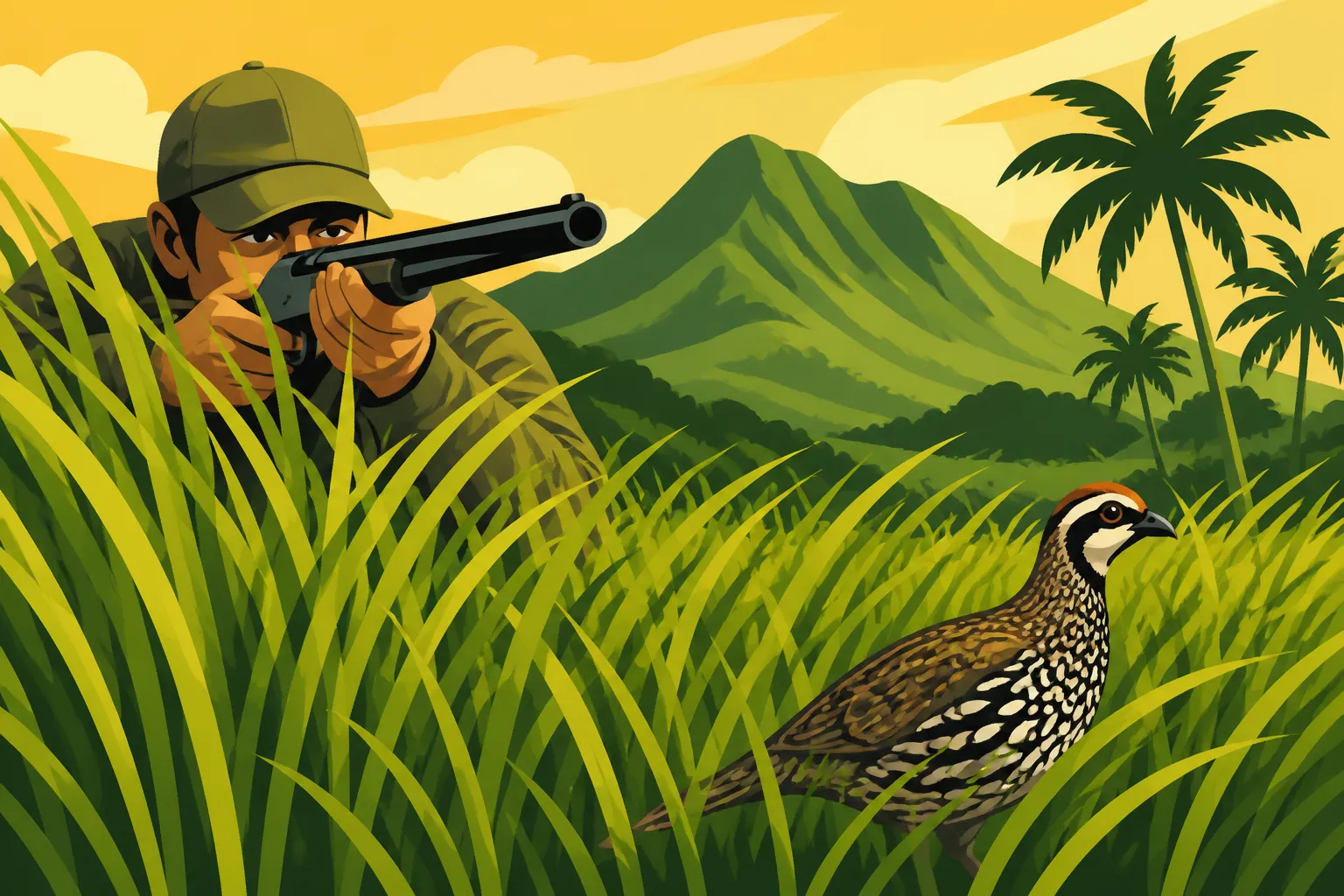
Erckel's Francolin, easily recognizable by their chestnut cap, white throat, and heavily barred flanks, are incredibly well-camouflaged for the grasslands and sparse forests they inhabit. In tall grass, this camouflage becomes almost absolute. When approached, their first instinct is rarely to fly. Instead, they’ll run, weaving silently through the dense stalks, often putting many yards between themselves and the perceived threat before you even realize they’ve moved. This running behavior is a key reason why they're so challenging. They can cover ground quickly, and if they do choose to fly, it's often a sudden, explosive flush at close range, leaving little time for a clean shot.
They also have a remarkable ability to "freeze" when they feel pressure, hunkering down deep in the thickest part of the cover. You can walk right past a bird that's frozen, only for it to erupt meters behind you, making you jump and curse the trickery. Listening for their distinctive calls, especially their loud, rapid "koit-koit-koit" alarm call, can give you a clue to their presence, but in thick cover, those calls can seem to come from everywhere and nowhere all at once. Understanding that they prioritize running and freezing over flying is the first step to developing effective hunting strategies. They're not going to hold like a pheasant in short cover; they're going to try to escape on foot.
Identifying Prime Tall Grass Habitats in Hawaii
Erckel's Francolin thrives in areas offering a mix of dense cover for security and open areas for feeding. In Hawaii, this often translates to invasive tall grasses like Guinea grass, which can grow shoulder-high or even taller, creating impenetrable jungles of vegetation. You'll find these birds favoring old, overgrown pastures, the edges of fallow agricultural fields, abandoned pineapple or sugarcane lands, and the transition zones between dense forest and more open terrain. Gulch bottoms, especially those with some moisture and protective cover, are also prime spots, as are lower slopes of volcanoes where these grasses have taken hold.
On islands like Maui, Hawaii Island, and Kauai, where Erckel's Francolin have established strong populations, identifying these specific habitat types is crucial. Look for areas on topographic maps or aerial imagery that show large expanses of consistent, unbroken green where agricultural activity has ceased or where the forest thins out into brushy grasslands. These areas provide everything the francolin needs: shelter from aerial predators, abundant insects and seeds for food, and safe roosting sites. Accessing these areas often requires navigating rough terrain, so proper scouting, sometimes using resources like Hunting Areas Hawaii's Game Management Areas, can save you a lot of time and effort. When you're driving around before a hunt, keep an eye out for these dense, grassy pockets, particularly at dawn or dusk when birds might be moving or calling.
Essential Gear and Dog Work for Tall Grass Francolin
Hunting Erckel's Francolin in tall grass is not a leisurely stroll. It demands the right equipment and, more often than not, the invaluable assistance of a well-trained bird dog. Without these elements, you're often fighting an uphill battle against an incredibly elusive adversary.
Shotgun and Ammunition Choices
When you're dealing with explosive, close-range flushes in thick cover, your choice of shotgun and ammunition becomes critical. A fast-handling shotgun is paramount. While a 12-gauge offers plenty of punch, a lighter 20-gauge or even a 28-gauge can be a joy to carry through dense grass all day, and their quicker swing can be an advantage on fast-flushing birds. The most important factor is an open choke. Forget about full or modified chokes; you'll likely be shooting at ranges of 10 to 25 yards, maybe 30 if you're lucky. An Improved Cylinder or Skeet choke will give you the widest, most forgiving pattern at these close distances, increasing your chances of connecting with a rapidly accelerating bird.
For ammunition, #6 or #7.5 lead shot are excellent choices. #6 shot offers a bit more knockdown power for these robust birds, while #7.5 provides a denser pattern, which can be beneficial when you're facing those close, fleeting shots. Make sure you carry plenty of shells. You might walk for a long time without a flush, then hit a covey that flushes multiple birds, or you might need a follow-up shot on a tough bird. There’s nothing worse than running out of ammo when the action heats up. Consider waterproof shell holders, too, as Hawaii's climate can be unpredictable, and you don't want soggy shells.
The Indispensable Role of a Good Bird Dog
Let’s be honest: trying to hunt Erckel's Francolin in tall grass without a good bird dog is like trying to find a needle in a haystack. It’s not impossible, but you’re severely handicapping yourself. A well-trained dog’s scenting ability is simply unmatched. They can sniff out birds holding tight, push them to flush, and, crucially, retrieve downed birds from seemingly impenetrable tangles of grass that you might never find on your own. This is where the real magic happens.
Pointers, such as German Shorthaired Pointers or English Pointers, are fantastic for covering ground and locking up on birds. Their ability to hold a point allows you to get into position for the flush. Flushers like Springer Spaniels or Cocker Spaniels, or even a good Labrador Retriever, excel at systematically working through dense cover, pushing birds out. What’s critical is a dog that works relatively close, especially in thick cover, so you're always within shooting range of a flush. A wide-ranging dog will push birds out too far, or worse, out of your unit entirely.
Training for francolin involves teaching your dog to work thoroughly but not too fast, and to honor points if you're hunting with multiple dogs. Retrieving is absolutely non-negotiable. Many francolin, even when hit, will run and hide in the thickest cover, and without a reliable retriever, you'll lose birds. Keep in mind Hawaii's unique challenges for dogs: heat, humidity, sharp lava rock, and kiawe thorns. Protective booties and plenty of water for your canine companion are essential. You can dive deeper into this topic by reading Using a Bird Dog in Hawaii Terrain for more tailored advice. And before you head out, make sure you've bought your license and any necessary stamps via GoHunt, which makes managing your Hawaii hunting credentials super simple.
Hunting Tactics for Tall Grass Erckel's Francolin
Once you understand the birds and have your gear and dog ready, it's time to talk strategy. Hunting francolin in tall grass is a game of patience, calculated movement, and quick reflexes. It's often more about persistence than pure luck.
Working the Cover Effectively
The key to success is to work the cover methodically and slowly. Resist the urge to crash through the grass. Francolin are listening, and if they hear you barging in, they’ll simply run ahead or hunker down. Instead, move deliberately, taking small steps, pausing often. Think like a predator. If you’re hunting with multiple people and dogs, try to form a line, maintaining visual contact and spacing. This "drive" method can be highly effective, especially when you can work towards a natural barrier like a fence line, a road, or the edge of a gulch, which funnels the birds and limits their escape routes.
Consider using the wind to your advantage, or at least being mindful of it. While scenting conditions are paramount for your dog, the birds themselves might be more or less alert depending on the wind direction. Walking in zig-zag patterns can also help you cover ground thoroughly, especially in areas where you suspect birds are holding. Don't be afraid to double back or work a patch of cover from a different angle if you think you missed something. Francolin are notorious for holding tight. Sometimes, the mere act of pausing for a minute, then taking one more step, is enough to get a bird to flush that you just walked past. Persistence pays dividends. This is where using the GoHunt platform to check into your unit helps you keep track of your time and effort effectively.
Flushing and Shooting Strategies
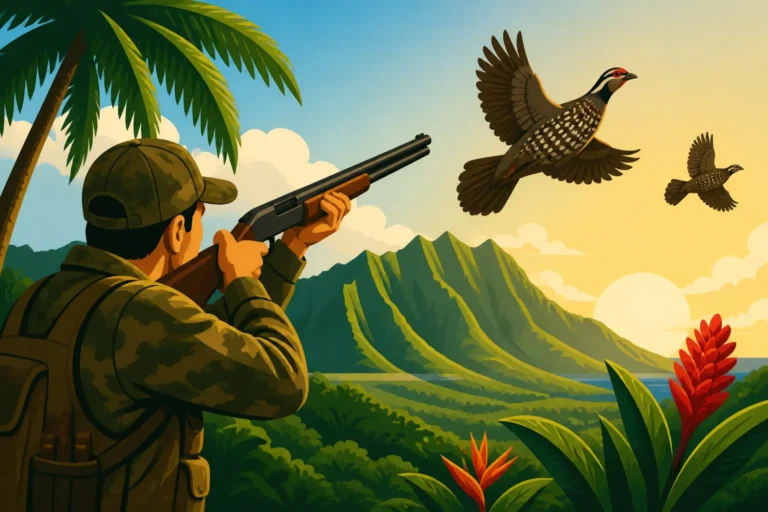
When an Erckel's Francolin flushes, it's usually explosive and fast. They’ll often erupt low and then gain altitude quickly, sometimes disappearing into the sky or just over the crest of a hill in a blink. You need to be ready. This means having your gun mounted, safety off, and eyes scanning constantly. Quick target acquisition is vital. Don't wait for the perfect shot if it means letting the bird get too far; take the ethical shot when it presents itself.
Safety is paramount, especially when hunting with multiple people and dogs. Always be aware of your firing lanes and where your hunting partners and dogs are located. If you're hunting alone, be mindful of where your dog is at all times. In dense grass, it’s easy to lose track of things. After the shot, be prepared for a follow-up. Francolin are tough birds, and even a well-hit bird might try to run. If it’s a clean miss, well, that's hunting, and another bird will likely present itself if you keep working. For more general advice on hunting these birds, check out Hawaii Game Bird Hunting.
Table: Shotgun Choke and Shot Size Recommendations for Erckel's Francolin
| Gauge | Choke Recommendation | Shot Size Recommendation | Typical Shooting Range | Notes |
|---|---|---|---|---|
| 12 Gauge | Improved Cylinder, Skeet | #6, #7.5 | 15-30 yards | Most common, versatile. Open choke for wide patterns. |
| 20 Gauge | Improved Cylinder, Skeet | #6, #7.5 | 10-25 yards | Lighter, faster swinging, great for close flushes. |
| 28 Gauge | Skeet, Cylinder | #7.5 | 10-20 yards | Very light, quick. Excellent for very close work. |
| All | Open Chokes | Dense Patterns | Close-Range | Prioritize wide patterns for fast-moving, close-flushing birds. |
Post-Shot Recovery and Field Care
So, you’ve made a good shot, and the bird is down. Now comes another critical phase: recovery. In tall grass, a downed francolin can be incredibly difficult to find, even if you saw exactly where it fell. Mark the fall zone meticulously with your eyes, noting a specific tree, bush, or elevation change. Then, trust your dog. A good retriever will go straight to the bird, even if it’s buried deep in the cover. If your dog is struggling, or if you're hunting without a dog, systematically grid-search the area, expanding your search pattern. Don't give up too quickly; losing a downed bird is never acceptable.
Once you have the bird in hand, immediate field care is important, especially in Hawaii's often warm and humid climate. Quickly gut the bird to allow it to cool down, preserving the meat quality. Place it in a game bag that allows for airflow, and get it into a cooler with ice as soon as possible. Hawaii's heat can spoil game meat rapidly, so quick cooling is essential. For more detailed advice on this, refer to Field Care in Hawaii's Heat and Humidity. Remember to properly tag your bird if required by the specific unit's rules, which you can usually verify through GoHunt or the local DOFAW office.
Conclusion
Hunting Erckel's Francolin in Hawaii's tall grass is a rewarding, albeit challenging, endeavor. It tests your patience, your shooting skills, and your ability to work with a trusted canine partner. By understanding their behavior, meticulously scouting their habitat, equipping yourself appropriately, and employing smart hunting tactics, you can turn those frustrating vanishing acts into successful flushes and delicious meals. Every hunt is a learning experience, and with each outing, you'll gain a deeper appreciation for these cunning birds and the unique environments they call home in the islands. Remember to always respect the land, the rules, and the game, ensuring that the privilege of hunting in Hawaii continues for generations to come.
Disclaimer
Please note that hunting regulations, seasons, and unit access can change. Always consult the most current Hawaii Department of Land and Natural Resources (DLNR) Division of Forestry and Wildlife (DOFAW) regulations before planning any hunt. This guide provides general information and recommendations, but it is the hunter's responsibility to adhere to all applicable laws and safety protocols.