Hawaii Game Bird Season Dates
Trying to figure out Hawaii's game bird season dates can feel like trying to catch smoke with a net – just when you think you have a handle on it, the wind shifts. It’s easy to get lost in the nuances of state regulations, island-specific rules, and the ever-present question of whether you're even looking at the right year's calendar. This guide is here to untangle that knot for you, providing clear, detailed information on when and where you can pursue Hawaii's diverse game bird populations across the islands.
Navigating the Nuances of Hawaii Game Bird Seasons
Hawaii, with its incredibly varied microclimates and unique ecosystems, presents a hunting landscape unlike anywhere else. This diversity extends directly to its game bird populations and, consequently, to their hunting seasons. It’s not a simple statewide opening and closing; instead, you'll find a patchwork of opportunities that reflect the specific management needs and bird abundance on each island, and even within different units on the same island. This complexity can be a major source of frustration for both seasoned local hunters and newcomers alike.
Why Seasons Can Feel Complicated Here
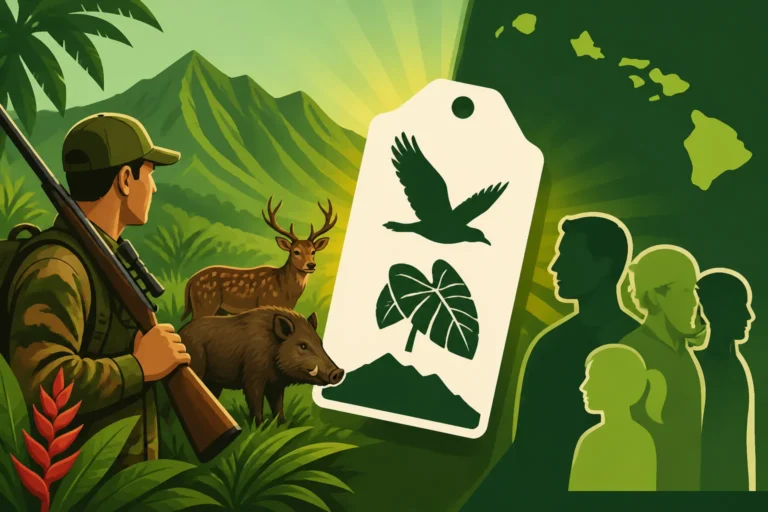
The primary reason for this intricate system lies in Hawaii's unique conservation goals and the delicate balance required to manage non-native game species while protecting precious native flora and fauna. Unlike mainland states where game bird seasons might primarily revolve around breeding cycles and population numbers, Hawaii's Department of Land and Natural Resources (DLNR), through its Division of Forestry and Wildlife (DOFAW), often tailors seasons to mitigate environmental impact from these introduced species. For instance, in areas with critical native plant communities, hunting might be more restrictive or limited to specific times to reduce disturbance. This often means seasons are structured around specific weekends or limited timeframes, rather than continuous periods, making it crucial to stay informed about the latest announcements.
Another layer of complexity comes from the sheer number of distinct units and their individual rules. What applies to a game bird hunt on the slopes of Mauna Kea might be entirely different from the regulations governing a lowland hunt on Maui. These localized rules are a direct response to the specific pressures and populations in those areas. For hunters, this translates into a higher need for meticulous planning and double-checking the regulations for their chosen unit, rather than relying on general season dates. This isn't just about compliance; it's about understanding the unique environment you're stepping into and being a responsible steward of the land.
The Core Game Bird Species You'll Find
Hawaii is home to a fantastic array of introduced game birds, each offering a distinct hunting experience. You're not going to find many native birds on the huntable list, as most are protected due to their endangered status. Instead, hunters pursue species brought to the islands over generations, some thriving to the point of becoming significant game animals.
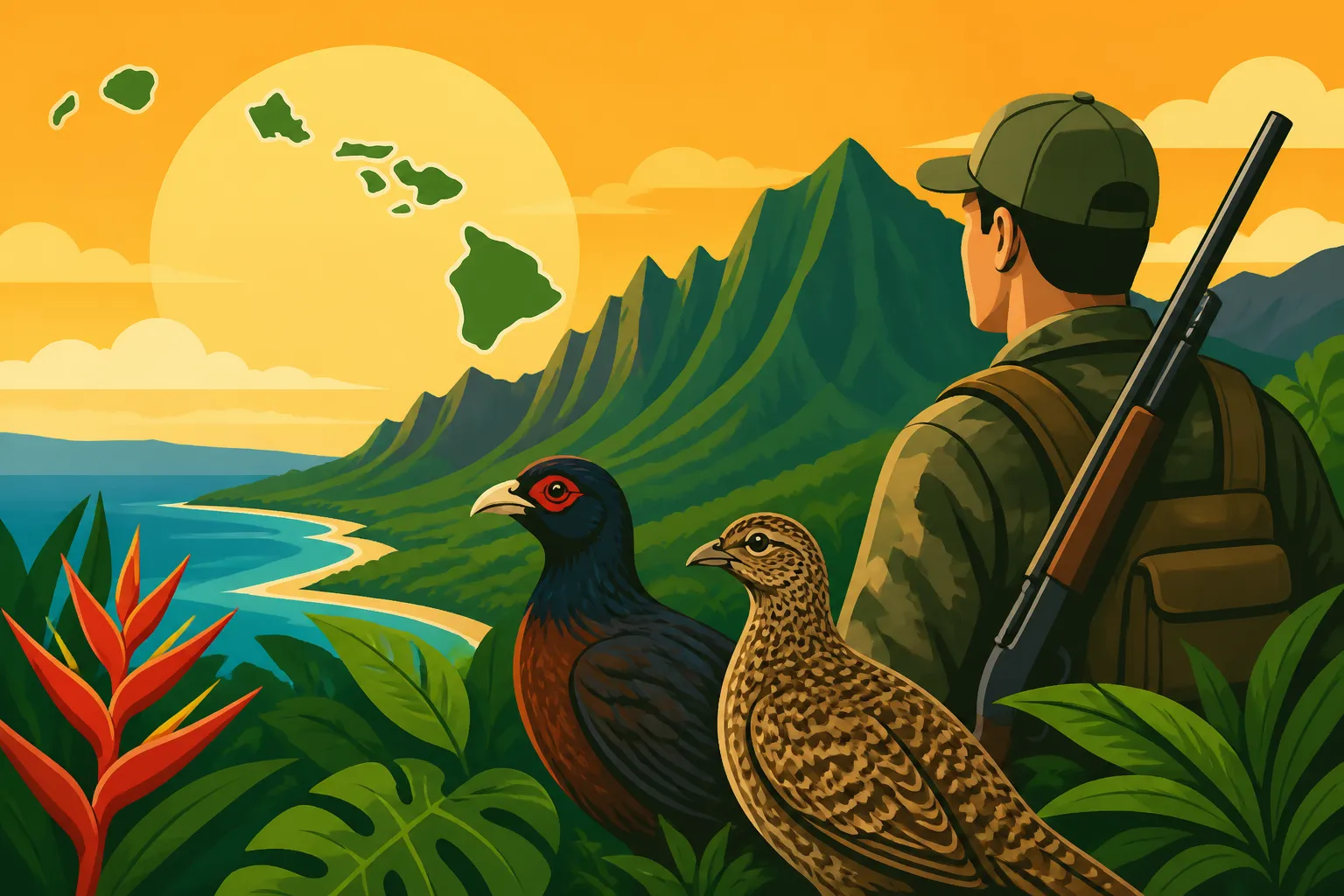
Among the most sought-after are several species of francolin, including the Erckel's Francolin, Gray Francolin, and Black Francolin. Each prefers slightly different habitats, from open, dry pastures to dense, brushy ravines. Then there are the pheasants: the vibrantly colored Ring-necked Pheasant, often found in agricultural fields and grasslands, and the more elusive Kalij Pheasant, which prefers the wet, dense forests of the windward sides. Chukar partridge offer a challenging hunt in the high, rocky, and dry uplands, particularly on Hawaii Island. Quail, primarily California Quail and Japanese Quail, provide fast-action hunting in brushy areas and open fields. Finally, various dove species, such as the Spotted Dove and Barred Dove, are plentiful around agricultural lands and urban fringes, providing a more relaxed but still engaging hunt. Understanding where these different birds prefer to live is key to pinpointing your hunting area and aligning it with the specific season dates for that location. If you're looking for broader information, our guide on Hawaii Game Bird Hunting dives into the strategies for pursuing these different species.
Unpacking the Statewide Game Bird Calendar
While the specifics of game bird seasons vary greatly by island and unit, there are some overarching themes and general structures that apply across the state. These provide a basic framework, but remember, the devil is always in the details. Always refer to the most current DOFAW regulations for the exact dates in your chosen hunting area.
General Opening and Closing Dates
Generally, Hawaii's game bird seasons tend to kick off in the cooler, drier months, typically beginning in November, though this can sometimes be pushed into December. This timing often aligns with post-breeding cycles, allowing populations to rebound, and often coincides with public demand for cooler hunting weather. For many species, especially pheasants and francolins, the season might run through January, sometimes even into early February. Doves and quail, being more prolific breeders, sometimes have earlier starts or longer windows. The key takeaway here is that you're generally looking at late fall through early winter for most bird hunting opportunities.
It's crucial to understand that these general dates are just that – general. You absolutely need to consult the detailed regulatory pamphlets or the official DOFAW website for the precise opening and closing days for your target island and species. For example, while one island might open for francolin in mid-November, another might hold off until December. These dates are often announced well in advance, usually by late summer or early fall, giving hunters time to plan. Our article on Hawaii Game Bird Season Opening Day can offer more specifics on typical start times.
Weekend-Only Hunting & State Holiday Rules
One of the most defining characteristics of public land game bird hunting in Hawaii is the prevalence of "weekend-only" seasons. This means that hunting is often restricted to Saturdays and Sundays, and sometimes specific state holidays. This structure is implemented for a variety of reasons, including managing hunting pressure, minimizing conflict with other recreational users, and allowing DOFAW staff to monitor and manage check stations more effectively. For hunters, it means optimizing those two precious days each week. You need to be prepared to make the most of your time in the field, as you won't have the luxury of midweek hunts in many units.
State holidays can sometimes offer additional hunting days, providing a welcome extension to the weekend. Common holidays where hunting might be permitted include New Year's Day, Martin Luther King, Jr. Day, Presidents' Day, Good Friday, Memorial Day, King Kamehameha Day, Independence Day, Labor Day, Discoverers' Day, Election Day, Veterans' Day, and Thanksgiving Day. However, it's never a given. Each holiday's status for hunting is specifically declared in the annual regulations. You can't just assume a holiday means hunting is open; you must confirm it for your specific unit and species. Our comprehensive guide on Hawaii's Weekend and Holiday Hunting Rules goes into much greater detail about how these unique restrictions impact your plans. This also means units can get crowded on these limited days, so scouting and an early start are even more important.
Island-Specific Season Variations You Need to Know
While there are some statewide trends, Hawaii's game bird seasons truly diverge when you look at individual islands. Each island, with its unique geography, climate, and population densities, has distinct regulations tailored to its specific conditions. What's open on Hawaii Island might be closed on Maui, and what's thriving on Molokai might be sparse on Oahu.
Hawaii Island's Diverse Game Bird Opportunities
The Big Island, or Hawaii Island, truly lives up to its name, offering the most expansive and diverse public hunting opportunities for game birds. Its sheer size and varied terrain, from the high alpine slopes of Mauna Kea to the dry leeward coasts and wet windward forests, support robust populations of many species. This means longer seasons and more unit choices compared to other islands. For instance, the high country above Waimea is famous for its Chukar Partridge, often with season dates starting later in the year and running for several months, sometimes even into the spring. Our article on Chukar Hunting Hawaii Island's High Country offers specialized advice. Meanwhile, areas like Puu Anahulu Game Management Area or portions of the Mauna Kea Forest Reserve might offer excellent Ring-necked Pheasant and Erckel's Francolin hunting.
Many units on Hawaii Island have seasons that run for several weeks or even months on weekends and holidays. This allows for flexibility and multiple trips. You might find different species open in different areas simultaneously, allowing for combination hunts if you're ambitious. For example, you could be hunting francolin in the morning in a lower elevation unit and then move up for chukar in the afternoon. However, the vastness also means scouting is paramount, and understanding specific unit boundaries and access points is critical. This is where tools like GoHunt or the OuterSpatial app become invaluable, helping you visualize these large, complex hunting areas.
Maui and Molokai's Unique Bird Seasons
Maui offers significant game bird hunting, particularly in its upcountry regions. The slopes of Haleakala, especially in the Kula and Polipoli Forest Reserves, are key areas for species like Ring-necked Pheasant, Erckel's Francolin, and California Quail. Seasons here tend to be concentrated, often running from early November through January, typically on weekends and holidays. These areas can be steep and challenging, but they hold good bird numbers. Molokai, often called the "Friendly Isle," also has excellent bird hunting, especially for francolin and pheasant in its central and eastern regions. Being a smaller island with fewer units, Molokai's seasons are often more focused and might have stricter bag limits to manage populations.
For both Maui and Molokai, staying on top of the annual DOFAW announcements is vital, as season lengths and specific unit openings can fluctuate based on annual surveys and environmental conditions. These islands sometimes have special youth hunt weekends, which are fantastic opportunities for young hunters to get into the field. You'll find that success on these islands often comes down to knowing the specific pockets where birds hold up and being prepared for varying terrain, from open ranchland to dense brush.
Kauai and Oahu's More Limited Offerings
Kauai and Oahu, while beautiful islands, generally offer more limited public land game bird hunting opportunities compared to Hawaii Island or Maui. On Kauai, hunting is primarily concentrated in the western side of the island, particularly in the Kekaha Game Management Area and parts of the Na Pali-Kona Forest Reserve. Here, you might find seasons for Erckel's Francolin, Ring-necked Pheasant, and various dove species. The terrain can be rugged, with deep canyons and thick vegetation, making for physically demanding hunts. Seasons on Kauai are typically shorter and strictly enforced, often running for only a few weekends.
Oahu has even fewer public land game bird opportunities. Most of the hunting pressure on Oahu focuses on feral pigs, but there are some small, often overlooked units where a few game birds can be found. These might include small populations of francolin, pheasant, or doves in areas like the Ewa Forest Reserve or parts of the Waianae Kai Forest Reserve. Seasons are usually very short, often only a few designated weekends, and bag limits are modest. For hunters on Oahu, a guided private land hunt might offer more consistent bird hunting experiences. Overall, for serious game bird enthusiasts, traveling to one of the other islands with more expansive public hunting areas is often the preferred choice. For hunters keen on Hunting Francolin and Pheasant in Hawaii or Dove Hunting on Hawaii Farm Ground, specific information on these islands will be critical.
Permit-Tag System and Bag Limits for Game Birds
Beyond knowing when and where to hunt, understanding the permit-tag system and the specific bag limits is absolutely critical. In Hawaii, being properly licensed and adhering to bag limits isn't just a recommendation; it's a legal requirement that ensures sustainable hunting practices and helps manage wildlife populations responsibly.
Understanding the Game Bird Stamp Requirement
Before you even think about setting foot in a game bird unit, you need to ensure you have the correct licensing. All hunters in Hawaii, whether resident or nonresident, must possess a valid Hawaii hunting license. But specifically for game birds, you'll also need to purchase a Hawaii Game Bird Stamp. This stamp is an additional endorsement on your hunting license that specifically authorizes you to hunt game birds. It's a vital part of the funding mechanism for game bird management and habitat conservation efforts across the islands.
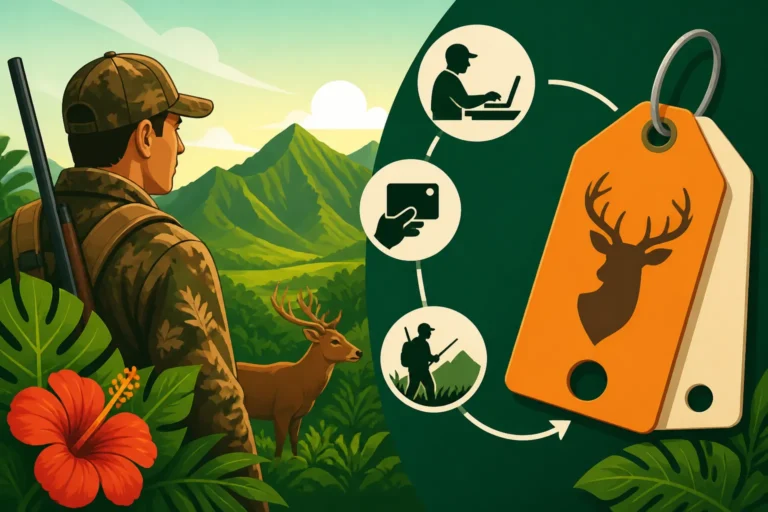
The process for acquiring your hunting license and game bird stamp is relatively straightforward. You can usually purchase them online through the official DOFAW website or platforms like GoHunt Hawaii, or in person at various vendors across the islands. It’s always best to do this well in advance of your hunt to avoid any last-minute stress. Remember, you'll need to carry your valid hunting license with the game bird stamp clearly visible or associated electronically, while you're in the field. This small piece of paper or digital record is your proof that you’re legally allowed to pursue these exciting birds. Our article on Hawaii's Game Bird Stamp gives you all the details on cost and requirements.
Daily and Seasonal Bag Limits by Species
Hawaii has very specific daily and sometimes seasonal bag limits for each game bird species. These limits are set by DOFAW based on population assessments, habitat conditions, and desired harvest levels, and they are designed to prevent over-harvesting and ensure healthy populations for future seasons. It is absolutely your responsibility as a hunter to know and adhere to these limits. Ignorance of the law is never an excuse.
Here's a general breakdown of typical daily bag limits for common species, but remember, these can change annually and by unit, so always check the current regulations:
| Game Bird Species | Typical Daily Bag Limit | Notes |
|---|---|---|
| Erckel's Francolin | 5-10 birds | Varies by island/unit, often quite generous |
| Gray Francolin | 5-10 birds | Often paired with Erckel's limits |
| Black Francolin | 2-5 birds | Can be more restrictive in some areas |
| Ring-necked Pheasant | 2-3 birds | Can include cocks and hens, or cocks only |
| Kalij Pheasant | 2-3 birds | Similar to Ring-necked, often sex-specific |
| Chukar Partridge | 5 birds | Consistent across most areas |
| California Quail | 10-15 birds | Often quite plentiful |
| Japanese Quail | 10-15 birds | Similar to California Quail |
| Barred Dove | 10-15 birds | Often combined with Spotted Dove limits |
| Spotted Dove | 10-15 birds | Plentiful in agricultural areas |
For specific, detailed numbers, you should look at The Chukar Daily Bag Limit, How Many Francolin You Can Take, Pheasant Bag Limits by Species, and Dove and Quail Daily Bag Limits. It's not uncommon to find areas where the bag limit for one species is higher than for another, or where there are specific rules about taking hens versus roosters for pheasants. Always consult the official DOFAW Hunting Regulations for the current season. Exceeding these limits is a serious offense that can result in fines, license revocation, and other penalties. So, hunt smart, count your birds, and leave some for tomorrow!
How to Stay Up-to-Date on Season Changes and Announcements
One of the biggest frustrations for Hawaii hunters is the dynamic nature of regulations. Seasons can shift, units can close, and rules can change – sometimes with relatively short notice due to environmental factors, drought conditions, or even public safety concerns. Staying current is not just important; it's essential for a successful and legal hunt.
Where to Find Official DOFAW Announcements
The official source for all Hawaii hunting regulations, including game bird season dates, is the Department of Land and Natural Resources (DLNR), specifically its Division of Forestry and Wildlife (DOFAW). They are the ultimate authority. Relying on word-of-mouth or outdated websites can lead to major disappointment, or worse, a citation.
DOFAW typically publishes its annual hunting regulations, including game bird seasons, in a comprehensive pamphlet. These pamphlets are usually available online on the official DLNR website (dlnr.hawaii.gov/dofaw) and often in hard copy at local DOFAW offices or licensed vendors. These documents will clearly list the general statewide dates, followed by island-specific breakdowns of units, species, season dates (including weekend-only rules and holidays), and bag limits.
Beyond the annual regulations, DOFAW also issues Public Notices for any significant changes, special hunts, or emergency closures. These notices are usually posted on the DLNR website, in local newspapers, and sometimes on bulletin boards at hunter check stations. It’s a good habit to check the DOFAW website regularly, especially in the weeks leading up to and during the hunting season, to ensure you don't miss any critical updates. Subscribing to any available email newsletters or alerts from DOFAW is also a smart move if they offer it.
Leveraging Digital Tools and Local Resources
In today's digital age, several tools and resources can help you navigate the complexities of Hawaii hunting regulations. The GoHunt Hawaii platform, for instance, is an excellent resource where you can purchase licenses, find information, and often link to the latest regulations. It centralizes a lot of the official information in a user-friendly format, saving you from digging through multiple government pages.
Another incredibly useful tool for checking in and out of units, which often contains unit-specific regulations and announcements, is the OuterSpatial app. Many Hawaii hunting units now require or highly encourage checking in and out via this app, and it can be a real-time source of information, including last-minute changes or important alerts for specific areas. Our detailed guide on Using the OuterSpatial App to Check In offers a full rundown on how this works.
Beyond digital tools, don't underestimate the value of local knowledge. Chatting with local hunters at sporting goods stores, check stations, or even online forums can provide invaluable insights into current conditions, recent changes, and where the birds might be holding. However, always cross-reference any anecdotal information with official DOFAW publications to ensure accuracy. Local outfitters and guides are also often excellent sources of the most current information, as their livelihood depends on being up-to-date.
Preparing for Your Hawaii Game Bird Hunt
Hawaii offers a truly unique bird hunting experience, but it also comes with its own set of challenges. The terrain can be brutal, the weather unpredictable, and the birds can be incredibly wary. Being well-prepared is the key to both success and safety.
Essential Gear and Local Considerations
Your gear list for a Hawaii game bird hunt might look a bit different from what you'd pack for a pheasant hunt in the Dakotas or a quail hunt in the Southwest. First and foremost, footwear is critical. You'll likely be traversing steep, uneven terrain, possibly slick with rain or sharp with volcanic rock. Good quality, ankle-supporting hunting boots with excellent traction are non-negotiable. Forget your light trail runners unless you're absolutely sure of the terrain.
Clothing should be versatile and layered. Mornings can be cool, especially at higher elevations, but midday can be hot and humid. Rain is always a possibility, particularly on the windward sides, so waterproof and breathable outerwear is a must. Blaze orange is often a requirement in public hunting areas, so check the regulations for your specific unit. Eye protection and hearing protection are also crucial, as is a good quality bird vest or pack to carry your game, water, and other essentials. A reliable shotgun, usually a 12 or 20 gauge, choked appropriately for the range and species you're pursuing, is standard. You'll also need a decent supply of shells.
Consider hydration as well. Even on cooler days, walking in Hawaii's rugged terrain can be dehydrating. Carry more water than you think you'll need. If you're bringing a bird dog, make sure they are well-conditioned for the heat and terrain, and carry extra water for them too. Finally, a good map (physical and/or digital like onX Hunt or OuterSpatial) and a compass/GPS device are essential for navigation, as cell service can be spotty in many remote hunting units.
Respecting the Land and Other Users
Hunting in Hawaii is a privilege, and responsible conduct is paramount. This means not only adhering strictly to all hunting regulations but also showing respect for the land, its native ecosystems, and other recreational users. Much of Hawaii's public hunting land is multi-use, shared with hikers, birdwatchers, and even agricultural operations. Be mindful of others, give them space, and always prioritize safety.
Pack out everything you pack in, and then some. Leave no trace of your presence. Respect private property boundaries, even if they're not clearly marked – this is where a reliable mapping app like GoHunt or OuterSpatial can prevent accidental trespassing. Understand that many of the areas you hunt are ecologically sensitive, and actions like off-trail vehicle use or leaving trash can have significant negative impacts. Be a good ambassador for hunting.
When it comes to game birds, remember their role in the ecosystem. Hunting helps manage introduced species, but it's vital to do so ethically. Practice good sportsmanship, retrieve all downed birds, and utilize the meat. Learning proper Field Care in Hawaii's Heat and Humidity is critical to ensure your harvest doesn't spoil quickly. By being respectful, prepared, and knowledgeable, you contribute positively to the future of hunting in these beautiful islands.
Disclaimer
Please note that hunting regulations, season dates, and unit boundaries in Hawaii can change. While this guide provides comprehensive information, it is crucial that all hunters consult the most current official publications from the Hawaii Department of Land and Natural Resources (DLNR) Division of Forestry and Wildlife (DOFAW) before planning and undertaking any hunt. This article is for informational purposes only and does not constitute legal advice or an official endorsement of any hunting practice. Always hunt safely and ethically.