Hawaii Game Bird Season Opening Day
There’s nothing quite like the anticipation of game bird season opening day in Hawaii. You’ve been watching the weather, dreaming of the perfect flush, maybe even scouting a promising covey, but then the nagging question hits: when exactly is it? It can be frustrating trying to nail down specific dates, especially with rules and seasons sometimes shifting across our unique islands. This guide is here to untangle the complexities and give you a clear picture of when Hawaii's game bird season kicks off and how to prepare for it.
Understanding the Statewide Game Bird Season Framework
Unlike some mainland states with a single, unified opening day for all game bird species, Hawaii’s approach is a bit more nuanced. We deal with various species, from francolins and pheasants to doves and chukar, and their seasons, including opening day, can sometimes vary slightly. However, there's a general framework that the Department of Land and Natural Resources (DLNR), Division of Forestry and Wildlife (DOFAW) adheres to, usually consolidating most game bird hunting into specific periods.
General Season Start Dates
For most game bird species across the Hawaiian islands, you can generally expect the season to kick off in the first few weeks of November. This timing is intentional, often coinciding with cooler weather patterns and post-breeding population levels that ensure sustainable harvesting. Think about it, the heat of summer starts to wane, and the birds are more concentrated in certain areas, making for better hunting conditions and a more enjoyable experience for us hunters.
It’s not just a random pick, either. These dates are carefully determined based on biological data, population assessments, and feedback from hunters and conservationists. They want to make sure we're managing these introduced species responsibly while still providing ample opportunity for us to get out in the field. Sometimes, there are special early seasons for specific species or youth hunts, so always check the latest regulations. For instance, sometimes certain dove species might open a little earlier, perhaps in September, but the main thrust of the game bird season generally begins in November. This flexibility can be a bit confusing if you’re used to more rigid calendars, but it allows for better adaptive management in our unique ecosystems.
Why Opening Days Can Differ by Island or Unit
One of the biggest frustrations for hunters, especially those new to Hawaii or visiting from other islands, is realizing that "opening day" isn't always a singular, statewide event. The specific dates can actually vary depending on the island you're hunting on and, sometimes, even the particular hunting unit within an island. This isn't just to make things complicated; it's a reflection of Hawaii's diverse microclimates, varied bird populations, and localized management strategies.
Take, for example, Hawaii Island, often called the Big Island. With its vast size and varied elevations, a game bird season in the dry uplands for chukar might open slightly differently than a season for Kalij pheasant in the wet forests of Hilo. The vegetation, the rainfall, and even the natural forage available to the birds can differ dramatically, influencing when populations are most robust and accessible. Maui, Molokai, and Kauai also have their own specific regulations and opening periods, particularly for species like the Erckel's Francolin or California Quail. These localized differences mean that while the broad strokes of "November opening" remain, you absolutely need to dive into the specifics for your intended hunting ground. It's why just asking "when does game bird season open?" isn't enough; you need to add "on which island?" or "for what species?" to get the full picture.
Navigating Specific Opening Day Schedules by Island
Since Hawaii's game bird seasons can be quite specific, breaking it down by island is crucial for planning your hunt. While November is the general kick-off, there are often subtle differences and unit-specific rules that can impact your opening day experience.
Hawaii Island Game Bird Openers
On Hawaii Island, the diverse terrain supports a wide array of game bird species, leading to a few different opening scenarios. Generally, the main game bird season for species like Chukar, Francolin (Erckel’s, Gray, and Black), Ring-necked Pheasant, and California Quail typically opens on the first Saturday in November. This is a day many Big Island hunters eagerly await, often heading to the high country of Mauna Kea for chukar or the lower elevations for francolin and pheasant.
However, doves often have slightly earlier or separate seasons. For Spotted and Barred Doves, you might find an opener in late August or early September, often running through to the end of the game bird season in January. These early dove seasons offer a fantastic opportunity to warm up before the main event. It's important to remember that these dates are subject to change, so always double-check the current year's regulations. The sheer size of Hawaii Island means that hunting pressure on opening day might be spread out, unlike smaller islands, but popular units can still see a crowd. If you're looking into specific areas for Chukar Hunting Hawaii Island's High Country, the opening day in November is when many make their trek up.
Maui, Molokai, and Lanai Game Bird Schedules
In Maui County, which includes Maui, Molokai, and Lanai, the game bird opening day often aligns with the statewide pattern, typically the first Saturday in November. These islands boast healthy populations of Axis deer, but their game bird hunting offers a different kind of challenge and reward. On Maui, areas like the lower slopes of Haleakala and the West Maui Mountains hold good numbers of francolin and pheasant. For those who enjoy Hunting Francolin and Pheasant in Hawaii, the opening of this season is a major highlight.
Molokai and Lanai, while smaller, also offer excellent opportunities. Lanai's unique mix of open country and dense kiawe can be fantastic for francolin and pheasant. Molokai also has designated areas where hunters pursue various game birds. Remember, specific unit regulations can apply, so what might be open on one part of Maui might be restricted or have different dates on another. Always check the official DOFAW website or the GoHunt platform for the most current information regarding these islands. They often list specific units like the Kahikinui area on Maui or certain Molokai public lands with their respective opening schedules.
Kauai and Oahu Game Bird Seasons
Kauai and Oahu also follow the general statewide pattern for game bird openers, usually kicking off on the first Saturday of November. On Kauai, hunters often target game birds in the Kekaha and Na Pali-Kona Forest Reserves. Pheasant and francolin are popular quarry here, providing a thrilling experience in the island's lush, rugged landscape. For those interested in Dove Hunting on Hawaii Farm Ground, certain agricultural areas might see early dove seasons, similar to the Big Island.
Oahu, being the most populated island, still offers public hunting opportunities for game birds, though they are often more limited in scope. Hunters on Oahu primarily focus on francolin, pheasant, and doves in designated hunting areas like the Ewa Forest Reserve or the Waianae Kai Forest Reserve. Because public land is scarcer, these units can sometimes experience higher pressure on opening day. It’s imperative to thoroughly review the specific game bird regulations for Oahu, as access and season lengths can be more restricted compared to other islands. Keep in mind that for all islands, the season usually runs through mid-January, but always confirm these dates for the current year.
Preparing for Game Bird Opening Day Success
Opening day is about more than just showing up; it's about being prepared, understanding the regulations, and respecting the land and other hunters. A successful and enjoyable experience starts long before you even step foot in the field.
Essential Gear and Pre-Hunt Checklist
Getting your gear in order is paramount. For Hawaii’s game bird hunting, you’ll want sturdy, comfortable boots that can handle varied terrain, from dry, rocky lava flows to muddy, wet forest floors. Lightweight, breathable clothing is a must, but also pack rain gear, especially if you're hunting the windward sides of islands or during our "cooler" months. Blaze orange is often required, so make sure you have enough visible orange to meet safety requirements.
Here’s a quick checklist to get you started:
| Item | Description | Importance | Notes |
|---|---|---|---|
| Hunting License | Current Hawaii hunting license and appropriate stamps (game bird stamp). | Absolutely Critical | Purchase online via GoHunt Hawaii or licensed vendor. |
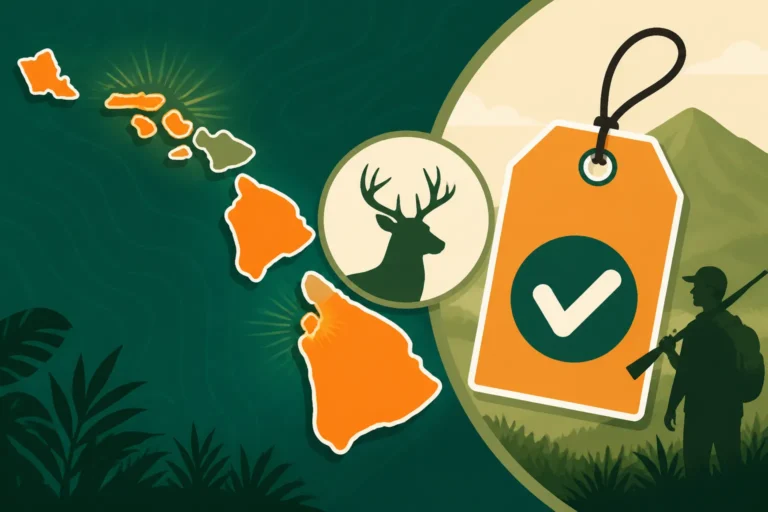
| Permit-Tags (if req.) | Some units/species may require additional permits or tags. | Unit/Species Dependent | Check regulations carefully. |
| Blaze Orange | Vest, hat, or other outerwear for visibility. | Safety & Legal | Required in most public hunting areas. |
| Shotgun & Ammo | Appropriate gauge (12, 20 gauge common) and shot size (#6, #7.5, #8). | Core Hunting Gear | Lead shot is generally legal for game birds in Hawaii. |
| Upland Vest/Pack | To carry birds, water, snacks, and extra shells. | Comfort & Convenience | Choose one with good ventilation. |
| Boots | Sturdy, waterproof, and comfortable for hiking varied terrain. | Foot Comfort & Safety | Break them in before opening day. |
| Water | Ample hydration, especially in dry, hot areas. | Health & Safety | Assume no potable water will be available. |
| First-Aid Kit | For minor injuries, cuts, and scrapes. | Safety | Include blister treatment. |
| Navigation | GPS device or smartphone with mapping app (e.g., OuterSpatial, onX Hunt). | Staying Found | Download offline maps; cell service is often spotty. |
| Sun Protection | Hat, sunglasses, sunscreen. | Health | Hawaii's sun is strong, even on overcast days. |
| Bird Dog (Optional) | Trained bird dog with GPS collar and appropriate protective gear. | Efficiency & Enjoyment | Ensure dog is registered and allowed in unit. |
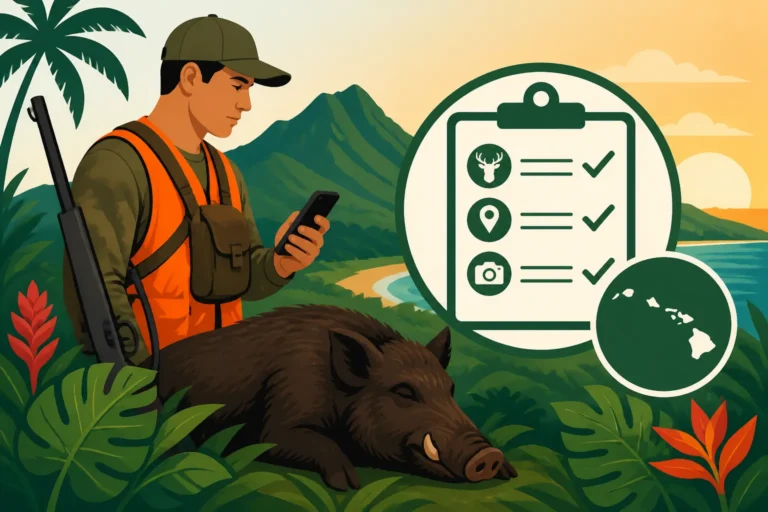
Don't forget to confirm your shotgun is sighted in and that you're comfortable with your shooting. There’s nothing worse than missing an easy flush on opening day because you haven't touched your shotgun since last season. Before you head out, confirm your license is valid and that you have any necessary stamps, like the Hawaii's Game Bird Stamp. You can usually take care of all this online via the GoHunt platform. Additionally, if you plan on Using a Bird Dog in Hawaii Terrain, ensure your dog is conditioned for the heat and unique ground cover, and that they are properly registered.
Understanding Regulations and Unit Access
The biggest frustration on opening day can be showing up somewhere only to find you’re not allowed, or you’re using the wrong weapon. Every year, DOFAW publishes the official "Hunting Regulations and Information Booklet" which is your bible. It details specific season dates, bag limits, legal hunting hours, and unit-specific rules for each island. Pay close attention to the "Hawaii Game Bird Seasons and Bag Limits" section.
Many public hunting units require you to check in and out, often through the OuterSpatial app or a physical check station. This isn't just a formality; it's a critical part of how DOFAW manages hunter numbers and collects harvest data. Neglecting to check in or out can lead to fines and loss of hunting privileges. Also, be aware of specific weapon restrictions. While shotguns are the primary weapon for game birds, there might be areas or seasons with archery-only rules. Always check the Hawaii's Legal Weapons by Season section in the regulations. It's also wise to check the "Hawaii's Weekend and Holiday Hunting Rules" as some units are only open on specific days. Scouting a Hawaii Hunting Unit Before Opening is highly recommended to understand access points, terrain, and potential areas where birds might hold.
What to Expect on Opening Day and Beyond
Opening day in Hawaii can be a mixed bag of excitement, challenge, and camaraderie. Being realistic about expectations and prepared for the unique conditions will make all the difference.
Hunting Pressure and Strategy Adjustments
Unless you're hiking into a truly remote section, you can expect some company on opening day, especially in popular game bird units. This increased Hunting Pressure on opening weekend can mean birds are more wary, moving faster, or holding tighter. It's a good idea to arrive early to secure a parking spot and get a head start.
One strategy to consider is to avoid the most obvious, easily accessible areas. Sometimes, a willingness to hike a little further, particularly in areas like the edges of lava flows or dense guava thickets, can put you onto less-pressured birds. Also, pay attention to the wind and thermals, especially when Hunting Downwind in Hawaii's Shifting Thermals. Birds often fly into the wind when flushed, so positioning yourself correctly can give you a better shot opportunity. If you find your primary spots are crowded, don't be afraid to adapt. Have a backup plan or two, perhaps a unit known for a different species or one that requires a longer walk-in. Being flexible is key to Getting the Most From a Hawaii Weekend Unit.
Managing Expectations and Respecting the Land
Let's be realistic: opening day isn't always a limit-out affair. Hawaii's game birds are wild, and success depends on many factors, including weather, bird numbers, and your own skill and luck. Don't let a slow morning dampen your spirit. Focus on the experience, the beauty of the islands, and the privilege of being out in nature.
Respect for the land and for other hunters is paramount. Always be mindful of property boundaries and never trespass. Leave no trace, packing out all your trash, including spent shotgun shells. If you encounter other hunters, a friendly nod or greeting goes a long way. Safety is everyone's responsibility, so always identify your target and what's beyond it before taking a shot. We're all out there to enjoy the tradition of hunting in these incredible islands, and maintaining a positive hunting culture benefits everyone. Understanding the Hawaii Hunter Education Requirements also reinforces safe hunting practices.
Disclaimer
The information provided in this guide is for general informational purposes only and is subject to change. Hunting regulations, season dates, and unit rules are set by the Hawaii Department of Land and Natural Resources (DLNR), Division of Forestry and Wildlife (DOFAW) and can be modified at any time. Hunters are solely responsible for checking the most current official regulations before engaging in any hunting activity. Always prioritize safety and ethical hunting practices.