Hunting Francolin and Pheasant in Hawaii
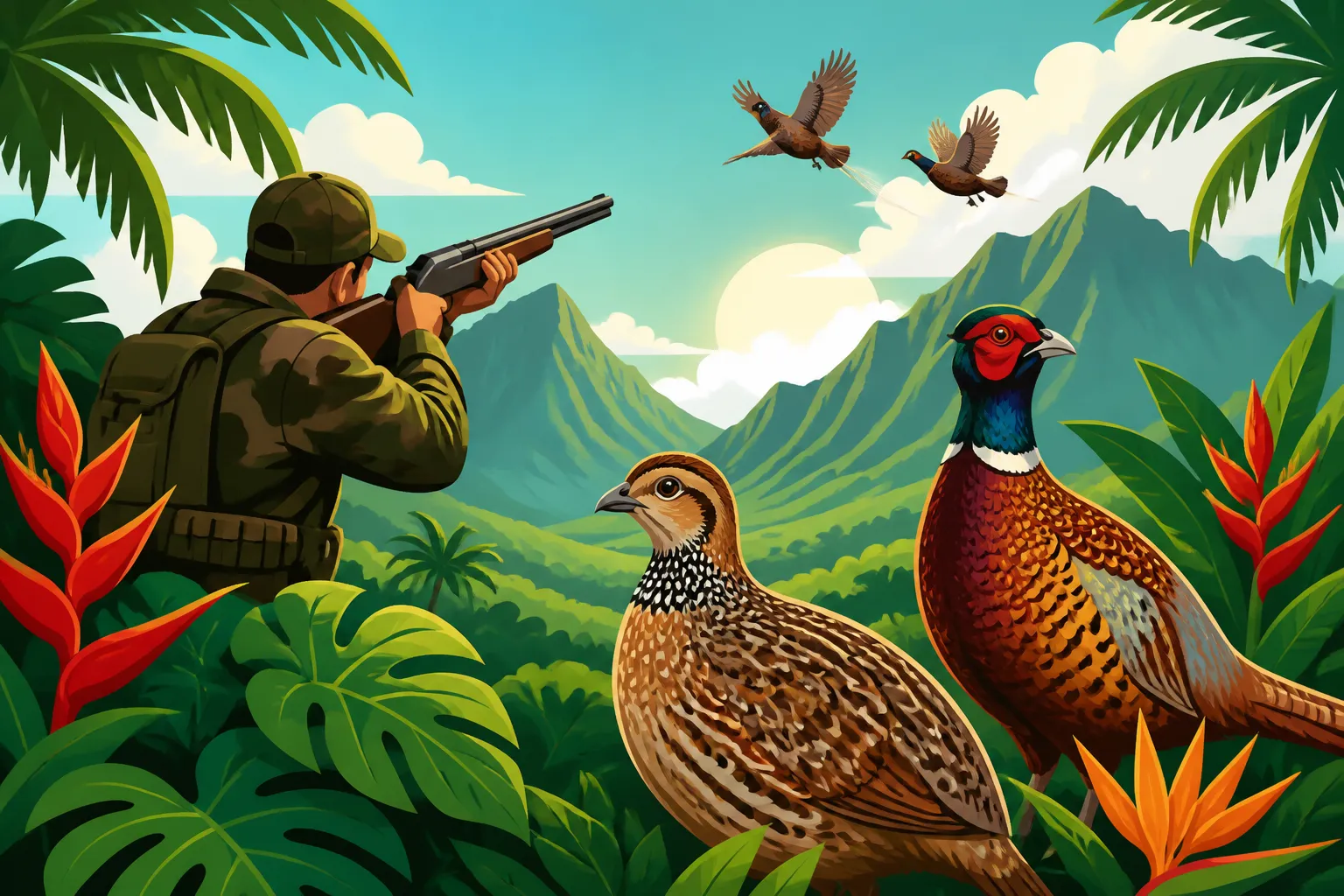
Hawaii's diverse landscapes offer a unique challenge and reward for bird hunters, but it's not like strolling through a cornfield in the Midwest. The frustration often comes from the sheer density of cover, the steepness of the terrain, and the unexpected bursts of speed from birds that have adapted to a wild, untamed environment. This guide is dedicated to helping you unravel the complexities of hunting francolin and pheasant in Hawaii, from understanding the birds themselves to mastering the techniques needed to put them in your game bag.
Understanding Francolin and Pheasant in Hawaii
When you talk about upland bird hunting in Hawaii, francolin and pheasant are often at the top of the list. These aren't native birds, but like many of Hawaii's game animals, they were introduced decades ago and have carved out a niche in various ecological zones across the islands. They're tough, cunning, and will test your mettle, your boots, and your shotgun skills.
The Various Francolin Species
Hawaii is home to a few different species of francolin, each with its own preferred habitat and characteristics. The most common and widely distributed is the Erckel's Francolin, a handsome, larger bird with a distinctive chestnut and gray plumage. You'll often find them in the higher elevations, particularly on the Big Island and parts of Maui, favoring drier, grassy slopes and open forest edges. They're known for their powerful flush and strong flight, making them a challenging target.
Then there's the Gray Francolin, a smaller, more subtly colored bird that tends to stick to lower, drier grasslands and kiawe thickets. They often hold tight, bursting out at your feet, and are incredibly adept at disappearing into sparse cover. On some islands, like Oahu, you might also encounter the Black Francolin, which prefers dense, low-lying vegetation near water sources, often found in agricultural areas or overgrown pastures. Knowing which species you're pursuing can significantly influence your hunting strategy and the type of terrain you focus on. These birds are survivors, and they’ve learned to use the islands’ rugged topography and dense vegetation to their advantage, making for exciting, albeit challenging, hunts.
Hawaii's Pheasant Varieties
Pheasants in Hawaii bring a splash of color and another layer of challenge to the upland bird scene. The most iconic, of course, is the Ring-necked Pheasant, a bird familiar to hunters across the mainland. In Hawaii, they tend to occupy open grasslands, agricultural fringes, and brushy areas at lower to mid-elevations. While their numbers aren't as widespread as on the mainland, pockets of huntable populations exist, particularly on Hawaii Island. They're wary birds that prefer to run before flying, demanding a quick shot once flushed.
The Kalij Pheasant is another beautiful game bird found here, particularly in the wet, dense forests of islands like Kauai, Maui, and the Big Island. These birds are striking, with males often having iridescent blue-black plumage and a distinctive crest. Unlike the Ring-necks, Kalij pheasants are much more at home in thick, often steep, jungle-like environments. They can be incredibly difficult to flush, often preferring to run through the undergrowth, and when they do fly, it's usually a short, explosive burst into the nearest cover. You might also hear whispers of Green Pheasant in some remote areas, though they are much rarer and less commonly encountered by hunters. Hunting Kalij Pheasant in Wet Forest is a truly unique experience, requiring patience and often a good dog.
Their Impact and Management
It's important to remember that all these francolin and pheasant species are introduced, or "feral," animals in Hawaii. While they provide excellent hunting opportunities, they also interact with the unique Hawaiian ecosystem, sometimes impacting native flora and fauna. Because of this, the state's Division of Forestry and Wildlife (DOFAW) manages their populations, often encouraging hunting as a tool for control and recreation. This management ensures sustainable hunting seasons and helps to mitigate potential ecological impacts. Understanding that you're participating in a form of ecological management, while also enjoying the thrill of the hunt, adds another dimension to the experience. Your efforts contribute to keeping these populations in check where they might otherwise overpopulate specific areas.
Where to Find Francolin and Pheasant in Hawaii
Finding these upland birds isn't always straightforward. Hawaii's terrain is incredibly varied, from high-altitude volcanic slopes to dense, humid rainforests, and each bird species has its preferred niche. Knowing where to focus your efforts is half the battle.
Francolin Hotspots by Island
If you're after francolin, particularly Erckel's, the Big Island (Hawaii Island) is often considered a prime destination. The vast slopes of Mauna Kea and Mauna Loa, with their open grasslands, scattered mamane trees, and kiawe brush, are classic Erckel's country. Areas around Puu Anahulu Game Management Area or sections of the Mauna Kea Forest Reserve are known to hold good numbers. These are rugged, high-elevation areas, so be prepared for significant elevation changes and potentially thin air, similar to hunting larger game in these zones. You might also find good populations on Maui, especially in the dryer, upper slopes of Haleakala, like the Kahikinui slopes.
For Gray Francolin, focus on drier, lower elevation areas, often near old agricultural fields or ranchlands. On islands like Oahu, where public land can be more limited, seeking out units that feature this type of habitat is crucial. The key is finding areas with a mix of dense, low cover for hiding and open areas for feeding. Remember to always check the specific unit regulations and access points through the GoHunt Hawaii portal or directly with DOFAW, as these can change.
Prime Pheasant Territories
Pheasant hunting in Hawaii offers a different kind of adventure. For Ring-necked Pheasant, your best bet will again be on Hawaii Island, particularly in areas with a blend of open fields and brushy edges, often near ranchlands or old agricultural plots at mid-elevations. The birds tend to be more wary and will run before flushing, so quiet movement and keen observation are essential.
When it comes to Kalij Pheasant, you'll need to shift your focus to the wetter, denser forests. Kauai, for example, offers excellent Kalij opportunities in its expansive forest reserves, particularly along ridges and in deep gulches. Maui also holds Kalij in its upcountry forest reserves, like Makawao Forest Reserve, where the dense undergrowth provides ideal cover. These environments are a far cry from open fields; expect to push through thick guava, fern, and ginger, making every bird earned. These birds thrive in the kind of habitat that makes Hunting Pigs in Hawaii's Rainforest Gulches such a challenge – dense, steep, and wet.
Identifying Key Habitats and Cover
Regardless of the species, success often hinges on your ability to read the landscape and identify key habitats.
- Tall Grass and Brush: Francolin and Ring-necked Pheasant love areas where tall grasses blend into thicker brush, offering both feeding grounds and escape cover. Look for edges where different types of vegetation meet, or where natural clearings break up denser stands.
- Wet Forest and Gulches: Kalij Pheasant are almost exclusively found in dense, wet forest environments. Focus on the edges of trails, old logging roads, and especially the bottom of steep gulches where water, lush vegetation, and cooler temperatures create ideal conditions. Pay close attention to areas with thick stands of guava, ginger, and ferns – these are their preferred hideouts.
- Water Sources: In drier areas, especially during the hotter months, any reliable water source will act as a magnet for birds. This could be a small spring, a stock pond, or even a damp seep in a gulch. Birds will often be found feeding or loafing nearby, especially early and late in the day.
- Elevation Changes: Don't underestimate the role of elevation. Birds will often move up and down slopes throughout the day, seeking food, water, or cover depending on the sun and wind. Understanding Hawaii's Trade Wind Patterns can also help you anticipate where birds might be seeking shelter or feeding.
Scouting is paramount. Before heading out, study maps – topographic maps are invaluable – and identify promising areas. Look for access roads, natural clearings, and areas where forest types transition. When you're on the ground, look for tracks, droppings, and dusting bowls. These signs will tell you if birds are in the area, even if you don't see them immediately.
Seasons, Licenses, and Regulations
Navigating the rules and requirements for hunting upland birds in Hawaii can feel like a maze, but it's absolutely essential to get it right. From the basic license to specific stamps and unit regulations, knowing the law prevents headaches and ensures a lawful, enjoyable hunt.
Obtaining Your Hawaii Game Bird Stamp and License
Before you even think about stepping into the field, you'll need to secure the proper credentials. Every hunter in Hawaii, resident or nonresident, must possess a valid Hawaii hunting license. Beyond that, if you plan to hunt game birds, you'll also need a separate Hawaii Game Bird Stamp. This stamp is critical and must be purchased in addition to your regular hunting license. Both can typically be acquired online through the GoHunt Hawaii portal, which is a convenient way to handle your paperwork. It's a system designed to fund wildlife conservation efforts, so think of it as your contribution to preserving the very resource you're enjoying. Don't wait until the last minute, as you'll want to ensure all your documents are in order well before your hunt, especially if you're a nonresident and need to fulfill specific Hawaii Hunter Education Requirements.
Season Dates and Bag Limits
Hawaii's game bird seasons generally run from early November through mid-January, but these dates can vary significantly by island and even by specific hunting unit. Most public hunting units for game birds operate on a "weekend only" schedule, meaning hunting is only permitted on Saturdays, Sundays, and certain state holidays. It’s crucial to check the current Hawaii Game Bird Season Dates and Hawaii Game Bird Bag Limits for the specific island and unit you intend to hunt. For instance, the Chukar Daily Bag Limit might differ from how many Francolin You Can Take on a given day. These regulations are subject to change, so always consult the latest DOFAW hunting regulations or the GoHunt Hawaii website before each season.
Bag limits are typically set on a daily basis, and often there's a possession limit as well, which refers to the maximum number of birds you can have on hand at any one time, usually covering a couple of days' worth of hunting. Overlooking these details can lead to fines and a ruined trip, so take the time to understand them thoroughly.
Legal Shotguns and Ammunition
When hunting francolin and pheasant in Hawaii, shotguns are the primary legal weapon. You'll need to adhere to specific rules regarding gauges, shot size, and magazine capacity.
- Gauge: Typically, 10, 12, 16, 20, or .410 gauge shotguns are permitted. The most common choice for upland birds is a 12 or 20 gauge, offering a good balance of power and maneuverability.
- Shot Size: For francolin and pheasant, shot sizes ranging from 6 to 8 are generally recommended. Larger shot, like 4s, might be used for pheasants in denser cover where longer shots might occur, but smaller shot, like 7.5s or 8s, are excellent for francolin. Always check for any specific shot size restrictions that may apply to certain units.
- Non-Toxic Shot: While not universally required for all game birds, it's always a good practice to check if non-toxic shot is mandated in the specific unit you're hunting, especially near water or in sensitive ecological areas. Currently, lead shot is generally permitted for upland game birds in Hawaii, but regulations can change.
- Magazine Capacity: Shotguns must be plugged to a maximum capacity of three shells (one in the chamber, two in the magazine). This is a standard safety and conservation measure across many jurisdictions.
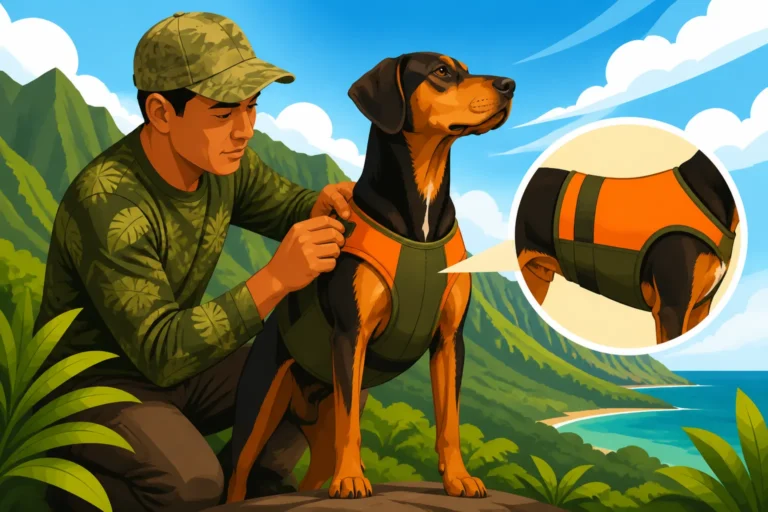
Always ensure your firearm is in good working order and that you are familiar with its operation. Given the often dense and uneven terrain, Hawaii Blaze Orange and Safety Rules should always be at the forefront of your mind. Wearing blaze orange is not just a suggestion; it's a critical safety measure, particularly when hunting with multiple people or dogs in thick cover.
Effective Hunting Methods and Strategies
Hunting francolin and pheasant in Hawaii isn't a sit-and-wait kind of game. It's an active, physically demanding pursuit that often involves covering a lot of ground in challenging conditions. Success comes from understanding bird behavior, mastering your technique, and knowing when to adjust your approach.
Walk-Up and Flushing Techniques
For many hunters, the primary method for francolin and pheasant will be walk-up hunting, often referred to as "still-hunting" or "pushing cover." This involves slowly and deliberately walking through prime habitat, attempting to flush birds into the air for a shot.
- Slow and Steady: Rushing through cover is a common mistake. These birds are experts at holding tight, and you'll often walk right past them if you're moving too fast. Take a few steps, pause, and listen. Scan the ground ahead for any subtle movement. Birds will often flush when they feel pressured or when you pause, making them think you've spotted them.
- Working Edges: Focus on the "edges" – where two types of cover meet, like a grassy field next to a kiawe thicket, or a forest line bordering a clearing. Birds use these transition zones for feeding and quick escapes.
- Contouring and Gulches: In Hawaii's steep terrain, don't be afraid to contour along hillsides or work your way up and down gulches. Birds will often congregate in these natural depressions, finding both food and protection from the wind. When hunting Kalij Pheasant in the dense wet forests, working the bottom of a gulch can be incredibly productive, as they often stick to the darkest, thickest parts.
- Wind Direction: Always try to hunt into the wind. This allows your scent to be carried behind you, minimizing the chances of birds smelling you before you get close. It also helps with dog work, as the dog can pick up scent more effectively.
- Staying Prepared: These flushes are often explosive and unexpected. Keep your gun shouldered or in a ready position, and be prepared to react quickly. A bird bursting out of thick guava at your feet can be startling, but a quick, decisive shot is often the key. This applies to both francolin and pheasant, though the speed of the flush can vary by species and cover density.
The Role of Bird Dogs
For many upland bird hunters, a good bird dog is an indispensable partner, and Hawaii is no exception. Dogs can dramatically increase your success rate and make the hunt far more enjoyable.
- Flushing Dogs (e.g., Spaniels, Labs): Breeds like Springer Spaniels or Labrador Retrievers are excellent for busting through thick cover and flushing birds. Their drive and scenting ability allow them to find birds that you might walk right past. They excel in the dense kiawe or guava thickets where birds love to hide.
- Pointing Dogs (e.g., Pointers, Setters, Brittanys): If you prefer a more traditional upland hunting experience, a pointing dog can be incredibly effective. They will "point" a bird, freezing in position to indicate the bird's location, allowing you to walk in and prepare for the flush. This is especially useful for wary birds like Ring-necked Pheasants that prefer to run.
- Working in Teams: Hunting with a dog requires communication and teamwork. Your dog needs to understand commands and work within your range. In thick Hawaiian cover, a dog's bell or a GPS collar can be invaluable for keeping track of them.
- Training and Fitness: Your dog needs to be in excellent physical condition to handle Hawaii's often hot, humid, and rugged terrain. Just like you, they need plenty of water and breaks. Training Pig Dogs in Hawaii gives you a sense of the kind of dedication needed for canine partners in this environment.
- Specific Units: Not all units allow dog hunting, so always check the specific regulations for the area you plan to hunt. Some units may have restrictions on the number of dogs or require specific permits. For a deeper dive into hunting with canines, check out our guide on Using a Bird Dog in Hawaii Terrain.
Reading Sign and Scouting Tips
Being a good hunter means being a good detective. Birds leave clues, and learning to read them can significantly improve your chances of success.
- Tracks: Look for distinct bird tracks in dusty areas, mud, or along trails. Francolin tracks are often smaller and more delicate than pheasant tracks.
- Droppings: Bird droppings can indicate recent activity. Fresh droppings are usually moist and shiny, while older droppings are dry and faded.
- Dusting Bowls: Birds often create small, shallow depressions in dusty or sandy soil where they take "dust baths" to clean their feathers and deter parasites. Finding these is a clear sign that birds are in the immediate vicinity.
- Feeding Areas: Look for scratched-up ground, disturbed leaf litter, or evidence of birds feeding on seeds, berries, or insects. These areas indicate where birds are actively foraging.
- Listening: Pay attention to bird calls. Francolin often have distinct, somewhat raspy calls, while pheasants might let out a crowing sound, especially at dawn or dusk. Learning their calls can help you locate them from a distance.
- Pre-Season Reconnaissance: If possible, scout the area before the season opens. Walking the unit, even without a gun, allows you to learn the terrain, identify likely cover, and locate fresh sign. This can save you valuable hunting time once the season begins. Utilizing resources like the OuterSpatial app, as mentioned in Using the OuterSpatial App to Check In, can also help with mapping and understanding unit boundaries during your scouting trips.
By combining careful scouting with effective walk-up techniques and the invaluable assistance of a well-trained dog, you can significantly increase your odds of a successful francolin and pheasant hunt in Hawaii.
Gear and Preparation for a Hawaii Upland Bird Hunt
Hawaii's unique environment demands specific gear and thoughtful preparation. The islands offer a mix of arid, rocky terrain and dense, wet jungle, often within the same hunting unit. Coming unprepared can quickly turn a fun hunt into a miserable, even dangerous, experience.
Footwear and Clothing for Diverse Terrain
Your feet are your most important tools when upland hunting, especially in Hawaii. Investing in high-quality, comfortable, and durable footwear is non-negotiable.
- Boots: You'll need sturdy, ankle-supporting boots with excellent traction. Waterproofing is a huge plus, particularly if you're hunting Kalij Pheasant in the wet, muddy forest environments. Look for features like stiff soles to protect your feet from sharp lava rock and uneven ground, and good ventilation to manage the heat. Boots suitable for Walking Rough Lava Without Wrecking Your Boots are ideal. Break them in well before your trip to avoid blisters.
- Socks: High-quality wool or synthetic moisture-wicking socks are crucial. Bring multiple pairs and change them throughout the day if your feet get wet to prevent blisters and discomfort.
- Pants: Durable, thorn-resistant pants are a must. You'll be pushing through thick, often thorny vegetation like kiawe, lantana, and guava. Canvas, briar-proof, or heavy-duty synthetic pants will protect your legs from scratches and punctures. Lightweight but tough materials are key for comfort in the heat.
- Shirts: Opt for breathable, moisture-wicking long-sleeved shirts to protect you from the sun and brush. Avoid cotton, as it retains moisture and can chafe. Layering is always a good idea, even in Hawaii, as temperatures can drop at higher elevations or in shaded gulches.
- Outerwear: A lightweight, packable rain jacket is essential, especially if hunting on the windward (wet) sides of the islands or in the mountains. Hawaii weather can change rapidly, with sudden downpours.
- Blaze Orange: As mentioned before, Hawaii Blaze Orange Requirements are important. A blaze orange vest or hat is a critical safety item, making you visible to other hunters and helping you locate your partners in thick cover.
Ammunition and Shotgun Considerations
Your shotgun is your primary tool, and selecting the right ammunition can make a significant difference in your success.
- Shotgun Choice: A lightweight, fast-handling shotgun is often preferred for upland hunting, where shots are frequently quick and at close to medium range. Over/unders, side-by-sides, and semi-automatics in 12 or 20 gauge are popular choices. Ensure your shotgun is clean and well-maintained.
- Ammunition: Bring plenty of ammunition. It's better to have too much than too little. For francolin, 7.5 or 8 shot is often perfect, while for pheasants, 6 shot offers a bit more punch for larger birds and potentially longer shots. Carry shells in a vest or belt that allows for easy access and organization.
- Choke Selection: A modified or improved cylinder choke is generally versatile for upland birds. This allows for a good spread at typical flushing distances without blowing the pattern too quickly. In extremely dense cover, an open choke might be beneficial, while in more open country, a tighter choke could extend your effective range.
- Gun Sling: A comfortable sling is crucial for carrying your shotgun over long distances and through rough terrain. It frees up your hands for navigating obstacles and helps reduce fatigue.
Hydration and Safety Essentials
Hawaii's heat and humidity, combined with strenuous hiking, make hydration and safety paramount.
- Water, Water, Water: This cannot be stressed enough. Carry more water than you think you'll need. Dehydration can set in quickly in Hawaii's climate. A hydration pack or multiple water bottles are essential. Electrolyte supplements can also be beneficial.
- Snacks: High-energy snacks like granola bars, nuts, or dried fruit will keep your energy levels up throughout the day.
- First Aid Kit: A compact first aid kit with basics like band-aids, antiseptic wipes, pain relievers, blister treatment, and any personal medications is crucial. Given the sharp rocks and dense brush, minor cuts and scrapes are common.
- Navigation: Don't rely solely on your phone. Cell signal on a Hawaii hunt can be spotty, especially in remote areas or deep gulches. A reliable GPS device or a topographic map and compass are highly recommended. Know how to use them. The OuterSpatial app, as referenced in No Cell Signal on a Hawaii Hunt, is a good digital tool, but a physical backup is always wise.
- Headlamp/Flashlight: Even if you plan to be back before dark, unforeseen circumstances can delay you. A headlamp ensures you can navigate safely if caught out after sunset.
- Knife: A good sharp knife is always useful for various tasks, from cutting rope to field dressing.
- Communication: A fully charged cell phone (if service is expected), or even a satellite messenger/SPOT device for truly remote areas, can be a lifesaver in an emergency.
- Sun Protection: Sunscreen, a wide-brimmed hat, and sunglasses are vital to protect against Hawaii's intense sun.
Proper preparation ensures that you can focus on the hunt itself, rather than battling discomfort or dealing with preventable issues.
Field Care and Handling Your Harvest
Congratulations, you've successfully brought down a francolin or pheasant in Hawaii! The work isn't over yet. Proper field care is crucial, especially in the islands' warm and humid climate, to ensure your hard-earned game meat is delicious and safe to eat.
Quick Cooling in Hawaii's Climate
Unlike hunting in cooler climates, Hawaii's ambient temperatures mean meat can spoil rapidly if not handled correctly and quickly.
- Immediate Field Dressing: As soon as you retrieve your bird, the first step is to gut it. Remove the entrails promptly. This helps the carcass cool down from the inside out and removes a significant source of bacteria. For small birds like francolin, this is a quick process. For pheasants, it's similar to other game birds.
- Air Circulation: Once gutted, try to get air circulating around the bird as much as possible. If you're carrying a game bag, ensure it's breathable. Avoid piling birds in a solid bag where heat can build up. If possible, hang them in the shade to cool while you continue hunting.
- Cooler Management: Have a cooler ready back at your vehicle. Fill it generously with ice. Once you're done hunting for the day, place your field-dressed birds directly on ice. Don't just toss them in a warm cooler; they need to be actively cooled down to stop bacterial growth. Consider pre-chilling your cooler with ice water if you have a long drive ahead. This is a critical step, much like the advice in Cooling Meat Fast on a Hawaii Hunt for larger game.
- Avoid Direct Sunlight: Never leave birds exposed to direct sunlight, even for a short time. Even a few minutes in the tropical sun can begin to degrade the meat.
Field Dressing for Transport
Proper field dressing ensures the meat stays clean and is easier to transport, whether you're heading straight home or taking it to a processor.
- Plucking vs. Skinning: For game birds, most hunters prefer to pluck them, as the skin adds flavor and protects the meat during cooking. However, plucking can be messy and time-consuming in the field. If you're planning to process them quickly at home, carrying them out with feathers on is fine. If you're short on time or space, skinning and breasting out the birds (just taking the breast meat) is also an option, though you'll miss out on the leg meat.
- Cleaning the Cavity: After gutting, wipe out the body cavity with a clean cloth or paper towel to remove any blood or debris. Avoid using water inside the cavity unless you can thoroughly dry it, as moisture can promote bacterial growth.
- Secure Transport: Once cooled, place your birds in clean plastic bags or game bags to keep them separate from melting ice and to prevent cross-contamination in your cooler. Ensure they are packed snugly on ice.
Transporting Birds Between Islands
If you're hunting on one island and plan to fly back to another, or back to the mainland, there are specific agricultural regulations to be aware of.
- Agricultural Inspections: Hawaii has strict agricultural inspection rules to prevent the spread of pests and diseases. When transporting any organic material, including game meat, between islands or to the mainland, you'll likely need to declare it. Always be prepared for inspection by agricultural officials at the airport.
- Packaging: For inter-island travel or flying home with game meat, birds should be thoroughly cleaned, preferably plucked or skinned, and frozen solid. Pack them in a well-insulated cooler or shipping container designed to keep them frozen for the duration of your journey. Dry ice can be a good option for longer trips, but be aware of airline regulations regarding dry ice.
- Documentation: Keep your hunting license, game bird stamp, and any check-in/check-out documentation for the hunting unit readily accessible. While not always required for small game birds, having proof of legal harvest can prevent complications.
- Airline Rules: Before flying, check with your airline about their specific policies for transporting frozen game meat. They often have rules regarding cooler size, weight, and how frozen items must be packaged. Knowing Shipping Game Meat Between Hawaii Islands or Flying Home With Game Meat From Hawaii regulations ahead of time will save you a lot of hassle at the airport.
Proper field care and attention to transport regulations ensure that your hard-earned francolin and pheasant can be enjoyed at your dinner table, a delicious memory of your Hawaiian hunting adventure.
Disclaimer
Please be aware that hunting regulations in Hawaii can change. It is your responsibility to consult the latest official Hawaii Department of Land and Natural Resources (DLNR) Division of Forestry and Wildlife (DOFAW) regulations and obtain all necessary licenses and permits before engaging in any hunting activity. This guide is for informational purposes only and should not be considered a substitute for official legal advice or current regulations. Always prioritize safety and ethical hunting practices.