How Many Francolin You Can Take
Hunting Hawaii's game birds can be an incredible experience, but trying to navigate the ever-changing rules and bag limits for specific species like francolin can feel like trying to find a needle in a haystack. It's frustrating to plan a hunt, only to be unsure if you're even legally allowed to take home what you've harvested. This comprehensive guide is here to cut through the confusion, clearly outlining the francolin bag limits in Hawaii and providing essential information to ensure your hunt is both successful and compliant.
Understanding Hawaii's Game Bird Bag Limits for Francolin
When it comes to hunting francolin in Hawaii, understanding the specific bag limits is paramount. These limits are set by the Hawaii Department of Land and Natural Resources (DLNR) Division of Forestry and Wildlife (DOFAW) to manage game bird populations, ensure sustainable hunting, and protect these introduced species from overharvest. It's not just about knowing a number; it's about understanding the system that number fits into.
The Daily and Season Bag Limits for Francolin
Hawaii's hunting regulations typically distinguish between daily bag limits and possession limits. For francolin, which includes Erckel's, Gray, and Black Francolin, the general statewide daily bag limit is typically set at three (3) birds of any francolin species combined. This means that regardless of whether you harvest one Erckel's, one Gray, and one Black, or three Erckel's, your daily total cannot exceed three francolin. The possession limit usually mirrors the daily bag limit, meaning you can't have more than three francolin in your possession at any given time, whether fresh or processed, unless specifically noted otherwise in special circumstances.
It's crucial to understand that these limits are firm. There's no "if you're lucky" clause; once you've reached your daily limit, you're done hunting francolin for that day. This regulation helps distribute hunting pressure across the population and ensures that enough birds remain to sustain future seasons. Always double-check the current year's hunting regulations booklet, which you can often find online through the DOFAW website or the GoHunt Hawaii portal, as these rules can occasionally be adjusted based on population surveys or environmental factors.
Why Bag Limits Matter for Sustainable Hunting
Bag limits aren't just arbitrary rules designed to make your life harder; they are a critical tool for wildlife management. Francolin, while not native to Hawaii, have established populations that need careful oversight. Without bag limits, it would be far too easy for a small number of hunters to overharvest a localized population, leading to declines in bird numbers and potentially even local extinctions.
Consider a scenario in a specific unit, say the Pohakuloa Training Area on Hawaii Island, where Erckel's Francolin are present. If there were no limits, a few highly skilled or persistent hunters could significantly reduce the local population within a few weekends. This would impact not only other hunters but also the ecological balance of the area, as francolin play a role in seed dispersal and insect control. By setting a daily limit of three birds, DOFAW ensures that more hunters have an opportunity, and the population has a better chance to reproduce and thrive. It's all about balancing recreational opportunity with ecological responsibility, a cornerstone of Hawaii's conservation efforts.
Identifying the Francolin Species You'll Encounter
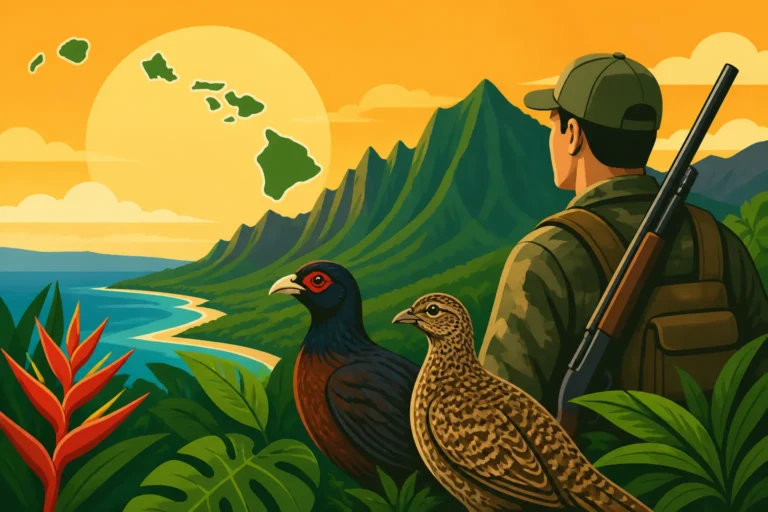
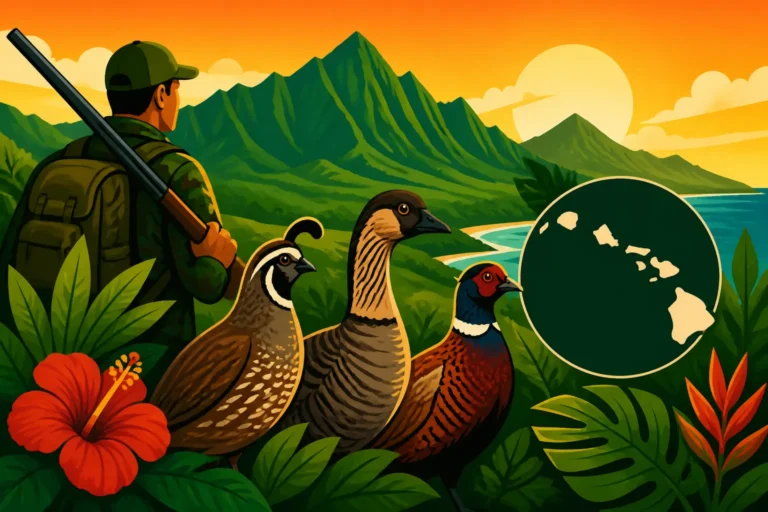
Before you can even think about how many francolin you can take, it helps to know which francolin you're even looking for! Hawaii is home to three distinct species of francolin, each with its own characteristics and preferred habitats. While the bag limit is generally combined for all francolin species, knowing what you're seeing can enhance your hunting experience and help you target specific areas.
Erckel's Francolin: The Upland Challenger
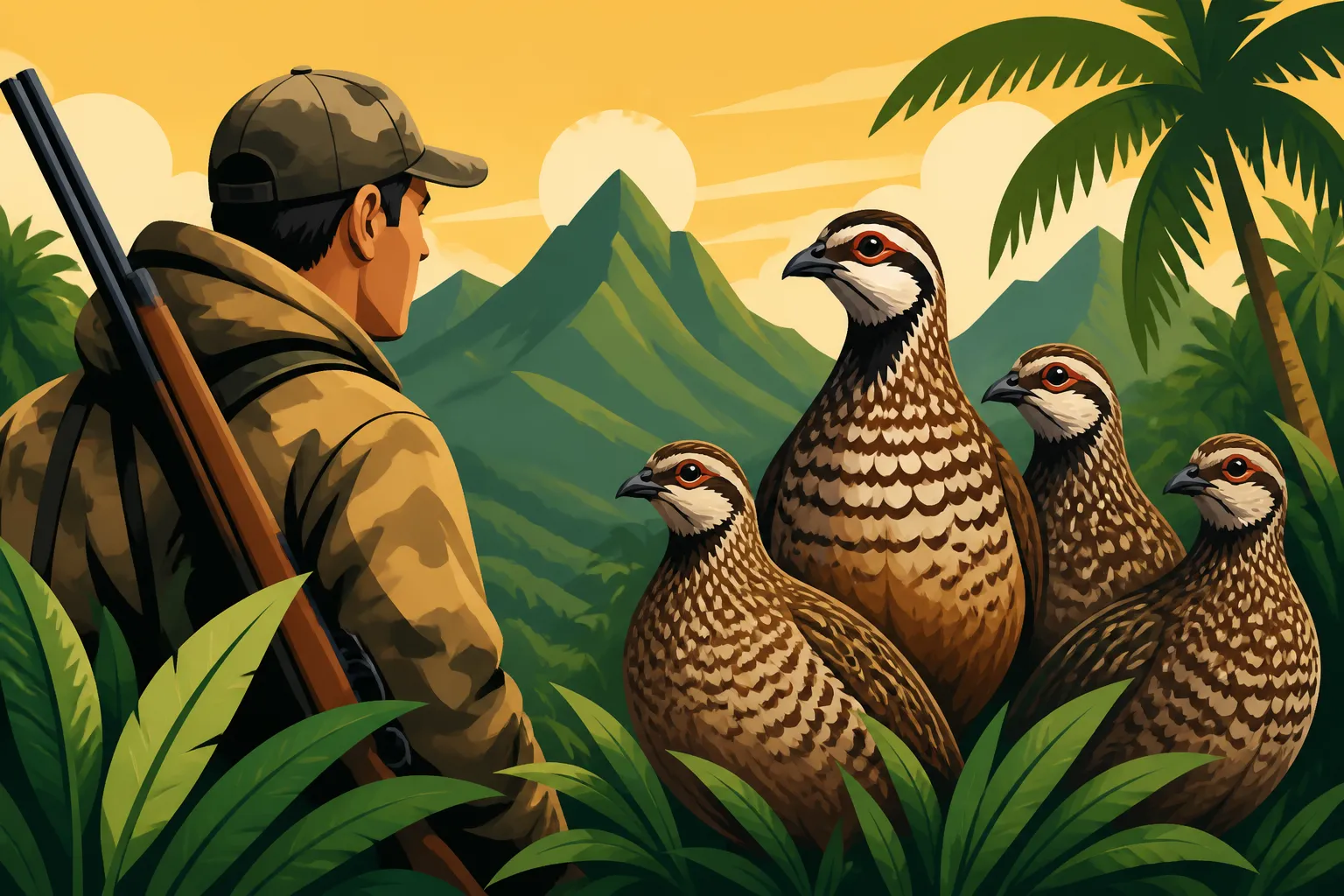
Erckel's Francolin are perhaps the most striking of the Hawaiian francolin species, known for their bold chestnut and white plumage, distinctive head patterns, and the "Erckel's" call they often emit. These birds typically weigh between 1.5 to 2.5 pounds, offering a good amount of meat for the table.
You'll primarily find Erckel's Francolin in the higher, drier uplands and open forest areas, particularly on the Big Island. Think of places like the slopes of Mauna Kea or in the Puu Waawaa Wildlife Sanctuary, often around scattered kiawe, 'a'ali'i, and mamane trees. They are incredibly wary birds, often preferring to run or fly downhill at high speed when flushed. This makes for a challenging hunt, often requiring keen eyesight and quick reflexes. Their diet consists of seeds, insects, and plant matter found in these drier environments. To learn more about them, check out our guide on what Erckel's Francolin Looks Like.
Gray and Black Francolin: The Mid-Elevation Residents
The Gray Francolin and Black Francolin, while distinct, often share similar mid-elevation habitats, especially where open grasslands meet denser brush or agricultural areas.
- Gray Francolin: These are smaller, more subtly colored birds, with a predominantly gray-brown plumage, finely barred flanks, and a prominent chestnut patch on the throat. They are often found in open grassy areas, pastures, and agricultural fringes, particularly on Maui and parts of Hawaii Island. They tend to be less prone to flushing than Erckel's and might hold tighter for a bird dog, making them a popular target for those hunting with canine companions.
- Black Francolin: The male Black Francolin is easily identifiable by its glossy black plumage, white cheek patches, and a chestnut collar, while the females are more cryptically patterned with brown and buff. These birds prefer denser cover along streambeds, irrigation ditches, and agricultural fields, often near sugar cane or macadamia nut orchards, where they can find both food and concealment. You might encounter them on Kauai, Maui, and Hawaii Island, often in areas with tall grass and thorny thickets. Their tendency to stick to heavy cover makes for an exciting, close-quarters hunt. For more detailed habitat information, consult Where Gray and Black Francolin Live.
Understanding these differences not only helps you identify your quarry but also informs your hunting strategy, allowing you to focus on specific habitats where each species is most likely to be found.
Planning Your Francolin Hunt: Seasons, Units, and Permits
Knowing the bag limits is just one piece of the puzzle. To successfully hunt francolin, you need to understand the larger framework of Hawaii's hunting seasons, specific units where they can be found, and the permit requirements that govern access.
General Game Bird Seasons and Open Units
Hawaii's game bird season usually runs from early November through mid-January, primarily on weekends and state holidays. However, specific opening and closing dates, as well as the particular units that are open for bird hunting, can vary annually and by island. For instance, you might find birds in the open areas of Unit A on Mauna Kea on Hawaii Island, or in specific sections of the Kula Forest Reserve on Maui.
It is absolutely essential to consult the most current hunting regulations issued by DOFAW each year. These regulations will detail the specific dates for Hawaii Game Bird Seasons and Bag Limits, the legal hunting hours, and list all the open units. You can usually access these online through the DOFAW website or the GoHunt Hawaii platform, which is also where you'll manage your hunting license and any required permits. Never rely on outdated information, as seasons and units can change due to various factors like drought, fire danger, or management decisions.
License and Permit Requirements for Francolin Hunting
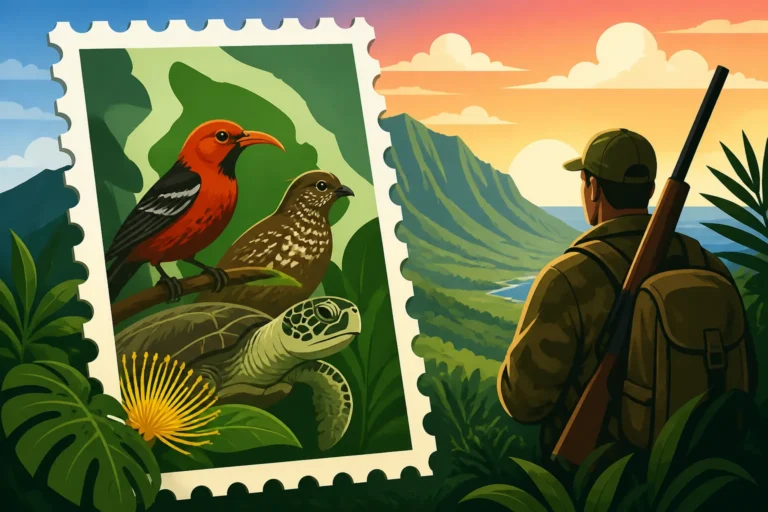
To hunt any game animal in Hawaii, including francolin, you'll first need a valid Hawaii hunting license. For game birds, you'll also need to purchase a Hawaii Game Bird Stamp. Residents and non-residents have different fee structures, so it's important to understand Hawaii Hunting Licenses and What They Cost. You can purchase both your license and stamp easily through the GoHunt Hawaii system, either online or at authorized vendors. It's always a good idea to complete this process well in advance of your hunt.
Beyond the general license and stamp, some specific hunting units may require a special permit or a check-in/check-out procedure. For example, some Game Management Areas (GMAs) or Forest Reserves might require you to obtain a free entry permit or to sign in and out at a designated hunter check station. Always review the rules for Hawaii's Hunting Units and How They Work, as outlined in the annual regulations for the specific unit you plan to hunt. Using tools like the OuterSpatial app, as mentioned in Checking In and Out of Hawaii Hunting Units, can often streamline this process by allowing digital check-ins for participating units. Failing to follow these permit and check-in procedures can result in fines or loss of hunting privileges, so it's not something to take lightly.
Maximizing Your Francolin Opportunities Within the Limits
Now that you understand the bag limits, species, and regulatory framework, let's talk about how to make the most of your francolin hunt, ensuring you have a productive day afield while staying within the legal parameters.
Effective Hunting Techniques for Francolin
Francolin hunting in Hawaii can be a fast-paced and exhilarating experience. These birds are quick and smart, making them a worthy challenge.
- Walk-Up/Stalking: For hunters without dogs, walk-up hunting is common. This involves slowly and quietly walking through suitable cover, keeping your eyes peeled for flushing birds. Francolin will often hold tight in dense vegetation like tall grass, kiawe thickets, or guava patches. A common tactic is to walk parallel to natural cover breaks, like the edge of a field or a dry streambed. Be ready; when they flush, they do so with explosive speed! This method is often combined with still-hunting, moving slowly and pausing frequently to listen and scan.
- Hunting With Dogs: This is arguably the most effective and enjoyable way to hunt francolin. A good bird dog, especially a pointing or flushing breed, can dramatically increase your success rate. Dogs can scent birds that you would otherwise walk right past, holding them on point or flushing them within shotgun range. In the often-thick Hawaiian terrain, a dog's ability to locate birds and retrieve them from difficult cover is invaluable. Our guide on Using a Bird Dog in Hawaii Terrain can offer more insights into this method. Ensure your dog is well-trained and conditioned for the heat and rough ground, and always be mindful of Hawaii Dog Hunting Rules.
- Shotgun Selection and Chokes: A 12-gauge or 20-gauge shotgun is typically ideal for francolin. Open chokes like Improved Cylinder or Modified are usually sufficient for the close-to-medium range shots you'll get on flushing birds. Using smaller shot sizes, such as 6 or 7.5, will give you a dense pattern suitable for these fast-moving birds. Remember to always use non-toxic shot in certain areas or when hunting over water, so always check the specific unit regulations.
Field Care and Transportation After the Harvest
Once you've successfully harvested your francolin and stayed within the daily bag limit, proper field care is essential, especially in Hawaii's warm climate.
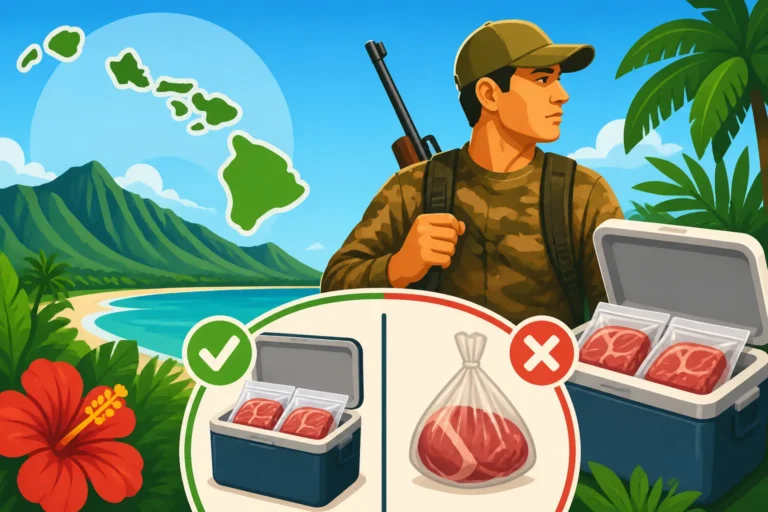
- Cooling Your Birds: The tropical heat and humidity can quickly spoil game meat. As soon as possible after the shot, field dress your birds. This involves removing the entrails to allow the body cavity to cool. If you can, pack the birds on ice or get them into a cooler quickly. A small soft-sided cooler with ice packs is an invaluable piece of gear for any Hawaii bird hunt. Check out our advice on Field Care in Hawaii's Heat and Humidity for more detailed tips.
- Transporting Your Harvest: When transporting your francolin, ensure they are kept cool and clean. If you plan to travel between islands with game meat, be aware of agricultural inspection rules and potentially specific packaging requirements. While local transport is usually straightforward, interstate or international travel has much stricter regulations regarding game meat. It's a good practice to keep one wing attached to the bird, especially if you're traveling away from the immediate hunting area, as this can help wildlife officers verify species and compliance with bag limits.
Remember, the goal is not just to take your limit, but to make the most of each bird you harvest, respecting the resource and enjoying the delicious reward of your efforts. For further reading on strategies for game birds, check out Hunting Francolin and Pheasant in Hawaii.
Hawaii Game Bird Bag Limits at a Glance
To quickly summarize the key bag limits for francolin and other popular game birds in Hawaii, here's a helpful table. Always refer to the current year's official DOFAW regulations for the most up-to-date and specific information, as these are general guidelines.
| Species | Daily Bag Limit (Statewide) | Possession Limit (Statewide) | Typical Habitat | Key Islands Found On |
|---|---|---|---|---|
| Francolin (Combined) | 3 | 3 | Uplands, grasslands, agricultural fringes, dense cover | Hawaii Island, Maui, Kauai, Molokai |
| Chukar Partridge | 3 | 3 | Dry, rocky uplands, high elevation | Hawaii Island |
| Pheasant (Combined) | 2 | 2 | Open fields, dense brush, forest edges | Hawaii Island, Maui, Kauai |
| California Quail | 10 | 10 | Dry uplands, shrublands, grasslands | Hawaii Island, Maui |
| Japanese Quail | 10 | 10 | Open grasslands, agricultural areas | Hawaii Island, Maui, Kauai |
| Doves (Combined) | 15 | 15 | Agricultural fields, pastures, open woodlands | All major islands |
Note: Bag and possession limits are subject to change annually. Always consult the current year's Hawaii Hunting Regulations booklet.
Disclaimer
The information provided in this guide is for general informational purposes only and is subject to change. Hunting regulations in Hawaii are complex and can vary by island, unit, and season. It is the sole responsibility of the hunter to review and comply with all current Hawaii Department of Land and Natural Resources (DLNR) Division of Forestry and Wildlife (DOFAW) hunting regulations before engaging in any hunting activity. Always confirm season dates, bag limits, legal weapons, and access requirements directly with official DOFAW sources.