Hunting Haleakala’s Leeward Slopes
Hunting Haleakala’s leeward slopes requires preparing for rugged volcanic terrain, arid heat, access challenges, and sparse water sources.
Find ground you can hunt.
National forest, BLM, and state land — WMAs, walk-in programs, unit boundaries, access rules, and how to get permission on private ground.
Hunting Haleakala’s leeward slopes requires preparing for rugged volcanic terrain, arid heat, access challenges, and sparse water sources.

West Maui Forest Reserve hunting details include steep volcanic terrain, fickle trade wind weather, feral pigs, and feral goats.
Maui axis deer and feral goat hunting in the rugged Kanaio lava terrain requires navigating dry forests and managing GoHunt permits.

Makawao Forest Reserve hunting requires navigating elevations from 2,000 to 5,000 feet, dense vegetation, and feral pig populations.
Hunting Kula Forest Reserve and Polipoli involves navigating Maui terrain and regulations to find pigs, goats, and birds.
Maui Kahikinui hunting terrain, axis deer habits, feral goats, and Highway 31 access points explained for public land trips.
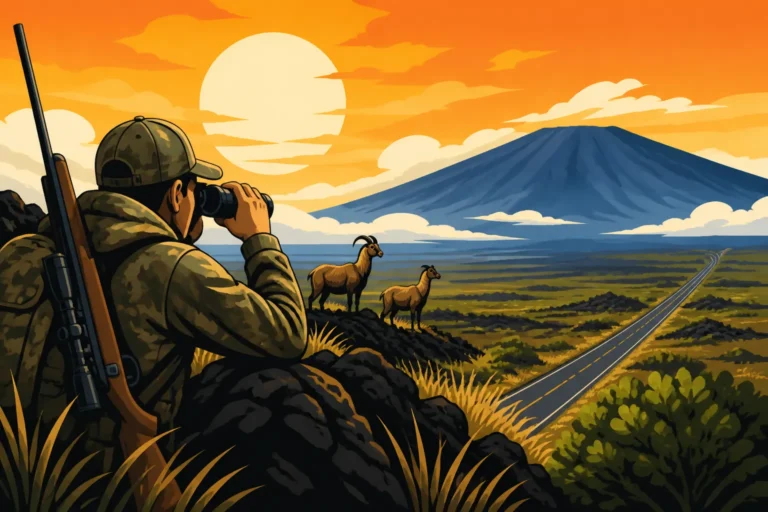
Hunting Hawaii Saddle Road country presents high elevation challenges, rugged volcanic terrain, and unpredictable weather patterns for big game hunters.
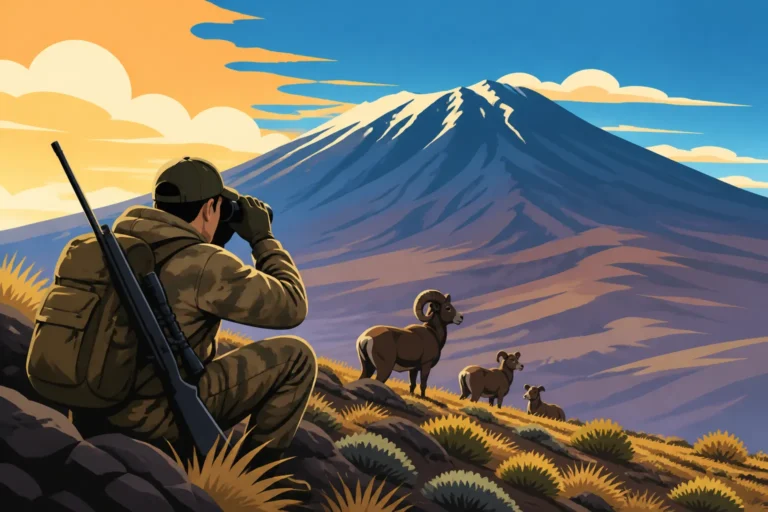
Mauna Loa upper slopes hunting challenges include thin air, jagged lava flows, and extreme weather for Mouflon sheep pursuit.
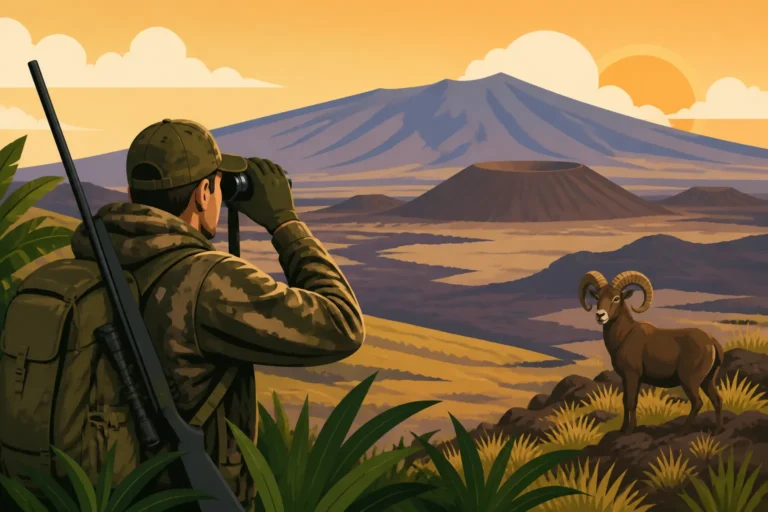
Pohakuloa Training Area boundaries and adjacent public hunting units shape game movement for hunters across Hawaii Island.

Manuka Natural Area Reserve on Hawaii Island allows hunting for feral pigs and goats to protect native forests and ecosystems.