Donating Meat You Cannot Take Home
Hawaii game meat donation methods help visiting hunters responsibly share excess venison and feral pig harvest safely.
Book the hunt, not the brochure.
Guided, semi-guided, and drop-camp options, which outfitters work which units, guide licensing requirements, booking timelines, and what a deposit actually covers.
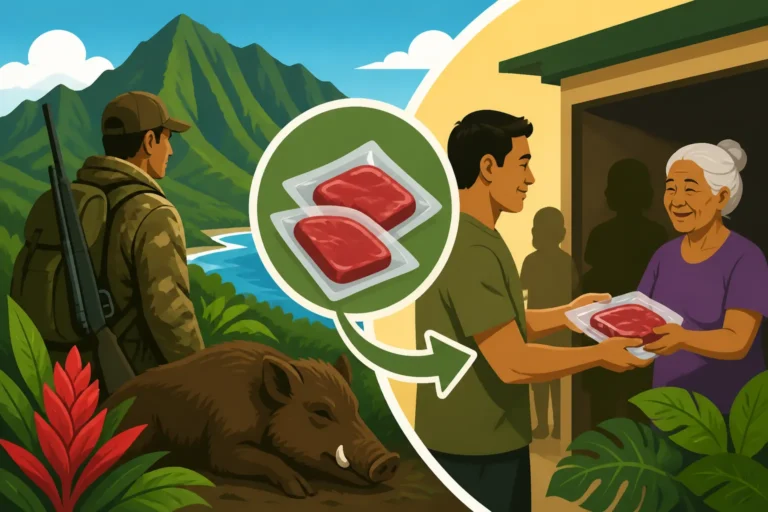
Hawaii game meat donation methods help visiting hunters responsibly share excess venison and feral pig harvest safely.
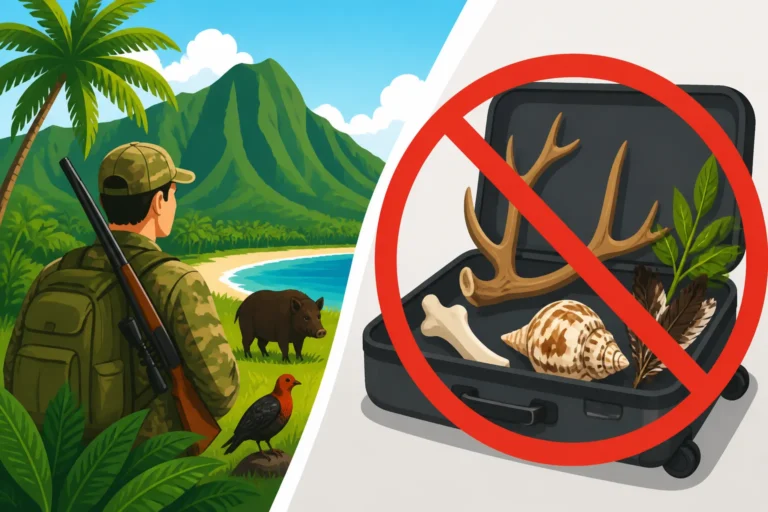
Hawaii agricultural regulations restrict bringing raw game meat, plants, and soil home from hunting trips on the islands.
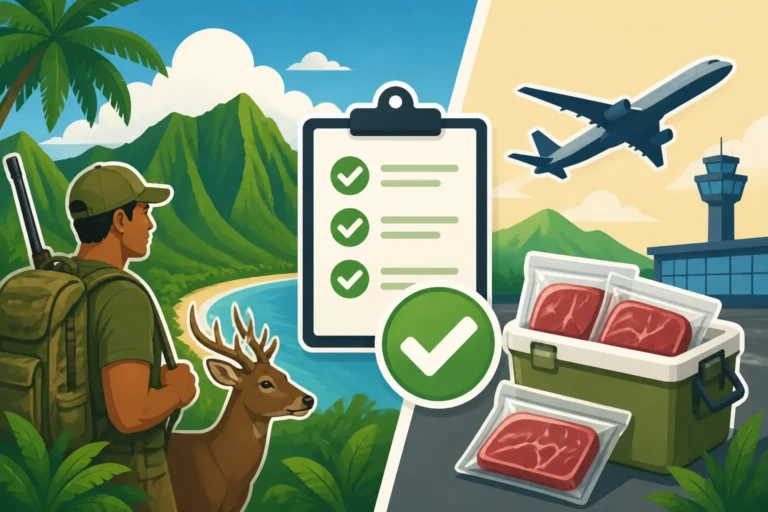
Agricultural rules for transporting wild game meat from Hawaii explain inter island and mainland travel requirements.
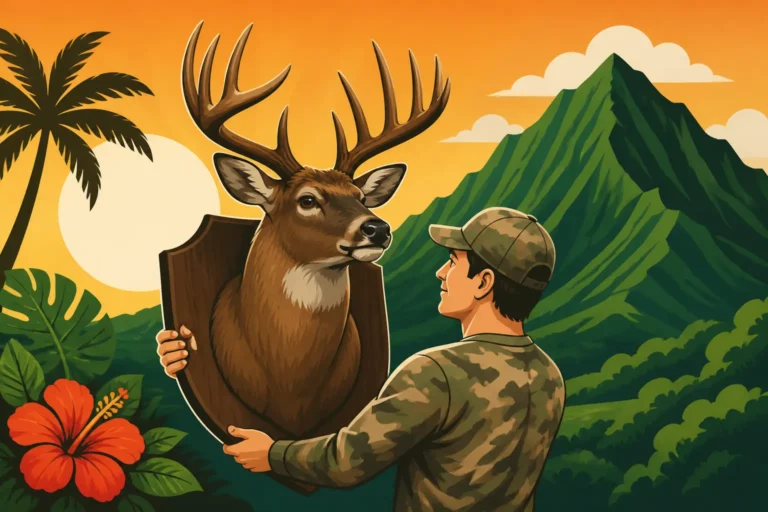
European deer and ram hunting in Hawaii requires fast field care to prevent bacterial damage to skulls in a hot climate.
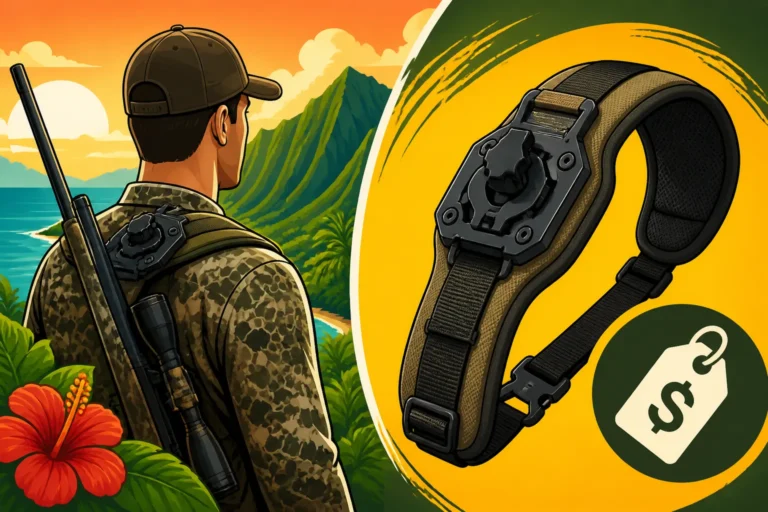
Axis deer shoulder mount costs and the various taxidermy pricing factors help hunters budget wisely for trophies.
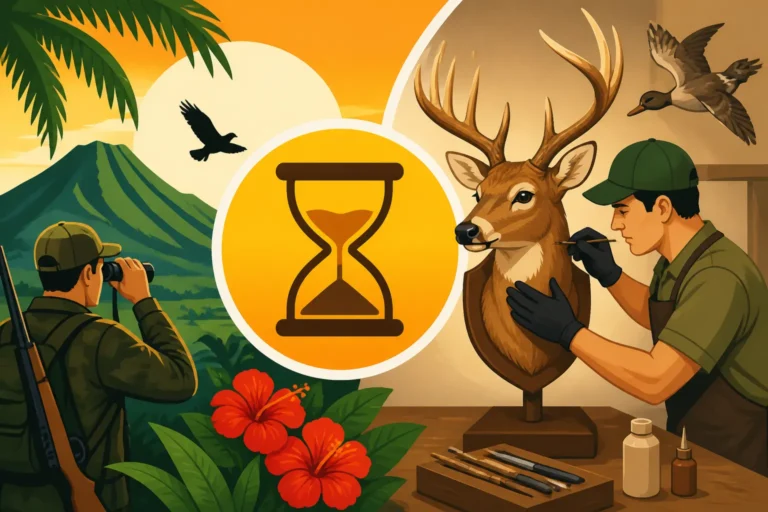
Hawaii taxidermists and their wait times, plus tropical climate challenges, species care details, and trophy transport logistics.
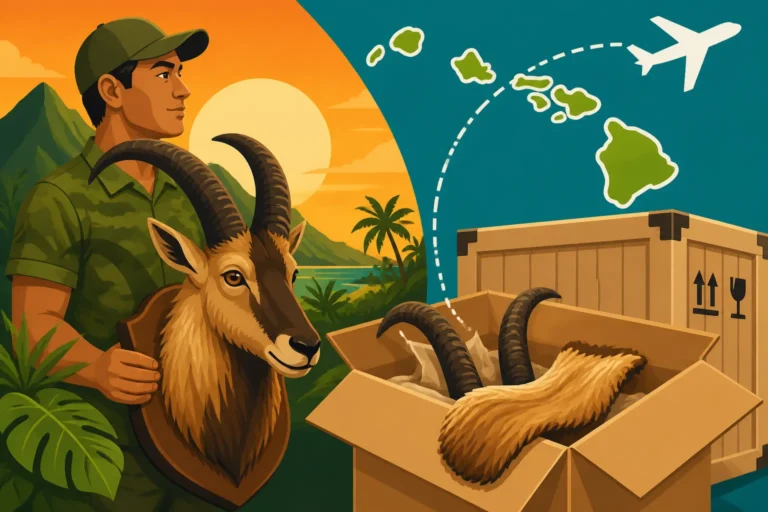
Hawaii hunting trophy transport steps explain cape field preparation, skull plate cleaning, and agricultural inspection rules.
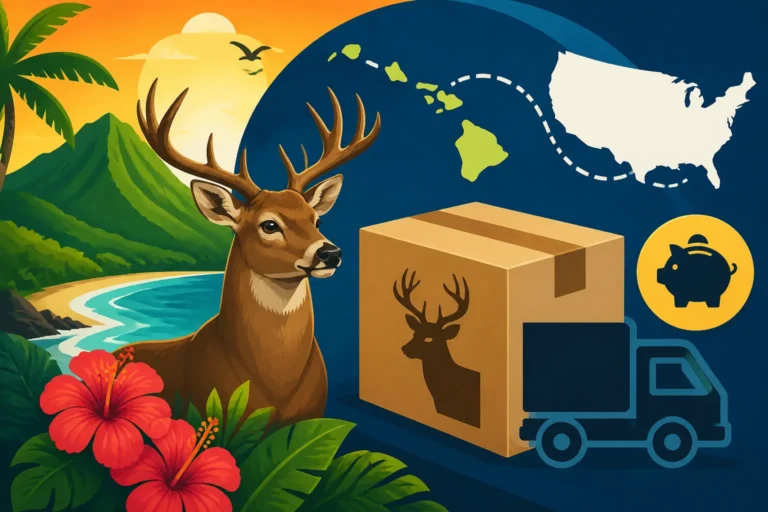
Shipping venison from Hawaii involves logistical challenges, agricultural inspections, weight factors, and freezing requirements that influence the total cost.
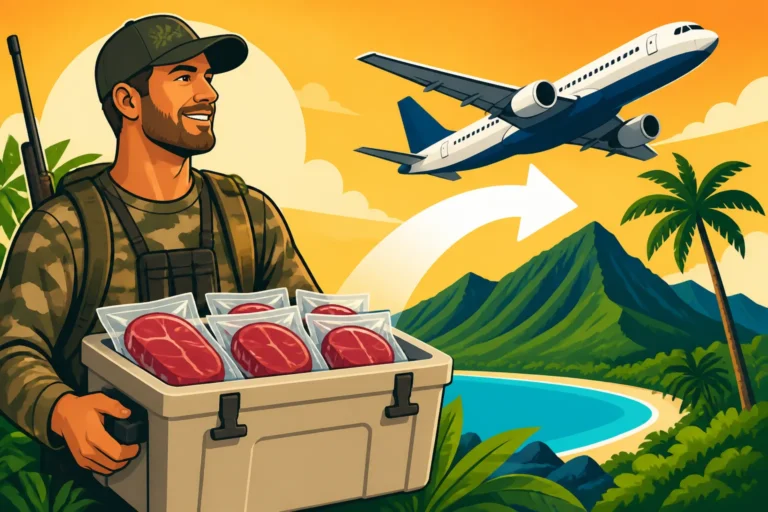
Hawaii game meat transport regulations, state and federal inspection processes, and rules for flying meat to the mainland.
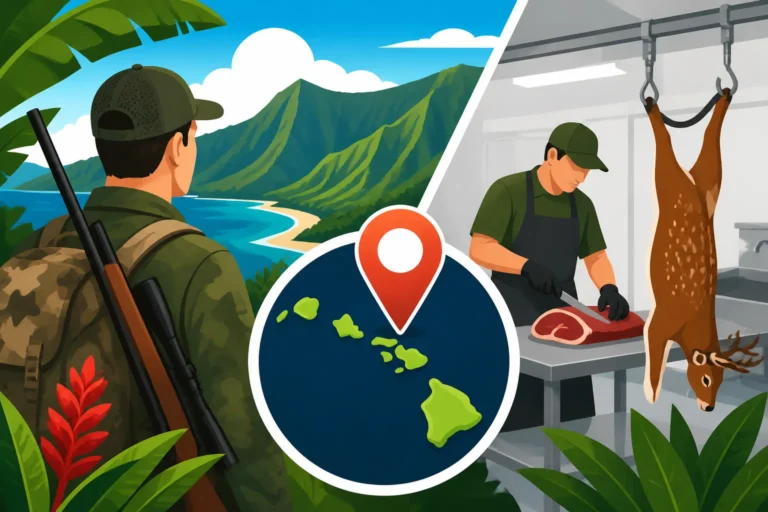
Finding wild game processors in Hawaii requires navigating tropical heat, remote locations, and strict agricultural transport regulations.