What Shipping Venison Costs From Hawaii
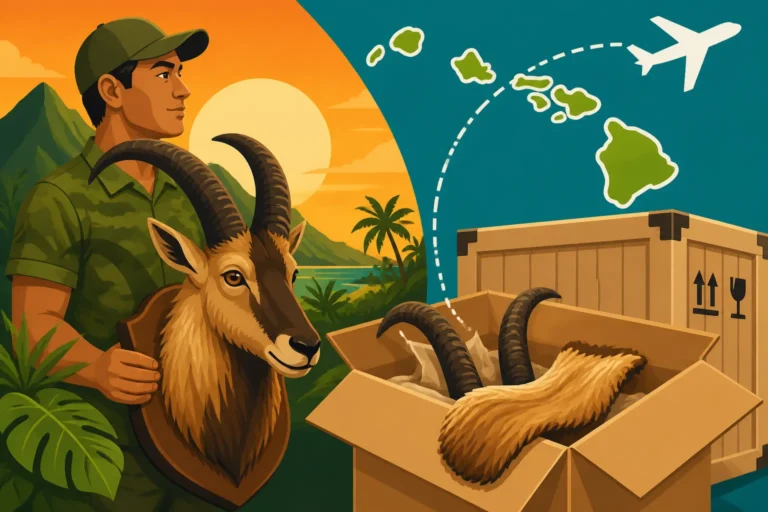
Bringing home venison from a Hawaiian hunt is often one of the most exciting parts of the trip, a tangible reward for your effort. But then the reality sets in: how do you get this precious cargo, often perishable and bulky, from a remote island back to your home, sometimes across thousands of miles of ocean and continent? Many hunters get caught off guard by the logistics and the often-surprising price tag associated with shipping game meat from the middle of the Pacific, transforming a triumphant harvest into a stressful logistical puzzle. This comprehensive guide aims to demystify the process and shed light on what you can expect in terms of costs and procedures.
Why Shipping Venison From Hawaii is a Unique Challenge
Let's be real, Hawaii isn't exactly around the corner from anywhere. This geographical isolation is the primary driver behind many of the challenges and costs associated with shipping venison. Unlike hunting closer to home, where you might simply throw a cooler in the back of your truck, the island environment introduces several unique hurdles.
First and foremost is the issue of perishability in a tropical climate. Even on the cooler slopes of a mountain, Hawaii is warm, and humidity is ever-present. This means that meat spoils much faster than it would in, say, the crisp air of a mainland autumn. You need to be thinking about Field Dressing Axis Deer in Hawaii Heat and Cooling Meat Fast on a Hawaii Hunt from the moment your animal hits the ground. Getting your venison properly cooled, cut, and deep-frozen quickly is not just a preference; it's an absolute necessity. Many hunters underestimate how rapidly meat can turn in the tropics, leading to heartbreaking losses if not handled correctly. This necessitates immediate action post-harvest, often meaning a direct trip to a game processor or a dedicated freezer, which may not be conveniently located near your hunting unit.
Secondly, you're dealing with inter-island and trans-oceanic logistics. Even if you hunt on one island and live on another, or are flying back to the mainland, your meat has to travel by air or sea cargo. This isn't like sending a package; you're dealing with regulated perishable goods. Agricultural inspections are stringent, designed to protect Hawaii's unique ecosystem from invasive species and diseases. Expect your packages to be scrutinized, and ensure all your documentation, including your hunting license and tags, is in order. You can't just slap a label on a cooler and hope for the best.
Finally, there's the limited infrastructure and specialized services. While Hawaii has excellent local resources, the volume of game meat being shipped off-island might not be as high as from major hunting states on the mainland. This can mean fewer options for specialized game shipping services, and a greater reliance on general freight carriers or commercial airlines, each with their own rules and costs for handling frozen perishables. Navigating these options can feel like a labyrinth, especially when you're trying to enjoy the last days of your trip or are eager to get home.
The Main Factors Influencing Shipping Costs
Understanding what drives the cost of shipping your venison is key to budgeting and avoiding sticker shock. It's not just a flat fee; several variables will heavily influence the final price.
Weight and Volume
This is perhaps the most obvious factor. The heavier and bulkier your frozen venison packages are, the more expensive they will be to ship. Most carriers charge by actual weight or dimensional weight (whichever is greater), so a large, awkwardly shaped cooler, even if it feels light, could still incur higher charges due to the space it occupies. Consider that a deboned Axis deer, for example, might yield 40-70 pounds of meat, depending on the animal's size. If you're hoping to ship back an entire animal, bones and all, the weight escalates dramatically. This is why many hunters opt for deboning services, even if it adds to their processing costs, because it significantly reduces shipping weight and thus expense. It also frees up space in your cooler for more precious cuts.
Speed of Delivery
How quickly you need your venison to arrive at its destination plays a huge role in pricing. Standard ground shipping across the ocean is rarely an option for frozen meat due to transit times and temperature control issues. Therefore, you'll almost certainly be looking at air cargo or expedited services. Overnight or 2-day air freight is going to be significantly more expensive than a 3-5 day option, but it offers a greater guarantee of your meat remaining frozen solid. For valuable game meat, especially if you're traveling a long distance, the peace of mind of faster shipping often outweighs the extra cost. Remember, every extra day in transit is another day your dry ice or gel packs have to fight the elements.
Packaging and Insulation
Proper packaging isn't just about protecting your meat; it's about making sure it arrives in edible condition. This means investing in high-quality, insulated coolers, usually specialized shipping coolers designed for perishables, or robust insulated boxes with thick walls. These aren't your typical picnic coolers. They are built to withstand the rigors of cargo handling and maintain internal temperatures for extended periods. Beyond the cooler itself, you'll need ample dry ice or gel packs. Dry ice is the gold standard for long-distance frozen shipping because it keeps temperatures extremely low and sublimates (turns directly into gas) rather than melting into water, which can damage packaging or other cargo. The cost of dry ice itself, along with any hazardous materials fees associated with shipping it, will factor in. Gel packs are an alternative for shorter transit times or as a supplement to dry ice. Make sure your cooler is properly sealed to prevent sublimation too quickly. Packing Meat Out of a Hawaii Gulch is a crucial first step, but the final shipping packaging is just as vital.
Destination and Distance
It probably goes without saying, but shipping venison from Hawaii to the East Coast of the mainland will be more expensive than shipping it to the West Coast, due to the increased distance and potentially more complex routing. International shipping, if you happen to be from outside the US, would add layers of customs fees, import regulations, and even higher freight costs. Always confirm any specific import regulations for game meat into your home state or country, as these can vary. Some states have stricter rules about bringing in wild game, even if it's legally harvested.
Carrier and Service Type
Different carriers (FedEx, UPS, commercial airlines via cargo, specialized freight forwarders) will have varying pricing structures, services, and restrictions for shipping frozen perishables.
- Commercial Airlines (Checked Baggage): This can sometimes be the most economical option for smaller quantities of meat, allowing you to check an insulated cooler as luggage. However, there are strict weight limits (usually 50-70 lbs per bag), restrictions on dry ice (often limited to 5.5 lbs per cooler, vented packaging required), and you assume the risk of delays or lost luggage. The cost here is usually standard excess baggage fees, which can still add up.
- Commercial Airlines (Cargo): For larger quantities, or if you don't want to check it as baggage, you can ship via the airline's cargo division. This is often more reliable for temperature control and tracking but generally more expensive than checked baggage. You'll work with the airline's freight department.
- Express Parcel Carriers (FedEx, UPS): These services offer various expedited shipping options for perishables. They are reliable, offer tracking, and often have dedicated cold chain solutions. However, they can be quite expensive, especially for heavy, bulky packages requiring overnight or 2-day air freight. You'll need to use their approved packaging and follow their guidelines for dry ice. Some services like BookYourHunt or GoHunt might have resources that detail specific shipper experiences, but you'll still be dealing directly with the carrier.
- Specialized Game Meat Shippers/Freight Forwarders: For very large quantities or if you want minimal hassle, there are companies that specialize in shipping wild game. These services often include picking up the meat from a processor, handling all packaging, dry ice, and documentation, and coordinating the shipping to your door. They are typically the most expensive option but offer the highest level of convenience and peace of mind. They usually have established relationships with airlines and can navigate the complexities more smoothly.
Estimating the Cost: A Real-World Scenario
Let's talk numbers, keeping in mind that specific figures vary wildly and change over time. My aim here is to give you a framework for thinking about the cost shape, not exact dollar amounts. You'll always need to get current quotes.
Imagine you've harvested a nice Axis deer on Maui and, after processing, you have about 60-70 pounds of deboned, vacuum-sealed venison. You want to ship it back to your home on the West Coast of the US.
Here's a breakdown of potential costs you might encounter:
| Item | Cost Implication (Shape, not exact $) | Notes |
|---|---|---|
| Cooler/Shipping Container | Moderate to High | A high-quality, thick-walled cooler or insulated box can be a significant upfront cost, but it's essential. Expect to pay for durability and insulation quality. |
| Dry Ice | Low to Moderate (per pound, plus hazmat fee) | You'll likely need 10-20 lbs of dry ice for a 2-3 day transit. Cost depends on availability and local pricing. Many carriers add a "hazardous materials" handling fee for dry ice. |
| Processing Fee | Moderate to High (per pound or per animal) | This is separate from shipping but often critical. Includes skinning, quartering, deboning, grinding, vacuum sealing. Some processors offer shipping preparation as part of their service. |
| Air Cargo / Freight | High (based on weight, volume, speed, distance) | This will be the largest component. For 60-70 lbs, expect a substantial fee for expedited air freight. Prices can fluctuate based on fuel costs, airline capacity, and demand. |
| Airline Checked Bag | Low to Moderate (standard baggage or oversized/overweight fees) | If opting for checked baggage, you'll pay standard bag fees, and potentially overweight fees if your cooler exceeds limits. This is often the cheapest way but carries the most risk for delays and temperature issues. |
| Special Handling Fees | Low to Moderate | Some carriers have specific fees for perishables, or for pick-up/drop-off at a cargo terminal rather than a retail shipping outlet. |
| Customs/Inspection | Minimal to None (for US domestic) / Moderate (international) | For mainland US shipments, agricultural inspection is usually part of the process but not a separate fee. International shipping incurs customs duties and import fees. |
For that 60-70 lbs of deboned venison to the West Coast, you might find the total cost (including cooler, dry ice, and freight) could easily range from several hundred dollars to well over a thousand, depending on the service level chosen. If you're considering a guided hunt, ask your outfitter if they have preferred shipping partners or can assist with logistics. Many guides understand this challenge and have established relationships. This is where researching guides on platforms like BookYourHunt or directly contacting local outfitters can pay off, as some include basic meat handling and shipping coordination as part of their service or can point you to the most reliable local resources.
Practical Tips for Minimizing Costs and Maximizing Success
Getting your venison home doesn't have to break the bank or result in spoiled meat. With a little planning, you can navigate the process efficiently.
Plan Ahead, Way Ahead
The absolute best way to manage shipping costs and logistics is to plan for it before you even book your hunt. Research processors on the island you'll be hunting and understand their services, including any assistance they offer with shipping. Inquire about local dry ice availability. Contact potential carriers (airlines, FedEx, UPS) from your home state to get current quotes and understand their specific requirements for frozen perishables and dry ice. Don't wait until the day after your hunt to figure this out; you'll be rushed and likely pay premium prices for last-minute solutions. Some outfitters, especially those catering to non-resident hunters, will have this information readily available as part of their Booking a Hawaii Axis Deer Hunt or Booking a Hawaii Pig Hunt packages.
Maximize Meat Yield and Minimize Waste
Focus on getting every usable bit of meat from your animal and processing it efficiently. The less waste, the more value you're getting for your shipping dollar. Deboning is almost always the smart choice for shipping, as bones add significant weight without much culinary value for a long-distance trip. Vacuum sealing is another critical step; it prevents freezer burn and keeps the meat fresh for longer. Consider what you truly want to bring home. Is it worth shipping every last scrap, or would you prefer to focus on prime cuts? Any meat that you aren't able to take can often be donated or shared with local friends, reducing your shipping burden.
Choose Your Shipping Method Wisely
- Checked Baggage (DIY): If you're comfortable with the risks and have a smaller amount of meat, this can be the cheapest option. Invest in a durable, well-insulated cooler (like a Yeti or equivalent) that meets airline size and weight restrictions. Pack it tightly with frozen meat and the maximum allowed dry ice. Clearly label it as containing frozen game meat and follow all airline guidelines for dry ice (usually requiring a vent). Be prepared for potential delays and have a backup plan. Remember, even though a service like GoHunt helps with general hunting planning, the granular details of airline baggage policies are something you need to verify directly with your chosen airline.
- Air Cargo (Commercial Airline): A more secure option for larger quantities. You'll typically drop off your frozen packages at the airline's cargo facility at the airport. They usually have better temperature-controlled storage and less risk of being mishandled than standard checked baggage. This bypasses the typical baggage handler process and goes straight to freight, which can be reassuring.
- Express Parcel Services (FedEx/UPS): Reliable for tracking and speed. Ensure you use their approved packaging and follow their dry ice regulations to the letter. Their website or customer service will provide detailed instructions for shipping perishables. This is a good middle-ground for many, balancing cost with reliability.
- Specialized Game Shippers: If you can afford it, this is the most hands-off and reliable option. They handle everything from start to finish, often picking up from the processor and delivering to your door. Inquire if your guide works with any such services or can recommend one.
Proper Packaging and Labeling
This can't be stressed enough.
- Freeze Solid: Ensure your meat is completely frozen, like a brick, before packing.
- Insulated Container: Use a new, sturdy, insulated shipping container or a high-quality cooler. Seal it tightly.
- Dry Ice/Gel Packs: Use ample dry ice. Place it on top of the meat, as cold air sinks. Wrap dry ice in newspaper to slow sublimation, but ensure there's a small vent in the cooler if required by the carrier for dry ice shipments (to prevent pressure buildup).
- Vacuum Seal: All meat should be vacuum-sealed to prevent freezer burn and leakage.
- Labeling: Clearly label the exterior with "FROZEN WILD GAME MEAT," your name, contact information, destination address, and return address. Include your hunting license number and tag information if possible. Many carriers also require a "Perishable" sticker.
Confirm Regulations and Documentation
Always double-check the latest agricultural regulations for both Hawaii (state of origin) and your home state (destination). You'll typically need your valid Hawaii hunting license and the tags for the animal you harvested. Keep copies of everything with you. Some states might require additional documentation, though this is less common for legally harvested, processed game meat from another US state.
Shipping venison from Hawaii is a process that requires forethought, diligence, and a willingness to invest a bit more compared to a mainland hunt. But the reward – sharing that unique, delicious Hawaiian Axis deer or feral pig meat with family and friends back home – is absolutely worth the effort. It's the ultimate souvenir and a lasting memory of an incredible hunting adventure in paradise.
Disclaimer
This article is for general informational purposes only and does not constitute professional advice. Laws, prices and regulations vary by location and change over time. Consult a qualified professional for guidance on your specific situation.