When Sows Farrow in the Islands
Hawaii feral pig breeding cycles and year-round farrowing patterns help hunters understand resource availability and population growth.
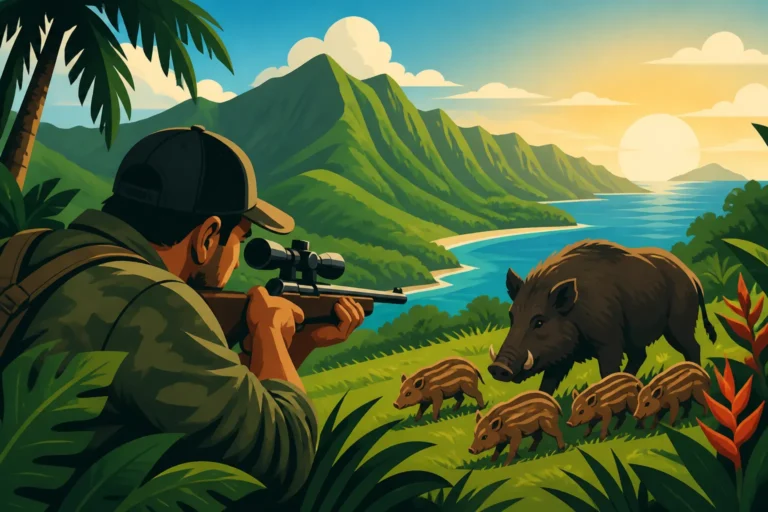
Hawaii feral pig breeding cycles and year-round farrowing patterns help hunters understand resource availability and population growth.
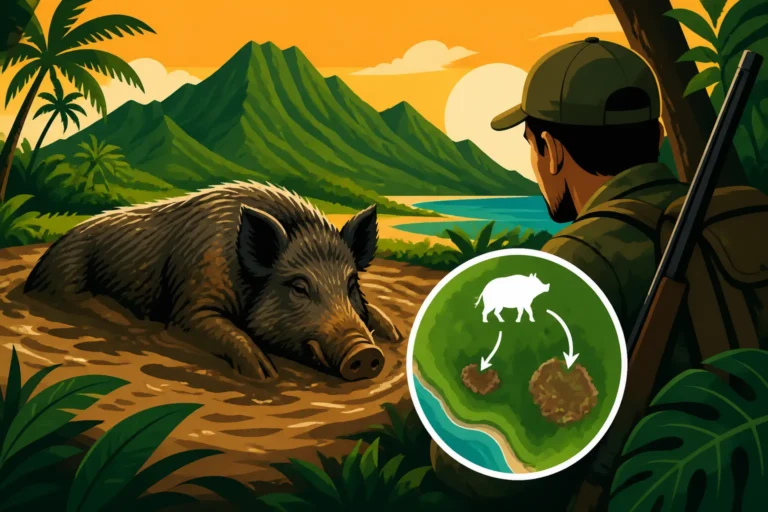
Pig wallows in Hawaii reveal crucial animal behavior, cooling methods, and parasite control strategies used by wild pigs.
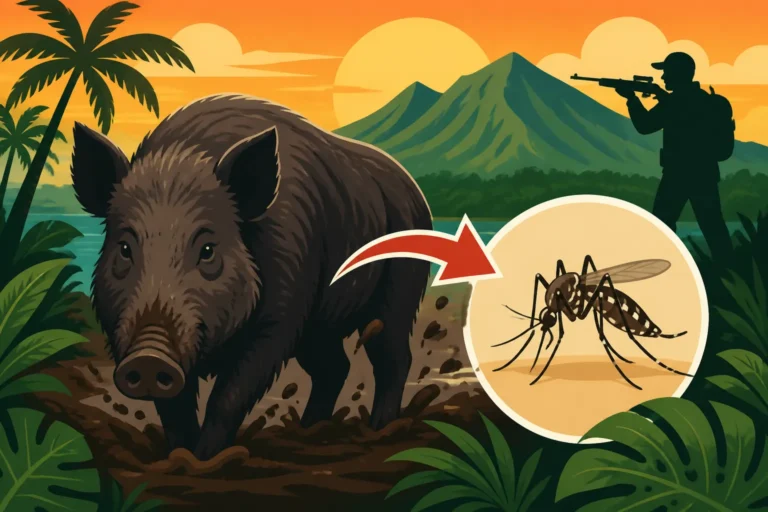
Feral pigs in Hawaii root in forests, creating stagnant pools that act as ideal breeding grounds for mosquitoes and disease.
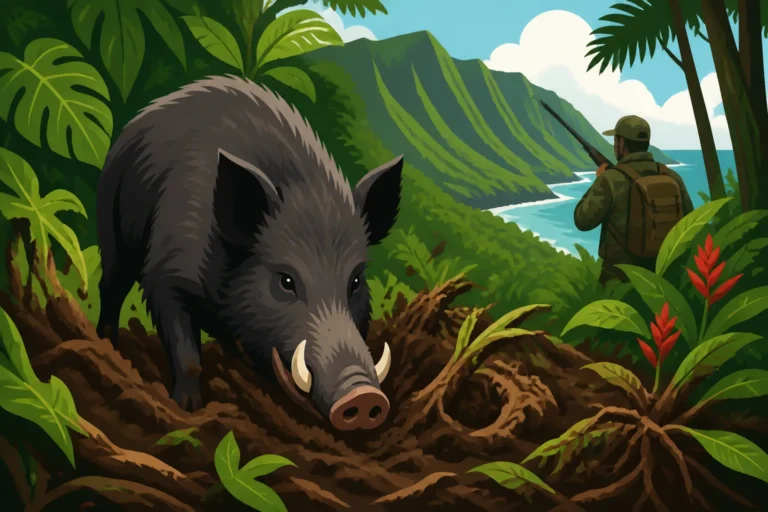
Feral pigs in Hawaii root up rainforest soil using powerful snouts to find buried food like fern rhizomes and grubs.
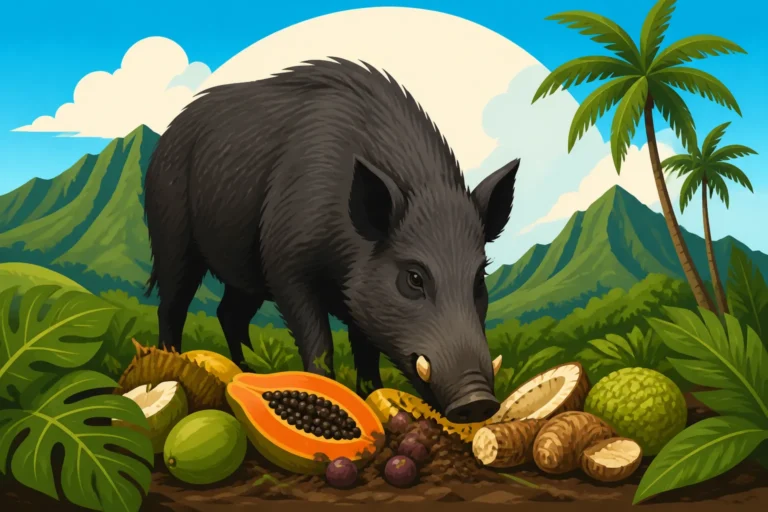
Hawaii feral pigs consume roots, tubers, taro, and invertebrates across rainforests and agricultural fields, impacting local ecosystems.
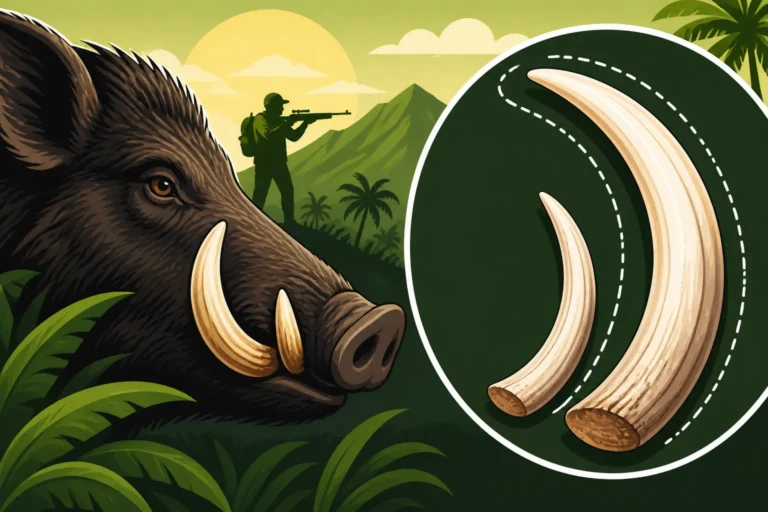
Continuous growth of four upper and lower tusks in wild Hawaiian pigs depends on age, genetics, diet, and habitat factors.
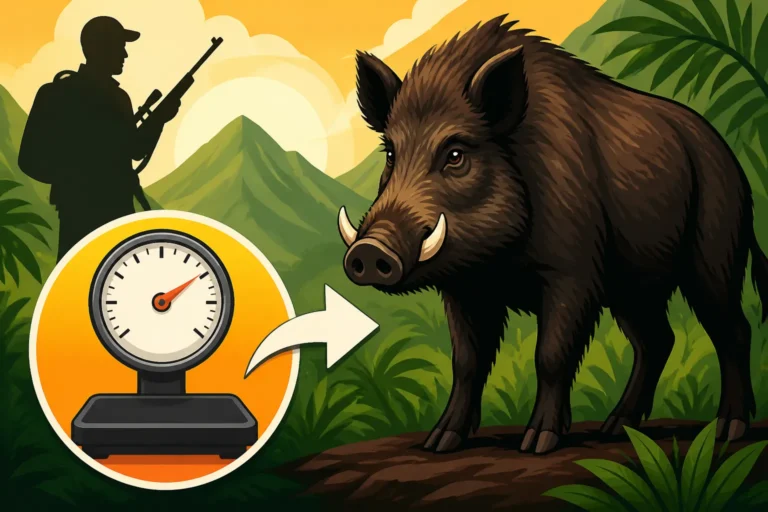
Hawaii feral boar weights span 30 to over 300 pounds, influenced by smaller Polynesian ancestors and larger European wild boars.
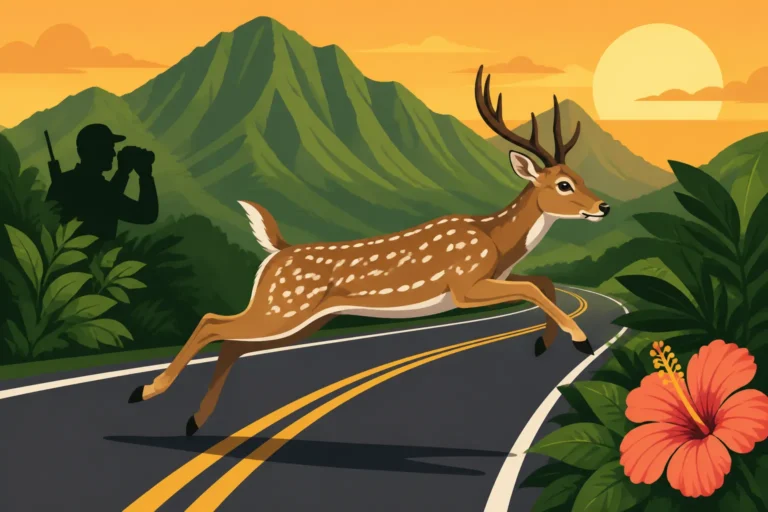
Axis deer crossing Hawaii highways follow natural feeding trails, driven by daily foraging habits and seasonal breeding cycles.
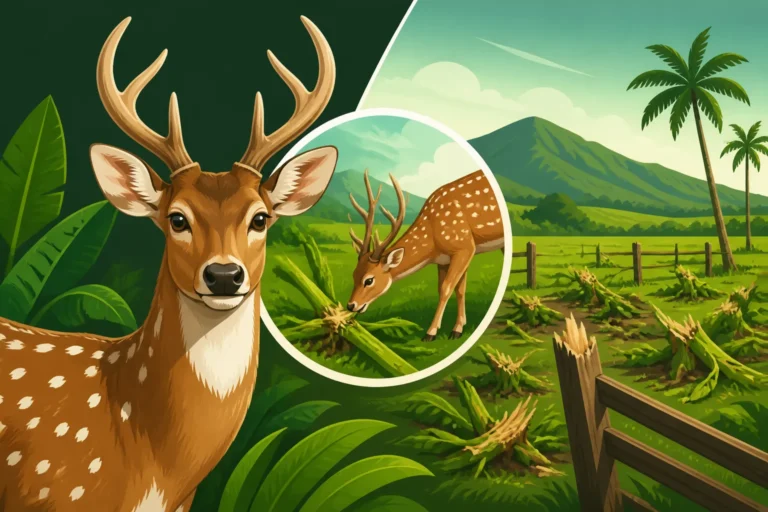
Axis deer populations create financial strain for Hawaii ranches by competing with cattle for limited forage and degrading pastures.
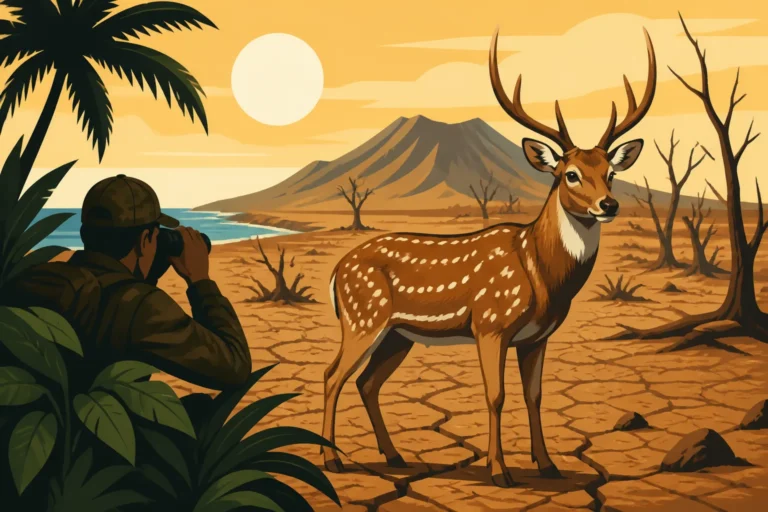
Axis deer behavior and movement patterns shift during dry years, changing how hunters find water sources and forage in Hawaii.