Where Axis Deer Water in Dry Season
Axis deer behavior shifts during Hawaii dry seasons, consolidating movements around reliable water points and crucial hydration hubs.
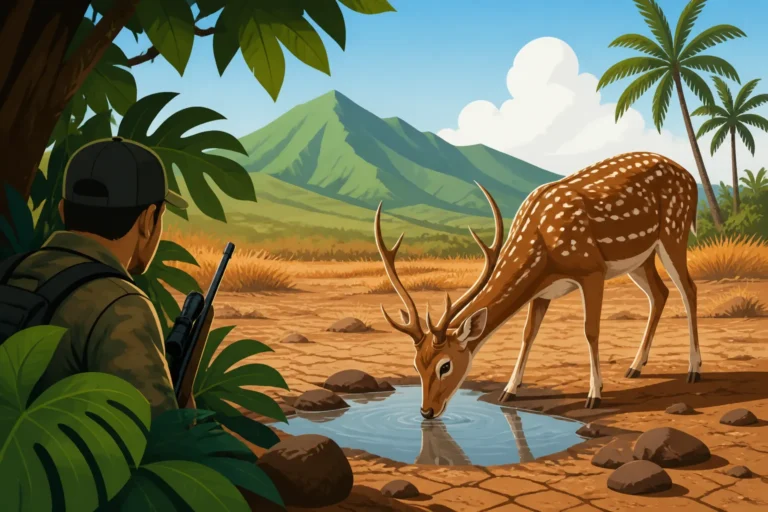
Axis deer behavior shifts during Hawaii dry seasons, consolidating movements around reliable water points and crucial hydration hubs.
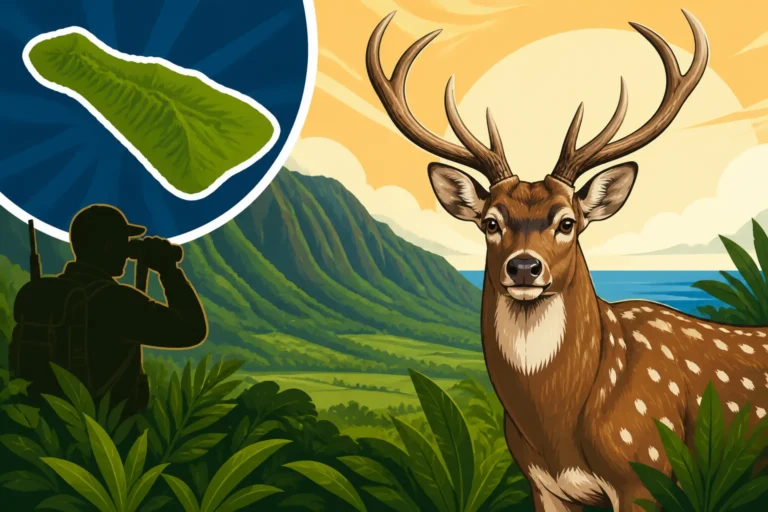
Molokai Axis deer habitat, forage quality, water sources, and climate factors explain why the island grows bigger bucks.

Axis deer populations on Lanai and Maui differ significantly in density, historical introduction dates, and habitat concentration.

Maui axis deer population estimates and the complex challenges of tracking growing herds across varied Hawaiian terrain.
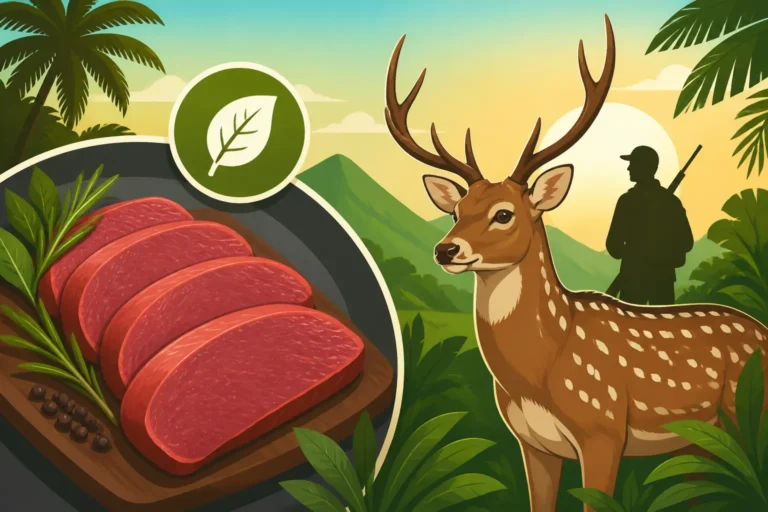
Hawaii axis deer eating lush grasses on Maui and Lanai instead of woody browse creates exceptionally mild venison flavor.

Axis deer on Maui consume kikuyu grass, bunchgrasses, wild peas, and morning glory across pastures, gulches, and dry slopes.
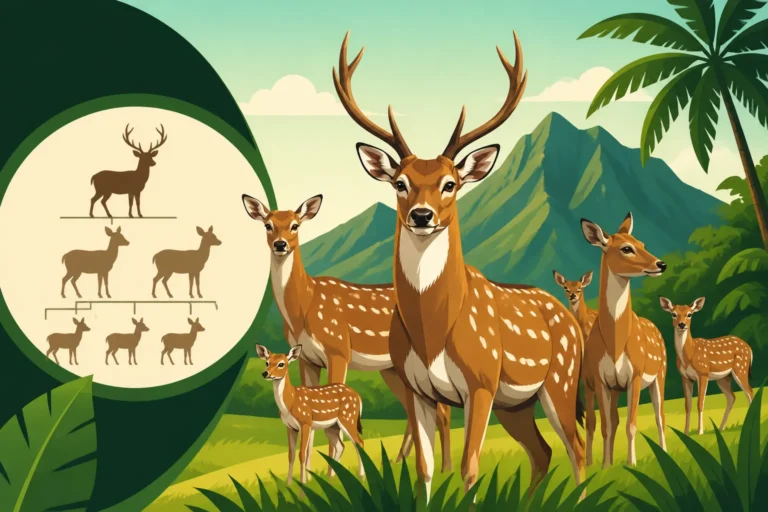
Axis deer social dynamics in Hawaii differ from mainland deer because their continuous breeding cycle operates year-round without seasons.
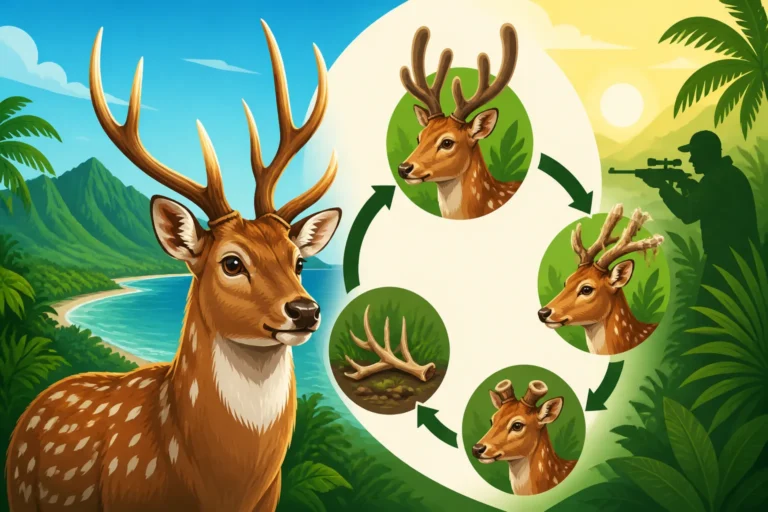
Axis deer antlers drop year-round in Hawaii because the islands lack harsh winters and strong seasonal environmental cues.

Axis deer antler growth in Hawaii occurs year-round because mild temperatures and consistent food sources create a continuous cycle.

Mature Hawaii Axis bucks typically weigh 150 to 220 pounds, while younger two-year-old bucks reach 120 to 140 pounds.