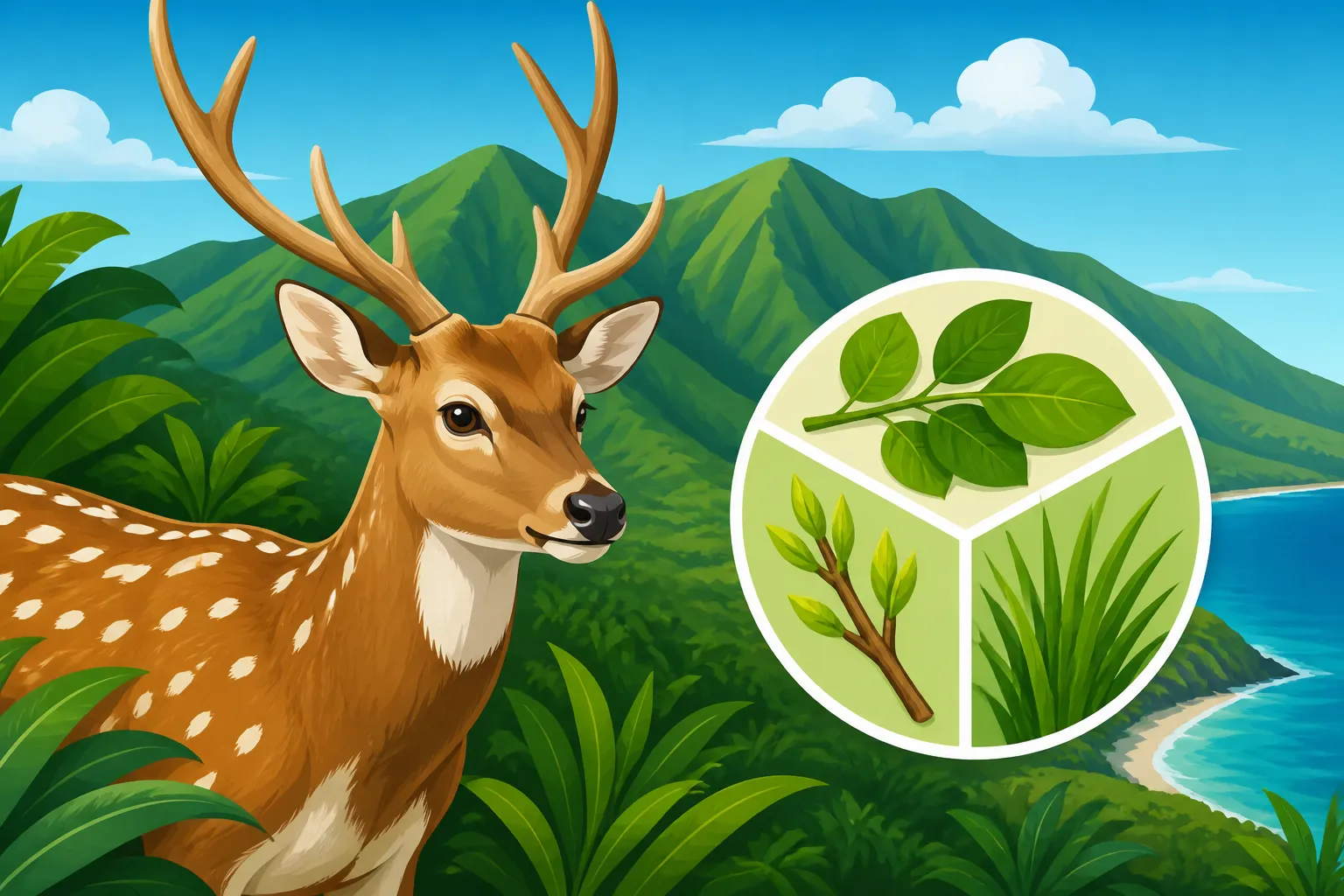
What Axis Deer Eat on Maui
If you've ever spent time observing the vast, often dry, slopes of Maui, or hiked through its greener, higher elevations, you've probably seen or at least seen the signs of axis deer. These beautiful, yet prolific, creatures have adapted remarkably well to the island's diverse landscapes, and understanding what they eat is key to understanding their behavior, their impact, and, let's be honest, how to find them if you're a hunter. This guide is all about peeling back the layers to reveal the complex and adaptable diet of axis deer on Maui, giving you a deeper appreciation for their survival strategies and how to use that knowledge to your advantage.
The Foundation of Their Feast: Maui's Diverse Forage
Axis deer on Maui aren't picky eaters in the traditional sense, but they are incredibly efficient and adaptable in how they use the island's vegetation. Their diet is a direct reflection of Maui's varied climate zones, from the arid, scrubby leeward slopes to the lush, wetter uplands. What might be scarce in one area is abundant in another, and these deer have learned to exploit every nutritional opportunity. It’s not just about what's there; it's about what provides the most energy and moisture, especially in a place where conditions can change rapidly.
Grasses: The Ever-Present Staple
No matter where you find axis deer on Maui, grasses are almost always going to be a significant portion of their diet. They are grazers, first and foremost, meaning they thrive on the readily available green carpets that spring up after rain or persist in more irrigated areas. Think about the vast, open pastures of Upcountry Maui or the drier, golden hillsides further south and west – these are prime grazing grounds.
Axis deer aren't particular about which type of grass, either. They'll munch on everything from the common kikuyu grass that often blankets ranchlands to various native and introduced bunchgrasses. During the wetter months, or in areas with consistent moisture like the edges of gulches or around stock ponds, you'll see them actively nipping the tender new growth. This fresh grass is packed with easily digestible nutrients and much-needed moisture. Even when the grasses turn brown and dry in prolonged drought, the deer will still work them over, seeking out any remaining green shoots or even consuming the dry stalks for fiber. This continuous grazing pressure, especially on preferred species, can have a noticeable effect on the landscape. Many hunters try to locate these prime grazing areas, often using Spot-and-Stalk Axis Deer in Hawaii techniques, because where the food is, the deer usually aren't far behind.
Forbs and Legumes: Hidden Nutritional Powerhouses
Beyond the sea of grasses, axis deer actively seek out forbs and legumes. If "grasses" are the bread and butter, then forbs and legumes are like the nutrient-dense superfoods in their diet. Forbs are broad-leafed herbaceous plants that aren't grasses, and legumes include plants like various types of clover or acacia, known for their nitrogen-fixing properties and higher protein content. These plants are crucial for providing essential vitamins, minerals, and protein, especially important for growing antlers in bucks, supporting lactating does, and fueling the overall health of the herd.
On Maui, you might find deer browsing on various wild peas, morning glory species, or even the young shoots of non-native herbaceous plants that flourish in disturbed soils or along the edges of agricultural fields. These plants are often more palatable and nutritious than some of the tougher, fibrous grasses, and deer will expend energy to find them. Spotting areas where deer have been systematically browsing these types of plants can be a real clue to their current feeding patterns, especially if you're trying to figure out Reading Axis Deer Sign in Dry Country. It's a reminder that their diet is far more nuanced than just "eating grass"; they're actively selecting for quality when available.
Browse: Woody Plants and Their Seasonal Importance
While primarily grazers, axis deer are also opportunistic browsers, especially when grasses and forbs become scarce. "Browse" refers to the leaves, shoots, and twigs of woody plants, shrubs, and even small trees. This aspect of their diet becomes particularly vital during prolonged dry spells or in areas where dense vegetation offers shade and protection. When the sun bakes the open pastures, and the green turns to gold, deer will move into the more sheltered kiawe forests or gulches, turning their attention to woody browse.
On Maui, common browse species include the leaves and pods of kiawe (mesquite), which is ubiquitous in many dry, low-elevation areas. They'll also nibble on the leaves of various acacia species, haole koa, and even the young shoots of invasive species like strawberry guava or common guava. These woody plants might not offer the same quick energy as lush green grass, but they provide critical moisture and fiber when other food sources dry up. Hunters often find that during the hottest, driest parts of the day, deer will retreat into these brushy areas to bed down, but they'll also spend time browsing the available woody vegetation. Knowing this behavior can help you understand Hunting a Kiawe Flat for Axis Deer or other dense cover.
Seasonal Shifts and Opportunistic Eating
The islands' microclimates mean that what's available for axis deer to eat can change dramatically not just throughout the year, but also within short distances. Maui, with its towering Haleakalā volcano and diverse elevations, presents a smorgasbord of options for these adaptable deer. Their diet is less about a fixed menu and more about a dynamic, seasonal smorgasbord dictated by rainfall, temperature, and human activity.
Dry Season Challenges and Adaptations
When the leeward slopes of Maui inevitably turn golden and brown, typically during the summer months and sometimes extending well into fall, the axis deer face significant dietary challenges. Green, succulent forage becomes scarce, and their diet shifts dramatically. This is when their adaptability truly shines. They become more reliant on the more drought-resistant plants, including the aforementioned kiawe pods, which offer a source of protein and fat, even when dry.
During these dry periods, deer will travel further to find remaining pockets of green vegetation, often concentrating around natural springs, seeps, or man-made stock tanks. These water sources become critical hubs, not just for hydration but also for the greener plants that persist around them. Understanding Hunting a Water Source in Dry Hawaii Country becomes paramount for hunters. They'll also increase their intake of browse from woody shrubs, as these plants retain moisture longer than grasses. Their digestive systems are incredibly efficient at extracting nutrients from less-than-ideal forage, allowing them to maintain condition even when the pickings are slim. This is also when you might observe them more frequently near human development, where irrigation might keep grasses green.
Wet Season Abundance and Selective Grazing
When the rains return to Maui, usually in the late fall and winter, the landscape transforms. The dry, brittle hillsides burst into vibrant green, and the deer's diet becomes rich and varied. This is a time of plenty, and axis deer can afford to be more selective, focusing on the most palatable and nutritious new growth.
They'll gorge on lush, tender grasses and an explosion of forbs and legumes that sprout with the renewed moisture. This period of abundance is crucial for recovery from the dry season, for does to support fawns, and for bucks to put on weight and grow impressive antlers. The availability of high-quality forage directly influences the health and size of the herd. During these times, the deer might spread out more across the landscape, as food is less concentrated, but still favoring areas with consistent growth. If you’re planning to hunt during these greener times, checking Hawaii Game Mammal Seasons will help you understand the best times to look for them.
Agricultural Interfaces: A Mixed Blessing
Maui's mix of wildlands and agricultural operations creates unique feeding opportunities and challenges for axis deer. Where ranches, farms, and orchards border wilder country, axis deer often become agricultural pests, much to the frustration of landowners. They are notoriously fond of young crops, tender fruit tree leaves, and cultivated grasses.
Crops like corn, alfalfa, and various fruit tree leaves can be irresistible to a deer herd looking for an easy meal. While this provides a high-calorie, nutrient-rich food source for the deer, it also leads to significant conflicts. Farmers and ranchers often employ fencing, deterrence, and even culling programs to manage the herds that raid their fields. For hunters, these interfaces can be a double-edged sword. While deer are often present, access can be restricted due to private land concerns. However, understanding how Axis Deer Damage to Hawaii Farms can inform where deer might be feeding, even on the edges of public lands. It's a constant balancing act between the deer's drive to find food and the human effort to protect agricultural assets. You can often find information on specific units and their proximity to agricultural areas on the GoHunt Hawaii website, which is a great resource for planning your hunt.
The Impact of Their Diet on Maui's Ecosystem
The sheer numbers of axis deer on Maui, combined with their adaptable and often aggressive feeding habits, have a profound impact on the island's fragile ecosystems. They are not native species, and their unchecked population growth has led to significant changes in vegetation composition and landscape health. Understanding their diet isn't just about finding deer; it's about appreciating the ecological ripple effect they create.
Ecosystem Changes: Overgrazing and Native Plants
The extensive grazing and browsing by axis deer have had a detrimental effect on Maui's native plant communities. Many native species are not adapted to heavy herbivory, as Hawaii historically lacked large grazing mammals. As a result, preferred native plants can be severely impacted, leading to a shift in vegetation composition towards more resilient, often non-native, invasive species that deer might find less palatable or that can recover more quickly from grazing pressure.
Overgrazing can also lead to soil erosion, particularly on steep slopes or in areas with less ground cover. When the vegetation is stripped away, the soil is exposed to wind and rain, which can wash away precious topsoil and degrade water quality in streams and coastal areas. This is a critical concern for watershed health on the island. The constant pressure of deer browsing on young native trees and shrubs prevents regeneration, changing the very structure of the forest understory over time. It's a visible example of What Ungulates Cost Hawaii's Watersheds.
Hunter's Edge: Using Diet to Locate Deer
For those of us who hunt axis deer on Maui, understanding their diet is one of the most powerful tools in our arsenal. It’s not just academic; it directly translates to where and when you’re likely to encounter them. If you know what they're eating, you know where to look.
During the wet season, when green feed is everywhere, deer might be more dispersed, but they'll still favor areas with the most palatable new growth. In contrast, during the dry season, their diet becomes heavily concentrated around remaining green patches, often tied to water sources or persistent pockets of browse in shaded gulches. This is where scouting for fresh sign – droppings, tracks, and most importantly, browsing marks – becomes crucial. Knowing their preferred forage and the condition of that forage in a given unit will guide your scouting efforts. The GoHunt Hawaii platform can sometimes offer insights or maps that highlight vegetation types, helping you pinpoint potential feeding zones before you even step foot in the unit, especially for Hunting Maui's Year-Round Axis Deer Units.
Water Sources: A Critical Component in Their Feeding Habits
While we've discussed water sources in the context of dry season challenges, it's worth emphasizing their fundamental importance as a component of the axis deer's feeding habits year-round. Beyond just drinking, water often dictates where the freshest and most succulent forage can be found, even in wetter times.
Deer obtain a significant amount of their daily water intake directly from the vegetation they consume. Lush, green grasses and forbs are rich in moisture, reducing their need to visit open water sources. However, as forage dries out, their reliance on direct water intake increases dramatically. This means that areas with reliable water – whether it's a natural spring, a small pond, or even a low-lying area that retains moisture longer – will almost always have better forage, making them prime feeding and bedding areas. Even during the rut, when bucks are focused on breeding, they still need to feed and water, often drawing them back to these essential spots. If you're wondering Where Axis Deer Water in Dry Season, it's generally where the greenest, most hydrated plants persist.
Maui's axis deer are a testament to adaptability, their diet a complex interplay of available vegetation, seasonal changes, and environmental pressures. Whether you're a wildlife enthusiast or a hunter seeking to understand your quarry, appreciating what these deer eat offers a fascinating window into their lives on this beautiful island.
Disclaimer
This article is for general informational purposes only and does not constitute professional advice. Laws, prices and regulations vary by location and change over time. Consult a qualified professional for guidance on your specific situation.