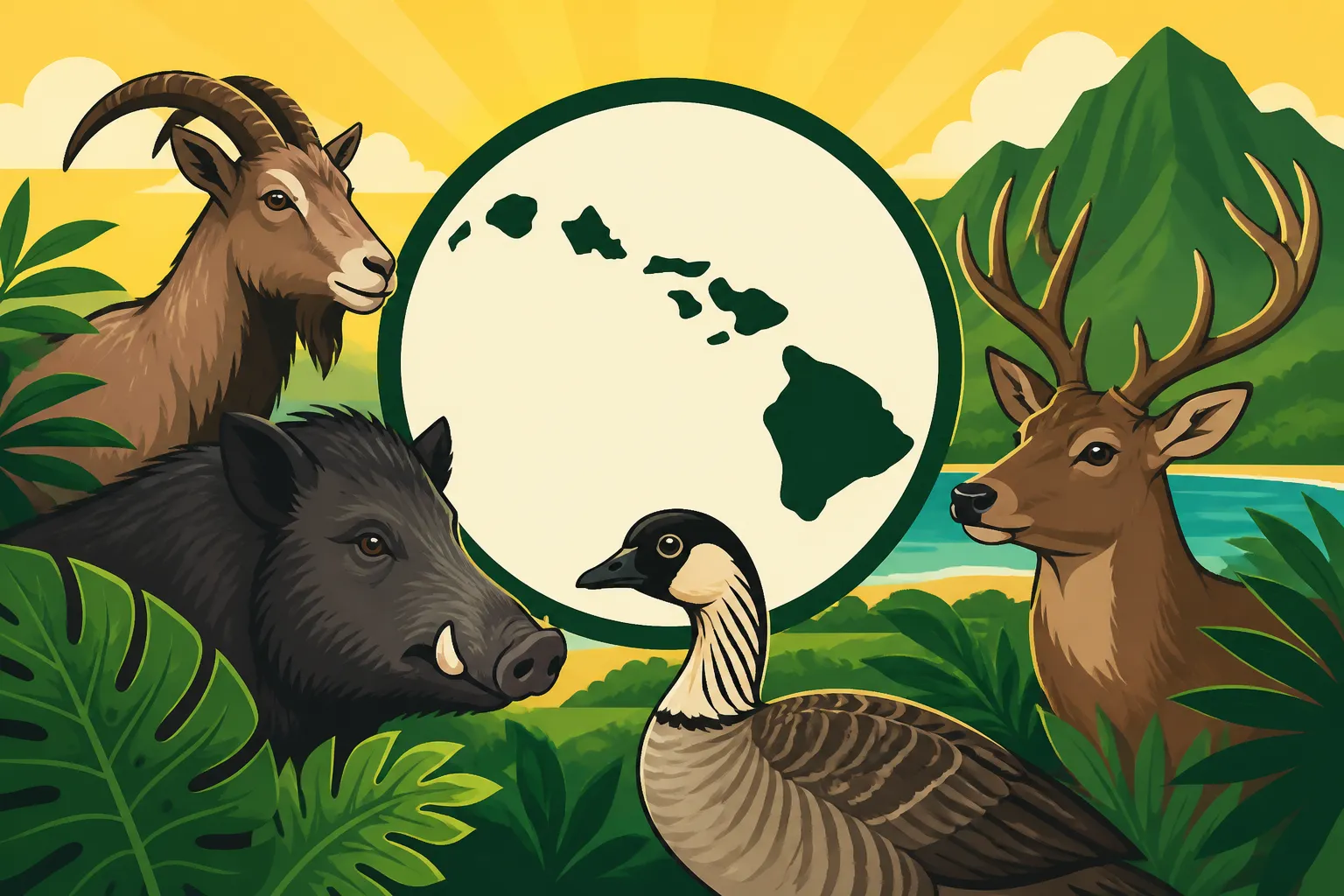
What Counts for a Hawaii Trophy Record
For many hunters, the quest isn't just about harvesting an animal, but about the challenge and the potential for a truly exceptional specimen. In Hawaii, where our game animals are all introduced, understanding what officially counts as a "trophy record" can feel a bit obscure, especially when comparing it to mainland traditions. It’s not always about sheer size, but about how a particular animal's unique characteristics measure up against established criteria. This guide is here to demystify the process, walking you through the specific attributes and systems used to recognize and record the most impressive Axis deer, Mouflon sheep, and feral pigs taken in our islands.
The Unique Landscape of Hawaii's Trophy Animals
Hunting in Hawaii offers a truly unique experience, unlike anywhere else in the world. Our islands are home to thriving populations of introduced game animals, and while they may not be native, they certainly present formidable challenges and produce some magnificent trophies. However, the definition of a "trophy" and what constitutes a "record" here often differs from what hunters accustomed to continental North America might expect.
Why Hawaii's "Trophies" Are Different
When you think of a trophy buck on the mainland, you often envision a species deeply entrenched in its native ecosystem, with centuries of established hunting traditions and record-keeping. Here in Hawaii, every game mammal you pursue – from the swift Axis deer to the rugged Mouflon sheep and the tenacious feral pig – was introduced at some point in history. This fundamental difference shapes how we view and celebrate our exceptional animals. The focus isn't on preserving a native species through regulated harvests, but rather on managing populations of highly adaptable animals that have thrived in our diverse environments. The "trophy" aspect, therefore, often celebrates the sheer impressive growth these animals achieve in a new landscape, the challenge of the hunt itself in often brutal terrain, and the quality of the genetics that have flourished in the islands.
For many local hunters, a trophy isn't solely about a measurement. It’s also about the story, the effort, and the meat that feeds the family. But for those looking to see how their animal compares to others across the state, formal record-keeping provides an exciting layer to the experience.
Beyond Just Antlers and Horns
While antlers and horns are undeniably the crown jewels for deer and sheep hunters everywhere, Hawaii’s definition of a trophy extends beyond these familiar forms. When you hunt feral pigs in our dense jungles or across volcanic flows, it's the formidable tusks of an old boar that often command respect and define its trophy status. This is a significant departure from many mainland traditions where a pig's weight might be the primary measure of its impressiveness.
The environmental conditions here also play a huge role. Animals growing to exceptional sizes or developing unique antler/horn/tusk formations in the challenging Hawaiian terrain – be it the thin air of Mauna Kea or the parched kiawe flats of Lanai – speak volumes about their resilience. The sheer difficulty of navigating deep gulches, climbing steep palis, or tracking through thick, wet rainforest adds to the "trophy" value of any animal successfully harvested. So, while measurements are important for official records, the essence of a Hawaii trophy is deeply intertwined with the unique hunting experience itself.
Species Eligible for Hawaii Trophy Recognition
When we talk about official trophy records in Hawaii, three main species come to mind, each with its own distinct criteria for what makes a truly exceptional specimen. These are the animals that hunters pursue with an eye toward not just a successful harvest, but one that might just make the record books.
Axis Deer – The Island Icon
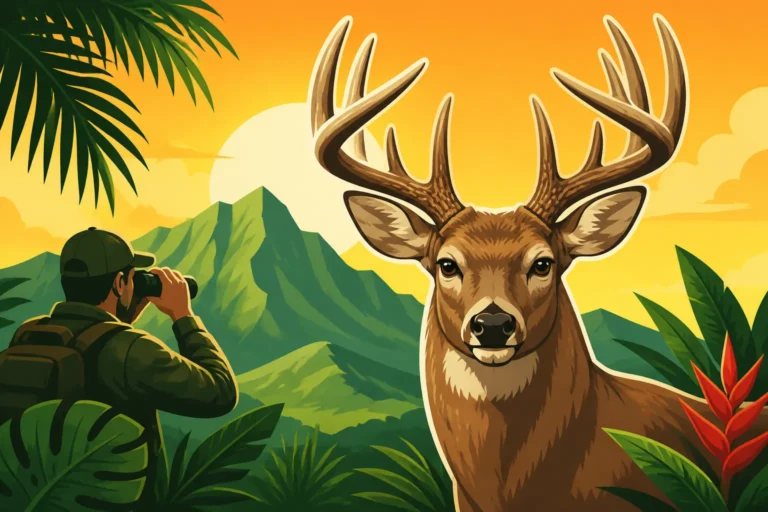
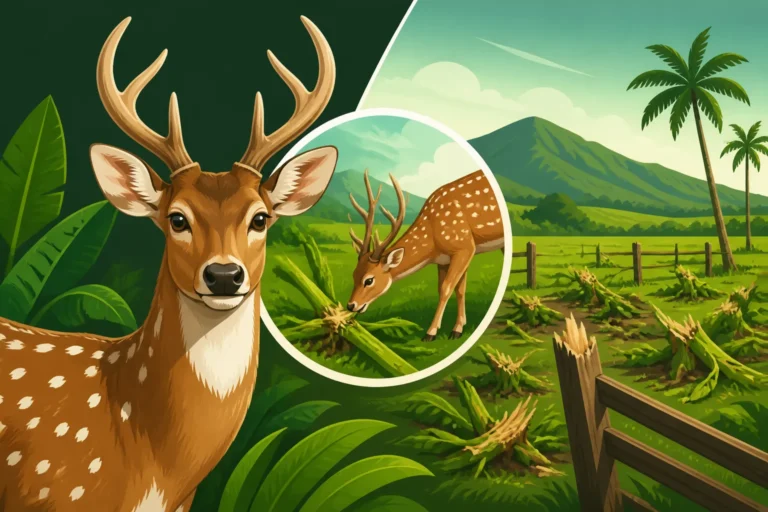
Without a doubt, the Axis deer holds the top spot as Hawaii's most coveted big game animal for trophy hunters. Their stunning spotted coats and often intricate, multi-tined antlers make them a breathtaking sight in the field. What really sets a trophy Axis buck apart is the size and symmetry of its antlers. Hunters look for impressive main beam length, a good number of tines, and strong circumferences that indicate maturity and robust health.
One of the fascinating aspects of Axis deer in Hawaii is their year-round rut. Unlike mainland deer species that have a distinct breeding season, Axis deer can be found in various stages of antler growth at any time. This means that hunters must be particularly savvy to find a mature buck with hard, fully developed antlers. Many record-book entries showcase bucks with symmetrical three-point frames, often referred to as "royals," or even more complex non-typical racks with extra points. The challenge of locating and harvesting such a magnificent animal in the open plains of Lanai or the dense forests of Maui is what truly elevates its status. If you're looking to understand the intricacies of judging these beautiful animals, you'll want to dive into resources like Scoring an Axis Deer Rack. For general information on their size, you can also check out What a Hawaii Axis Buck Weighs.
Mouflon Sheep – Mountain Monarchs
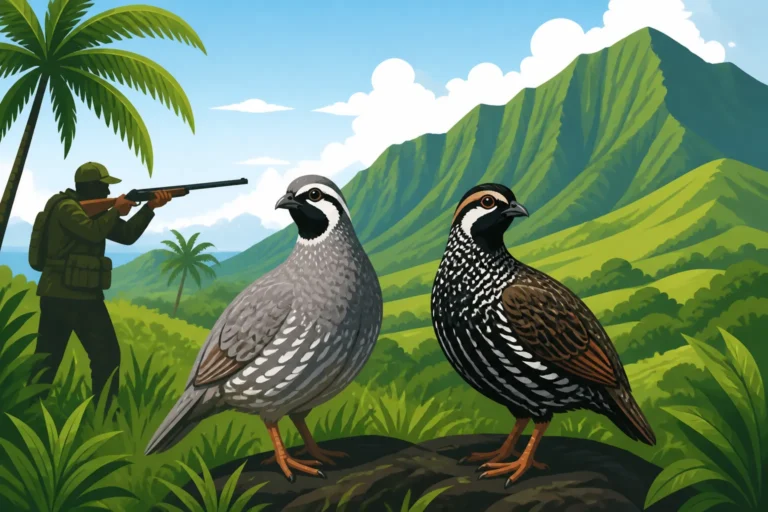
For those who prefer the rugged, high-elevation hunts, the Mouflon sheep of Hawaii Island offer a truly wild and challenging pursuit. These descendants of European wild sheep are celebrated for their majestic, curling horns, particularly on the mature rams. A trophy Mouflon ram is defined by the impressive length of its horns, measured along the curve, combined with significant basal circumference where the horn meets the skull. The tip-to-tip spread can also add to the overall visual appeal and score.
Hunters often spend countless hours glassing the lava flows and sparse mamane forests of Mauna Kea, looking for that exceptional ram whose horns show years of growth and minimal damage. Genetic purity is often considered important for record-book entries, as some Mouflon populations have interbred with feral sheep, leading to variations in horn shape. The pursuit of a truly outstanding Mouflon is an adventure in itself, often requiring significant physical exertion in thin air and over unforgiving volcanic terrain. To get a better grasp on the details of their horn growth and how they're measured, take a look at Scoring a Mouflon Ram and How Mouflon Horns Grow Each Year. For more about their general size, What a Hawaii Mouflon Ram Weighs offers a good overview.
Feral Pigs – Tusks of the Jungle
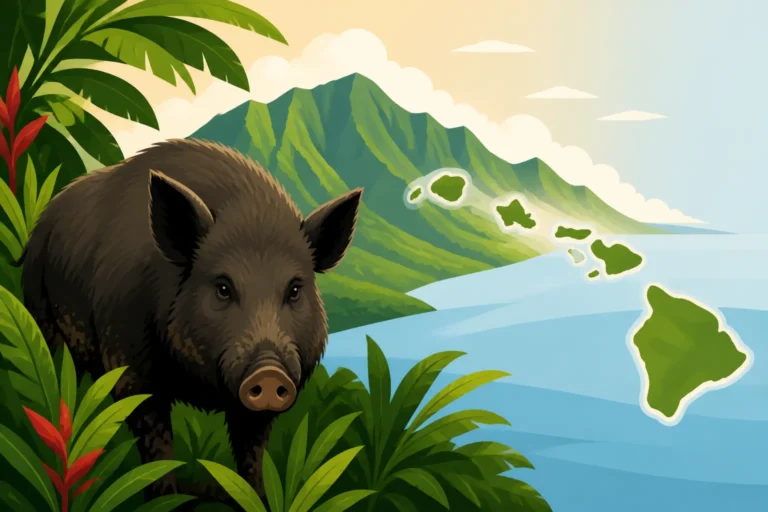
While often pursued for their delicious meat and as a vital part of invasive species management, Hawaii's feral pigs also produce some incredible trophies in the form of their formidable tusks. Unlike Axis deer or Mouflon sheep, where the bone or keratin structure is paramount, a trophy pig is defined almost exclusively by the size, length, and circumference of its lower tusks. These impressive weapons grow continually, and older boars can develop tusks that curl dramatically, sometimes even completing a full circle, making them highly prized.
Hunting a mature, tusked boar is a visceral and often dangerous endeavor, especially when hunting with dogs in thick jungle cover. The raw power and intelligence of these animals, combined with the difficulty of accessing their haunts, makes any substantial boar a significant accomplishment. The challenge lies not just in finding one, but in getting close enough for a clean, ethical shot, or engaging them safely with dogs. The integrity of the tusks – their lack of major breaks or wear – contributes significantly to their aesthetic appeal and scoring potential. For a deeper dive into what makes a pig's tusks truly exceptional, explore How Big Hawaii Pig Tusks Get. If you're curious about where the biggest specimens tend to roam, Where Hawaii's Biggest Pigs Come From offers some insights.
The Measurement and Scoring Systems
Understanding how an animal is officially measured is crucial for any hunter hoping to enter a trophy into a record book. Hawaii's systems for Axis deer, Mouflon sheep, and feral pigs are precise, ensuring consistency and fairness when comparing one animal to another. It’s not just about taking a quick snapshot; it’s about a meticulous process that accurately reflects the animal’s impressive features.
General Principles of Measurement
Regardless of the species, the core principle of trophy measurement revolves around accuracy, consistency, and allowing sufficient time for the animal's natural elements to stabilize. Generally, antlers, horns, or tusks must undergo a mandatory "drying period" before official measurements can be taken. This allows for any shrinkage that might occur as moisture leaves the material, ensuring that the recorded size is stable and final. This period is critical and varies, but it's typically a minimum of 60 days.
All measurements are taken with standardized tools, usually flexible steel tapes and calipers, applied at specific points on the rack, horns, or tusks. This eliminates guesswork and ensures that every measurer follows the exact same protocol. Details like fractional measurements are often recorded to the nearest one-eighth of an inch. The goal is to capture the true dimensions of the trophy while maintaining the integrity of the record-keeping system.
Scoring Axis Deer Racks
The scoring system for Axis deer racks typically follows a method similar to many widely recognized record books, focusing on a combination of length, circumference, and spread to assess the overall mass and impressiveness of the antlers. Here’s a breakdown of the key measurements:
- Main Beam Length: This is measured along the outside curve of each main beam from the base to the tip. A long, sweeping main beam is a hallmark of a mature Axis buck.
- Tine Lengths: Each distinct point or tine (the brow tines, bez tines, and any others) is measured from its base to its tip. The number and length of these tines significantly contribute to the score.
- Circumferences: Measurements are taken at specific intervals along the main beams, usually at the smallest circumference between points. This quantifies the mass of the antlers.
- Inside Spread: This is the greatest width between the inside edges of the main beams. While not a huge part of the overall score in some systems, a wide spread adds to the visual impact.
Symmetry is often a key factor, with deductions sometimes applied for asymmetrical differences between the left and right antlers. However, non-typical points, which are abnormal growths or extra tines, are often measured separately and can add to a "non-typical" score, recognizing unique and impressive characteristics that don't fit the standard symmetrical mold. Understanding these specifics is key to truly appreciating a magnificent Axis deer rack, and more detailed guidance can be found in Scoring an Axis Deer Rack. It's worth remembering that Why Axis Deer Antlers Drop Year-Round means finding a fully hard-antlered buck can be a year-long quest.
Scoring Mouflon Horns
Mouflon sheep rams are renowned for their magnificent, curling horns, and their scoring system is designed to emphasize the length and mass of these impressive structures. Unlike antlers, which are shed annually, mouflon horns grow continuously throughout the animal's life, forming growth rings that tell a story of its age and health.
The primary measurements for Mouflon horns include:
- Length of Horn: This is a crucial measurement, taken along the outer curve of each horn from its base to its tip. A flexible tape follows the natural curve, capturing the full extent of the spiral.
- Basal Circumference: Measured at the widest point where the horn emerges from the skull. This measurement reflects the horn's mass and thickness, which is a strong indicator of age and maturity.
- Circumferences at Intervals: Additional circumference measurements are often taken at specified points along the horn to further account for its mass and taper.
- Tip-to-Tip Spread: While not always a scoreable component in all systems, the distance between the tips of the horns can be noted for its aesthetic appeal.
The integrity of the horn is important; broken tips or significant damage can affect the overall score. A perfectly formed, unbroken curl with substantial mass at the base is what truly defines a record-book Mouflon ram. Detailed information on this process is available in Scoring a Mouflon Ram.
Scoring Feral Pig Tusks
Scoring feral pig tusks is a distinct process that focuses entirely on the impressive length and circumference of the animal’s lower canines, often complemented by measurements of the upper tusks. These aren't just for show; they are vital weapons for the boar, honed by constant grinding against the upper tusks.
The key measurements include:
- Length of Lower Tusks: Measured along the outside curve of each lower tusk from its root to its tip. These are the most prominent and often longest tusks.
- Circumference of Lower Tusks: Taken at the base of each lower tusk, this measures its thickness and mass.
- Length and Circumference of Upper Tusks (Optional): While the lower tusks are primary, some systems or informal recognitions may also include measurements of the upper tusks for a more comprehensive assessment.
The quality of the tusks – their unbroken nature, sharp points, and clean, honed edges – contributes to their overall impressiveness. It's the formidable nature of these natural weapons that captivates hunters and determines a boar's trophy status. Unlike deer or sheep, a pig's body weight, while impressive for consumption, is not a factor in its trophy tusk score.
Submitting Your Potential Hawaii Trophy Record
After a successful hunt, if you believe you’ve taken an animal that truly stands out, the next step is to explore how to get it officially recognized. The process involves careful documentation and often working with certified measurers or local hunting organizations to ensure your trophy is accurately assessed and recorded.
The Role of Official Measurers and Organizations
While there isn't one single, overarching state-run "Hawaii Trophy Record Book" in the same way some mainland states operate, reputable hunting organizations—both local and international—do maintain record books that include Hawaiian game animals. These organizations often have a network of official measurers who are trained and certified to apply the specific scoring criteria for each species.
These measurers are crucial because they ensure consistency and impartiality. They know exactly where to place the tape, how to account for specific antler or horn irregularities, and how to properly fill out the score sheets. If you believe you have a potential record, your first step should be to identify a certified measurer affiliated with a recognized organization. While GoHunt is an invaluable resource for general hunting information, licensing, and unit maps, helping you plan a successful hunt that could yield a trophy, they typically do not manage a trophy record book themselves. Local hunting clubs and the state’s Division of Forestry and Wildlife (DOFAW) are excellent points of contact for guidance on local recognition or to find out which national organizations might have a presence or established categories for Hawaii game.
Documentation and Process
Submitting a potential trophy for official record-keeping is a detailed process that goes beyond just a score sheet. Proper documentation is absolutely paramount to validate the harvest and the measurements. You’ll typically need:
- Score Sheet: The official form filled out by a certified measurer, detailing all the measurements.
- Photographs: Clear, high-resolution photos of the animal's rack, horns, or tusks from multiple angles. These should show the trophy clearly and often include the hunter with the animal, adhering to ethical photo guidelines.
- Witness Information: Sometimes, a witness statement from another hunter or guide present during the harvest can be required to verify details.
- Hunting License and Tag Information: Proof of a legal harvest, including your valid hunting license and any required permit-tags, will be essential. This demonstrates adherence to all state regulations.
The skull plate (for antlers) or skull (for horns/tusks) must often be presented to the measurer. Integrity is the cornerstone of any record-keeping system, so providing accurate and verifiable information is critical. Any attempt to artificially enhance or alter a trophy will result in disqualification.
What Makes a Record Official
Once your trophy has been meticulously measured by a certified individual and all necessary documentation is submitted, it undergoes a verification process. This often involves a panel review or cross-checking against established rules to confirm that all criteria have been met.
If accepted, your trophy will then be officially entered into the record book, often categorized by species, weapon type (e.g., archery, muzzleloader, rifle), and sometimes by typical versus non-typical classifications for antlered or horned animals. This entry then serves as a recognized benchmark, placing your achievement among the best of that species. It's truly a moment of pride for any hunter to see their animal listed alongside others that have demonstrated exceptional growth in the challenging environment of Hawaii. You can find information about some of the most impressive animals taken in the islands by looking into titles like Hawaii's Record Axis Buck, Hawaii's Record Mouflon Ram, and Hawaii's Record Feral Boar. This is how the legacy of exceptional game animals continues to inspire hunters here.
Here's a quick overview of what generally defines a trophy for our main game species:
| Game Species | Primary Trophy Criteria | Key Measurements | What to Look For (General) |
|---|---|---|---|
| Axis Deer | Antler size, length, and symmetry | Main beam length, tine lengths, circumferences, inside spread | Long, well-defined main beams with multiple tines, good mass throughout, symmetrical overall appearance. |
| Mouflon Sheep | Horn length, curl, and basal mass | Horn length (along curve), basal circumference, tip-to-tip spread | Tight, impressive horn curls, significant thickness at the base, and minimal breakage or damage to the horn tips. |
| Feral Pig | Tusk length and circumference | Lower tusk length, lower tusk circumference | Long, sharp, well-honed lower tusks that show years of growth, with substantial width at the base. |
Disclaimer
This article is for general informational purposes only and does not constitute professional advice. Laws, prices and regulations vary by location and change over time. Consult a qualified professional for guidance on your specific situation.