Hawaii Ranch Access and Trespass Fees
Trying to navigate the world of private ranch hunting in Hawaii can feel like you're searching for a needle in a haystack, especially when it comes to understanding how to get access and what all those "trespass fees" actually mean. It's a common frustration for hunters, both kama'aina and visitors alike, who see vast swathes of private land but struggle to unlock those opportunities. This guide is here to shed light on Hawaii ranch access, explaining the different types of agreements, the various fees involved, and how to successfully find and arrange a private hunt.
The Allure and Challenge of Private Ranch Hunting in Hawaii
There's no denying the appeal of hunting on private ranch land here in Hawaii. While our public lands offer incredible opportunities, they also come with specific seasons, limited access days, and often significant hunting pressure. Private ranches, on the other hand, can offer a different experience entirely, with the potential for higher animal densities, more flexible scheduling, and often a chance at some truly impressive trophies. But gaining that access isn't always straightforward.
Why Private Land is Often the Best Bet
For many hunters, especially those seeking specific game like larger Axis deer or robust feral pigs, private lands can be a game-changer. These properties often encompass diverse habitats, from dry kiawe flats to dense rainforest, providing ideal conditions for game to thrive with less human disturbance. Ranchers often manage their land with an eye towards healthy animal populations, sometimes even providing supplemental food or water, which can contribute to larger animals and more consistent hunting success. This can be particularly appealing if you're looking for a specific type of experience or a high-quality animal. You might find fewer crowds and the chance to hunt on days or during seasons that public lands restrict.
Think about a scenario where you've spent weeks scouting a public unit, only to find it overrun on opening weekend. On private land, you're often one of a select few, which dramatically changes the atmosphere and potential for success. The animals are typically less pressured, meaning they might exhibit more natural behavior, making the hunt more engaging and challenging in its own way. This controlled environment also means ranchers have a vested interest in maintaining the quality of the hunting experience, as it directly impacts their business.
The Landscape of Hawaii's Working Ranches
Hawaii's private lands are dominated by working ranches, many of which have been operating for generations. These aren't just patches of woods; they are vast, often rugged properties where cattle, horses, and other livestock graze. These ranches, from the rolling grasslands of the Big Island to the dry slopes of Maui's leeward side, present a unique blend of managed agricultural land and wild, unkempt Hawaiian terrain. It’s on these expansive properties that much of our big game resides.
These ranches are private enterprises, and their primary focus isn't necessarily hunting. They're dealing with cattle, fencing, water lines, and the daily grind of running an agricultural business. Any hunting access they offer is typically a secondary income stream or a way to help manage feral animal populations that impact their livestock or pastures. Understanding this foundational aspect helps frame why access is granted and why fees are structured the way they are. They're not just letting you hunt; they're providing a service and granting permission onto their actively managed livelihood. You might be sharing the range with cattle, or even the ranch hands working the fences, so situational awareness is key.
The Hidden Costs and Time Investments
While the thought of private land hunting sounds fantastic, it’s important to be realistic about the investments involved. Beyond the immediate fees, there are often hidden costs and significant time commitments. This isn't just about paying a "trespass fee" and showing up; it's about building relationships, understanding complex agreements, and sometimes dealing with logistics that are more involved than public land hunting. The time you save on scouting publicly accessible areas might be reallocated to researching and securing private access, which can be its own challenge.
For instance, you might need to invest time in calls, emails, and even in-person meetings with ranch managers or outfitters to discuss terms, availability, and specific expectations. If you're a nonresident, arranging this from afar adds another layer of complexity. Then there's the cost of any required licenses and tags, which are universal, but private access often means additional fees for guides, property access, and sometimes even vehicle use on ranch roads. Don't forget the costs of travel, accommodation, and meat processing if you're successful. All of these contribute to the overall expenditure, which can be significantly higher than a self-guided public land hunt.
Understanding Different Types of Ranch Access
Gaining access to private ranch land in Hawaii isn't a one-size-fits-all situation. There are several different models that ranchers and outfitters use to manage hunting opportunities, each with its own structure, benefits, and costs. Knowing the distinctions can help you determine which option best fits your hunting goals and budget. It's often about what level of independence you desire versus the convenience of a fully organized trip.
Lease Agreements vs. Day/Weekend Fees
One common model is the distinction between long-term lease agreements and short-term day or weekend fees. Lease agreements are generally for individuals or small groups who want exclusive access to a specific portion of a ranch for an extended period, perhaps a full hunting season or even a year. These are often structured for local hunters or groups who have a consistent interest in managing game on a particular piece of property. The cost for a lease can be substantial, reflecting the exclusivity and duration of access, but it often provides the greatest flexibility and least competition once secured. What a Hawaii Ranch Lease Costs will certainly give you an idea of the commitment.
On the other hand, day or weekend fees are much more common for casual hunters or those visiting the islands specifically for a hunt. With this model, you pay a set amount for a predetermined period of access, usually 1-3 days. This can be incredibly convenient for out-of-state hunters or residents who don't want the commitment of a full lease. The fees cover your permission to be on the land for hunting purposes, often with certain restrictions on species, bag limits, and areas. It's crucial to understand exactly what your day fee covers, as some may include basic amenities or even a guide, while others are strictly for access. This is a popular option when you're just looking for Getting Permission on a Hawaii Ranch for a single trip.
Guided vs. Unguided Private Hunts
Another major differentiator in private ranch access is whether the hunt is guided or unguided. Guided hunts typically involve a professional outfitter or a ranch employee accompanying you, providing expertise, tracking, transportation on the ranch, and sometimes even field dressing services. This option is often preferred by nonresident hunters or those unfamiliar with the specific terrain and animal behavior on a particular ranch. The guides know the property, the game patterns, and can significantly increase your chances of success. Choosing the Right Hawaii Outfitter is a critical step if you're leaning this way, as their reputation can make or break your trip.
Unguided private hunts, while less common on ranches specifically set up for commercial hunting, do exist. These are usually arrangements where you pay for access and are then responsible for navigating the property, locating game, and handling all aspects of the hunt yourself. This option demands a higher level of self-reliance, experience, and often a thorough understanding of the specific ranch's layout. It's usually a more cost-effective option, but it places all the burden of success on the hunter. When considering Hawaii Guided Versus Self-Guided in Hawaii, remember that on private land, even unguided hunts will still have strict ranch rules you must follow.
Cooperative Agreements and Special Permits
Beyond standard leases and day fees, some ranches engage in cooperative agreements, often with state agencies or local hunting clubs. These arrangements might involve the ranch allowing public access on certain days or for specific drawn hunts, usually in exchange for assistance with game management or habitat improvement. These are less about direct "trespass fees" and more about community or conservation partnerships. While not purely private access, they open up opportunities on land that would otherwise be closed.
Special permits might also be issued for specific purposes, such as youth hunts or hunts aimed at reducing overpopulation in a particular area. These permits usually come with strict conditions and may have a nominal fee or even be free, but they are highly regulated. It's important to differentiate these from a typical commercial private land hunt. These types of opportunities might be advertised through state wildlife agencies, or local hunting organizations, and usually have specific application processes. Sometimes, large landowners might partner with organizations to offer unique access, and these details can often be found through local hunting communities.
The Reality of Trespass Fees and What They Cover
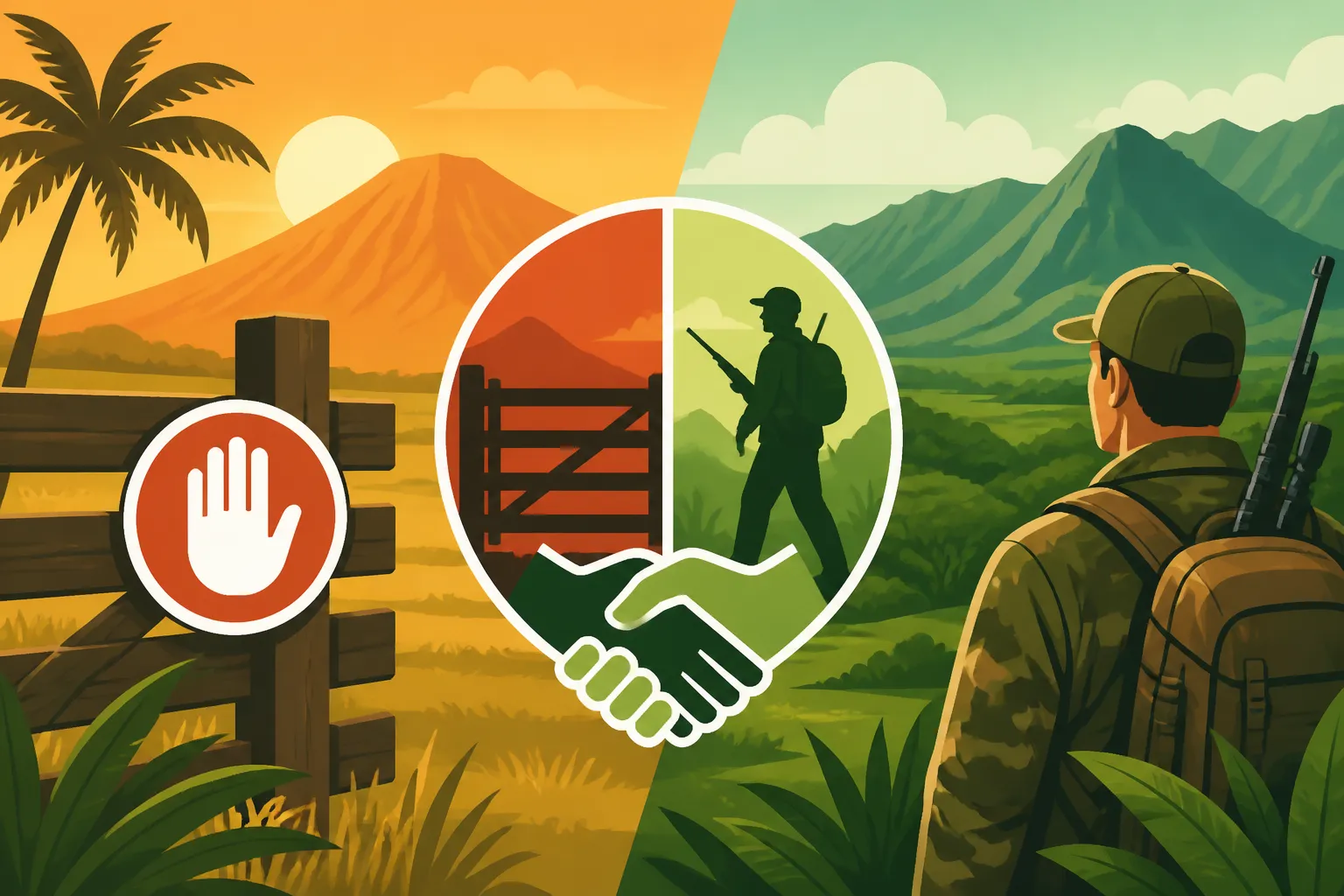
The term "trespass fee" can sometimes sound a bit intimidating, almost as if you're paying not to get in trouble. But in the context of hunting, it's really just a common way to refer to the payment for accessing private land for hunting. Understanding why these fees exist and what they're intended to cover is key to appreciating the value of private land hunting opportunities in Hawaii. It's more than just a charge; it's an agreement for responsible access.
What is a "Trespass Fee" and Why Does It Exist?
At its core, a trespass fee is simply the cost associated with gaining legal permission to enter and hunt on private property. Ranchers and landowners charge these fees for several very good reasons. Firstly, it's a way for them to derive income from their land, offsetting property taxes, insurance, and the costs associated with maintaining roads, fences, and water sources that benefit both livestock and game animals. Secondly, it helps manage hunter numbers. By charging a fee, landowners can control how many people are on their property at any given time, reducing pressure on game and ensuring a quality experience for those who pay.
Beyond the financial aspect, these fees also serve as a mechanism for liability. When you pay a trespass fee, you're entering into an agreement with the landowner, often acknowledging certain risks and responsibilities. This helps protect the rancher in case of accidents or incidents on their property. It's a formal way of saying, "You are welcome here under these terms, and you understand the inherent risks." This transaction legalizes your presence, turning potential trespass into permitted access. The specific Landowner Hunting Agreements Explained will often detail these liability considerations.
Factors Influencing Fee Structures
The cost of a trespass fee or a private ranch hunt in Hawaii isn't arbitrary; it's influenced by a variety of factors. The most significant often include the type of game animal being pursued, the quality and size of the animal, the duration of the hunt, and whether a guide is included. Hunting for a trophy Axis buck, for example, will almost always command a higher fee than a management pig hunt. The specific island can also play a role; properties on islands with fewer public opportunities might have higher demand for private access.
Other factors include the services provided: Does the fee include transportation on the ranch, field dressing, or even a packed lunch? Is it a guaranteed kill fee, or a daily rate with no guarantee? The reputation and demand for a particular ranch or outfitter can also impact pricing. Some highly regarded operations with consistent success rates will naturally charge more. Availability is another consideration; if a ranch only offers a limited number of hunts per year, those slots will often be priced higher due to exclusivity. For a comprehensive overview, checking out What a Ranch Charges to Hunt can provide a general framework, though actual figures will vary.
Transparency in Fee Communication
When you're looking into private ranch hunting, one of the most important things to seek is transparency in fee communication. A reputable outfitter or landowner should be upfront about all costs involved, leaving no room for surprise charges. This means clearly detailing what the base fee covers, what services are optional extras (like meat processing or taxidermy prep), and what, if any, additional government-mandated fees (like hunting licenses or tags) you'll be responsible for.
Before you commit to anything, make sure you receive a clear, written agreement that outlines all financial obligations and the scope of the hunt. Don't be shy about asking questions if something is unclear. For example, inquire about cancellation policies, payment schedules, and what happens if you don't harvest an animal. Platforms like BookYourHunt and even GoHunt sometimes offer a structured way to compare what different outfitters include in their packages, allowing for easier understanding of the total cost. This due diligence ensures that your hunting experience is enjoyable and free from financial misunderstandings. This is part of the broader discussion of Hawaii Private Land Access Permits and ensuring everything is legitimate.
How to Find Reputable Private Ranch Hunting Opportunities
So, you're convinced private land is the way to go, but where do you even start looking? Finding those hidden gems or connecting with the right people can feel like a daunting task, especially if you're not a local. However, there are established avenues and approaches that can significantly increase your chances of securing a fantastic private ranch hunt in Hawaii.
Leveraging Outfitters and Booking Platforms
For many hunters, especially those traveling from outside Hawaii, the easiest and most reliable way to find private ranch hunting opportunities is through established outfitters. These professionals have existing relationships with landowners, possess the necessary permits and insurance, and specialize in organizing hunts. They're your one-stop shop for everything from guiding services to handling logistics. Outfitters often work with multiple ranches, giving them a broader range of options to offer depending on your target species and budget.
Online hunting booking platforms have also become incredibly useful resources. Websites like BookYourHunt often list Hawaii-based outfitters and private ranch hunts, allowing you to browse different packages, read reviews, and directly inquire about availability. These platforms streamline the process, providing a centralized place to research and compare options. While not always directly dealing with the rancher, outfitters are a critical intermediary for Hawaii Private Ranch Hunting Access, ensuring a smooth and legitimate experience. They can also advise you on necessary licenses and permits, making the entire process much less stressful.
Direct Contact with Ranch Owners
For the more independent hunter or those with established local connections, directly contacting ranch owners can sometimes yield results. This approach often requires more effort and patience, as many working ranchers aren't set up as full-time hunting operations. You'll need to do your homework to identify ranches that allow hunting and then find the appropriate contact person. This might involve local research, looking at property maps (like those sometimes available through county tax records), or asking around in local hunting communities.
When making direct contact, always be respectful, clear, and professional. Explain who you are, what you're looking for, and demonstrate that you understand and respect private property. Be prepared to discuss your hunting ethics, insurance (if applicable), and your willingness to adhere to all ranch rules. Sometimes, a direct approach can lead to unique, less commercialized hunting opportunities. However, be aware that many ranches prefer to work with established outfitters due to liability and logistical complexities. It's a genuine form of Getting Permission on a Hawaii Ranch, but patience is key.
Word of Mouth and Local Connections
In Hawaii, as in many close-knit communities, word of mouth and local connections can be incredibly powerful. Many private hunting opportunities aren't widely advertised but are shared within local hunting circles. If you have friends, family, or acquaintances who live on the islands and are involved in hunting, they can be invaluable resources. They might know a rancher who allows hunting, a local guide who has access to private land, or a hunting club that has lease arrangements.
Participating in local hunting events, visiting tackle shops, or simply spending time in communities where hunting is prevalent can help you build these connections. Showing genuine interest, respect for local customs, and a responsible attitude can open doors that online searches never would. Just remember that building trust takes time, and these informal networks are often based on personal reputation. This approach might not get you instant access, but it can lead to some of the most authentic and rewarding hunting experiences.
Essential Preparations and Etiquette for Private Ranch Hunting
Once you've secured access to a private ranch for hunting in Hawaii, your responsibilities don't end there. In fact, they arguably increase. Hunting on private land comes with a unique set of expectations and a greater need for adherence to specific rules and etiquette. This isn't just about legal compliance; it's about maintaining a good relationship with the landowner, ensuring future access, and representing the hunting community positively.
Understanding Ranch-Specific Rules and Expectations
Every private ranch will have its own set of rules, and it is absolutely critical that you understand and adhere to them without exception. These rules might cover everything from permissible hunting methods (e.g., archery only, specific caliber restrictions, no dog hunting) to areas that are off-limits due to livestock, residences, or sensitive environmental zones. There could be specific gates you must use, speed limits on ranch roads, or instructions on where to park your vehicle. Some ranches might have strict rules about entering or exiting specific pastures.
It's also important to clarify expectations regarding game animals. Some ranches might have specific trophy minimums, while others might focus on management hunts for younger animals. Understand the bag limits and any reporting requirements the ranch has. For example, they might require you to check in and out with a specific person or report your harvest immediately. Don't assume anything; ask for a written list of rules or have the ranch manager walk you through them thoroughly before your hunt. Adhering to these is part of respecting the privilege of Rules for Hunting on Ranch Land.
Respecting Landowners and the Land
This cannot be stressed enough: respect for the landowner and their property is paramount. Remember, this is their home, their livelihood, and their investment. Treat the land as if it were your own, or even better. This means practicing strict Leave No Trace principles, picking up all your trash (and maybe a little extra), and being mindful of any infrastructure like fences, gates, and water tanks. If you open a gate, close it behind you. If you encounter livestock, give them a wide berth and avoid disturbing them.
Communication is also a key part of respect. If you encounter an unexpected issue or have a question, communicate promptly and politely with the landowner or outfitter. A simple call or text can prevent misunderstandings. Never overstay your welcome or extend your hunt without explicit permission. Your actions reflect not just on you, but on all hunters, and a positive interaction can ensure that these private land opportunities continue for others. Remember, Hawaii's Rules on Trespass and Closed Area Rules apply even when you have permission if you stray from agreed-upon areas.
Insurance, Liability, and Agreements
Before you step foot on private ranch land, especially for a self-guided hunt, it's wise to consider liability. Many landowners will require you to sign a liability waiver, acknowledging the inherent risks of hunting and releasing them from responsibility for accidents. Read these documents carefully and understand what you are signing. In some cases, having your own personal liability insurance as a hunter might be a good idea, providing an extra layer of protection for yourself and the landowner.
Always ensure you have a clear, written agreement detailing the terms of your access, the dates, the fees, and any specific rules or expectations. This document protects both you and the landowner by formalizing the arrangement. If you're working with an outfitter, ensure they have proper licensing and insurance. This kind of due diligence is not just bureaucratic; it's a responsible part of hunting on someone else's property and helps clarify the boundaries of your visit. This formal agreement is distinct from merely asking for a Landowner Hunting Agreements Explained and hoping for the best; it's about a clear, business-like understanding.
| Type of Access | Description | Typical Inclusions | Pros | Cons |
|---|---|---|---|---|
| Day/Weekend Fee | Paid access for a specific short period (1-3 days). | Property access, specific game area. | Flexible, good for visitors, lower upfront cost. | Less exclusive, potential for less flexibility than a lease. |
| Guided Hunt | Package including guide, access, and often other services. | Guide, transportation, field dressing. | High success potential, expert local knowledge, logistics handled. | Higher cost, less independence. |
| Unguided Access | Access granted without a guide; hunter is self-reliant. | Property access. | More independence, potentially lower cost than guided. | Requires extensive self-reliance, navigation, and game knowledge. |
| Lease Agreement | Long-term (seasonal/annual) exclusive access to a designated area. | Exclusive access to specific tract. | Maximum flexibility, reduced pressure, familiarity with land. | Significant upfront cost, long-term commitment. |
| Cooperative Permit | Access through partnership with state or hunting organization. | Access, specific game, limited days. | Potentially lower cost/free, conservation-focused. | Very limited availability, strict regulations, specific draw periods. |
Disclaimer
This article is for general informational purposes only and does not constitute professional advice. Laws, prices and regulations vary by location and change over time. Consult a qualified professional for guidance on your specific situation.