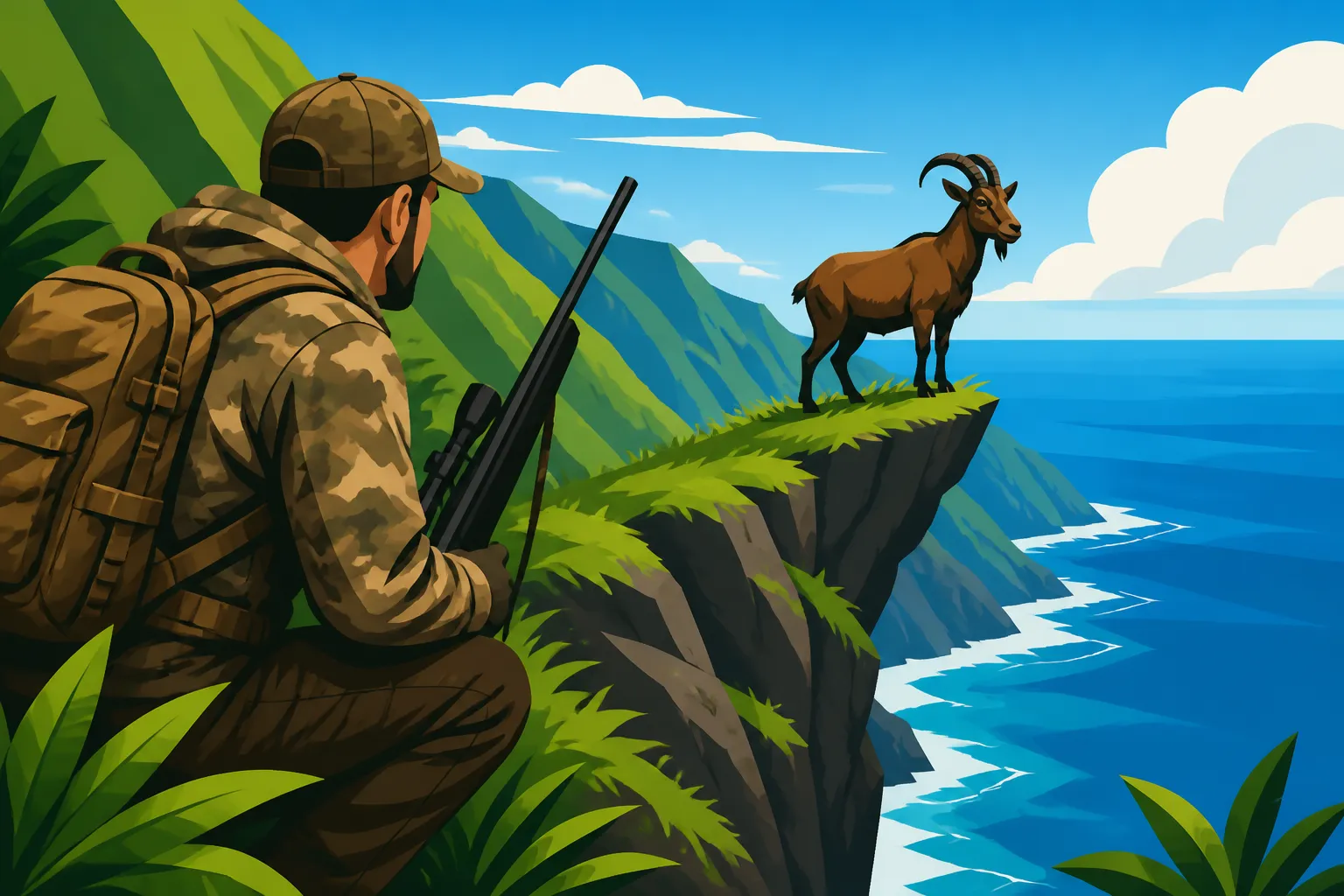
Hunting Goats on a Sea Cliff Safely
Trying to hunt goats along Hawaii's dramatic sea cliffs is an experience unlike any other, offering breathtaking views and a truly challenging pursuit. However, it’s also one of the riskiest endeavors a hunter can undertake here, with unforgiving terrain and sudden weather shifts that can turn a thrilling adventure into a dangerous ordeal in a heartbeat. This guide is all about navigating those extreme environments safely, giving you the knowledge and preparation needed to responsibly pursue these agile animals on their perilous home turf.
The Unique Challenges of Sea Cliff Goat Hunting in Hawaii
Hunting feral goats on Hawaii's sea cliffs means stepping into a world where gravity is your constant companion and every foot placement matters. It’s not just about finding the animal; it’s about surviving the hunt itself. The sheer verticality, the unpredictable footing, and the vast, open exposures demand a completely different mindset and skillset than hunting in a forest or open pasture.
Understanding the Terrain and Its Dangers
Hawaii's sea cliffs are iconic for a reason, but from a hunter's perspective, they present a litany of hazards. We're talking about everything from the precipitous drops that can extend hundreds of feet straight down to the crashing surf below, to unstable rockfalls and loose scree slopes. Imagine trying to navigate a narrow ledge with a strong crosswind, one slip meaning the end of your hunt and potentially much worse. These cliffs are often composed of ancient volcanic rock, which can be surprisingly brittle in places, or covered in a thin, slick layer of soil that hides dangerous cracks and holes. Some areas might have dense, thorny kiawe or haole koa brush that can snag your gear or obscure your footing, adding another layer of difficulty. Understanding that every step could be your last is not hyperbole in these environments; it's a stark reality. You're not just walking; you're constantly assessing risk.
Then there's the rock itself. Some cliffs are sheer basalt, offering tiny handholds and footholds that require rock-climbing skills. Others are eroded, featuring deep cuts and unstable overhangs that could crumble under pressure. Rivers of ancient lava flows might create incredibly rough, jagged surfaces where a fall means severe abrasions or broken bones. You might also encounter hidden caves or blowholes that are easy to miss, especially in low light or fog. Always remember that the goats live here year-round, traversing these treacherous routes with astounding agility. You, however, are a visitor, and the terrain does not forgive mistakes. If you're looking for more general info, understanding How Goats Survive on Hawaii Sea Cliffs can give you an edge in predicting their movements and choosing safer paths.
The Unpredictability of Coastal Weather
Hawaii's weather is notoriously fickle, especially along the coastlines. A clear, calm morning can quickly give way to strong, gusty trade winds that threaten to rip your hat off, or worse, push you off a precarious perch. These winds can also carry a sudden, drenching rain squall that turns dusty trails into slick, muddy slides in minutes. Imagine being high on a cliff face, just having made a successful shot, when a dense fog rolls in, reducing visibility to mere feet. This isn't just an inconvenience; it can be profoundly disorienting and dangerous. Without clear sightlines, you can easily lose your way, misjudge distances, or become completely stuck.
The combination of sun, wind, and potential rain also plays havoc with hydration and heat management. Even on cooler days, the exertion of climbing and navigating can lead to rapid dehydration. And when the sun beats down, especially on exposed rock, heatstroke becomes a real concern. Conversely, being caught in a sudden downpour can lead to hypothermia, even in Hawaii, especially if you're wet and exposed to strong winds. Always check the forecast, but be prepared for anything, keeping in mind that microclimates along the coast can mean conditions change dramatically from one gulch to the next. For more on preparing for the elements, read up on Water and Heat Planning for a Hawaii Hunt.
Assessing Goat Behavior on Vertical Faces
Feral goats on Hawaii's sea cliffs are masters of their domain. They move with incredible grace and confidence on terrain that would make most humans freeze in fear. This means they often bed and feed in spots that are virtually inaccessible, using the sheer rock faces as their sanctuary from predators (like hunters). They're highly alert, with excellent eyesight, and their ability to detect scent on the swirling coastal winds is uncanny. Trying to approach them head-on often ends in them simply disappearing over an impossibly steep drop or into a hidden ravine.
Their movements are often dictated by feed, water, and security. They'll traverse narrow game trails worn into the cliffside, often barely wider than their hooves. Observing these trails from a safe distance through good optics can give you clues about their patterns. Goats will often move at first light to feed on sparse vegetation, before bedding down in shady, secure spots as the sun climbs high. Knowing Why Hawaii Goats Move at First Light is crucial for planning your approach. When spooked, they rarely run horizontally; instead, they'll ascend higher or drop down into the deepest, most inaccessible crevices. Understanding this escape behavior is vital, as it directly impacts your shot placement and recovery strategy.
Essential Gear and Preparations for Cliff Hunts
Success and safety on a Hawaii sea cliff goat hunt hinge entirely on meticulous preparation and the right gear. This isn't the kind of hunt where you can just "make do" with what you have. Every item in your pack needs to be intentionally chosen for its utility, durability, and most importantly, its contribution to your safety.
Non-Negotiable Safety Equipment
When you’re hunting on sea cliffs, safety equipment transitions from "nice to have" to "absolutely essential." First and foremost, a sturdy, well-fitting backpack is crucial. It needs to distribute weight evenly and securely, without shifting or snagging. Inside that pack, you'll want at least 3-4 liters of water, more if it’s a long day or particularly hot. A first-aid kit, robust enough for severe cuts, sprains, and potential fractures, is non-negotiable. Include pain relievers, bandages, antiseptic wipes, and moleskin for blisters. A high-quality headlamp with extra batteries is critical, even if you plan to be out before dark, as unexpected delays can leave you navigating treacherous terrain in the dark.
Beyond the basics, specialized gear makes a huge difference. Good quality binoculars or a spotting scope are vital for Glassing a Hawaii Coastline for Goats from a safe vantage point, helping you spot animals and map out potential routes before putting yourself in danger. A reliable GPS device, whether a dedicated unit or a robust smartphone app like onX Hunt (download maps offline!), is paramount for navigation, especially if fog or rain moves in. A personal locator beacon (PLB) or satellite messenger (like a Garmin InReach) could be the difference between life and death if you get injured or stranded with no cell service. Don't forget a whistle for signaling, a multi-tool, and some sturdy rope or paracord for emergencies or carcass recovery.
Here's a quick rundown of essential gear:
| Category | Item | Purpose |
|---|---|---|
| Navigation | GPS device/Offline maps | Route finding, avoiding trespass, emergency location |
| Compass & Topo Map | Backup navigation, understanding terrain features | |
| Safety | PLB/Satellite Messenger | Emergency communication where cell service is absent |
| Robust First-Aid Kit | Treating injuries, especially cuts, sprains, and fractures | |
| Whistle | Signaling for help | |
| Headlamp & Extra Batteries | Night navigation, emergency lighting | |
| Personal | 3-4+ Liters Water | Crucial for hydration in hot, strenuous conditions |
| High-Energy Snacks | Sustaining energy during demanding climbs | |
| Sunscreen & Hat | Protection from intense tropical sun | |
| Sunglasses | Eye protection and glare reduction | |
| Hunting Specific | High-Quality Optics (Binos/Spotting Scope) | Locating goats and safe routes from a distance |
| Rifle/Bow & Ammunition | Ethical harvest | |
| Knife/Multi-tool | Field dressing, general utility | |
| Game Bags | Keeping meat clean and cool | |
| Recovery & Rope | 50-100 ft static rope (min 8mm) | Lowering gear, assisting with carcass recovery, emergency rappelling (with training) |
| Basic Harness & Rappel Device | For personal safety on extreme slopes (only with proper training) |
Footwear, Clothing, and Hydration for Exposed Conditions
Your footwear is arguably the most critical piece of equipment for sea cliff hunting. You need sturdy, high-ankle boots with aggressive, sticky outsoles for maximum traction on loose rock, slick grass, and steep slopes. "Walking Rough Lava Without Wrecking Your Boots" shares insights on the kind of durability you'll need. Boots should be well broken-in to prevent blisters but still offer excellent support. Avoid soft, flexible trail runners; they won't provide the ankle support needed to prevent sprains on uneven ground. Waterproofing is a bonus, but breathability is often more important in Hawaii's humidity.
Clothing should be lightweight, quick-drying, and allow for a full range of motion. Layers are key: a moisture-wicking base layer to manage sweat, a mid-layer for warmth if winds pick up or temperatures drop in elevation, and a good quality rain shell. Even if it's sunny, a breathable long-sleeved shirt and pants offer protection from the sun, sharp vegetation, and abrasions from rock. Remember, blaze orange is required in many Hawaii hunting units, so ensure you have a vest or hat that meets regulations. Finally, staying hydrated is paramount. Carry more water than you think you'll need, along with electrolyte supplements. Sip regularly, don't wait until you're thirsty.
Planning Your Approach and Extraction
Effective planning for a sea cliff hunt goes far beyond just scouting for animals. It’s about meticulously mapping your entire route, from the access point to potential shooting lanes, and most critically, to your planned extraction path. Utilize topographic maps, satellite imagery (Google Earth, onX Hunt), and even drone footage if available, to identify safe walking ridges, potential bypasses around impassable sections, and areas where goats are likely to be. Look for natural funnels, benches, or less steep sections that could offer a safer approach. When available, GoHunt can also be a valuable resource for unit maps and access points, helping you understand the lay of the land before you even step foot in the unit.
Consider both your ingress and egress. What looks like an easy descent might be an impossible climb back up with a goat on your back. Always have a backup plan, or even a couple of exit strategies, especially if you anticipate having to pack out an animal. Pay close attention to wind direction, as thermals on sea cliffs can be highly unpredictable, constantly shifting as they interact with the sun-warmed rock and ocean breezes. A goat's nose is their primary defense, and a swirling wind will betray your presence in an instant. Finally, always let someone know your exact hunting plan, including your route, expected return time, and who to call if you don't check in.
Tactical Approaches for a Safe and Successful Hunt
Hunting goats on sea cliffs isn't just about perseverance; it's about smart tactics that prioritize safety while maximizing your chances of success. It requires patience, keen observation, and the discipline to know when to push forward and, more importantly, when to back off.
Spotting and Stalking from a Distance
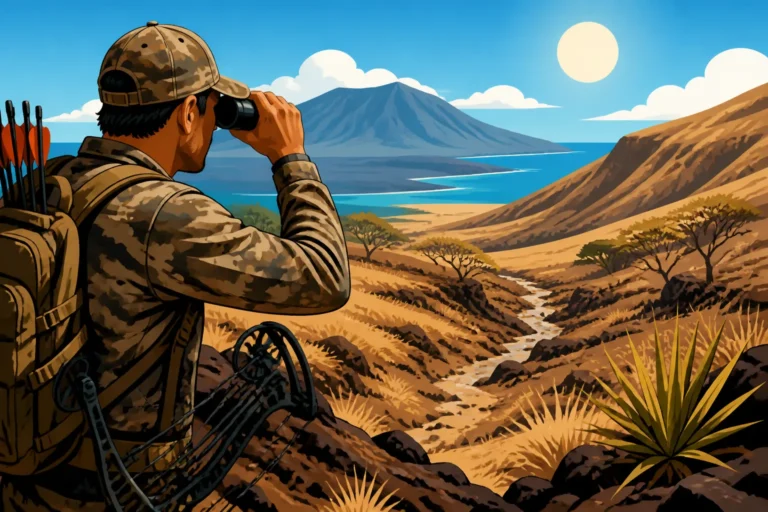
The sheer, exposed nature of sea cliffs means that effective spotting from a safe distance is your number one tool. You simply cannot afford to blindly wander into dangerous terrain. Set up your spotting scope or binoculars on a stable tripod from a high, commanding vantage point that offers wide views of the cliff faces, gulches, and ledges below. Spend hours, if necessary, patiently glassing every inch of the habitat. Look for movement, subtle color differences, or telltale flickers of ears. Goats, especially billies, can blend incredibly well into the volcanic rock. They also often lie down in the smallest patches of shade, making them almost invisible.
Once you spot an animal, don't immediately start your stalk. Observe it carefully. How many are there? Are there other goats nearby? What is their behavior? Are they feeding, bedding, or moving? Crucially, assess the terrain between you and the goat, and beyond the goat. Is there a safe, cover-rich route for a stalk? Are there any natural obstacles like deep canyons or sheer drops that would make recovery impossible? Even if the goat is in a shootable position, if the recovery is too risky, it's best to pass. Remember, these animals live in some of the most challenging terrain, and knowing How Goats Survive on Hawaii Sea Cliffs will help you anticipate where they might be.
Shot Placement and Animal Recovery Considerations
When you finally get into a position for a shot on a sea cliff goat, precision is paramount. A wounded animal can disappear into an inaccessible abyss, creating an ethical dilemma and a potentially dangerous recovery situation. Aim for a clean, ethical shot that anchors the animal quickly. This often means aiming for the shoulder or spine, rather than a lung shot that might allow the animal to run a significant distance. On these animals, a double lung shot can still allow them to traverse considerable distance, which on a cliff face is disastrous. Be patient, wait for the goat to offer a broadside or slightly quartering-away shot, and ensure you have a stable shooting platform.
Before you even pull the trigger, mentally walk through the recovery. Where will the animal fall? Will it tumble off the cliff? Is there a safe path to reach it? If the animal is on a very steep slope, a well-placed shot could still send it sliding down. If it's on a narrow ledge, getting to it safely might require specialized climbing gear and experience. Never attempt a recovery that puts your life at risk. If a goat falls into an unrecoverable position, it's a bitter pill to swallow, but your safety always comes first. This is where a hunting partner, trained in basic rope work and safety, can be invaluable. Considering What a Hawaii Feral Goat Weighs can help you gauge the difficulty of packing it out.
Partner Hunting and Communication Protocols
For sea cliff hunting, going solo is an invitation for disaster. A hunting partner, or better yet, a team of two or three, drastically increases safety and efficiency. Not only can you cover more ground during glassing, but you also have an immediate resource in case of an accident. If one person slips, the other can provide assistance. If someone needs to perform a risky recovery, the other can provide a belay or anchor. Always establish clear communication protocols before you even leave the vehicle. This means understanding hand signals, agreeing on call-out words, and knowing how to use your radios or satellite communicators effectively.
When stalking, one person can often stay back with optics, guiding the stalker from a higher, safer vantage point. They can identify unseen obstacles, keep track of the goat's movements, and warn of any hazards. This "spotter-shooter" dynamic is incredibly effective in open, broken terrain. Ensure everyone on the team is proficient in first aid and knows how to activate a PLB or satellite messenger. The physical and mental demands of sea cliff hunting are immense, and having a trusted partner to share the load and watch your back is indispensable.
After the Shot: Recovery and Respecting the Land
Congratulations, you've made a successful shot on a sea cliff goat! The hard part, however, isn't always over. Recovering the animal safely and performing proper field care in this challenging environment requires careful planning and a deep respect for the aina (land).
Safe Carcass Retrieval from Difficult Spots
Once your goat is down, the most dangerous part of the hunt often begins: getting to the animal and getting it off the cliff. Assess the immediate area around the carcass for stability. Are there loose rocks? Is the ground firm? If the goat is on a steep slope, approaching it from above can be very risky, as you could dislodge rocks onto the carcass or yourself. Often, it's safer to approach from below or horizontally, if possible. If the animal has fallen into a gulch or onto a very narrow ledge, you'll need to consider if you have the skills and equipment for a safe retrieval. This might involve rope work, which should only be attempted by those with proper training and equipment. Never rush this process, and never put yourself in harm's way for an animal.
If retrieval seems too risky, it's important to be honest with yourself. Sometimes, the most ethical decision is to leave an animal if retrieval is genuinely unsafe. However, with proper preparation and perhaps a trained partner with rope experience, many seemingly impossible recoveries become manageable. Consider methods like using a rope to lower gear to the animal, or to belay a hunter down a tricky section. Once at the animal, field dressing should be done as quickly as possible, both to cool the meat and reduce the weight. Then, quartering the animal into manageable pieces will make the pack out significantly easier. This is similar to strategies used for Packing Meat Out of a Hawaii Gulch.
Field Care in Coastal Conditions
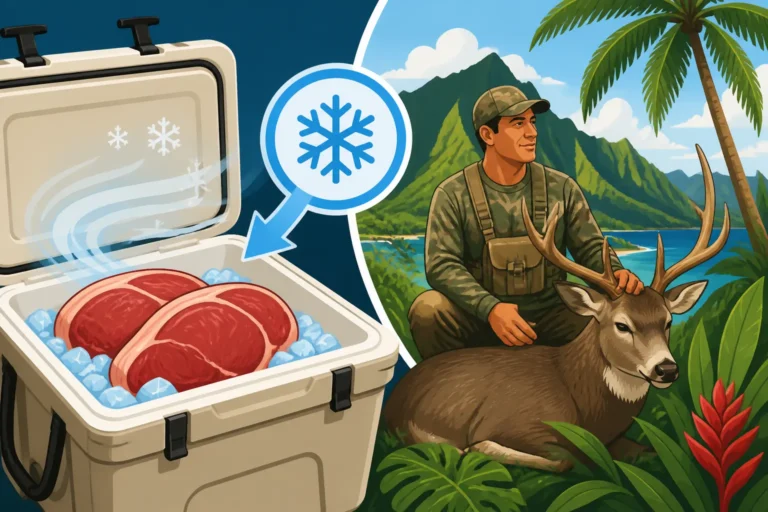
The warm, humid coastal air in Hawaii can spoil meat quickly. As soon as you reach the downed animal, begin field dressing immediately to allow the carcass to cool. Remove the entrails, heart, and lungs. If possible, rinse the cavity with some of your precious water to clean it, then prop it open to maximize air circulation. Get the hide off the animal as soon as you can. This is critical for cooling. Cutting the animal into quarters or smaller pieces (bone-in or deboned, depending on your preference and the weight you can carry) will not only make it lighter but also exposes more surface area to air, further aiding cooling. Pack the meat into breathable game bags, not plastic bags, which will trap heat.
If you have a long pack out ahead, try to find shade for the meat while you prepare your gear. Carrying insulated game bags or a small collapsible cooler might seem like overkill on the way in, but they can be invaluable on the way out. For more in-depth advice on this, check out Field Care in Hawaii's Heat and Humidity. The goal is to get the meat cooled down and off the cliff as fast as possible to prevent spoilage and ensure you honor your harvest.
Leaving No Trace and Respecting Hawaiian Culture
As hunters in Hawaii, we carry a kuleana – a responsibility – to the land and its people. This means adhering to the principles of "Leave No Trace." Pack out everything you pack in, including all trash, shell casings, and any food waste. If you quarter the animal, bury the gut pile away from trails and water sources, or scatter it to decompose naturally. Minimize your impact on the vegetation and terrain; stick to established trails where possible, and avoid unnecessary damage.
Beyond the physical act of leaving no trace, it's crucial to approach hunting with respect for Hawaiian culture. Many of these areas hold deep historical and cultural significance. Be mindful of sacred sites, ancient trails, or culturally sensitive areas. Always be courteous and respectful to other land users, whether they are hikers, fishermen, or cultural practitioners. Checking in and out of units properly, reporting your harvest, and following all regulations are not just legal requirements but acts of respect that contribute to the ongoing privilege of hunting in these unique islands. Your ethical conduct directly influences the perception of hunters in Hawaii, so always strive to be a positive ambassador for our tradition.
Disclaimer
Hunting is an inherently dangerous activity. The information provided in this guide is for informational purposes only and is not a substitute for professional training, personal experience, or adherence to all local, state, and federal hunting regulations. Always prioritize your safety, hunt with a partner in challenging terrain, and ensure you have the necessary skills, equipment, and permits before venturing into the field.