Navigating a Hawaii Gulch System
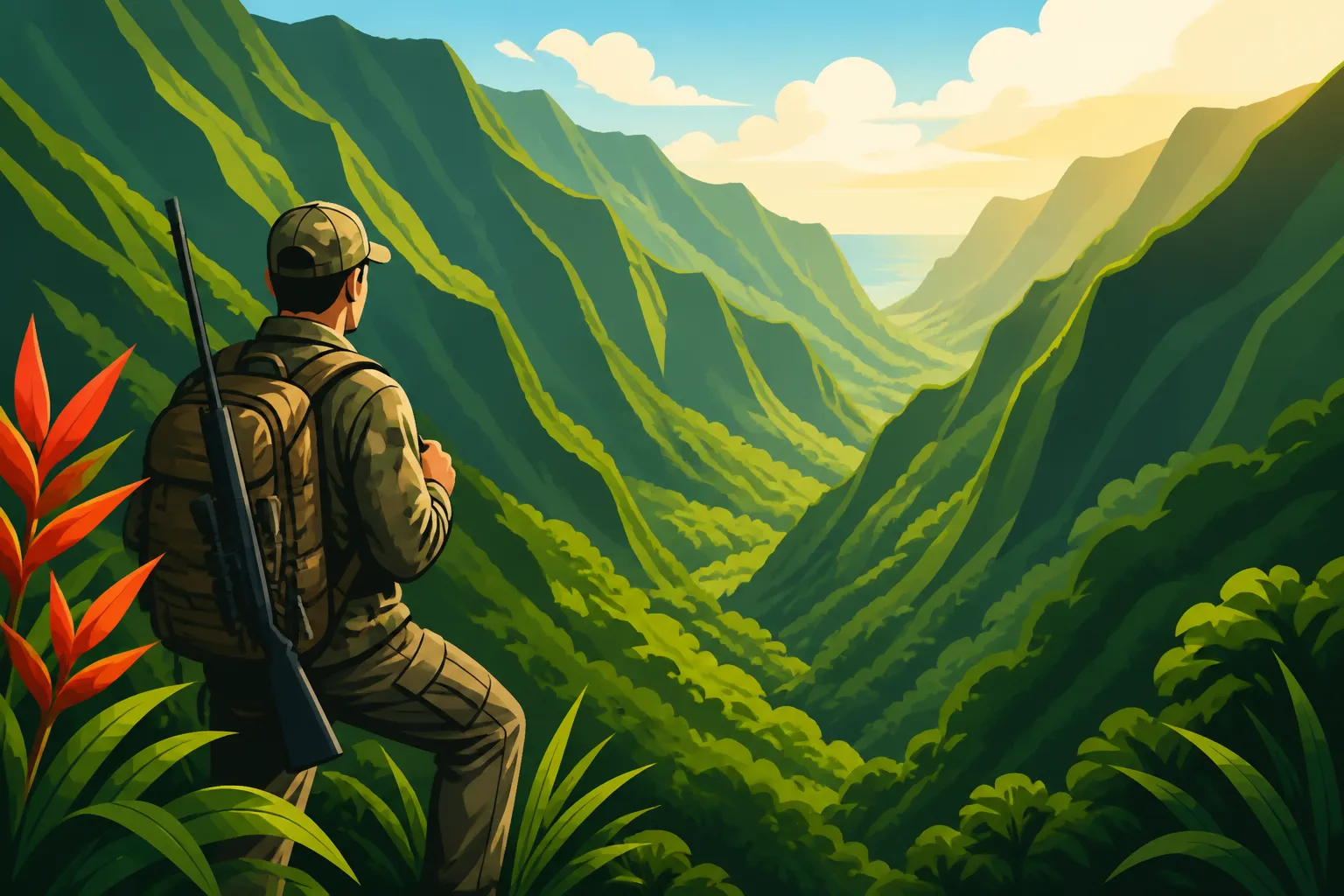
The intricate labyrinth of Hawaii's gulch systems presents one of the most significant challenges for hunters venturing into the islands' wildlands. These steep, often heavily vegetated ravines can quickly turn a promising hunt into a grueling struggle for every foot of elevation. This guide aims to equip you with the knowledge and strategies necessary to safely and effectively navigate these formidable natural barriers, transforming them from obstacles into key hunting advantages.
Understanding the Unique Challenges of Hawaii's Gulch Systems
Hawaii's landscape is defined by its volcanic origins and relentless erosion, creating a terrain unlike almost anywhere else. Gulches, or 'ʻāwawa' in Hawaiian, are a quintessential feature, and understanding their formation and characteristics is the first step to mastering them.
Geological Formation and Environmental Factors
Hawaii's gulches are carved by thousands of years of rainfall and runoff flowing from the mountains to the sea. On younger islands like the Big Island, you might find wider, U-shaped valleys, sometimes even with exposed lava flows or cinder cones, especially in areas like those encountered when Hunting Hawaii's Volcanic Terrain. As you move to older islands such as Kauai or parts of Maui and Oahu, the gulches tend to be much steeper, deeper, and V-shaped, with sheer walls and heavily eroded banks.
The rapid changes in elevation within a gulch create numerous microclimates. One moment you could be in a hot, dry, rocky section, and the next, you're enveloped in a cool, damp, moss-laden environment. This diversity dictates not only the type of vegetation you'll encounter but also where game animals might seek shelter, feed, or water. For example, the windward sides of islands, receiving more rainfall, often feature lush, dense gulches with perennial streams, while leeward gulches might be arid and rocky for much of the year, only flowing after heavy rains. The steepness can be deceiving; a seemingly short distance on a map can translate to hundreds of feet of treacherous vertical ascent or descent.
Dense Vegetation and Hidden Obstacles
The lushness of Hawaii's gulches is both beautiful and incredibly challenging for hunters. Common culprits include thorny kiawe trees, often found in dry, coastal gulches, whose spines can easily puncture boots and skin. Strawberry guava forms impenetrable thickets, creating tunnels and mazes that are difficult to move through quietly or even see past. On the wetter, higher slopes, you'll battle tangled uluhe ferns, which trip you up and soak you through, and dense stands of haole koa or various native trees and vines that restrict movement.
This dense vegetation isn't just an annoyance; it creates significant visibility issues, making it hard to spot game or even your next step. It also hides numerous hazards: loose rocks, slippery mud, unseen drops, and even lava tubes or old sinkholes. For animals, these thickets provide perfect cover, making spot-and-stalk hunting incredibly difficult. Your scent also gets trapped and swirled in these confined spaces, making it difficult to read the wind effectively. Hunters often find themselves crawling or pushing through brush, which is physically exhausting and dramatically slows progress.
Water Hazards and Shifting Conditions
Water, while essential for life, is a double-edged sword in Hawaii's gulches. Many gulches contain streams, ranging from gentle trickles to raging torrents. In the wetter regions, especially when Hunting Hawaii's Wet Forest, you'll encounter slippery stream beds covered in moss and algae, deep pools, and treacherous crossings. Flash floods are a very real danger during or after heavy rainfall, turning a small stream into a dangerous, impassable river in minutes. The force of these floods can reshape gulch bottoms, move boulders, and create new obstacles.
Seasonal rainfall patterns and how Hawaii's Trade Wind Patterns interact with the mountains dictate water levels. During dry periods, many gulch streams may dry up, leaving behind rocky beds that offer easier (but still uneven) travel. However, even a sudden downpour can quickly change conditions, making what was a dry path a slippery mess. The constant humidity in many gulches also means everything is perpetually damp, leading to slippery conditions on rocks and muddy trails. This requires constant vigilance and careful foot placement to avoid slips and falls. Crossing Water and Muddy Areas isn't just about getting wet; it's about maintaining footing, protecting gear, and avoiding injury.
Strategic Planning for Safe Gulch Navigation
Successfully navigating a Hawaii gulch begins long before you set foot in the field. Thoughtful preparation, careful gear selection, and a solid understanding of your chosen area are paramount.
Pre-Hunt Reconnaissance and Mapping
Before you even consider descending into a gulch, thorough reconnaissance is critical. Start with high-resolution satellite imagery using tools like Google Earth, onX Hunt, or the GoHunt Hawaii application. Zoom in close to identify the steepest sections, potential waterfalls, areas of dense vegetation (which often appear darker green), and most importantly, any discernible animal trails that might offer easier passage. Look for open patches, flatter benches, or 'kipukas' within the gulch that might serve as natural resting points or glassing locations.
Pay close attention to contour lines on topographic maps. Tightly packed contours indicate steep, often cliff-like sections, while more spaced-out lines suggest a gentler slope. Identifying these on a map will help you understand the elevation changes you'll face. Try to pinpoint natural choke points where game might be funneled, or wider sections that offer better visibility and potential shot opportunities. Crucially, always identify multiple potential entry and exit points, even if your primary plan involves only one. Having a backup plan for a quick egress is vital, especially if conditions change or an animal leads you into an unexpected area. If you can, scout the area from a distance before your hunt day to get a real-world perspective on what the maps show. This helps gauge the true density of cover and the actual steepness of the terrain.
Essential Gear for Gulch Hunting
Your gear choices can make or break a gulch hunt. First and foremost are your feet. You'll need sturdy, high-ankle Boots for Hawaii Lava and Wet Forest with aggressive, non-slip outsoles that can handle sharp lava, slippery mud, and uneven terrain. Waterproofing is a huge plus.
For navigation, don't rely solely on your phone, especially since No Cell Signal on a Hawaii Hunt is common in gulches. A reliable GPS unit (like a Garmin inReach or dedicated handheld device) is essential, coupled with a downloaded map offline. Carry a physical map and compass as a backup – they never run out of battery. Hydration is non-negotiable; bring more water than you think you'll need, perhaps a hydration bladder in your pack, as Water and Heat Planning for a Hawaii Hunt is critical in these often humid, strenuous environments. Electrolytes are also a good idea.
Safety gear should include a well-stocked first-aid kit for cuts, scrapes, and sprains. A powerful headlamp with extra batteries is crucial if you anticipate being out past dark, which can happen unexpectedly when Staying Found in Dense Hawaii Rainforest. A whistle can be used for signaling. Consider trekking poles for added stability on steep descents and ascents, reducing strain on your knees and providing balance on slick surfaces. A sturdy knife is always useful, and a small, lightweight machete can be invaluable for clearing light brush, though you don't want to rely on it for heavy trailblazing.
Choosing Entry and Exit Points Wisely
The old adage, "what goes down must come up," applies doubly to gulches. An easy descent into a gulch often means a brutal climb out. When planning your route, consider the condition of your body after a long day of hunting, potentially with an animal on your back. Always identify the least strenuous entry and exit points. Sometimes, this means hiking further along the rim to find a gentler slope rather than attempting a direct, steep drop.
Think about how the terrain dictates access for different game. For Hunting Goats on Hawaii's Coastal Cliffs, you might be accessing gulches directly from the shoreline or descending from the plateau above. For Hunting Pigs in Hawaii's Rainforest Gulches, your access points might be along old logging roads or trails that cut into the forest. Assess the steepness, the density of vegetation, and the presence of water features. If you are hunting with dogs, consider how your dogs will handle the terrain. Always have a mental (or GPS-marked) "bail-out" route in mind – a known path to higher, easier ground if you encounter an impassable obstacle or get disoriented. Remember, the safest entry or exit isn't always the shortest.
Techniques for Moving Safely and Effectively in Gulches
Once you're in a gulch, your movement techniques become paramount. It's not just about speed; it's about efficiency, safety, and stealth.
Mastering Steep Ascents and Descents
Moving up and down steep gulch walls requires deliberate, controlled movements. When descending, try to face slightly sideways to the slope, using the balls of your feet and testing each step before committing your weight. Utilize natural handholds like sturdy roots, rocks (ensure they're stable!), or even small tree trunks. Avoid moving straight down the fall line, which can lead to uncontrolled sliding or falls. Instead, use a series of short, angled traverses, often called switchbacking, to gradually lose elevation. This reduces strain on your knees and maintains better balance.
For ascents, lean into the slope, taking short, powerful steps. Use your leg muscles, not just your back. Trekking poles can be a game-changer here, providing two extra points of contact for balance and distributing some of the load. If you're carrying a heavy pack, especially when Packing Meat Out of a Hawaii Gulch, take frequent, short breaks to conserve energy. Never rush. A slip on a steep, muddy slope can lead to serious injury. In extremely steep or treacherous areas, some hunters carry a length of durable rope (e.g., 50-100 feet of static line) to assist with gear hauling or to provide a handline, though this requires training and experience to use safely.
Navigating Through Dense Brush and Obstructions
Dense vegetation is the natural enemy of quiet movement. To move effectively through thickets, try to identify and follow animal trails. Pigs, goats, and deer create tunnels and worn paths that, while sometimes tight, offer the path of least resistance. Observe the ground for fresh sign that might indicate a well-used game trail. When you must push through, do so slowly and deliberately. Use your hands to part vegetation, checking for thorny branches or hidden obstacles before stepping.
Try to move with your rifle or bow in a safe, ready position that won't get snagged or damaged. A sling that allows you to carry your firearm across your chest can be very useful. A small, sharp machete can be invaluable for clearing a path through lighter brush like ferns or thin guava, but remember that hacking through thick jungle is incredibly strenuous and noisy, often counterproductive to hunting. Focus on making slow, quiet progress, listening for any sounds of disturbed animals. The goal is to move like water, finding the easiest path, rather than trying to force your way through. Maintaining awareness of your surroundings is crucial here; it's easy to get turned around when Staying Found in Dense Hawaii Rainforest.
Recovering Game from Challenging Gulch Terrain
The moment you successfully take an animal in a gulch is often when the real work begins. Your immediate priorities are to mark the exact spot where the animal fell, secure it, and begin field dressing immediately to cool the meat, especially in Hawaii's heat and humidity. If the animal rolls or slides, mark its initial position before pursuing to ensure you don't lose the blood trail.
Getting a Pig Out of a Hawaii Gulch or a large Axis deer can be an epic undertaking. If the terrain is too steep or the animal too heavy to drag whole, quartering is almost always the best option. Break the animal down into manageable pieces (quarters, backstraps, tenderloins, neck meat) and place them in breathable game bags. This not only makes the load lighter but also allows the meat to cool more rapidly, preventing spoilage. A sturdy pack frame is essential for hauling heavy loads out of a gulches.
Consider the time of day and the distance back to your vehicle. If it's late in the day, you might need to establish a temporary cooler using shade, stream water, and game bags, and retrieve the meat the following morning, provided it's safe and you've taken proper cooling measures. If you're hunting with a partner or a team, coordinate your efforts. In some extreme situations, calling in professional packers or even a helicopter for extraction (where permissible and financially feasible) might be the only way to recover an animal safely and efficiently. Planning for this possibility beforehand is smart.
Contingency Planning and Emergency Protocols
Hunting in Hawaii's gulches means entering remote, unforgiving environments where unexpected situations can arise quickly. Having a solid contingency plan and knowing emergency protocols are not optional; they are life-saving.
Communication Strategies in Remote Gulches
The deep, twisting nature of gulches means that even if you have cell service on the rim, it will almost certainly disappear once you descend into the valley. Relying on a cell phone for communication in a gulch is a gamble you cannot afford to take. This makes satellite communication devices absolutely essential. Devices like the Garmin inReach or Zoleo allow you to send and receive text messages, track your progress, and activate an SOS function even when No Cell Signal on a Hawaii Hunt is available. These devices provide a crucial link to the outside world if you encounter an emergency.
Before your hunt, always create a detailed "float plan." This includes your intended route, where you expect to be, when you expect to return, and who is with you. Leave this plan with a trusted person who knows what to do if they don't hear from you by your designated check-in time. Discuss rendezvous points and check-in schedules if hunting with a group. Assume you will not have cell service and plan accordingly. Even a simple whistle can be a signaling device for nearby partners if visibility is low.
Addressing Common Gulch Emergencies
Gulches are ripe for minor and major mishaps. Twisted ankles, sprains, deep cuts from rocks or sharp vegetation, and dehydration are common. Your first-aid kit should be robust, including bandages, antiseptic wipes, pain relievers, blister treatment, and any personal medications. Knowing basic first aid is critical.
While Hawaii lacks venomous snakes, you might encounter centipedes or scorpions, whose bites can be painful. More serious is the risk of heat exhaustion or heatstroke, especially during strenuous activity in humid conditions. Recognize the symptoms: dizziness, nausea, heavy sweating, confusion. If a hunting partner shows these signs, get them to shade, cool them down with water, and hydrate them immediately. Prepare for Water and Heat Planning for a Hawaii Hunt by bringing ample fluids and salty snacks. Always assess the severity of an injury. A minor cut can be self-treated, but a suspected broken bone or severe head injury warrants immediate emergency communication.
Signaling for Help and Self-Rescue Principles
If you find yourself in an emergency and unable to move, knowing how to signal for help is crucial. The universal distress signal is three of anything: three whistle blasts, three flashes of a light, or three distinct shouts. If you have a satellite communicator, activate the SOS function without hesitation. This will alert emergency services with your exact location.
If you are injured or lost, the principle of "Stop, Think, Observe, Plan" (STOP) is your best friend. Prioritize shelter, water, and signaling. If you are injured and cannot move, stay put. It's far easier for rescuers to find a stationary target. Conserve your energy and water. Build a visible signal fire (if safe and permissible), lay out bright-colored clothing, or use a signal mirror. The difficult decision of whether to stay put or attempt self-rescue must be made carefully. Generally, if you are injured or disoriented, staying in one place and signaling is the safer bet unless you are absolutely certain of your path to safety and that you can make it without exacerbating your situation. In severe emergencies, especially where serious injury or severe disorientation is involved, do not hesitate to call for external assistance, contacting DOFAW, the local police, or the fire department via your satellite device. They have search and rescue capabilities to respond to hunters in distress.
Gulch Navigation Gear Checklist
Here’s a quick overview of essential gear for tackling Hawaii’s gulches:
| Category | Essential Gear | Recommended for Extreme Gulches |
|---|---|---|
| Footwear | High-ankle, waterproof boots with aggressive tread | Specialized mountaineering/hiking boots for enhanced ankle support |
| Navigation | GPS device (with offline maps), physical map, compass | Satellite messenger/PLB (e.g., Garmin inReach, Zoleo) |
| Hydration | 3+ liters water, electrolyte supplements | Water filter/purifier for stream sources |
| Safety | Comprehensive first-aid kit, whistle, headlamp | Small, lightweight rope (static line), signal mirror |
| Tools | Sturdy knife, multi-tool | Lightweight machete or folding saw |
| Clothing | Layered, moisture-wicking clothing, rain gear | Durable, tear-resistant outer layer |
| Comfort/Aid | Small backpack, high-energy snacks, sunscreen | Trekking poles, game bags, pack frame |
| Communication | Charged cell phone (for emergency if signal found) | Pre-programmed emergency contacts in satellite device |
Navigating Hawaii's gulches is a test of skill, endurance, and preparation. By understanding the unique challenges, planning meticulously, employing effective movement techniques, and preparing for emergencies, you can turn these formidable features into an integral part of a successful and memorable Hawaii hunting experience.
Disclaimer
Hunting is an inherently dangerous activity. The information provided in this guide is for informational purposes only and should not replace professional training, local regulations, or personal judgment. Always prioritize safety, adhere to all local hunting laws, and ensure you have the necessary skills and equipment for the conditions you may encounter.