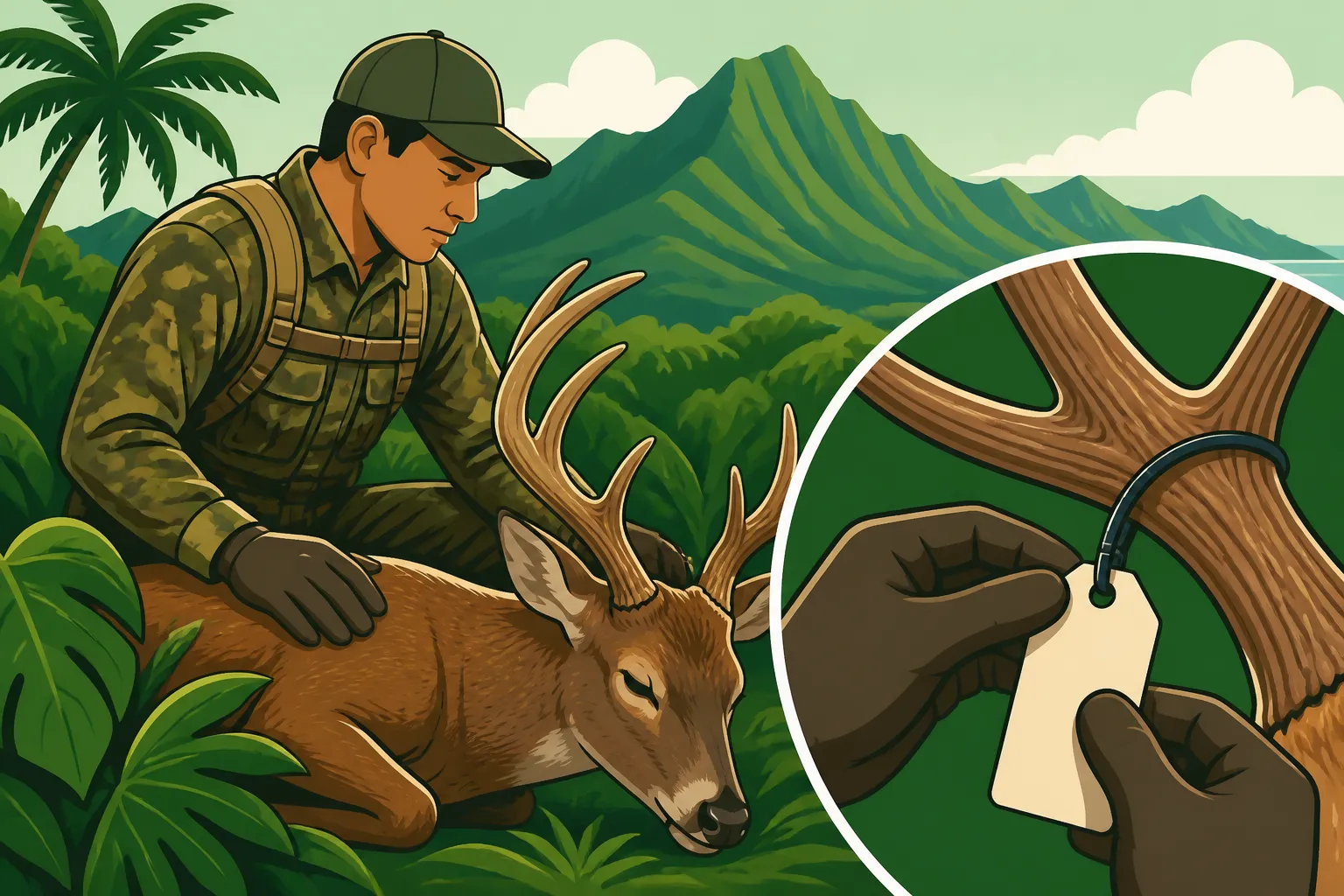
Tagging Rules After the Kill
Alright, let's talk about the moment of truth after a successful hunt in Hawaii – the tagging. There's a lot of excitement and adrenaline, but that's also when some hunters slip up on the crucial regulations for tagging their animal. It's a common frustration, especially with Hawaii's unique system, but understanding these rules isn't just about avoiding a hefty fine; it's about respecting the game, the land, and the integrity of the hunt. This guide is here to walk you through every step of Hawaii's tagging requirements, ensuring you're squared away after the shot.
The Basics of Hawaii's Tagging System
Hawaii's approach to managing its game animals, particularly the introduced species that many hunt, involves a specific permit-tag system that goes beyond just a general hunting license. It's a system designed to track harvest numbers and manage populations effectively, and knowing how it works is your first line of defense against unwitting violations.
What is a Permit-Tag and Why Do You Need One?
A Hawaii hunting license is your general permission slip to be in the field and hunt during open seasons. However, for certain species, on specific islands, and within particular hunting units, you'll also need a separate permit-tag. Think of the permit-tag as the actual authorization to take a specific animal. These aren't universal; they're often tied to specific draws or available for purchase for certain species, like the highly sought-after Axis deer on Maui, Lanai, and Molokai, or Mouflon sheep on Hawaii Island. The state uses these tags to control harvest pressure, especially on vulnerable populations or in areas requiring stricter management. It’s absolutely critical that you understand the difference and ensure you have both your current Hawaii hunting license and the correct permit-tag for the animal you intend to pursue. Many hunters purchase these permit-tags, along with their general license, through the official GoHunt Hawaii online portal, which simplifies the process considerably compared to years past. For a deeper dive, check out how Hawaii's Permit-Tag System Works.
General Rules for Attaching Your Tag
Once you've made a successful harvest, the very first thing you need to do, after ensuring the animal is dispatched safely and humanely, is to validate and attach your permit-tag. This isn't something you can put off until you get back to the truck or camp. The rule of thumb in Hawaii, as in most places, is immediate tagging. This means as soon as the animal is down and secure, the tag must be filled out completely and affixed to the carcass. The tag typically has fields for the date of kill, the hunting unit, and possibly other details like sex or antler points, depending on the species and tag type. You need to use a permanent marker and fill out all required information legibly. Failure to fill out the tag properly, or leaving it blank, is just as much a violation as not having one at all.
The Importance of Immediate Tagging
Why the insistence on immediate tagging? It's all about preventing potential abuse of the system and ensuring accurate harvest data. Imagine a scenario where two hunters are out, and one successfully harvests an animal. If they wait to tag it, and then the second hunter also shoots an animal without a tag, they could potentially try to use the first hunter's tag for the second animal. Immediate tagging eliminates this ambiguity. It clearly identifies the animal as legally taken by the designated hunter with their specific permit-tag. Wildlife enforcement officers patrol units and check hunters in the field, and encountering an untagged animal, even if you claim you "just got it," will almost certainly lead to a citation. This immediacy also ensures that even if you drag the animal a long distance or quarter it for packing, the initial carcass or the primary portion still has the tag attached, demonstrating legal possession from the moment of harvest.
Species-Specific Tagging Requirements
While the general principle of immediate tagging applies across the board, Hawaii's diverse game species and island-specific regulations mean there are some nuances depending on what you're hunting. Understanding these details is crucial for full compliance.
Axis Deer Tagging Nuances
Axis deer, being Hawaii's signature big game, often come with the most specific tagging rules, especially on islands like Lanai, Maui, and Molokai where their populations are managed closely. For instance, on Lanai, where access is often controlled through a lottery system, your tag might be specific to an "either-sex" deer or a "doe" tag, and it's absolutely vital you attach the correct tag to the correct animal. These tags are usually physically attached to the ear or leg of the deer. Some permits might even specify the hunting unit or period within which they are valid, so double-check your tag for any special conditions. If you're hunting during one of Lanai's Drawn Axis Deer Weekends, your tag details will be very precise, so ensure you have the correct one in hand before you even head out. The GoHunt Hawaii platform provides clear instructions for each permit type you obtain, so always refer back to those details.
Mouflon Sheep and Feral Goat Tags
When it comes to Mouflon sheep on Hawaii Island's high slopes or feral goats across various islands, the tagging requirements are typically similar to Axis deer but with species-specific validation. For Mouflon rams, your tag will likely specify "ram," and there might be size or horn curl considerations depending on the unit. For goats, particularly on islands where they are aggressively managed, the permit might be for "either-sex" or "unlimited" on certain days, but each animal still requires a specific tag to be affixed, even if you have multiple tags. It's not a free-for-all just because the bag limit is generous. Always verify the exact wording on your permit-tag for any restrictions or specific attachment points for these species. Knowing how to judge a Mouflon Ram's Horn Curl or telling a Billy from a Nanny before you shoot can save you from tagging the wrong animal.
Feral Pig and Black-Tailed Deer Rules
Feral pigs are unique in Hawaii's game management; in many units across Oahu, Hawaii Island, and Maui, they are considered invasive and do not always require a permit-tag for harvest, or may have very liberal bag limits if a tag is required. However, always check the current year's regulations for the specific unit you are hunting, as these rules can change annually. If a tag is required, the process will be similar: immediate validation and attachment to the carcass. For Black-Tailed Deer on Kauai, their management is more akin to Axis deer, requiring specific tags typically obtained through a lottery or permit system. These tags are critical, and like Axis deer, must be immediately validated and attached to the carcass, usually to the ear or leg. When you're Black-Tailed Deer Hunting in Kokee, ensuring your tag is properly applied after the shot is paramount.
The "When" and "Where" of Tag Placement
So, you've got your animal down, the tag is filled out. Now, where exactly does this little piece of paper or plastic go, and how long does it need to stay there? These seemingly small details can cause big headaches if overlooked.
Attaching the Tag in the Field
The general rule for attaching the tag in the field is to place it in a conspicuous and secure location on the carcass. For deer, sheep, and goats, this usually means an ear or a leg. The goal is twofold: first, for easy identification by wildlife officers, and second, to ensure it doesn't accidentally fall off while you're dragging or packing out the animal. Most permit-tags come with a self-locking mechanism or require a zip tie (which you should always carry in your pack) to secure them. Make sure it's tight enough not to slip off but not so tight that it tears through delicate tissue. If you're quartering your animal in the field, the tag must remain with the largest portion of the meat or the head/antlers, demonstrating legal take. It's often recommended to attach it directly to the head or antlers if you plan to take those as a trophy, or to the hindquarter if it's strictly a meat hunt and you're leaving the head. When Packing Meat Out of a Hawaii Gulch, having that tag securely affixed is going to save you a lot of worry.
Tagging Rules for Transport and Processing
Once your animal is tagged, that tag generally needs to remain attached to the carcass or its major parts during transport. This means from the moment it's down in the field, through the check station (if applicable), all the way to your home, camp, or the game processor. The tag is the legal proof that the animal was taken legally. If you're transporting the animal whole in the back of a truck, ensure the tag is visible. If you've quartered it and it's in coolers, the tag should be with the largest portion or with the head/antlers. This is especially important if you get stopped by law enforcement. They need to easily verify the legality of your harvest. If you're taking your animal to a local processor, they will typically check for the tag before accepting the carcass, as it’s their legal protection as well. Understanding Hawaii Rules on Transporting Game Meat is vital here.
When a Tag Can Come Off the Carcass
This is where some hunters get confused. While the tag must remain with the carcass for transport, there does come a point when it can finally be removed. Generally, a tag can be removed once the animal has been officially checked out (if required by the hunting unit) and then enters the "processing" phase. This could mean when you're at home butchering the animal into smaller cuts, or once it's delivered to a professional game processor. Once the meat is cut and packaged, the individual packages no longer need to bear the original field tag. However, the head and antlers (if kept as a trophy) should retain the tag until they are permanently marked or legally processed by a taxidermist. The GoHunt Hawaii website often provides clear guidelines on this. The best practice is to leave the tag on until the absolute last moment, typically when the meat is finally broken down and ready for the freezer.
What to Do If You Lose Your Tag or Make a Mistake
Let's face it, hunting is tough on gear, and sometimes mistakes happen. Losing a tag or incorrectly filling one out can feel like a disaster, but there are proper procedures to follow to rectify the situation without incurring a penalty.
Lost or Damaged Tags
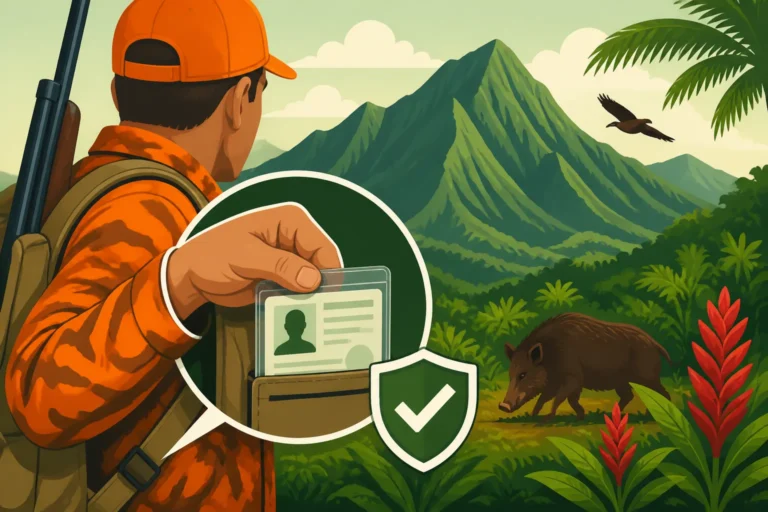
Discovering you've lost your permit-tag in the field after a harvest, or finding it damaged beyond recognition, is a hunter's nightmare. However, ignoring it or trying to "wing it" will only make things worse. If this happens, the immediate course of action is to contact the Department of Land and Natural Resources (DLNR) Division of Forestry and Wildlife (DOFAW) as soon as humanly possible. This means calling their local office or a game warden hotline from your cell phone, if you have service (and remember, often you have No Cell Signal on a Hawaii Hunt). Be honest and explain the situation. They may instruct you to proceed to a check station or office with the animal for verification and to issue a replacement, or they might send a warden to your location. Trying to move an untagged animal without reporting a lost tag is a serious offense, often interpreted as poaching. Always carry your hunting license and any permit-tags in a waterproof, secure holder to minimize the chance of loss or damage.
Common Tagging Errors and How to Avoid Them
Mistakes on tags are surprisingly common. These include:
- Incorrect Date: Accidentally writing yesterday's date or the wrong month.
- Wrong Unit: Putting down the wrong hunting unit number, especially if you hunt multiple units.
- Unfilled Fields: Leaving required fields blank, such as sex of the animal or specific antler measurements.
- Illegible Writing: Using a pen that runs or smudges, making the information unreadable.
- Wrong Tag for the Animal: Attaching a doe tag to a buck, or an Axis deer tag to a feral goat (yes, it happens!).
To avoid these, always carry a permanent, waterproof pen or marker. Before you head into the field, familiarize yourself with the tag's fields and exactly what information is required. As soon as the animal is down, take a moment to compose yourself, then carefully and clearly fill out the tag. Double-check all information against your hunting license and unit map before attaching it. It's much better to take an extra minute in the field than to face a violation later. For specific guidance on proper tagging, refer to the information on Tagging an Animal Correctly in Hawaii.
Reporting Violations or Mistakes
If you realize you've made a tagging error after you've left the field, or even if you witness another hunter making a clear violation, it's your responsibility as an ethical hunter to address it. For your own mistake, immediately contact DOFAW and explain the situation. They are often more understanding if you proactively report an honest error than if they discover it during a routine check. If you witness a violation, like a hunter trying to tag two animals with one tag or transporting an untagged animal, you should report it. Hawaii's wildlife resources are precious, and illegal activities undermine conservation efforts. You can often report anonymously, but providing as much detail as possible (location, vehicle description, time, nature of the violation) is crucial. This helps to protect the future of hunting in the islands.
Checking Out and Harvest Reporting
The act of tagging an animal in the field is just one part of the post-harvest responsibility. The journey isn't truly over until you've successfully checked out of the hunting unit and submitted your harvest report. These steps are just as critical for legal compliance and wildlife management.
The Check-Out Process with Your Tagged Animal
Many public hunting units in Hawaii, especially those with managed populations or specific access points, require hunters to check in before they enter and check out when they leave. This applies whether you've harvested an animal or not. If you have harvested an animal that required a permit-tag, the check-out process is where that tag information is often verified. At a hunter check station, you'll typically present your hunting license and your permit-tag (still attached to the animal or its primary parts). Staff may visually inspect the animal and confirm the information on your tag matches your harvest. Some units may even require you to weigh the animal or provide other data for biological collection. Failing to check out, especially after a successful harvest, can lead to fines, even if your animal was properly tagged. This system helps DOFAW track hunter effort and harvest success, providing valuable data for future season setting. Make sure you understand all the nuances of Checking In and Out of Hawaii Hunting Units.
Mandatory Harvest Reporting
Beyond the check-out station, many harvested game animals in Hawaii require a mandatory harvest report to be submitted to DOFAW. This is a separate step from the in-field tagging and the check-out process, though the data often overlaps. This reporting is usually done online through the GoHunt Hawaii system, and it typically needs to be completed within a specified timeframe after the hunt, often within 72 hours. You'll enter details like the species, sex, date of kill, unit, and potentially other information such as antler points for deer or horn length for sheep. This data is incredibly important for wildlife biologists to monitor population trends, assess hunting pressure, and make informed decisions about future hunting seasons and bag limits. It’s part of your responsibility as a hunter to contribute to this essential conservation data. Neglecting to report your harvest is a violation and can result in penalties. Always prioritize your Harvest Reporting Requirements After a Kill.
Consequences of Not Checking Out or Reporting
The consequences for neglecting to check out of a unit or failing to submit a mandatory harvest report can range from a warning for a first offense to significant fines and potential loss of hunting privileges. Wildlife enforcement officers have access to check-in/out records and harvest reports, and they actively cross-reference this information. If you've checked in, but there's no record of you checking out, or if you harvested an animal but no report was filed, it raises red flags. These regulations are in place for a reason – to manage limited resources and ensure fair chase. Disregarding them not only puts you at risk legally but also undermines the ethical framework of hunting in Hawaii.
Special Considerations and Advanced Scenarios
Hawaii's hunting landscape can throw some curveballs, and knowing how to handle less common situations, like group hunts or inter-island travel with game, is key to a smooth and lawful experience.
Multi-Hunter Scenarios
Hunting with a group is a common and enjoyable way to pursue game in Hawaii, especially when you're still-Hunting Pigs in Hawaii's Wet Forest or tackling steep terrain. However, group hunts introduce complexities when it comes to tagging. Each hunter must possess their own valid hunting license and any required permit-tags for the species they intend to harvest. You cannot share tags. If multiple animals are taken during a group hunt, each animal must be tagged immediately by the specific hunter who harvested it, using their individual tag. For example, if two hunters each have an Axis deer tag, and both harvest a deer, they must each tag their own animal. It's crucial to avoid any confusion or "tag swapping" scenarios, as this is a serious violation. Clear communication among hunting partners before the hunt begins about who has what tags and whose tag will be used for which animal is paramount.
Tagging for Trophy vs. Meat Hunts
While most hunters appreciate the meat, some also pursue animals for their trophy value. In Hawaii, this often means an impressive Axis buck or a Mouflon ram with significant horn curl. Regardless of whether you're after a trophy or just meat, the tagging rules remain the same: immediate attachment to the carcass. However, if you intend to keep the head or antlers as a trophy, ensure the tag remains affixed to that part until it's delivered to a taxidermist or permanently marked. Taxidermists will require proof of legal harvest, and your attached permit-tag serves as that proof. If you've quartered the animal in the field, you might secure the tag to the skull plate or the largest quarter that will remain with the head. For those contemplating what counts for a Hawaii Trophy Record, remember that a legally tagged animal is the first step.
Rules for Inter-Island Transport of Game Meat
Taking your hard-earned game meat from one Hawaiian island to another involves specific agricultural and transportation rules. You can't just throw it in a cooler and hop on the next flight or ferry without proper preparation and documentation. Generally, all game meat must be properly field-dressed, cleaned, and often frozen or kept on ice in sealed containers to prevent spoilage and contamination. Many airlines have specific requirements for transporting game meat, so check with your carrier well in advance. More importantly, the Hawaii Department of Agriculture has regulations to prevent the spread of pests and diseases. While it's usually permissible to transport legally harvested game for personal consumption between islands, you may need to declare it, and it must be free of soil, insects, or plant material. Always keep a copy of your hunting license and permit-tag with the meat, even if the tag itself has been removed after processing. The GoHunt Hawaii website or DOFAW office can provide the most current agricultural guidelines. Also, be sure to review "Shipping Game Meat Between Hawaii Islands" for detailed information.
| Game Species | Islands Requiring Permit-Tag | General Tag Placement | Typical Bag Limit Note | When Tag Can Be Removed |
|---|---|---|---|---|
| Axis Deer | Maui, Lanai, Molokai | Ear or Hind Leg | Varies by draw/unit | After processing/freezing |
| Mouflon Sheep | Hawaii Island, Lanai | Ear or Horn | Varies by draw/unit | After processing/freezing |
| Feral Goats | Hawaii Island, Maui, Molokai | Ear or Hind Leg | Varies by unit (often liberal) | After processing/freezing |
| Feral Pigs | Varies by Unit (check regs) | Ear or Hind Leg | Varies by unit (often liberal or no limit) | After processing/freezing |
| Black-Tailed Deer | Kauai | Ear or Hind Leg | Varies by draw/unit | After processing/freezing |
Disclaimer
The information provided in this guide is for general informational purposes only and is not a substitute for the official Hawaii Department of Land and Natural Resources (DLNR) Division of Forestry and Wildlife (DOFAW) hunting regulations. Hunting laws and regulations can change frequently. Always consult the most current Hawaii Hunting Regulations issued by DOFAW and verify all information with the relevant authorities before engaging in any hunting activities. It is the individual hunter's responsibility to know and comply with all applicable laws and regulations.