How Many Dogs You Can Bring
One of the most exciting and traditional ways to hunt in Hawaii, especially for those elusive feral pigs, involves using dogs. But if you're like many hunters contemplating a trip out here, you might be scratching your head, wondering about the specific rules. It's not always as straightforward as "one dog per hunter," and getting it wrong can mean a ruined hunt or worse, a violation. This guide is here to walk you through the nuances of Hawaii's dog hunting regulations, helping you understand how many dogs you can legally bring into the field and what other important considerations come with it.
Understanding Hawaii's Dog Hunting Culture and Rules
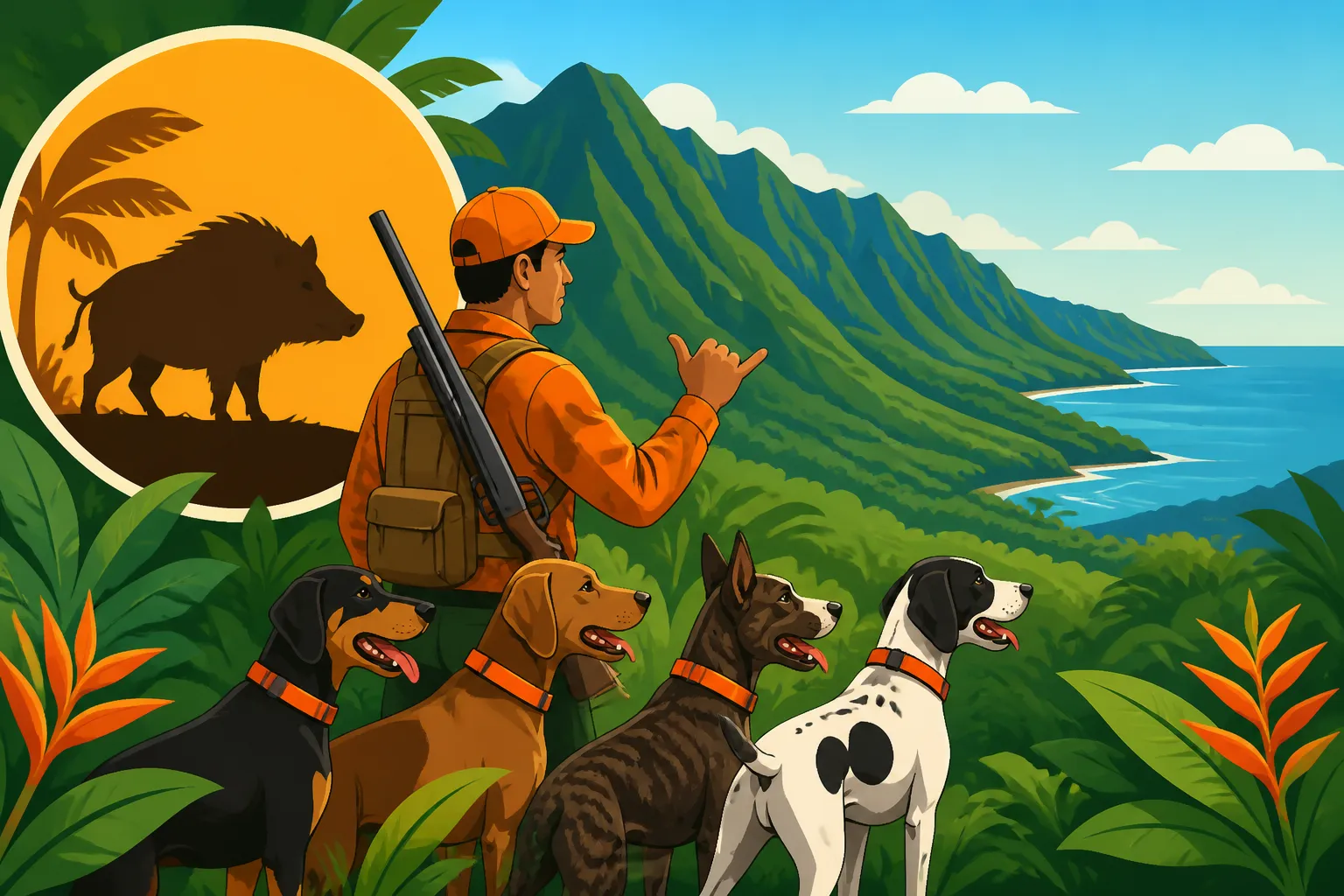
Hunting with dogs in Hawaii is more than just a method; it’s a deep-rooted cultural practice, particularly when it comes to pursuing feral pigs. These aren't your typical deer dogs or bird dogs; Hawaiian pig dogs are a special breed of tenacious, intelligent, and incredibly brave animals, often working in teams to track, bay, and sometimes even catch wild pigs in dense, unforgiving terrain.
The rules around dog hunting reflect a balance between honoring this tradition, managing game populations, and ensuring public safety. Many public hunting units, especially those with dense cover where pigs thrive, explicitly allow or even encourage dog hunting as an effective means of control. However, these regulations can vary significantly from island to island, and even from unit to unit on the same island. It’s never a one-size-fits-all situation, and the state's Division of Forestry and Wildlife (DOFAW) is quite specific in their guidelines. Before you even think about putting a dog in your truck, you’ll want to be absolutely sure you’ve got the current rules down pat. This isn't just about avoiding a fine; it's about respecting the animals, the land, and the local hunting community.
The "Why" Behind the Limits
You might wonder why there are limits on how many dogs you can bring at all. It boils down to several key factors. First, manageability: a single hunter or a small group simply can't effectively control too many dogs, especially when they're hot on a pig's trail through thick guava or over lava fields. An uncontrolled pack can quickly become a nuisance, stray onto private land, or even get lost or injured.
Secondly, ethical hunting practices are a huge concern. While dog hunting is incredibly effective, allowing an excessive number of dogs could lead to unnecessary stress or injury to the game animal, or even to other dogs in the pack. The goal is a quick, humane take, and too many dogs can complicate that.
Lastly, safety for both hunters and the public is paramount. Hawaii's public lands are often multi-use, with hikers, bikers, and other recreationalists sharing the same trails. A large, out-of-control dog pack can be intimidating or even dangerous to others, especially if they are unfamiliar with hunting dogs. These limits are in place to ensure that hunting with dogs remains a safe, responsible, and effective method for everyone involved.
Common Dog Hunting Scenarios
In Hawaii, pig hunting with dogs typically involves two main types of dogs: bay dogs and catch dogs.
- Bay dogs are used to track and then "bay" or hold a pig at bay by barking aggressively, circling it, and preventing its escape without directly engaging it physically. This allows the hunter to approach carefully for a shot or, more commonly in Hawaii, a knife or spear kill.
- Catch dogs are usually larger, more powerful dogs, often wearing protective vests, whose job is to physically engage and hold the pig down once bayed, giving the hunter an opportunity to dispatch it.
A typical hunting party might use a combination of these. For instance, a hunter might run two or three bay dogs to find and bay a pig, and then release one or two catch dogs to assist in the final securing of the animal. This combination requires careful coordination and communication among the dogs and the hunters. Understanding these roles helps illustrate why specific numbers of dogs are regulated.
You’ll also find that many local hunters take great pride in their dog teams, often having spent years training them. If you're new to the islands or new to dog hunting, consider reaching out to experienced local hunters or guides. They can offer invaluable insights into local practices and regulations, and might even be open to letting you tag along for a day to see how it's done.
Specific Dog Limits by Island and Unit
The number of dogs you can bring hunting in Hawaii is not a universal rule; it absolutely varies depending on which island you're on and, critically, which specific hunting unit you're targeting. This is where hunters often get tripped up, assuming what's allowed on Maui will fly on Hawaii Island, or that a deep forest reserve has the same rules as an open, dryland unit. Always, and I mean always, check the current regulations for your intended hunting area before heading out. The GoHunt Hawaii platform or the official State of Hawaii Department of Land and Natural Resources (DLNR) website are your go-to sources for the most up-to-date information.
Hawaii Island Regulations
The Big Island, with its vast and varied terrain, has some of the most extensive public hunting opportunities for feral pigs, and consequently, a robust dog hunting culture. Historically, and generally, on Hawaii Island, the rule of thumb has been that a hunter can bring up to five dogs into a hunting unit. This limit is usually applied per hunter, but it's often interpreted as per hunting party when a group is hunting together.
However, this isn't blanket coverage across every single unit. Some specific Game Management Areas (GMAs) or Forest Reserves might have different stipulations, especially if they are smaller, border residential areas, or have particular conservation concerns. For example, units like the Kaohe Game Management Area or parts of the Hilo Forest Reserve might have slight variations or additional rules regarding dog registration or even areas where dogs are restricted. You'll definitely want to review the official hunting regulations specific to the unit you plan to hunt. These details are usually outlined in the annual hunting proclamation or accessible via the Hawaii's Hunting Units and How They Work page on the DLNR website.
Maui Nui (Maui, Molokai, Lanai) Regulations
Maui, Molokai, and Lanai also offer significant pig hunting opportunities, and dog hunting is a popular method here as well. For the most part, hunters on these islands can also typically bring up to five dogs per hunter or hunting party when targeting pigs. This applies to public lands such as the Kula Forest Reserve or parts of the Kahikinui slopes on Maui.
However, there are notable differences and specific unit considerations:
- Lanai: While dog hunting for pigs is allowed, Lanai is most famous for its Axis deer draws and Mouflon sheep hunts, where dogs are generally not permitted for big game. Pig hunting is separate. If you're participating in one of the coveted Lanai's Drawn Axis Deer Weekends, you’ll quickly learn that dogs are not part of the deer hunting experience.
- Molokai: Known for its large-bodied Axis bucks and robust pig populations, Molokai's dog hunting scene is active. The standard five-dog limit usually applies to public access areas here.
- Maui: Public units like Makawao Forest Reserve or the areas around Polipoli Spring State Recreation Area are popular for pig hunting with dogs. Again, the general rule holds, but specific conditions in high-use areas or sensitive ecological zones might impose further restrictions.
It is absolutely crucial to verify the rules for your specific permit-tag application or unit check-in. The Molokai Permit-Tag Requirements and other island-specific rules can usually be found on the state's hunting portal, which GoHunt often links to.
Oahu and Kauai Regulations
Oahu and Kauai also have public hunting units where dogs can be used for pig hunting.
- Oahu: On Oahu, where public hunting land is more limited and often closer to urban areas, the regulations around dog hunting can be particularly strict. Generally, a limit of up to three dogs per hunter is more common in Oahu's public units like Ewa Forest Reserve or Waianae Kai. This lower limit is often in place to mitigate potential conflicts with other land users and to keep pack sizes manageable in more confined spaces.
- Kauai: The Garden Isle, known for its steep canyons and dense forests, also has a strong dog hunting tradition for pigs. Like Oahu, a limit of up to three or four dogs per hunter is typically imposed in units such as the Kekaha Game Management Area or the Na Pali-Kona Forest Reserve. These limits help ensure safety in rugged terrain where getting control of a large pack can be challenging. For those venturing into units like those along the Hunting Goats in a Kauai Canyon, understanding dog limits is just one piece of the puzzle.
Summary of Typical Dog Limits by Island (Always Verify Current Regulations!):
| Island | Typical Dog Limit (per hunter/party) | Notes & Considerations |
|---|---|---|
| Hawaii Island | Up to 5 dogs | Varies by specific GMA or Forest Reserve; generally most liberal. |
| Maui | Up to 5 dogs | Specific areas may have different rules; no dogs for deer/mouflon. |
| Molokai | Up to 5 dogs | Similar to Maui; check specific unit rules. |
| Lanai | Up to 5 dogs | For pigs only; dogs generally prohibited for drawn deer/mouflon hunts. |
| Oahu | Up to 3 dogs | Stricter due to limited land and proximity to urban areas. |
| Kauai | Up to 3-4 dogs | Limits reflect rugged terrain and public safety. |
Practical Considerations When Hunting with Dogs
Beyond the legal limits, there are numerous practical realities you need to consider when planning a dog hunt in Hawaii. This isn't just a walk in the park; it's physically demanding, mentally taxing, and requires a lot of preparation.
Terrain and Cover Challenges
Hawaii's hunting terrain is notoriously difficult. We're talking about extremely dense, often thorny vegetation like guava thickets, kiawe forests, and tangled ʻōhiʻa growth. Lava flows, steep gulches, and slick, wet rainforest floors are also common. These conditions are tough on dogs and hunters alike. Dogs can easily get cut, scraped, or exhausted. Hunters often find themselves crawling, pushing through nearly impenetrable brush, or navigating treacherous footing.
The density of the cover means that sound and scent travel differently. Your dogs might be only 50 yards away but completely out of sight. This is where reliable GPS collars become absolutely essential, helping you keep track of your pack in areas with no cell signal. Devices like Garmin's Alpha or Astro series are practically standard gear for serious dog hunters here. Without them, losing a dog, even temporarily, is a real possibility, and finding a lost dog in Hawaii's jungle can be a monumental task. The article on GPS Collars for Pig Dogs in Thick Cover elaborates more on this crucial equipment.
Hydration and Heat Management
Hawaii is tropical, and even on cooler days, dogs can quickly overheat, especially when working hard. Bringing plenty of water for both yourself and your dogs is non-negotiable. Electrolyte supplements for your dogs can also be a lifesaver on long, hot hunts. Many experienced hunters carry collapsible water bowls and rehydrate their dogs frequently throughout the day.
Pay close attention to your dogs' behavior; excessive panting, lethargy, or stumbling are all signs of heat exhaustion. Knowing when to call it a day and give your dogs a rest is part of responsible hunting. Remember that Field Care in Hawaii's Heat and Humidity isn't just for your game meat; it applies to your hunting partners, too.
Dog Training and Conditioning
You wouldn't head out on a demanding hunt without proper conditioning, and your dogs shouldn't either. Pig hunting in Hawaii requires dogs that are in peak physical condition. They need to be strong, agile, and have incredible stamina to cover miles of challenging terrain and engage with powerful pigs.
Beyond physical fitness, mental training is crucial. Your dogs need to be well-versed in tracking, baying, and, if applicable, catching. They need to understand and respond to your commands, especially when it comes to breaking off a bay or returning to you. Well-trained dogs are safer, more effective, and less likely to get into trouble. If you're thinking about getting into dog hunting, look into resources on Training Pig Dogs in Hawaii to ensure your canine companions are ready for the unique challenges of the islands.
Registering Your Hunting Dogs
Hawaii has specific rules about registering hunting dogs. Before you hit the field, you'll need to ensure your dogs are properly registered with DOFAW. This typically involves providing proof of rabies vaccination and licensing. You may need to provide a microchip number as well. This process helps ensure responsible dog ownership and aids in returning lost dogs. Don't skip this step; enforcement can be strict. For more on this, check out Registering Hunting Dogs Before the Season.
Safety and Ethical Responsibilities
Hunting with dogs, while incredibly effective, comes with a unique set of safety and ethical responsibilities that every hunter must take seriously.
Protecting Your Dogs in the Field
Feral pigs in Hawaii are tough, resilient animals, often equipped with formidable tusks, especially the boars. When a pig is bayed or caught, it will fight fiercely to defend itself. This poses a significant risk to your dogs.
- Cut Vests: Many catch dogs, and even some bay dogs, wear protective cut vests made from tough materials like Cordura or Kevlar. These vests are designed to protect vital organs from a pig's tusks. Ensuring your dog's vest fits properly and is in good repair is critical. For more on this, you can refer to Fitting a Cut Vest on a Catch Dog.
- First Aid: Always carry a comprehensive dog first-aid kit. This should include bandages, antiseptic, pain relievers, and even a tourniquet in case of a serious cut. Knowing basic canine first aid can make all the difference in an emergency.
- Vet Contact: Have a local vet's number programmed into your phone. Identify emergency veterinary clinics beforehand, especially if you're hunting in a remote area.
Hunter Safety and Tactics
Dog hunting is often an up-close-and-personal affair. When approaching a bayed pig, situational awareness is key.
- Approach Downwind: Always try to approach downwind to avoid alerting the pig and giving it an escape route.
- Assess the Situation: Take a moment to assess the pig's size, aggression, and the surrounding terrain before moving in. A bayed pig can burst from cover unexpectedly.
- Weapon Choice: If you're going in with a knife or spear, ensure your weapon is sharp, accessible, and you are proficient in its use. When a pig is caught by dogs, dispatch must be swift and humane. For information on legal weapons, see Legal Weapons When Hunting Pigs With Dogs.
- Teamwork: If hunting with a partner, communicate constantly. Designate roles: one person to manage the dogs, another to dispatch the pig. Never rush in blindly.
Respecting Landowners and Other Users
Hawaii's public hunting units are often intertwined with private lands, agricultural areas, and recreational trails.
- Know Your Boundaries: Use tools like onX Hunt or official DOFAW maps to know exactly where unit boundaries lie. Trespassing, even accidentally, is a serious offense.
- Control Your Dogs: Ensure your dogs are trained to respond to your commands and don't stray off public land. When moving through non-hunting areas or near other users, keep your dogs leashed or under strict voice control.
- Leave No Trace: Pack out all your trash, including dog waste. Practice good stewardship to ensure these hunting opportunities remain open for future generations.
It's a lot to consider, but the thrill of a successful dog hunt in Hawaii, done safely and ethically, is an experience unlike any other. Just make sure you've done your homework on those dog limits and all the accompanying responsibilities!
Disclaimer
Hunting in Hawaii involves inherent risks. Always consult the most current regulations published by the State of Hawaii Department of Land and Natural Resources (DLNR) or GoHunt Hawaii before planning any hunt. This guide is for informational purposes only and does not substitute for official regulations or professional advice. Hunters are responsible for their own safety and for adhering to all laws and regulations.