Lanai Axis Deer Youth Hunt Dates
For many families in Hawaii, getting our keiki (children) out into the āina (land) to learn about hunting, conservation, and where our food comes from is a deeply cherished tradition. But let's be honest, navigating the regulations and finding genuine opportunities for youth hunters, especially on an island like Lanai where Axis deer draws are so competitive, can feel like trying to find a needle in a hayfield. This guide is here to untangle that process, focusing specifically on the Lanai Axis deer youth hunt dates and how you can ensure your young hunter has the best shot at an unforgettable experience.
Understanding Lanai's Unique Youth Hunt Opportunities for Axis Deer
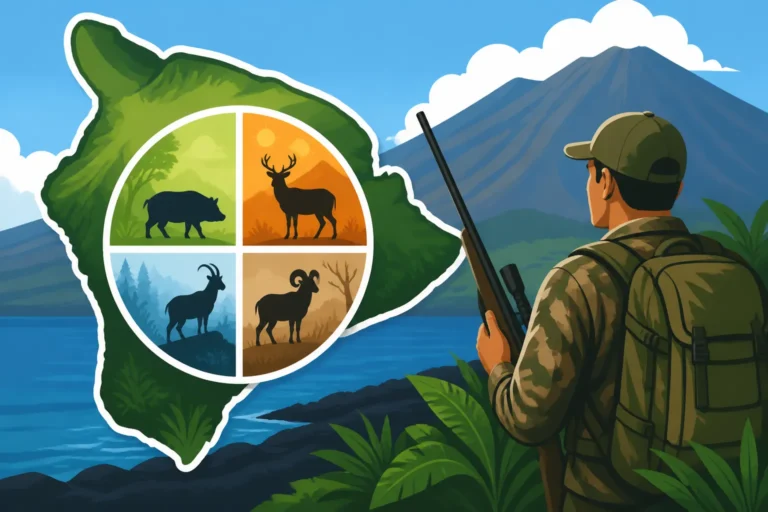
Lanai holds a special place in the hearts of Hawaii hunters, particularly for those passionate about Axis deer. These beautiful, delicious animals thrive on the island, and the hunting pressure is managed meticulously through a draw system. For our youth, these hunts represent not just a chance to harvest game, but a pivotal moment in their outdoor education and connection to the land.
Why Youth Hunts Matter So Much on Lanai
Youth hunts are more than just a day in the field; they are foundational experiences that shape the next generation of conservationists. For many of us, our earliest hunting memories are the most vivid and impactful, often alongside a patient elder who shared wisdom and respect for the natural world. On Lanai, where Axis deer populations are robust but closely managed, introducing young hunters to the principles of ethical hunting and wildlife management is absolutely critical. It’s about teaching them why we hunt – for sustenance, for population control, and to honor the animals that provide for us.
Moreover, in today's digital age, finding genuine, immersive outdoor experiences for kids is more important than ever. Lanai's youth Axis deer hunts offer a tangible way to step away from screens and connect with the raw beauty and challenge of the Hawaiian landscape. These hunts foster patience, resilience, observation skills, and a deep understanding of ecological balance. The Department of Land and Natural Resources (DLNR), specifically the Division of Forestry and Wildlife (DOFAW), recognizes this importance, often designing specific opportunities to encourage youth participation. Ensuring our young hunters understand the importance of safety and responsibility, starting with solid grounding in Hawaii Hunter Education Requirements, is paramount for these opportunities to continue.
The Specifics of Lanai's Axis Deer Draws
Unlike some general hunting units on other islands, Axis deer hunting on Lanai is almost exclusively a drawn hunt. This means hunters must apply through a lottery system for a chance to receive a permit-tag. This system is in place to manage the Axis deer population sustainably and distribute hunting opportunities fairly. For youth hunters, the process often mirrors the general draw but may include specific youth-only weekends or a preferential draw system to increase their chances of participation. It's not uncommon for youth to have a slightly better shot at drawing a tag, or to be eligible for specific hunt periods not open to general adult hunters.
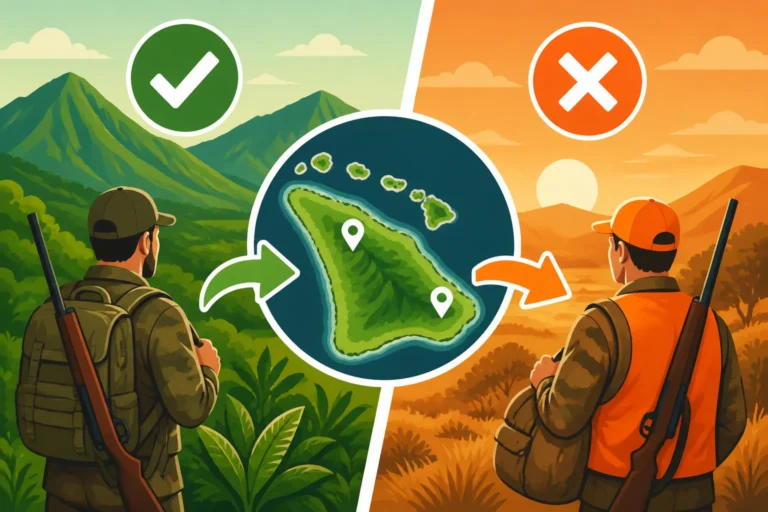
Understanding How the Lanai Axis Deer Draw Works is crucial, as it sets the stage for any youth hunt application. Typically, DOFAW will announce the upcoming hunting season, including specific dates for applying, drawing, and the actual hunt periods. These announcements will detail if there are dedicated youth hunt periods or if youth are encouraged to apply within the general draw for specific units and dates. The competitive nature of these draws means that applying correctly and on time is non-negotiable. Don't assume anything; always double-check the latest official announcements from DOFAW.
Navigating the Lanai Axis Deer Youth Hunt Dates
When you're planning a youth hunt on Lanai, the dates are everything. Miss an application deadline or misinterpret a hunt period, and you could lose out on a year's worth of anticipation. It's a high-stakes game when you're dealing with limited opportunities, so let's break down how to stay on top of it all.
Key Dates and Application Windows
The most frustrating part for many hunters is the ever-shifting nature of hunt dates and application periods. While I can't give you exact future dates that haven't been officially announced by DOFAW yet (they vary slightly year to year), I can guide you on what to expect. Historically, applications for Lanai's Axis deer draws, including youth opportunities, often open in late spring or early summer, with hunt periods typically running from fall into early spring of the following year. For example, for a season running from October to February, the application window might be May-June, with results announced in July or August.
It's absolutely vital to be diligent about checking the official DOFAW website for their annual Big Game Hunting announcements. These are usually released as PDF documents that contain all the necessary information, including any specific youth hunt dates or designated youth application windows. Many hunters find it useful to set calendar reminders or subscribe to email updates from DOFAW if available. Organizations like GoHunt can also be a valuable resource for tracking these dates and simplifying the application process, often providing consolidated information or even direct links when the official season structure is released. Don't wait until the last minute; missing a critical deadline, especially for Hawaii Drawn Hunt Application Deadlines, can mean a missed season for your aspiring young hunter.
Eligibility Requirements for Young Hunters
Hawaii has clear rules to ensure youth hunters are safe and properly supervised. For Lanai Axis deer youth hunts, these requirements are typically:
- Age Restrictions: Generally, youth hunters must be at least 10 years old. There may be an upper age limit, often around 15 or 16, to qualify for "youth" specific hunts. This ensures the opportunities are focused on younger, developing hunters.
- Accompanying Adult: A licensed adult hunter, usually 18 years or older, must accompany the youth. This adult must also hold a valid Hawaii hunting license and often a valid permit-tag for the same species, even if they are primarily guiding the youth and not actively hunting themselves. This is a critical safety measure and ensures mentorship. The adult supervisor must remain in direct control and close proximity to the youth hunter at all times.
- Hunter Education: All youth hunters are required to have successfully completed a state-approved hunter education course. This is a non-negotiable step and provides essential training in firearm safety, hunting ethics, wildlife identification, and conservation principles. If your youth is eager to hunt, enrolling them in a course early is a fantastic idea. Remember that the Minimum Age to Hunt Axis Deer might also have hunter education as a prerequisite, so plan ahead!
Always review the specific DOFAW announcement for the exact age ranges and adult supervision requirements for the current season, as these can sometimes be adjusted.
Understanding the Tag and Permit System for Youth Hunts
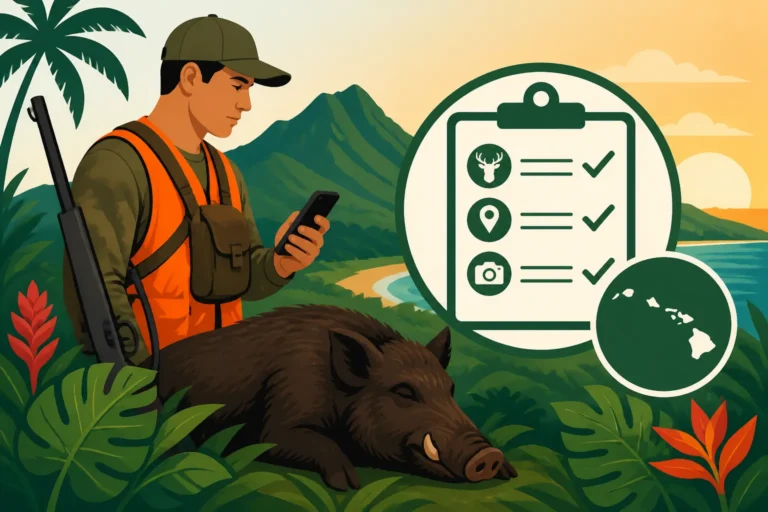
The Hawaii permit-tag system is how DOFAW manages harvests and collects data. For a Lanai youth Axis deer hunt, obtaining the correct permit-tag is the final step after a successful draw application.
- Tag Issuance: If your youth hunter is successfully drawn, you'll typically be notified, and instructions will be provided on how to purchase and receive the permit-tag. This usually involves an online portal or visiting a DOFAW office.
- Cost: While the hunt opportunity itself is often free or low-cost for youth, there is usually a fee for the actual permit-tag. For residents, this cost is significantly lower than for nonresidents, reflecting Hawaii's commitment to providing affordable hunting access for its local community.
- Bag Limits: For Lanai Axis deer, the bag limit is usually very straightforward: one either-sex Axis deer per permit-tag. This means the youth can harvest either a buck or a doe. The focus is on providing an opportunity and a successful hunt, rather than maximizing harvest numbers. Understanding What One Either-Sex Tag Means on Lanai is important so there's no confusion in the field.
It's imperative to carry the physical permit-tag (or its digital equivalent if allowed) and your hunting license at all times during the hunt. Platforms like GoHunt can streamline the process of purchasing these permits once awarded, ensuring you have all the necessary documentation correctly handled. This system ensures that every animal harvested is accounted for, contributing to sound wildlife management.
| Lanai Axis Deer Youth Hunt Overview (Example Schedule) | |
|---|---|
| Activity | Typical Timeframe / Requirement |
| DOFAW Season Announcement | Late Spring (e.g., April-May) |
| Application Window Opens | Early Summer (e.g., May-June) |
| Application Deadline | Mid-Summer (e.g., July 1st) – Strictly enforced! |
| Draw Results Announced | Late Summer (e.g., August) |
| Permit-Tag Purchase Window | August – September (after draw results) |
| Youth Hunt Dates (Example) | Specific weekends within the general season, typically Oct-Feb. (e.g., Oct 21-22, Nov 11-12, Dec 9-10) |
| Hunter Education Requirement | Must be completed before applying/hunting |
| Minimum Age | 10 years old (verify current season's specific age range) |
| Accompanying Adult | Licensed hunter (18+), present at all times, may also need valid tag |
| Bag Limit | One (1) Either-Sex Axis Deer per permit-tag |
| Weapon Types | Rifle, muzzleloader, or archery (check specific unit rules and season dates) |
Note: All dates are illustrative and based on historical patterns. Always refer to the official Hawaii DOFAW website for the most current and accurate season dates, application periods, and regulations.
Practical Considerations for a Successful Youth Hunt on Lanai
A successful youth hunt isn't just about drawing a tag; it's about preparation, safety, and making the entire experience positive and educational. Lanai offers challenging but rewarding terrain, and being well-prepared is the key to enjoying it.
Preparation: What to Do Before You Go
Preparation begins long before you set foot on Lanai. For a youth hunter, this stage is as crucial as the hunt itself, building anticipation and instilling important habits.
First, scouting is vital. If you can't scout in person, use online mapping tools like onX Hunt to study the unit boundaries, terrain features, water sources, and potential bedding or feeding areas. Talk to other hunters who have experience on Lanai, or consider contacting a local guide (though guides are often not allowed on public Lanai draws, they can offer general terrain advice for private land hunts, which might have youth opportunities). Understanding the habitat, whether it's Hunting Hawaii's Dry Kiawe Forest or more open grasslands, will help immensely.
Next, gear selection is paramount. Given Lanai's typically dry, often dusty, and sometimes rocky environment, comfortable, broken-in hiking boots are a must. Lightweight, breathable clothing that offers sun protection is essential. Don't forget a hat, sunglasses, and a good backpack with plenty of water. Dehydration is a serious concern in Hawaii's heat. A first-aid kit, navigation tools (GPS and map), and a reliable flashlight are also critical. For firearms, ensure the rifle is appropriate for the youth's size and recoil tolerance, and that it meets Hawaii's Legal Rifle Calibers for Big Game requirements. Practice, practice, practice at the range beforehand so the youth is confident and proficient with their weapon. For those considering archery, selecting an appropriate draw weight and ensuring proper arrow setup is crucial, much like meticulously Choosing an Arrow Setup for Axis Deer. You might even find resources or gear suggestions through platforms like GoHunt, which often have sections dedicated to hunting preparation.
On the Ground: Tactics and Safety for Youth Hunters
Once you're actually hunting on Lanai, the focus shifts to careful execution, constant safety, and making the experience enjoyable for the young hunter.
Tactics for Axis deer on Lanai often revolve around Spot-and-Stalk Tactics on Open Country. This means glassing large areas from advantageous positions, identifying animals, and then carefully planning an approach to get within shooting range. Teach your youth to move slowly, deliberately, and to use terrain features for cover. Axis deer have excellent eyesight, so patience and stealth are key. Emphasize observation: spotting deer before they spot you, noticing their behavior, and understanding wind direction, which can be fickle in Hawaii's thermal pockets. It's less about speed and more about calculated movement and keen awareness of surroundings. For younger hunters, making the stalk itself an exciting challenge, even if it doesn't result in a shot, is a huge part of the fun.
Safety is always the number one priority. Ensure both the youth and accompanying adult wear blaze orange as per Hawaii Blaze Orange Requirements to be visible to other hunters. Always know your target and what is beyond it. Teach the youth proper muzzle control, trigger discipline, and how to safely load and unload their firearm. Constant communication between the youth and adult supervisor is essential, especially when making decisions about stalks or shot opportunities. The adult is responsible for ensuring the youth is always in a safe position and makes ethical shot choices. Staying hydrated throughout the day is non-negotiable, and taking frequent breaks can prevent fatigue and maintain focus, particularly crucial for younger hunters who might not be used to the rigors of an all-day hunt.
Post-Hunt Logistics and Memories
Hopefully, your youth hunter will be successful! Once an Axis deer is on the ground, the work isn't over. Quick and efficient Field Dressing Axis Deer in Hawaii Heat is critical to preserve the meat. Hawaii's warm climate means meat can spoil rapidly, so getting the animal field-dressed, cooled, and transported quickly is vital. Teach your youth the proper techniques for field dressing, explaining why each step is important for meat care.
After the animal is dressed, you'll need to properly attach the permit-tag, ensuring it's visible and securely fastened, as detailed in Tagging an Animal Correctly in Hawaii. This is a legal requirement and an important part of the ethical hunting process. Transporting the meat back to a cooler or processor needs to be planned ahead of time. Many hunters bring large coolers filled with ice to the island, or arrange for processing with a local butcher on Lanai or Maui.
Finally, take time to celebrate the experience, regardless of whether a deer was harvested or not. The true value of a youth hunt lies in the shared experience, the lessons learned, and the memories created. If a deer was taken, discuss the ethical responsibility, the effort involved, and the gratitude for the animal's life. Consider taking photos, sharing stories, and perhaps even looking into a European mount or shoulder mount to commemorate the achievement. These moments are what will inspire your young hunter to continue the tradition and become a lifelong advocate for hunting and conservation.
Disclaimer
Please remember that hunting regulations, seasons, and requirements in Hawaii are subject to change. While every effort has been made to provide accurate and up-to-date information, it is the hunter's sole responsibility to verify all current rules and regulations with the Hawaii Department of Land and Natural Resources (DLNR) Division of Forestry and Wildlife (DOFAW) before planning or participating in any hunt. This guide is for informational purposes only and does not constitute legal advice or an official endorsement of any hunting method or product.