Lanai Mouflon Archery Season Dates
For many hunters, the dream of pursuing Mouflon sheep on the rugged, beautiful island of Lanai is a truly unique experience. However, navigating the specific archery season dates and the often-complex permit system can feel like trying to find your way through kiawe thickets blindfolded. This guide is here to shed light on exactly when and how you can plan your Lanai Mouflon archery hunt, cutting through the confusion to give you the clear, actionable information you need to make that dream a reality.
Understanding Lanai's Unique Hunting Structure for Mouflon
Lanai offers a distinctly different hunting experience compared to other Hawaiian islands, especially when it comes to highly sought-after species like Mouflon. It's not just about showing up with a bow; it's about understanding the careful balance of conservation and opportunity that shapes every season.
Why Lanai's Mouflon Season is So Specific
The presence of Mouflon sheep on Lanai is a testament to Hawaii's long history of introducing game animals, often for sport or as food sources. However, unlike the larger populations of Mouflon found on the slopes of Mauna Kea on Hawaii Island, the Lanai herd is managed very tightly due to the island's smaller size and more fragile ecosystem. The Division of Forestry and Wildlife (DOFAW) takes a very hands-on approach to controlling animal populations to mitigate their impact on native flora, which can be easily overgrazed.
This intensive management means that seasons are short, specific, and often have strict bag limits. Every tag issued is a calculated decision designed to maintain herd health and protect the delicate balance of Lanai's unique environment. It’s a conservation effort as much as it is a hunting opportunity, ensuring that these impressive animals continue to thrive without devastating the island. When you’re looking at these seasons, remember that the specific dates are a direct result of these careful ecological considerations.
The Role of the Annual Draw and Permit System
Forget over-the-counter tags for Lanai Mouflon; that’s simply not how it works here. Access to Mouflon archery hunting on Lanai is almost exclusively through a limited permit-tag draw system. This means that hunters must apply in advance, often many months before the season even begins, hoping their name is selected in a lottery. This draw system is in place for several critical reasons: to control hunter numbers, to spread out hunting pressure, and most importantly, to manage the harvest of a prized but limited resource.
The number of permits issued each year can vary based on wildlife surveys and management goals, making each successful draw even more significant. This system applies not just to Mouflon, but also to other popular species like Axis Deer on Lanai. You’ll need a valid Hawaii hunting license before you can even think about applying for one of these coveted permits, so make sure that’s squared away well in advance. Understanding How Hawaii's Permit-Tag System Works is crucial for anyone planning a hunt here.
Pinpointing Lanai Mouflon Archery Season Dates
The biggest hurdle for many eager bowhunters is nailing down those elusive season dates. Unlike some mainland states with predictable, multi-month seasons, Lanai’s Mouflon archery window is often narrow and announced with some lead time, but rarely set in stone years in advance.
The Official Annual Announcement Process
The specific Lanai Mouflon archery season dates are not static; they change annually based on population assessments, rainfall, habitat conditions, and overall management objectives decided by DOFAW. This means that the dates you saw for last year, or even two years ago, are likely not the dates for the upcoming season. It can be frustrating, for sure, constantly checking back, but it's part of how responsible wildlife management operates on these sensitive island ecosystems.
Official announcements typically come directly from the Department of Land and Natural Resources (DLNR) and its Division of Forestry and Wildlife (DOFAW). These announcements will detail the application periods, the draw dates, and, critically, the actual hunting dates for successful applicants. While many local hunters keep an eye on these announcements through word-of-mouth, the most reliable way to stay informed is through official channels. You'll often find these updates posted on the DOFAW website or through their newsletters. Knowing Where DOFAW Posts Season Announcements is key to staying current.
Typical Timing and Historical Patterns
While the exact dates fluctuate, there are historical patterns that can give you a general idea of when to expect the Lanai Mouflon archery season. Historically, these seasons have often fallen in the late fall or early winter months, sometimes extending into early spring. For example, a season might run for a few specific weekends in November and December, or a longer, continuous archery-only period in January. It's rarely a continuous season stretching for months; instead, think of it as targeted hunt dates.
This timing often coincides with more favorable weather conditions, after the intense heat of summer, making for a more comfortable hunt. However, relying solely on historical data can lead to disappointment if you don't cross-reference with current year announcements. What was true for the 2022 season might be completely different for 2024. For a broader understanding of archery opportunities, you might also want to look into Hawaii Archery Season Windows for other species and islands to see how they generally align.
How to Confirm Current Season Dates
To avoid any guesswork or missed opportunities, you absolutely must confirm the current season dates through official DOFAW channels. Here’s a breakdown of how to do it:
- DOFAW Website: This is your primary source. Navigate to the DLNR/DOFAW website and look for the hunting regulations or season announcements section, specifically for Lanai. They usually publish a press release or a detailed public notice.
- Local DOFAW Offices: Sometimes, a quick call to the DOFAW office on Maui (which oversees Lanai) or even the main office in Honolulu can provide clarity. Their staff are usually helpful in guiding you to the right information.
- Third-Party Platforms: Reputable hunting resources like GoHunt often compile and disseminate this information as well, making it easier to track application deadlines and season dates in one place. While always double-check with official sources, platforms like GoHunt are invaluable for streamlining your research.
- Community Forums: Hawaiian hunting forums and social media groups can be great for informal updates, but always treat them as secondary sources and verify any information with DOFAW directly.
It’s easy to get caught up in planning logistics, but always prioritize confirming those season dates. It’s the very first step in ensuring your trip aligns with a legal hunting opportunity. Remember, you'll also need to be mindful of the check-in and check-out procedures for any unit you hunt, so understanding Checking In and Out of Hawaii Hunting Units will also be crucial.
Applying for a Lanai Mouflon Archery Permit
Once you have a handle on the typical timing and where to find the official announcements, the next critical step is successfully navigating the application process for a Lanai Mouflon archery permit. This isn't a simple walk-up-and-buy scenario; it's a dedicated process that requires attention to detail and adherence to strict timelines.
The Application Timeline and Deadlines
The application period for Lanai Mouflon archery permits typically opens and closes several months before the actual hunting season. For instance, if the hunting season usually falls in late fall or early winter, you might expect the application window to open in late spring or early summer, perhaps May through July. These deadlines are absolute and non-negotiable. Miss them, and you miss your chance for the entire year.
It's absolutely vital to mark these dates on your calendar as soon as they are announced. Many hunters use digital reminders or subscribe to email lists from DOFAW or services like GoHunt to ensure they don't miss the application window. The draw is highly competitive because of the limited number of permits available, so any oversight on your part can mean another year of waiting. Don't let all your excitement and planning go to waste by overlooking a key deadline. You can find more details on Hawaii Drawn Hunt Application Deadlines to help keep you on track.
Eligibility and Permit-Tag Requirements
Before you even think about applying for a Lanai Mouflon permit, you need to ensure you meet all the eligibility criteria. This isn't just about having a valid hunting license; there are several layers to it:
- Valid Hawaii Hunting License: This is non-negotiable. Whether you're a resident or non-resident, you must purchase a valid Hawaii hunting license before applying for a drawn hunt.
- Hunter Education: All hunters, unless exempt, must have successfully completed a state-approved hunter education course. If you’re a nonresident, you might be able to get a Letter of Exemption if you have a valid hunter education card or past hunting license from another state. Make sure to check the exact requirements, as Hawaii Hunter Education Requirements can differ slightly based on residency.
- Application Fee: There may be a non-refundable application fee associated with entering the draw.
- Age Requirements: Youth hunters have specific rules regarding age and supervision, so if you're applying for a minor, confirm those details as well.
It’s essential to gather all necessary documentation and ensure your license and hunter education are current before the application window opens. Services like GoHunt often provide detailed checklists for these requirements, which can be a huge help in ensuring you don't overlook anything vital.
Understanding the Draw Results and What Comes Next
The waiting game after applying can be agonizing! Once the application period closes, DOFAW will conduct the lottery draw. The results are typically announced a few weeks or months after the application deadline. You’ll usually be notified via mail, email, or by checking a dedicated results portal on the DOFAW website.
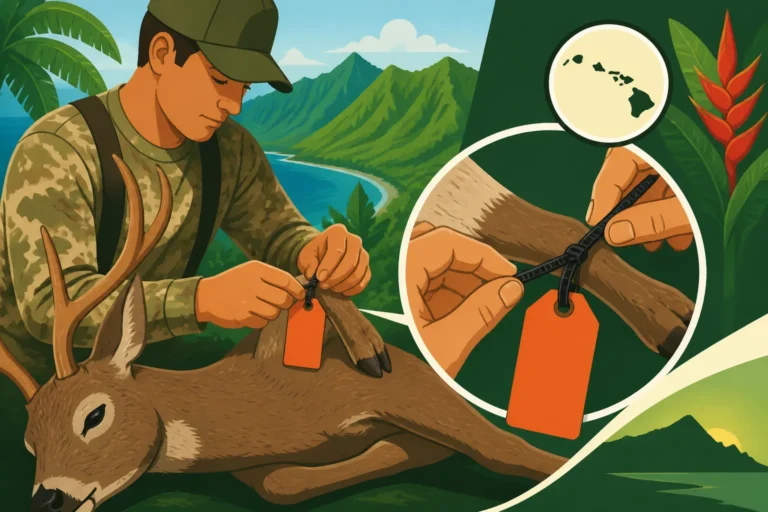
If you’re one of the lucky few drawn for a Lanai Mouflon archery permit, congratulations! Your notification will include instructions on how to purchase your actual permit-tag. This tag will detail your specific hunt dates and potentially the unit or area you are authorized to hunt within. It’s crucial to understand all the conditions attached to your tag. This isn’t the time to skim; read every line carefully. There will be a set deadline to purchase your tag, and failing to do so will result in forfeiture of your drawn opportunity.
If you weren't drawn, don't despair. It's a competitive draw, and many hunters try for several years before success. You can always apply again next year! Keep an eye on Hawaii Drawn Hunt Results and Notification for specific timelines and methods of checking if you were selected.
| Event | Typical Timeline | Key Action |
|---|---|---|
| Season Announcement | May – July (for upcoming fall/winter season) | Check DLNR/DOFAW website, GoHunt alerts |
| Application Period Opens | June – August | Prepare Hawaii Hunting License, Hunter Ed proof |
| Application Deadline | July – September | Submit online application through official portal |
| Draw Results Announced | August – October | Check mail/email, DOFAW website for notification |
| Permit-Tag Purchase Window | September – November | Purchase tag within specified deadline if drawn |
| Archery Hunt Dates | November – February (specific weekends/periods) | Hunt only during your assigned dates |
Note: All dates are illustrative and subject to change annually by the Hawaii Division of Forestry and Wildlife (DOFAW). Always confirm current information directly from official DOFAW sources or reliable third-party platforms like GoHunt.
Planning Your Lanai Mouflon Archery Hunt
Getting drawn for a Lanai Mouflon archery permit is just the beginning. The real work of planning your hunt, from gear to logistics, now begins. This island presents unique challenges that require thoughtful preparation.
Essential Gear and Bowhunting Considerations
Bowhunting Mouflon on Lanai requires a specific approach to gear. The terrain is often dry, rocky, and can be quite steep, especially if you're pursuing sheep in higher elevations.
- Bow Setup: A reliable compound or traditional bow capable of delivering adequate kinetic energy for Mouflon is essential. Ensure your bow is sighted in perfectly and you are confident with your shooting out to ethical distances, as shots can be challenging in windy conditions or on uneven ground.
- Broadheads: Sharp, durable broadheads are a must. Fixed-blade broadheads are often preferred for their reliability and penetration on tough game like sheep, but mechanicals can work if you choose a robust design.
- Optics: High-quality binoculars are invaluable for spotting sheep from a distance. A rangefinder is non-negotiable for accurate shot placement in variable terrain.
- Footwear: Invest in sturdy, comfortable hiking boots with excellent ankle support and a stiff sole to navigate the rugged, volcanic rock and dry, uneven ground. Blisters or sprained ankles can quickly end a hunt.
- Clothing: Layering is key. Even if it starts warm, temperatures can drop significantly, especially at higher elevations or with the wind. Lightweight, breathable, camouflage clothing in earth tones that blend with the dry, scrubby landscape is ideal. Don't forget rain gear; while Lanai is drier than some islands, sudden showers are always a possibility.
- Water and Hydration: This cannot be stressed enough. Lanai can be hot and dry. Carry more water than you think you’ll need, and consider a water filter if you plan to be in remote areas where natural sources might exist, although these are rare in many Mouflon habitats.
- First Aid Kit: A comprehensive kit for cuts, scrapes, blisters, and other common hunting injuries is vital.
- Navigation: A reliable GPS device or a smartphone app like onX Hunt (with offline maps downloaded) is crucial for navigating units and staying aware of boundaries, especially in areas with limited cell service. You'll definitely want to consider Choosing an Arrow Setup for Axis Deer and applying some of those principles to your Mouflon gear.
Scouting, Strategy, and Ethical Hunting
Mouflon sheep are wary animals, and bowhunting them on Lanai presents a true test of skill and patience.
- Spot and Stalk: This is the primary method for hunting Mouflon. You'll spend a lot of time glassing open hillsides, lava flows, and dry gulches from vantage points, looking for movement or the tell-tale curl of a ram's horns. Once spotted, a careful, calculated stalk, often utilizing terrain features for cover, is necessary to get within bow range. Understanding Spot-and-Stalk Tactics on Open Country is a fundamental skill.
- Reading Sign: Look for tracks, droppings, and feeding areas. Mouflon often browse on grasses, forbs, and shrubs. They'll also leave rub marks on bushes and small trees from shedding velvet or marking territory.
- Wind and Thermals: Pay close attention to wind direction. Lanai often has consistent trade winds, but thermals can shift in gulches and at dawn/dusk, carrying your scent directly to sheep. Always try to approach from downwind.
- Patience and Persistence: These hunts can be physically demanding and often involve long periods of no sightings followed by intense, quick action. Don't get discouraged.
- Ethical Shot Placement: With Mouflon, aiming for the vitals is critical for a clean, humane kill. Practice your shooting from various field positions to ensure you're ready when the opportunity arises.
Logistics, Lodging, and Local Support
Lanai is a smaller island, and while it has a welcoming community, hunting logistics need to be planned meticulously.
- Travel to Lanai: You'll typically fly into Honolulu (Oahu) or Maui (Kahului) and then take a commuter flight or a ferry (from Maui's Lahaina harbor) to Lanai. Book these connections well in advance, especially during peak travel times.
- Getting Around Lanai: Rental cars are available, but for accessing hunting units, a 4×4 vehicle is often necessary, especially if you plan to venture off paved roads. Many hunting areas require high-clearance vehicles.
- Lodging: Lanai City offers various accommodations, from small inns to vacation rentals. There are also higher-end resorts, but most hunters prefer more practical lodging close to services. Book early, as options can be limited.
- Guides: It's important to note that commercial guiding is not allowed on Lanai's public hunting lands. If you're drawn for a public land permit, you will be hunting self-guided. This is a critical distinction from other islands or private land hunts. Therefore, learning how to hunt Hunting Lanai Without a Guide is paramount.
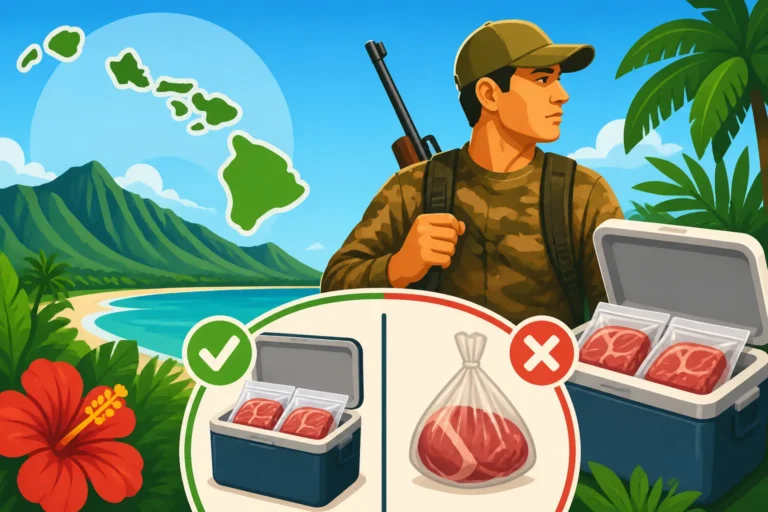
- Meat Care: The Hawaiian climate is warm. Plan for immediate field dressing and rapid cooling of your Mouflon meat. Bring large coolers, plenty of ice, and ideally, have a plan for a local butcher or processing facility if you intend to fly meat home or to another island. You'll also want to review What You Cannot Bring Home From Hawaii to ensure compliance with agricultural regulations.
A successful Lanai Mouflon archery hunt isn't just about drawing a tag; it's about respecting the land, understanding the unique challenges, and preparing thoroughly for an unforgettable adventure.
Disclaimer
Please remember that hunting regulations, season dates, and permit requirements in Hawaii can change frequently. The information provided in this guide is for general informational purposes only and is based on typical patterns and publicly available data. It is absolutely essential to consult the official Hawaii Department of Land and Natural Resources (DLNR) and Division of Forestry and Wildlife (DOFAW) websites and publications for the most current and accurate regulations before planning or undertaking any hunting activity.