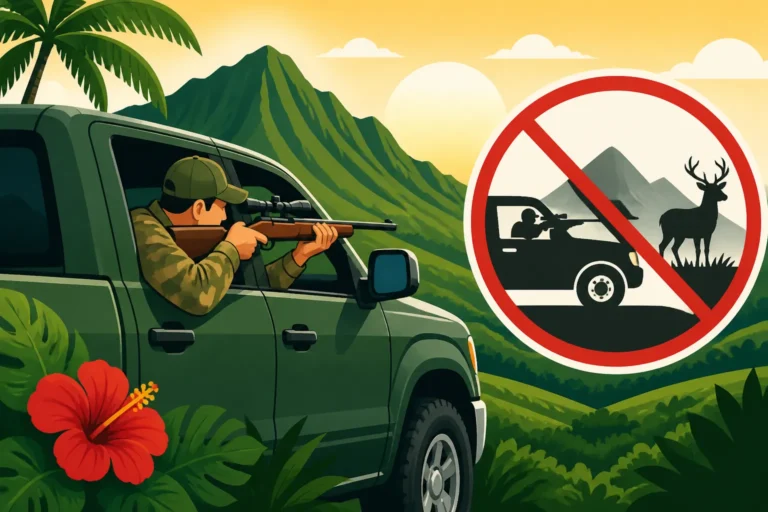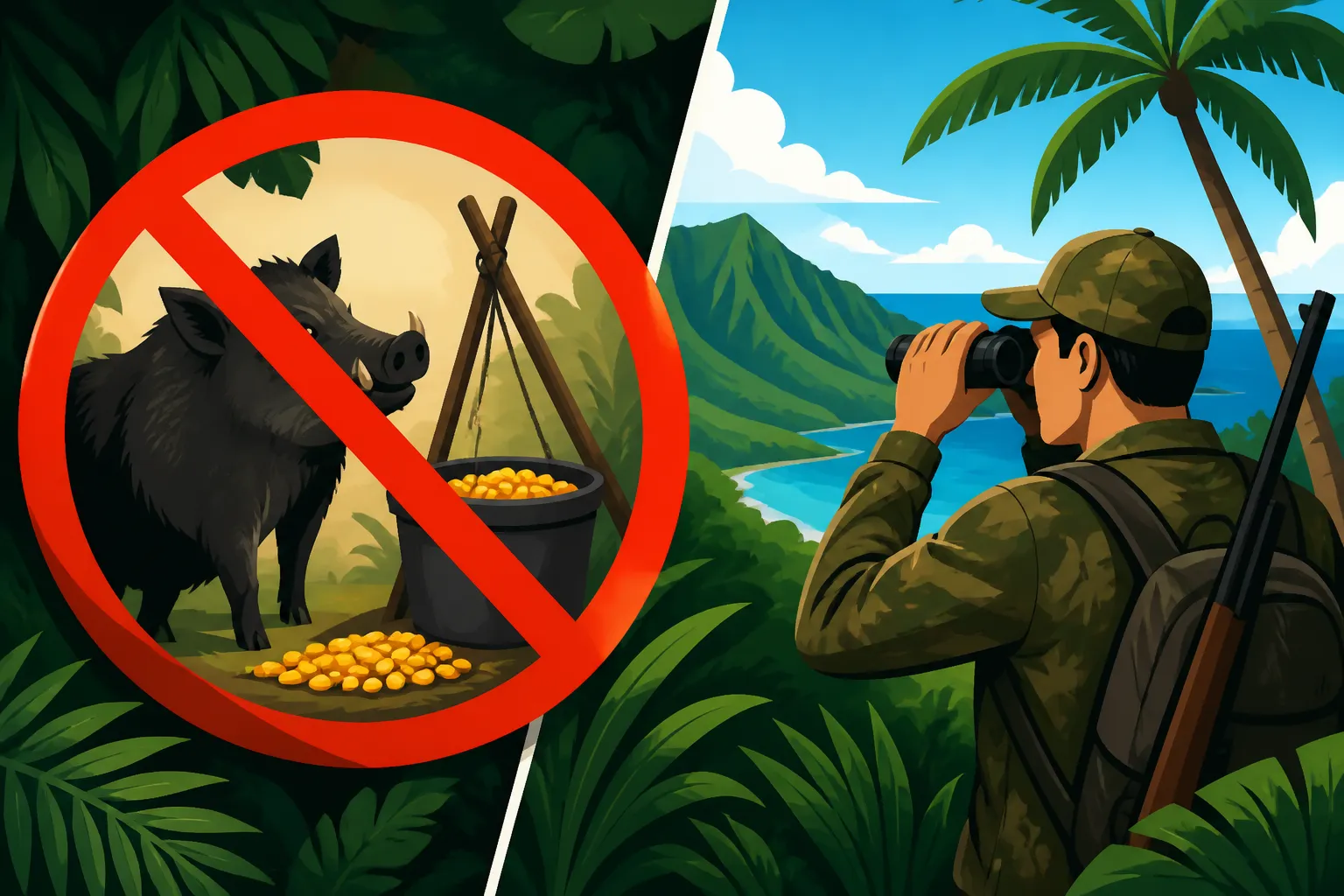
The Rules Against Baiting Game
One of the most common pitfalls for hunters, especially those new to the unique challenges and regulations of the islands, is understanding the nuances of Hawaii's hunting laws. It's easy to assume that what's acceptable on the mainland might fly here, but when it comes to attracting game, Hawaii has clear and strict rules against baiting that can catch even experienced hunters off guard. This comprehensive guide will walk you through the specifics of these regulations, helping you navigate the landscape legally and ethically, so you can enjoy your hunt without worry.
Understanding Hawaii's Stance on Baiting Game
Hawaii's approach to game management is deeply intertwined with conservation efforts and maintaining the natural balance of its delicate ecosystems. The rules against baiting aren't just arbitrary; they're designed to ensure fair chase, prevent the concentration of animals in unnatural ways, and reduce the potential spread of disease that can come from animals congregating around artificial food sources. For many hunters, the idea of baiting can seem like a shortcut, but here in Hawaii, it's considered a serious violation of fair hunting practices and conservation principles.
Imagine spending months planning a trip to hunt Axis deer on Maui or feral pigs on the Big Island, only to run afoul of the law because you weren't fully aware of what constituted baiting. It’s a frustrating scenario that can lead to fines, loss of equipment, and even hunting privileges. That's why it's so critical to not only know the letter of the law but also understand the spirit in which it was written. Hawaii's commitment to protecting its unique environment means hunters must be diligent in adhering to these regulations.
What Constitutes "Baiting" in Hawaii?
The Hawaii Department of Land and Natural Resources (DLNR), through its Division of Forestry and Wildlife (DOFAW), defines baiting quite broadly. Essentially, it refers to placing, exposing, depositing, distributing, or scattering any material that attracts wildlife to a specific area for the purpose of hunting. This isn't just about dumping a pile of corn in the woods; it includes any natural or artificial food, salt, minerals, or other attractants that lure animals away from their natural foraging patterns.
For example, if you set up a stand and scatter a bag of sweet feed to draw in pigs, that's baiting. If you put out a salt block to encourage Axis deer to frequent an area, that's also baiting. Even pouring out leftover fruit scraps from your lunch could be construed as baiting if done with the intent to attract game. The key here is intent and the artificial placement of attractants. It's about ensuring animals are sought out in their natural environments, relying on hunter skill, tracking, and woodsmanship, rather than enticing them with food.
The Philosophy Behind Anti-Baiting Rules
At its core, the prohibition against baiting game in Hawaii aligns with the principle of fair chase. This ethical framework dictates that hunters should not have an unfair advantage over the animals they pursue. Baiting, by concentrating animals and altering their natural movements, is seen as creating such an advantage. It detracts from the challenge and tradition of hunting, which emphasizes skill, patience, and an understanding of animal behavior and habitat.
Beyond ethics, there are significant biological and ecological reasons for these rules. Concentrating animals around bait sites can lead to increased stress, aggressive interactions, and a higher risk of disease transmission among wildlife. For instance, if a pig carrying a pathogen visits a bait pile, other pigs that subsequently feed there are more likely to contract it. In Hawaii's isolated ecosystems, where many species are susceptible to introduced diseases, this is a serious concern. The rules are in place to help prevent these negative impacts and support healthy, free-ranging wildlife populations.
Specifics of the Baiting Prohibition Across Species
The regulations against baiting apply across the board to game mammals and game birds in Hawaii. There isn't a loophole for one species versus another; the general principle remains consistent. However, the practical implications can differ slightly depending on the animal you're pursuing and the methods typically used to hunt them. Hunters need to be particularly vigilant, especially if they are accustomed to different regulations in other states or countries.
Understanding these specifics is paramount for a successful and legal hunt. It’s not just about avoiding trouble; it’s about participating in a system designed to preserve Hawaii’s unique hunting opportunities for generations to come. Always refer to the most current DOFAW regulations, which are often available through online resources like GoHunt or at local DOFAW offices.
Mammal Hunting and Baiting
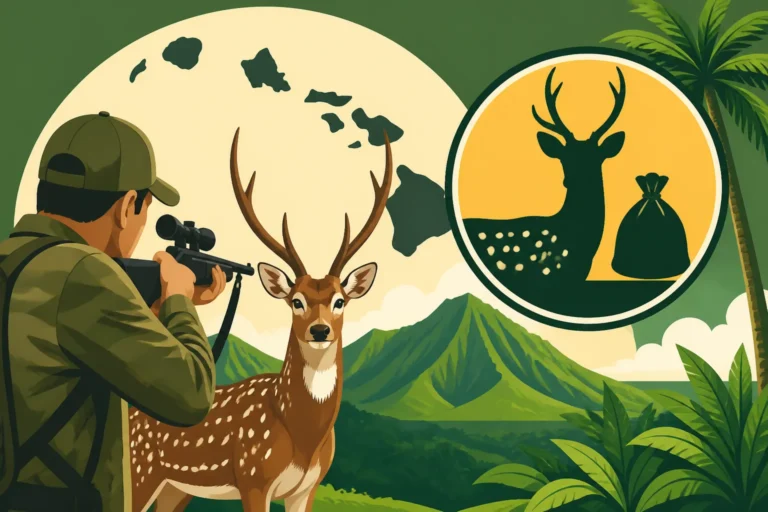
When you're out pursuing big game like Axis deer, feral pigs, Mouflon sheep, or feral goats, the rules against baiting are very clear. You cannot use any food or attractant to draw these animals to a specific location for hunting. This means no corn feeders for deer, no molasses pits for pigs, and no mineral licks for goats or sheep. Your success needs to come from scouting, tracking, calling, and strategic still-hunting or spot-and-stalk techniques.
For example, if you're trying your hand at Hunting Hawaii's Feral Pigs, you might be tempted to set up a lure near a known pig trail. However, this is strictly prohibited. You must locate pigs through their natural sign, sounds, or by encountering them in their habitat. Similarly, for Axis Deer Hunting in Hawaii or Mouflon Sheep Hunting on Hawaii Island, relying on their natural feeding and movement patterns is key. Observing where they graze, drink water, or bed down is part of the challenge and reward of hunting these magnificent animals in their natural environment.
Game Bird Hunting and Baiting
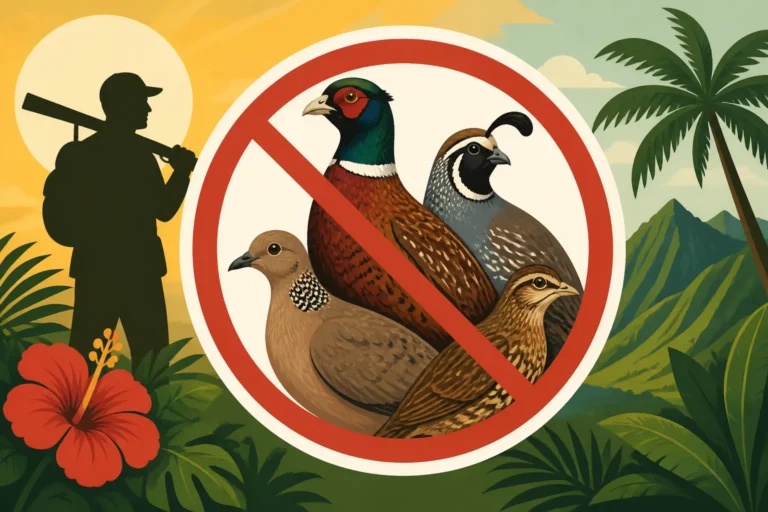
While the general rule against baiting applies to game birds, there are sometimes slight distinctions in practice, though the intent remains the same. For species like francolin, pheasant, chukar, and doves, you cannot hunt over areas where grain or other feed has been scattered to attract them. This is often referred to as "chumming" or hunting over "baited areas" and is illegal.
However, hunting over normally agricultural areas where crops are planted and harvested in accordance with good farming practices is generally permissible, even if game birds are attracted to leftover grain or stubble. The difference lies in the intent and the method of distribution. If a farmer plants a field of sorghum and birds feed there after harvest, that's natural. If you scatter a bag of sorghum specifically to create a hunting spot, that's baiting. It's a fine line that often comes down to local interpretation and the specific circumstances, so it's always best to err on the side of caution. Consult the Hawaii Game Bird Seasons and Bag Limits for specific regulations related to bird hunting.
Consequences, Exceptions, and Best Practices for Hunters
Ignoring Hawaii's anti-baiting regulations can lead to serious repercussions. The state takes its wildlife management seriously, and violations are not treated lightly. It's not just about the legal penalties; it's also about maintaining the reputation of the hunting community as ethical and responsible stewards of the land and its resources. By understanding the consequences and adopting best practices, you can ensure your hunting experiences in Hawaii are both memorable and lawful.
The best defense against a violation is thorough knowledge and proactive avoidance. Don't assume anything. If you have any doubt about a particular practice, it’s always best to contact DOFAW directly for clarification. Their wardens and staff are generally helpful and prefer to prevent violations rather than having to issue citations after the fact.
Penalties for Baiting Violations
The penalties for baiting violations in Hawaii can be significant. Depending on the severity and frequency of the offense, they can include hefty fines, confiscation of hunting equipment (including firearms and vehicles), and the suspension or revocation of hunting licenses and privileges for a period of time, possibly even permanently. Imagine losing your ability to purchase Hawaii Hunting Licenses and What They Cost or participate in future drawn hunts for years because of one mistake.
A single instance of baiting can result in fines upwards of hundreds or even thousands of dollars. Repeated offenses can lead to even more severe penalties, including potential misdemeanor charges. These consequences are not just a deterrent; they reflect the state's firm commitment to protecting its wildlife resources. It's crucial for hunters to be aware that ignorance of the law is not considered a valid excuse. Familiarize yourself with Penalties for a Hunting Violation to understand the broader implications of wildlife infractions.
Avoiding Accidental Baiting Situations
It's entirely possible to accidentally create a situation that could be interpreted as baiting, especially if you're hunting in areas near agricultural land or private property where animals might forage. Here are some tips to avoid unintentional violations:
- Clean Up Your Camp: Always ensure that no food scraps, trash, or enticing scents are left at your camp or rest stops. Even biodegradable items like fruit peels can attract animals.
- Be Mindful of Food Plots: While common on mainland properties, planting food plots specifically to attract game for hunting purposes is generally considered baiting in Hawaii. Focus on hunting natural forage areas.
- Understand Neighboring Land Use: If you're hunting adjacent to ranch land, farms, or orchards, be aware that animals might be attracted to legitimate agricultural practices. Ensure you are not directly or indirectly exploiting such an attraction for hunting.
- No Supplements or Minerals: Avoid placing any type of mineral block, salt lick, or feed supplement, even if intended for "health" rather than direct hunting attraction.
- Check Unit-Specific Rules: Always review the specific regulations for Hawaii's Hunting Units and How They Work before heading out. Some units might have additional restrictions or unique characteristics that influence what could be perceived as baiting.
To truly prevent accidental baiting, consider what you bring into the field. If it's food for you, keep it contained. If it's something that could attract an animal, don't leave it behind.
Ethical Considerations Beyond the Law
While legal compliance is mandatory, many hunters also adhere to a broader ethical code known as fair chase. This philosophy encourages hunting in a manner that respects the animal, the land, and the traditions of hunting. Beyond simply avoiding legal trouble, choosing not to bait demonstrates a commitment to this ideal.
Hunting without bait means you're relying on your skills as a tracker, observer, and woodsman. It requires a deeper understanding of animal behavior, habitat, and weather patterns. For many, this challenge is what makes hunting truly rewarding. It fosters a connection to the environment and a greater appreciation for the animals pursued. When you successfully harvest an animal through ethical, fair chase methods, the sense of accomplishment is far greater than if you had lured it in with an artificial attractant. Embrace the challenge, learn the terrain, and respect the wildness of Hawaii's game animals.
| Method of Attracting Game | Legal in Hawaii | Description & Example |
|---|

Hawaii offers an incredible array of hunting opportunities, but it's not like hunting anywhere else. The islands are home to unique ecosystems, and as a result, the rules and regulations are designed to protect these environments while still allowing for sustainable hunting of introduced game species. One of the areas that causes the most confusion, especially for new hunters or those visiting from the mainland, revolves around the use of bait. Trust me, it's easy to accidentally step over the line if you're not fully informed. Many a hunter has found themselves in a pickle, scratching their head wondering why a simple practice elsewhere is a big no-no here. This guide is all about demystifying "The Rules Against Baiting Game," ensuring your Hawaiian hunting adventure is both successful and fully compliant with local regulations.
Why Hawaii Restricts Baiting for Game Animals
The Hawaiian Islands are a marvel of biodiversity, but also extremely fragile. Many of the game animals we hunt today, like pigs, goats, Axis deer, and Mouflon sheep, were introduced over centuries and have thrived, sometimes to the detriment of native plants and ecosystems. Because of this delicate balance, Hawaii's hunting regulations are crafted with conservation and ecological protection at their absolute core. It’s not just about what makes a hunt easier or harder; it’s about managing populations responsibly and preserving the unique natural heritage of the islands.
You might be thinking, "What's the big deal with a little bait?" Well, the "big deal" here is the potential for significant negative impacts. Baiting can artificially concentrate animal populations, leading to increased competition for resources, elevated stress levels, and, crucially, a much higher risk of disease transmission. Imagine a group of feral pigs, which are known to carry diseases like leptospirosis, all feeding from the same spot. This kind of gathering can accelerate the spread of pathogens, impacting not only the game animals themselves but also potentially spreading to other wildlife or even domestic animals.
Defining "Baiting" in the Islands
In Hawaii, the term "baiting" is taken pretty seriously by the Department of Land and Natural Resources (DLNR) and its Division of Forestry and Wildlife (DOFAW). It's broadly defined as the direct or indirect placing, depositing, exposing, distributing, or scattering of any material or substance that serves to attract game animals to an area for the purpose of taking them. This includes, but isn't limited to, any grain, salt, minerals, fruits, vegetables, or commercial attractants. The intent behind the action is a major factor.
Let's break down some practical examples. If you’re out scouting for Hunting Hawaii's Feral Pigs and you intentionally leave out a pile of overripe mangoes to bring them into an accessible clearing, that’s baiting. Similarly, setting up a feeder that dispenses corn for Axis deer on a private ranch where you intend to hunt them is also prohibited. The rule is designed to ensure that animals are hunted based on their natural movements and behaviors, not by being lured to a specific, man-made feeding station. It's about respecting the animals' natural instincts and the principle of fair chase.
The Ethos of Fair Chase in Hawaiian Hunting
The concept of fair chase is a cornerstone of ethical hunting worldwide, and it holds particular significance in Hawaii. It’s the idea that hunters should not have an unfair advantage over the animals they pursue. Baiting, by its very nature, can compromise this principle by drawing animals out of their natural patterns, making them more predictable and less wary. This takes away from the skill, challenge, and traditional aspects of hunting.
For many local hunters, and those who travel here to experience the unique hunting opportunities, the true reward comes from the effort involved in finding game. This means learning to read the terrain, understanding animal sign, mastering Hunting Hawaii's Volcanic Terrain or the dense rainforest, and patiently executing a stalk. It’s about being a part of the environment, not manipulating it. Upholding fair chase helps preserve the integrity of hunting, ensuring it remains a respected and sustainable activity for future generations.
Specific Restrictions for Mammals and Birds
The regulations against baiting aren't just a blanket statement; they have specific implications depending on what you're hunting. Whether you're after a big Axis buck or trying to fill a limit of francolin, the spirit of the law remains the same: no artificial enticements. Understanding these specific applications is crucial to staying on the right side of the law.
It’s often these little details that trip people up. What might be acceptable for drawing in waterfowl on a private pond on the mainland is absolutely not okay for game birds in Hawaii. And the same goes for big game. The islands demand a heightened awareness of how your actions impact the wildlife, which means being extra diligent about baiting.
Big Game Hunting Without Bait
When it comes to big game in Hawaii – think Axis deer, feral pigs, Mouflon sheep, and feral goats – the prohibition on baiting is quite strict. You absolutely cannot place food, salt, minerals, or other attractants to draw these animals to a specific location for hunting. This means no salt blocks, no piles of fruit, no commercial attractants meant to simulate estrus or food sources. Your hunt must be a pure test of your skills in tracking, glassing, and stalking.
Consider a scenario where you're planning an Axis Deer Hunting in Hawaii trip to Maui. You might have heard about certain areas where deer congregate. While scouting, you might identify natural feeding areas like kiawe flats or areas with abundant grasses, or Hunting a Water Source in Dry Hawaii Country. These are perfectly legal and ethical places to hunt. What you cannot do is create a new, artificial feeding spot by introducing supplements or feed, even if it's on private land. The rules regarding baiting apply broadly across both public and private hunting lands to ensure consistency in conservation efforts. This also applies when you're looking for Hunting Hawaii's Feral Goats on the steep pali faces or Mouflon Sheep Hunting on Hawaii Island in the high-altitude mamane forests.
Game Bird Hunting and the Baiting Line
Game bird hunting in Hawaii also comes with strict no-baiting rules, though the nuances sometimes confuse people, especially those used to hunting over food plots in other states. The core rule is: you cannot hunt game birds over areas where grain, seed, or other food has been purposefully scattered or placed to attract them. This practice, often called "chumming," is strictly forbidden.
However, there's a distinction to be made regarding normal agricultural operations. It is generally permissible to hunt game birds over bona fide agricultural areas where crops are grown and harvested in a standard, legitimate farming practice. For example, if a dove hunter finds a field that was recently harvested for corn, and doves are naturally feeding on the scattered leftovers from the harvest, hunting there would typically be allowed. The key is that the food source is a result of a normal agricultural operation, not intentionally placed there by a hunter to attract game. Always double-check the specifics with DOFAW, and when in doubt, err on the side of caution. Reviewing the Hawaii Game Bird Seasons and Bag Limits is essential to understanding what is and isn't allowed for particular species.
Penalties, Ethics, and Staying Complaint
Nobody wants to face fines or lose their hunting privileges, especially when you've invested time and money into a Hawaiian hunt. The penalties for baiting violations in Hawaii are not just slaps on the wrist; they are serious. Beyond the legal ramifications, there's also the ethical responsibility each hunter carries to uphold fair chase principles and contribute positively to wildlife conservation. Understanding these aspects is crucial for a compliant and respectable hunting experience.
It’s about being a good steward of the land and the animals. Hawaii's natural resources are precious, and adhering to these rules helps ensure that hunting can continue to be a part of the islands' culture and conservation strategy. Don't be that hunter who gives everyone else a bad name because of a preventable mistake.
The Steep Cost of Baiting Violations
Hawaii takes wildlife violations, including baiting, very seriously. The consequences can be significant, designed to deter actions that harm wildlife populations or undermine fair hunting practices. A single instance of baiting can lead to substantial monetary fines, often ranging from hundreds to several thousands of dollars. Beyond the financial hit, you could face the confiscation of your hunting equipment, which might include your firearm, archery gear, or even your vehicle if it was used in the commission of the offense.
Perhaps one of the most impactful penalties is the suspension or revocation of your hunting license and privileges. This means you could be barred from hunting in Hawaii, and potentially in other states through reciprocity agreements, for an extended period, or even permanently. Imagine planning a dream hunt for Hunting Lanai's Drawn Axis Deer Weekends or Hunting Hawaii's Feral Pigs, only to have your license revoked before you even start or after a successful but illegal hunt. It’s a harsh reality, but it underscores the state’s commitment to its conservation laws. Always remember to check in and out of units properly, as outlined in Checking In and Out of Hawaii Hunting Units, and understand Hawaii's Legal Weapons by Season to avoid other common pitfalls.
Avoiding Accidental Temptation and Situations
It's surprisingly easy to fall into an "accidental baiting" situation if you're not careful. This is especially true for hunters who are used to different rules in other states or who are simply unaware of Hawaii's strict stance. The key is vigilance and proactive prevention.
- Leave No Trace: When you're in the field, practice strict "Leave No Trace" principles. This means packing out everything you pack in, including all food scraps, fruit peels, and even biodegradable items. An apple core tossed aside could potentially attract an animal and, if discovered, lead to questions about intent.
- Be Aware of Your Surroundings: If you're hunting near private agricultural land, understand that game animals might naturally feed on residual crops. Ensure your hunting activity is clearly separate from any intentional placement of attractants.
- No "Supplements" or "Minerals": Even if your intent isn't explicitly to "bait" but rather to "supplement" or provide minerals, placing such items is still considered baiting if they attract game for hunting purposes.
- Know the Rules for Your Unit: Each Hawaii's Hunting Units and How They Work can have specific nuances. Before you head out, consult the DOFAW website or local office for the most current regulations specific to your hunting area. GoHunt is also a fantastic resource for checking regulations and unit boundaries, so make sure you're using it to your advantage. A quick check can save you a lot of headache.
Ultimately, the best practice is to hunt animals based on their natural movements and the environment. This means extensive scouting, understanding how animals use the landscape, and mastering your hunting techniques. If you're successful, it will be a testament to your hard work and skill, not an artificial lure.
Ethical Hunting: Beyond Just Following the Rules
While legal compliance is non-negotiable, many hunters embrace an ethical framework that goes beyond the letter of the law. This is the principle of fair chase, and it encourages respect for the animal, the environment, and the traditions of hunting. Choosing not to bait, even if you felt you could somehow get away with it, is a powerful statement of this commitment.
Hunting in Hawaii is a privilege, not a right. Our collective actions, both legal and ethical, shape public perception and influence the future of hunting on these unique islands. By consistently demonstrating a commitment to fair chase and responsible stewardship, we ensure that these incredible opportunities remain for ourselves and for future generations. It’s about leaving the land better than you found it, respecting the wildlife, and embodying the true spirit of an ethical hunter.
Disclaimer
Please note that hunting regulations in Hawaii can change. This guide is intended for informational purposes only and should not be considered legal advice. It is the responsibility of every hunter to consult the most current Hawaii Administrative Rules (HAR) Title 13, Chapter 123 (Rules Regulating Game Mammal Hunting) and Chapter 122 (Rules Regulating Game Bird Hunting), as well as any specific public hunting area regulations, before engaging in any hunting activity. Always contact the Hawaii Department of Land and Natural Resources (DLNR) Division of Forestry and Wildlife (DOFAW) for the latest and most accurate information.