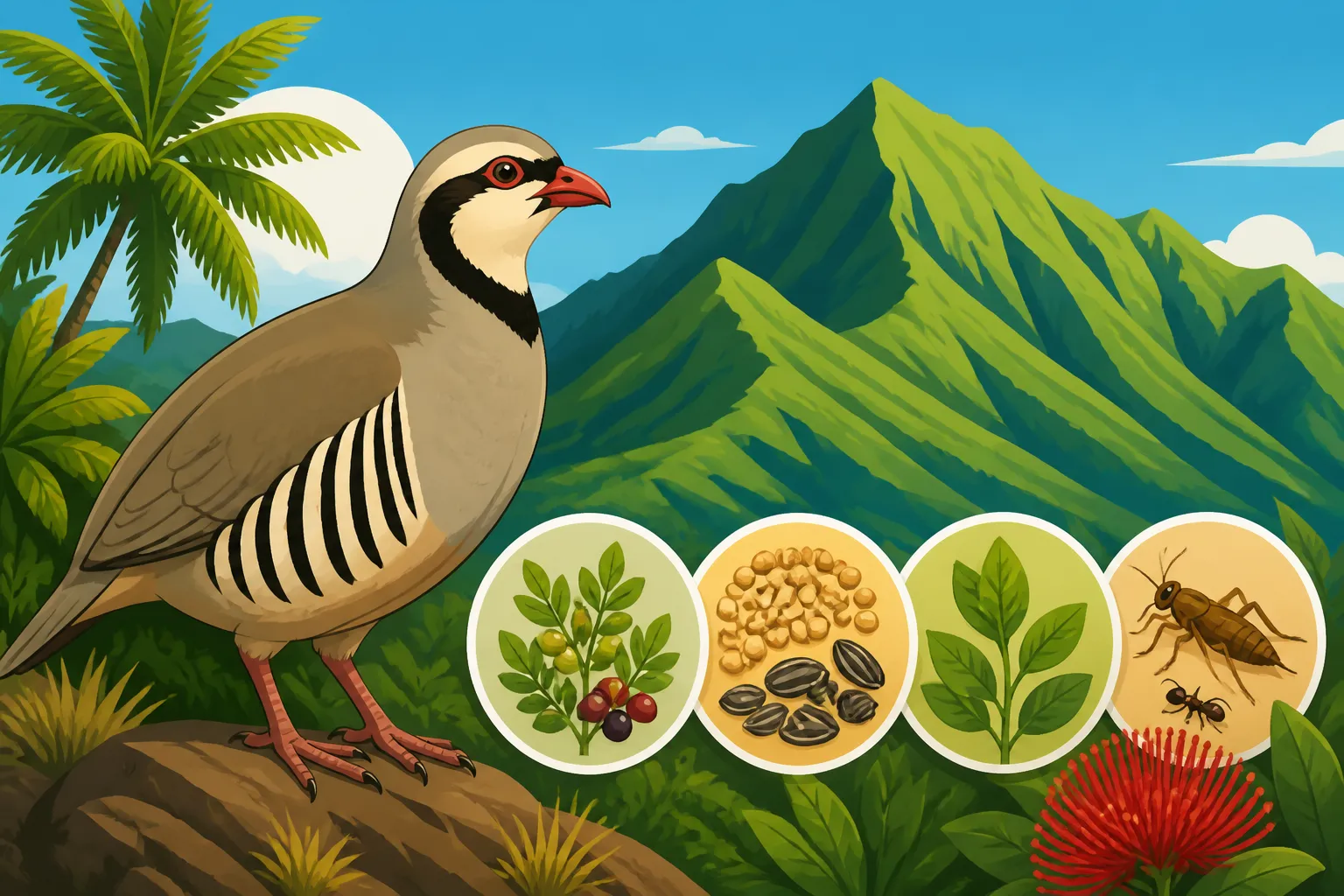
What Chukar Eat in the Islands
One of the most common frustrations for hunters in Hawaii, especially those targeting game birds, is truly understanding the nuances of the species they pursue. It’s not enough to just know where to find chukar; knowing what they’re eating can be a game-changer, influencing everything from where they gather to how they behave. If you’ve ever hiked the dry, rocky uplands of Hawaii Island or Maui, chasing the elusive call of a chukar, you’ve probably wondered what fuels these hardy birds in such seemingly harsh environments. This guide will take a deep dive into the fascinating diet of chukar in the Hawaiian Islands, revealing the specific forage they seek out and how their eating habits directly impact where you'll find them and how to successfully hunt them.
The Chukar Partridge: An Upland Survivor in Paradise
When you think of Hawaii, images of lush rainforests, white sand beaches, and vibrant coral reefs often come to mind. But the islands also boast vast stretches of high-elevation, arid terrain, particularly on the Big Island and Maui. This is where the chukar partridge, an introduced species, thrives. These tough little birds, originally from Asia, were brought to Hawaii for sport hunting, and they’ve adapted remarkably well to the dry, rocky, often windswept landscapes that mimic their ancestral homes. Understanding their origins and habitat is the first step to truly grasping their diet.
Where Chukar Feel at Home in Hawaii
Chukar aren’t found everywhere in Hawaii; they prefer specific niches. You'll typically encounter them in the drier, more open country, particularly on the leeward slopes of the larger islands. Think about areas like the upper elevations of Mauna Kea and Mauna Loa on Hawaii Island, or certain parts of Maui's drier upcountry. These are places characterized by sparse vegetation, volcanic rock, cinder cones, and often, a surprising amount of elevation. It's a far cry from the stereotypical Hawaiian beach, and these are the environments that naturally supply the chukar's preferred menu. Their ability to survive and even flourish in these challenging conditions speaks volumes about their adaptability and their foraging strategies. It's tough country for humans to hike, but for chukar, it's home, offering both food and escape cover. If you've ever felt the burn in your lungs Chukar Hunting Hawaii Island's High Country, you know exactly what I mean.
Why Chukar Thrive on Introduced Foods
Like many successful introduced species, chukar didn't just survive; they truly adapted by utilizing the existing flora and fauna, much of which is also non-native. The dryland ecosystems they inhabit in Hawaii are often dominated by grasses, forbs, and shrubs that were also brought to the islands, either intentionally or accidentally. This means their diet isn't solely reliant on native Hawaiian plants (though they'll take those too if palatable). Instead, they've found a new bounty in the landscape, a smorgasbord of readily available seeds, leaves, and insects that fill their nutritional needs. This integration into a non-native food web is a key factor in their success and something every hunter needs to consider when scouting a new unit.
The Core Diet: Natural Forage in Hawaii's Upland Ecosystems
The chukar's diet is largely dictated by its environment: dry, rocky uplands. This means their food sources are primarily resilient plants, seeds that can endure arid conditions, and the insects that thrive in such habitats. They are primarily ground-feeders, scratching and pecking for their meals, which is why a good understanding of ground cover and specific plant types is so crucial for finding them.
Seeds and Grains: The Staple of Their Survival
If you were to peek into the crop of a chukar in Hawaii, chances are you'd find a significant amount of seeds. Seeds are their absolute bread and butter, providing concentrated energy in a relatively harsh environment. They're opportunistic, meaning they'll eat a wide variety of seeds, but certain species are undoubtedly preferred. Grass seeds, especially those from introduced forage grasses, form a large part of their intake. Think about the dry, golden hillsides you see in the summer; those are often covered in various annual and perennial grasses that, when gone to seed, become a chukar buffet.
They also readily consume the seeds of various forbs, which are broad-leafed herbaceous plants. These include things like filaree, vetch, and certain types of wild legumes. These plants often pop up after seasonal rains, produce a flush of seeds, and then dry out, leaving behind a valuable food source. Hunters who understand the lifecycle of these plants often have a leg up, knowing where the most concentrated food sources will be. It's not just about finding water; it's about finding the groceries. When you're Where Chukar Hold in Summer, these dried seed beds are absolutely critical.
Succulent Plants and Green Forage for Moisture
While seeds are essential for energy, chukar also need moisture, especially in Hawaii's dry uplands where standing water can be scarce. This is where succulent plants and green vegetative matter come into play. They'll browse on tender shoots and leaves, particularly during periods of new growth following rain. These plants provide not only moisture but also essential vitamins and minerals that might be lacking in a purely seed-based diet.
You might find them nibbling on the leaves of low-growing shrubs or the young sprouts of grasses and forbs. This green forage is particularly important during the dry season, or in areas where natural springs are few and far between. It’s a survival mechanism, allowing them to extract hydration directly from their food. This also explains why chukar can often be found in areas where other birds might struggle to survive due to lack of open water. Knowing to look for these patches of green can lead you straight to a covey.
Insects and Invertebrates: A Protein Boost
Chukar aren't exclusively vegetarians; insects and other invertebrates play a vital role in their diet, especially for young chicks and during the breeding season. Insects provide a crucial source of protein, which is essential for growth and feather development. They'll scratch around in the dirt, under rocks, and within sparse vegetation, searching for ants, beetles, grasshoppers, crickets, and other small critters.
During the warmer months, insect populations tend to boom, offering a readily available protein supplement. A hen feeding a brood of chicks will actively seek out insect-rich areas to ensure her young get the nutrients they need to grow quickly. For a hunter, this means looking for areas that might support higher insect activity – perhaps areas with slightly more moisture, decaying plant matter, or just pockets of thicker, undisturbed ground cover. This isn't always obvious, but paying attention to the micro-environments within a larger unit can make all the difference. Walking Up Chukar on a Lava Slope often reveals surprising pockets of insect life.
Seasonal Shifts and Opportunistic Feeding
The chukar's diet isn't static; it shifts throughout the year, adapting to what's available based on Hawaii's subtle but significant seasonal changes. Understanding these shifts is paramount for consistent hunting success. The birds are true opportunists, taking what the land offers, which means their preferred buffet changes with the weather and plant cycles.
Dry Season Diet: Focusing on Drought-Resistant Seeds
Hawaii has distinct wet and dry seasons, and the chukar's diet reflects this directly. During the long, often scorching dry periods, typically from late spring through early fall, green forage becomes scarce. Surface water might completely disappear in many upland units. At this time, chukar rely heavily on the seeds that matured and dropped earlier in the year. Many of these seeds are incredibly hardy, able to lie dormant or simply persist on the dry ground for months, waiting for the next rain.
This means chukar will spend a lot of time scratching through dry grass stubble, under small shrubs, and around rocky outcrops where seeds might accumulate. Their ability to go long periods without free water is truly impressive, thanks to their efficient kidneys and their reliance on metabolic water derived from dry seeds, supplemented by any residual moisture in tougher plant parts. This is when their movements become more predictable, often gravitating towards the densest patches of mature seed-bearing plants or areas where they can find residual moisture from dew or fog.
Wet Season Foraging: A Flush of Green and Insects
When the rains return, typically in late fall and through winter, the landscape transforms. Dry grasses begin to green up, and a flush of new growth emerges. This is a boom time for chukar. They will eagerly switch to a diet rich in tender green shoots and leaves, which provide a vital source of hydration and fresh nutrients. The rains also trigger an increase in insect activity, providing a readily available protein source.
During these wetter months, chukar can disperse more widely across their range, as food and water become more abundant. They might be found further from their traditional water sources, exploring newly greened areas. This dispersal can make them harder to locate, as they're not concentrated around scarce resources. However, it also means they are often in prime condition, well-fed, and healthy. Observing Hawaii Game Bird Seasons and Bag Limits during these periods will give you an idea of when these flushes typically occur.
Human-Altered Landscapes: An Expanding Menu
While much of their diet comes from natural (or naturalized) vegetation, chukar in Hawaii are also known to take advantage of human-altered landscapes. This could mean foraging on the edges of pastures where cattle have grazed, disturbing the soil and promoting new plant growth, or even pecking around old agricultural fields. They might consume spilled grain, or seeds from cultivated plants that have gone wild.
This opportunistic feeding highlights their adaptability. While you won't find them in urban gardens, areas bordering ranch lands, old forestry roads, or the edges of remote, dry agricultural plots can sometimes offer unexpected food sources. This is particularly true if these areas still offer the necessary cover and remoteness that chukar require. It’s a good reminder that not all good hunting spots are pristine wilderness; sometimes, it’s the transition zones that hold the most promise. Consider what happens when you're Hunting a Cinder Cone Rim adjacent to old pastureland.
Impact on the Environment and Hunting Implications
Chukar, like all introduced species, interact with their new environment in complex ways. Their feeding habits contribute to their ecological role and have direct implications for hunters trying to understand their behavior and manage their populations.
Chukar's Ecological Role and Seed Dispersal
As voracious seed-eaters, chukar play a role in seed dispersal, albeit unintentionally. While many seeds are digested, some pass through their system intact, potentially being deposited in new locations. This can contribute to the spread of certain plant species, both native and non-native, within their upland habitats. Their constant scratching and pecking also disturb the topsoil, which can influence germination rates for various plants.
Because they primarily consume the seeds of grasses and forbs, their impact on larger, woody native plants is generally minimal. However, their cumulative effect on the composition and density of the ground-level vegetation in their range is part of the ongoing ecological dynamic in Hawaii's unique ecosystems. It's a testament to how an introduced species can subtly, yet significantly, weave itself into the fabric of an ecosystem over time.
Hunting Strategies Based on Diet
Understanding what chukar eat is perhaps the most powerful tool a game bird hunter can have in Hawaii. It informs scouting, timing, and even how you approach a covey. If you know they're hammering a particular type of seed, you'll focus your efforts on areas where that plant is abundant. If it's a dry spell, you'll look for those green, moisture-rich pockets.
Here's a quick rundown of how diet influences strategy:
| Season/Condition | Primary Food Focus | Hunting Implication |
|---|---|---|
| Dry Season | Hardy grass & forb seeds | Focus on dry stubble, rocky areas, residual moisture from plants. Birds may be concentrated. |
| Wet Season | Green shoots, tender leaves, insects | Birds may be more dispersed across a wider range. Look for areas with lush new growth. |
| Chicks/Breeding | Insects, high protein | Look in sheltered areas with good insect populations, often denser cover. |
| Post-Rain | Fresh sprouts, damp ground seeds | Birds move into areas that are just greening up, often away from traditional water sources. |
| Year-Round | Diverse seeds & opportunistic insects | Consistent presence in areas with varied, resilient vegetation and good cover. |
This table illustrates that flexibility and observation are key. What worked last month might not work this month. Hawaii Game Bird Hunting is all about adapting to these subtle shifts.
The Hunter's Responsibility and Connection to the Land
For those of us who hunt chukar in Hawaii, this detailed understanding of their diet is more than just a tactical advantage; it's a deeper connection to the land. It forces us to observe the ecosystem closely, to understand the relationship between geology, rainfall, vegetation, and wildlife. When you're hiking a remote ridge and you spot a patch of specific grass that you know chukar favor, it’s a moment of true appreciation for the intricate natural world of the islands.
It also highlights our role in conservation. By sustainably harvesting these introduced game birds, we are participating in the management of species that, while valued for sport, also exert pressure on Hawaii's unique environment. Being an informed hunter, one who knows their quarry from the ground up (literally, what they eat!), is a cornerstone of responsible hunting in Hawaii. Whether you’re on Hawaii's Weekend and Holiday Hunting Rules or simply scouting mid-week, knowing what sustains these birds will greatly enhance your experience.
Disclaimer
This article is for general informational purposes only and does not constitute professional advice. Laws, prices and regulations vary by location and change over time. Consult a qualified professional for guidance on your specific situation.