What Hawaii’s First Settlers Brought
When you think about hunting in Hawaii, it's easy to assume the animals you're chasing are just "wild" and have always been here. But the truth is, the very foundation of Hawaii's hunting landscape was laid by its first human inhabitants, long before European contact. Understanding what Hawaii's first settlers brought with them on their epic voyages isn't just a history lesson; it's key to appreciating why certain game animals thrive here today and how their presence shaped the islands for millennia, creating the unique hunting opportunities we have.
The First Canoe Cargo: Intentional Introductions by Polynesian Voyagers
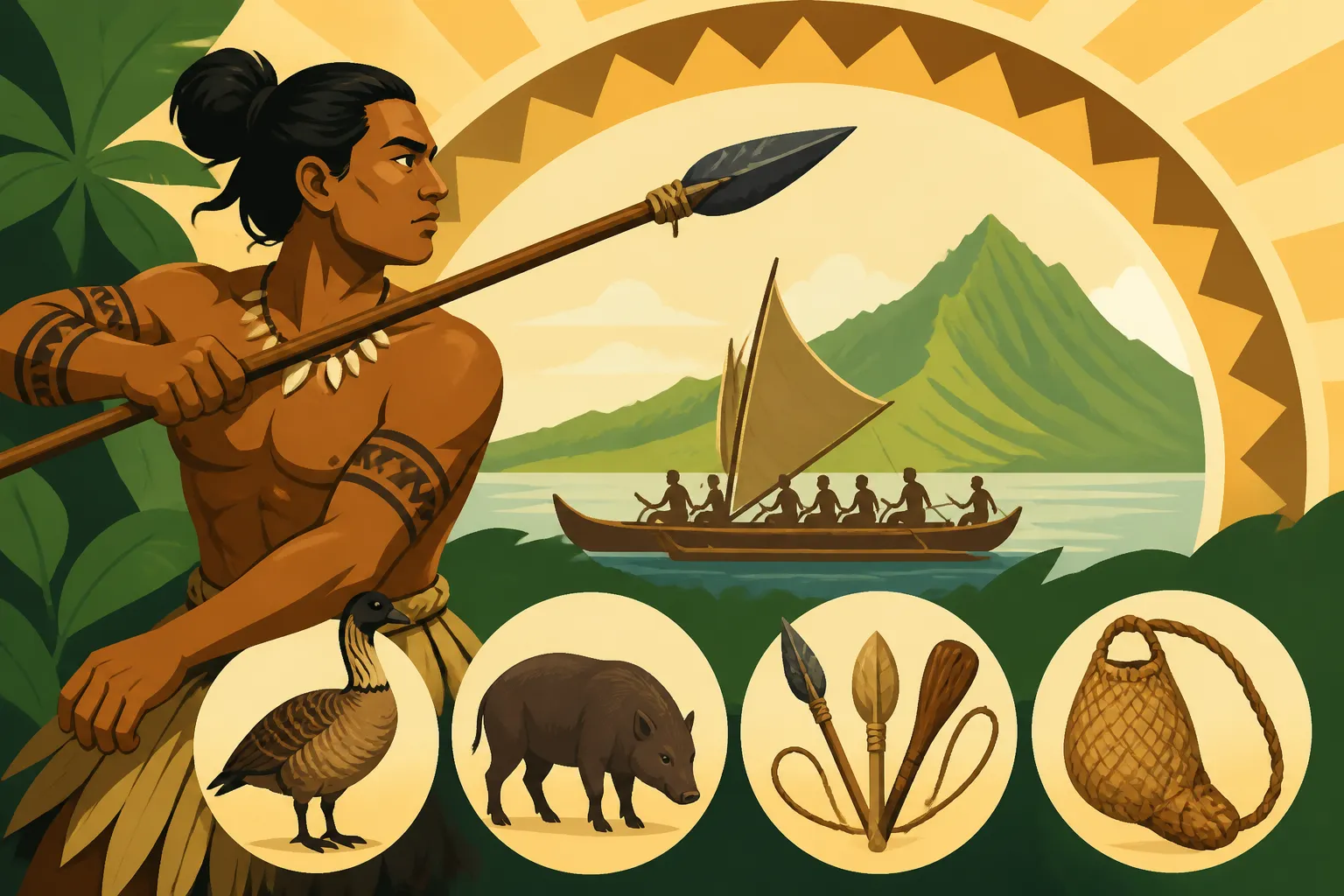
Imagine setting sail across thousands of miles of open ocean, bound for lands unknown. You wouldn't bring frivolous items; every single thing on that canoe would be vital for survival, propagation, and rebuilding a new society. The early Polynesian voyagers were master navigators and incredibly practical people, understanding that successful colonization meant bringing a carefully selected suite of plants and animals crucial for life.
Navigators and New Life: Why They Brought Animals
For the ancient Polynesians, animals weren't just companions; they were living provisions, genetic stock, and cultural touchstones. The decision of what to bring was rooted in an urgent need for food security, materials for tools and shelter, and maintaining cultural practices that relied on these creatures. They weren't just populating an island; they were recreating a sustainable way of life in a new environment. Carrying livestock meant sacrificing precious space for people or other supplies, underscoring their absolute necessity. They had to ensure these animals could survive the arduous journey, reproduce rapidly upon arrival, and thrive in an environment vastly different from their ancestral homes. It was an incredible feat of foresight and logistical planning.
The Prized Pua'a and Other Companions
Among the most important animals brought was the Polynesian pig, known in Hawaiian as pua'a. These pigs were smaller and more agile than many modern domesticated breeds, adapted to foraging and survival. They represented a critical protein source, their meat a staple for feasts and daily sustenance. Beyond their culinary value, every part of the pig was utilized – bones for tools, bristles for adornments, and even fat for lamp oil. The voyagers also brought the domestic dog (ilio), valued for companionship, hunting assistance, and as a ceremonial food source, though less frequently consumed. The chicken (moa) completed this trio, providing eggs and meat, and often playing a role in spiritual practices. These three species, carried across vast oceans, were the original "game" animals, if you will, brought to ensure the very survival of the new settlements, establishing a presence that would forever alter Hawaii's ecological trajectory.
The Enduring Legacy of the Polynesian Pig (Pua'a) in Hawaii's Ecosystem
Of all the animals the first settlers brought, the pua'a undoubtedly left the most significant and lasting mark on Hawaii's landscape, evolving from a domesticated resource into the widespread game animal we know today. Its story is deeply intertwined with the islands' ecological history and cultural identity.
From Domesticated Stock to Feral Populations
It didn't take long for some of these initial Polynesian pigs to break free from the early settlements. Hawaii's lush, predator-free environment, filled with abundant forage like roots, fruits, and invertebrates, was a paradise for them. With no large carnivores to keep their numbers in check, these escaped pigs rapidly adapted to the wild, establishing robust feral populations across the islands. They became incredibly adept at surviving in diverse habitats, from the wet, dense rainforests to the drier, scrubbier leeward slopes. This transition from pampered livestock to resilient wild game was swift, fueled by their high reproductive rates and the rich, untapped resources of the Hawaiian wilderness. They essentially became the first truly "wild" big game animals on the islands, roaming freely and impacting the ecosystem without human intervention for centuries before European contact. You can see why Hunting Hawaii's Feral Pigs remains such a central part of the hunting culture here.
Pua'a as a Cornerstone of Hawaiian Hunting Culture
The pua'a quickly became more than just a food source; it became central to the very fabric of Hawaiian society and culture. Hunting pigs evolved into a respected and often spiritual practice. Traditional methods often involved a deep understanding of the land, tracking skills, and teamwork. Hunters would use nets, snares, and spears, often working with their dogs, the ilio, to locate and corner these elusive animals. The hunt was a rite of passage, a way to provide for the community, and a means to demonstrate skill and courage.
Even today, the hunting of feral pigs carries a profound cultural weight. Many local hunters, especially those of Hawaiian ancestry, approach pig hunting not just as a sport but as a continuation of ancestral practices, a connection to the land and their heritage. It’s a physical, often challenging endeavor, but one that strengthens bonds within families and communities, as meat is shared and stories recounted. The methods may have evolved, with modern firearms and more sophisticated dog collars, but the spirit of the chase and the respect for the animal remains deeply rooted in these ancient traditions. Even if you're a newcomer, understanding this history enhances every aspect of your hunt, and platforms like GoHunt can help you navigate modern regulations while respecting these deep-seated traditions by finding open units.
The Ecological Footprint of the Polynesian Pig
While deeply valued as a cultural resource and game animal, the feral pig's presence has also had a significant and often detrimental impact on Hawaii's unique and fragile ecosystem. Pigs are prolific rooters, using their strong snouts to dig up soil in search of worms, roots, and fallen fruits. This rooting behavior disturbs the forest floor, destroying native plant seedlings, exposing delicate root systems, and creating open areas where invasive weeds can easily take hold. They also spread the seeds of invasive plants, further accelerating the decline of native flora.
Furthermore, pigs can predate on ground-nesting native birds and their eggs, contributing to the pressure on Hawaii's already endangered avian species. Their wallowing creates muddy depressions that can become breeding grounds for mosquitoes, which in turn spread avian malaria to native birds. This complex relationship means that while pigs are a cherished game animal, their management is a critical conservation issue. Hunters play a vital role in controlling these populations, mitigating some of the ecological damage that has accumulated over centuries. It's a challenging balance, acknowledging both the cultural significance and the ecological imperative, a topic you might explore further in What Feral Pigs Do to Hawaii's Forests.
Tracing the Impact: How Early Settlers Laid the Groundwork for Modern Hunting
The story of Hawaii's first settlers and the animals they brought is not just a chapter in history; it's the very preamble to modern hunting on the islands. Their actions, born of necessity, irrevocably altered the natural landscape, creating the conditions for future introductions and shaping the hunting opportunities we have today.
Shaping the Landscape for Future Game
The Polynesian pigs, dogs, and chickens that quickly established themselves in the Hawaiian wilderness began a profound ecological transformation. The pigs, in particular, acted as ecosystem engineers. Their constant rooting churned the soil, reduced native undergrowth, and created open niches. While this was devastating for some native species, it also inadvertently prepared the ground for the successful introduction of other large ungulates centuries later. When animals like European wild boar, goats, and Axis deer were later brought to the islands, they found environments already disturbed and altered, often making it easier for them to establish and spread. The initial Polynesian introductions were the first domino in a long chain of events that transformed a pristine, bird-dominated ecosystem into one where large, introduced mammals became prominent, and eventually, prized game. This context helps explain Why Every Hawaii Game Animal Was Introduced.
Modern Hunting’s Deep Roots in Ancient History
Every time a hunter ventures into the Hawaiian forest today, they are walking paths, both literal and metaphorical, that were first forged by those early Polynesian introductions. The abundant feral pig populations that dominate many hunting units across the islands are direct descendants of those original pua'a, albeit often crossbred with later European boar introductions, resulting in the larger, more robust pigs many hunters pursue today. These ancient introductions are why specific species are available to hunt and why hunting often takes place in deep, dense forest reserves that the pigs have shaped.
The continued availability of these animals forms the backbone of Hawaii's game mammal seasons. Whether you’re on the Big Island chasing a big boar or deep in a Maui gulch, you're experiencing a direct lineage to what those initial voyagers brought. Understanding this historical thread enriches the hunting experience, connecting you to generations of those who have sustained themselves from the land. For current season dates and unit information, resources like GoHunt are invaluable in ensuring you're up-to-date and compliant.
Managing a Living Legacy: Conservation and Hunting Today
The animals brought by Hawaii's first settlers, particularly the pigs, represent a living legacy that hunters and conservationists grapple with daily. These animals are deeply ingrained in the islands' culture and food systems, yet they also pose significant threats to the few remaining native ecosystems. Modern hunting, therefore, isn't just about recreation; it's an essential tool in managing these populations, striving to strike a delicate balance between preserving cultural practices and protecting endangered native species and habitats.
Hunters, by harvesting feral pigs and other introduced game, contribute directly to conservation efforts by reducing pressure on vulnerable native plants and animals. This understanding fosters a profound connection to the land, reminding us that every hunt is part of a larger, ongoing story of stewardship and responsibility. The history of what those first settlers brought continues to shape everything from where Hawaii Game Bird Hunting occurs to the management strategies for all large game. It’s a testament to the enduring impact of human decisions and the resilience of life itself, reminding us that in Hawaii, the past is always present in the landscape and in every hunting opportunity.
| Original Polynesian Introduction | Hawaiian Name | Primary Purpose for Voyagers | Current Status as Game | Ecological Impact |
|---|---|---|---|---|
| Pig | Pua'a | Food, tools, cultural | Major game animal | Significant; rooting, habitat destruction, seed dispersal, predation on native ground-nesting birds |
| Dog | Ilio | Companionship, hunting aid, ceremonial food | Not a game animal | Minimal direct ecological impact as feral populations are scarce |
| Chicken | Moa | Food (eggs, meat), cultural | Minor game animal (feral chicken) | Minimal to moderate; foraging, spreading non-native seeds |
Disclaimer
This article is for general informational purposes only and does not constitute professional advice. Laws, prices and regulations vary by location and change over time. Consult a qualified professional for guidance on your specific situation.