Why Hawaii Restaurants Buy Axis Deer
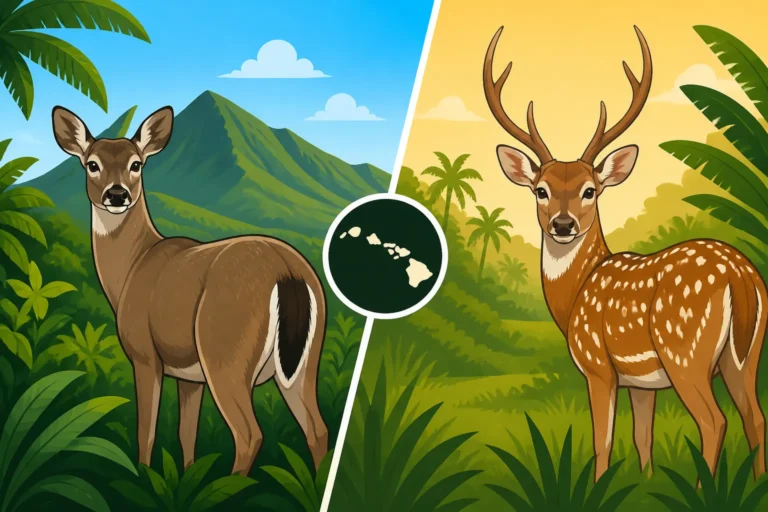
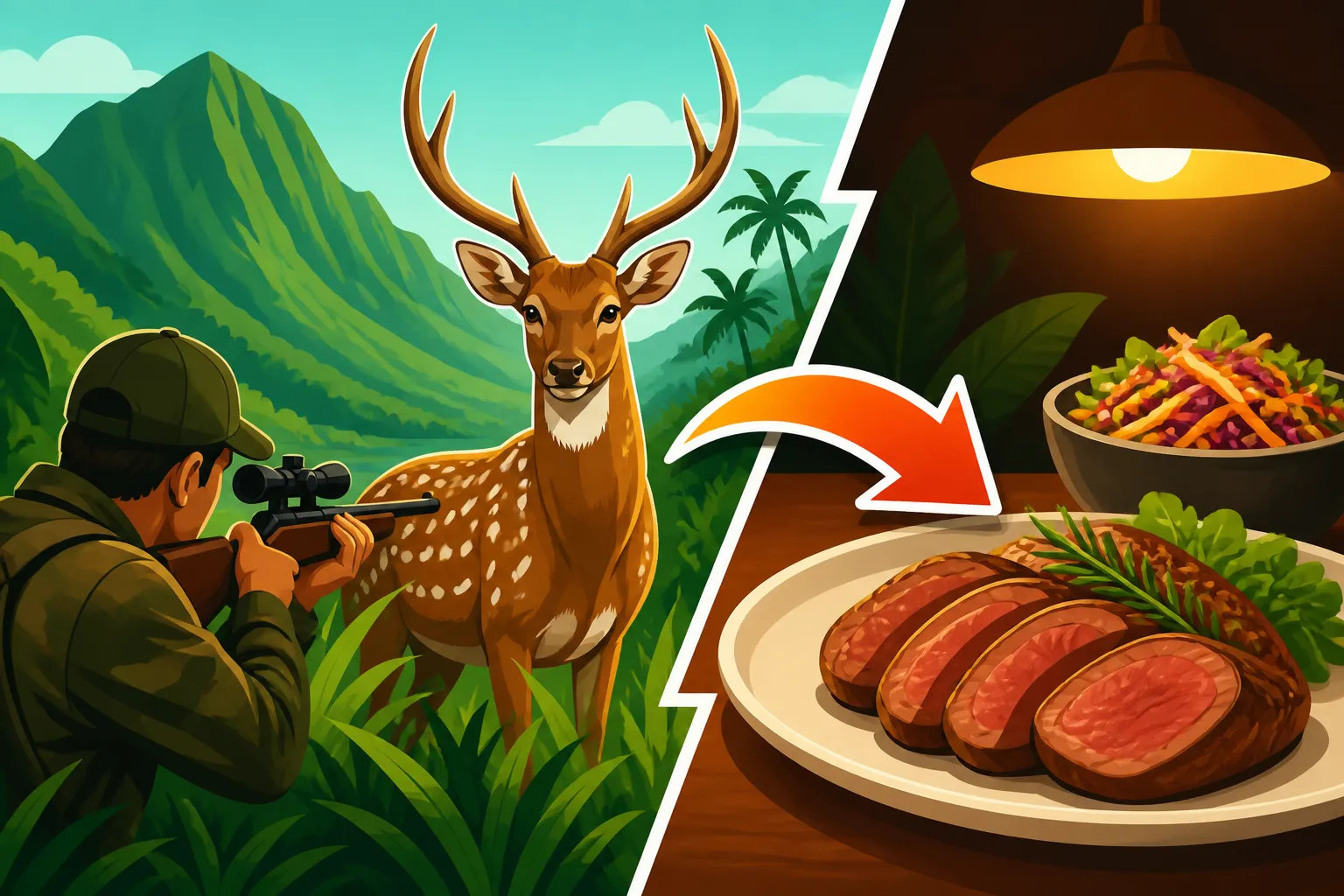
Have you ever wondered why you see Axis deer venison featured so prominently on restaurant menus across Hawaii, often at a premium price? It's a question that puzzles many, especially those familiar with the strong, often "gamey" taste of venison from other parts of the world. But here in Hawaii, Axis deer meat is a culinary darling, and this guide will explore the unique reasons why local eateries are eager to buy and showcase this exceptional island game.
The Irresistible Flavor and Texture of Axis Venison
Let's be real, when most folks on the mainland think of venison, they often picture a strong, sometimes overpowering flavor that needs a lot of marinating or masking. That's a valid experience with many deer species. But Axis deer? They're a whole different animal, especially here in Hawaii, and their meat tells that story beautifully.
A Cut Above Other Venison
The biggest draw for Hawaii's chefs and diners alike is the remarkably mild and delicate flavor of Axis venison. It truly stands apart from most other wild deer. You won't find that intense, "gamey" quality that can be off-putting to some palates. Instead, Axis deer offers a clean, subtly sweet, and rich taste that lends itself beautifully to a wide array of culinary preparations. It's often compared to the finest grass-fed beef, but with its own distinct, exquisite character. The meat itself is finely grained, meaning it's incredibly tender, especially when properly handled and cooked. This tenderness is a huge plus for restaurants, as it ensures a consistently enjoyable dining experience for their patrons. Imagine a perfectly seared Axis venison steak, needing little more than salt and pepper to truly shine – that's the kind of quality we're talking about. It's not just a protein; it's a star ingredient that chefs are thrilled to work with.
The Hawaii Diet Advantage
So, what makes Axis venison here in Hawaii so special? A huge part of it comes down to what these deer eat. Unlike some mainland deer that might browse on strong-flavored plants like sage or cedar, Hawaii's Axis deer thrive on a diverse diet of lush grasses, various shrubs, and even the sweet pods of the kiawe tree, especially in the dry, leeward areas. This natural, varied forage, combined with the lack of harsh winters that force other deer to resort to less palatable feed, contributes significantly to the mild, clean taste of their meat. They're basically free-ranging gourmands, and their diet directly translates into a superior product on the plate. If you want to know more about What Axis Deer Eat on Maui, you'll quickly understand why their venison is so appealing. This natural, stress-free existence, grazing on bountiful, nutrient-rich vegetation, means healthier animals and, consequently, better tasting meat. It’s a true testament to the unique Hawaiian ecosystem.
Sustainability and Local Sourcing Appeal
Beyond the incredible flavor, there's a strong ethical and practical component that drives Hawaii's restaurants to embrace Axis deer venison. It’s a story of sustainability and supporting local efforts that resonates deeply with both chefs and diners.
Managing an Overabundant Population
This is where the conversation about Axis deer gets real and impactful. While beautiful, Axis deer are an introduced species to Hawaii and have no natural predators here. Their populations on islands like Maui, Molokai, and Lanai have exploded, leading to significant ecological damage. They decimate native plant species, compete with livestock for forage, and destroy agricultural crops, posing a serious threat to Hawaii's delicate ecosystems and local farming communities. Farmers and ranchers face immense financial burdens from deer eating their crops and pastureland. Hunting, therefore, isn't just a sport; it's a crucial wildlife management tool, helping to control these rapidly multiplying populations. By purchasing Axis venison, restaurants aren't just getting delicious meat; they're actively participating in a sustainable solution to an urgent environmental problem. It's a win-win: consumers enjoy a fantastic meal, and their choice supports efforts to protect Hawaii's unique natural resources. In fact, large-scale initiatives like the Hawaii's Maui Nui Deer Control Program are continuously looking for ways to manage the deer numbers, making the utilization of the meat even more important.
The Farm-to-Table Movement, Island Style
The "farm-to-table" movement has taken root globally, and in Hawaii, it has a distinct, powerful resonance. There's a deep appreciation for ingredients that are grown, raised, or harvested right here on the islands. When a restaurant sources Axis venison, it’s not just "local meat"; it’s local, wild-harvested, and often incredibly fresh. This appeals strongly to diners who value knowing where their food comes from and want to support the local economy. It reduces reliance on imported goods, which is a big deal in a place like Hawaii where so much food travels long distances. This direct connection from the island's fields and forests to the dinner plate is a compelling narrative for any restaurant. It tells a story of place, of environmental stewardship, and of supporting local hunters and processors who are part of this vital cycle. Many consumers are willing to pay a premium for this kind of authenticity and transparency, knowing their meal has a positive impact on the community and the environment.
Practicalities for Restaurants: Consistency and Availability
For a restaurant, consistency and reliability of supply are paramount. While wild game can sometimes be unpredictable, the Axis deer situation in Hawaii offers unique advantages that make it a viable and attractive option for commercial kitchens.
Securing a Consistent Supply
You might think that sourcing wild game would be a logistical nightmare for a busy restaurant. However, in Hawaii, especially on islands with large Axis deer populations, there's a robust network developing to connect hunters and processors with the culinary industry. While it’s not as simple as calling a major food distributor for beef, dedicated local processors and distributors specialize in wild game. They often work directly with hunters or acquire deer from organized control efforts, ensuring a steady, albeit perhaps smaller-scale, supply chain. This helps address the challenge of getting enough high-quality Axis venison to meet demand. Restaurants establish relationships with these suppliers, sometimes even placing standing orders. The sheer number of Axis deer on some islands means there's a continuous harvest opportunity, which translates into more consistent availability than you might expect from a "wild" animal. It's a different rhythm than conventional agriculture, but one that dedicated chefs learn to work with. Want to know What Axis Venison Is Worth on Maui? This shows how the market recognizes its value and demand.
Processing and Quality Control
The journey from field to plate is critical for any meat, but especially for wild game like Axis deer. Restaurants need to trust that the venison they receive is not only delicious but also handled safely and hygienically. In Hawaii, professional game processors play a vital role in this. They ensure that animals are field-dressed promptly and correctly, reducing spoilage – which is particularly important in Hawaii's warm climate. Field Dressing Axis Deer in Hawaii Heat is a skill every hunter must master. Processors then break down the carcasses into restaurant-ready cuts, often vacuum-sealing and flash-freezing to maintain peak freshness. This meticulous attention to detail at every step, from the moment the deer is harvested to its arrival in the kitchen, is what allows restaurants to confidently feature Axis venison on their menus. Hunters are often educated on best practices for Cooling Meat Fast on a Hawaii Hunt to maintain quality for commercial use. This collaborative effort between hunters, processors, and restaurants ensures a high-quality product that meets the rigorous standards of the culinary world.
Marketing and Culinary Versatility
Beyond the practicalities, there’s a distinct marketing and creative appeal that makes Axis deer venison a favorite for Hawaiian chefs. It’s an ingredient that tells a story and inspires culinary innovation.
A Unique Menu Offering
In a competitive culinary landscape, restaurants are always looking for ways to stand out. Featuring Axis venison on the menu provides a unique selling proposition. It’s not something you'll find just anywhere, making it an attractive draw for food enthusiasts, both local and visiting. For tourists, it offers an authentic "taste of Hawaii" that goes beyond traditional luau fare, connecting them to the islands' natural environment and conservation efforts. For locals, it's a celebration of their island's resources and a chance to enjoy a lean, healthy, and delicious protein. This unique offering allows chefs to craft memorable dishes and elevate their restaurant's profile, appealing to a sophisticated palate looking for something special and distinctively Hawaiian. It’s not just a meal; it’s an experience that speaks to the spirit of the islands.
Beyond the Steak: Culinary Applications
The versatility of Axis venison is another major reason it's so beloved by chefs. While a perfectly seared venison chop or steak is always a hit, the meat can be prepared in countless ways. Its mild flavor means it pairs beautifully with a wide range of spices, marinades, and cooking methods without being overwhelmed. Imagine delicate venison carpaccio, slow-braised venison ragu, gourmet venison burgers, or even creative charcuterie featuring cured Axis meat. Chefs experiment with local ingredients like lilikoi, guava, or kalo to create truly Hawaiian-inspired dishes that highlight the venison's natural attributes. The possibilities are endless, allowing chefs to be incredibly creative and showcase their culinary prowess. This adaptability makes Axis venison a chef's dream, enabling them to innovate and delight their diners with both classic preparations and avant-garde creations.
Here's a quick look at why Hawaii's Axis venison stands out:
| Feature | Axis Deer Venison (Hawaii) | Standard Domestic Beef | Common Mainland Venison |
|---|---|---|---|
| Flavor Profile | Mild, clean, subtly sweet, no strong gamey taste | Rich, savory, consistent | Often strong, robust, can be gamey |
| Texture | Very tender, fine grain | Tender, varies by cut | Can be tougher, coarse grain |
| Diet | Diverse wild forage, kiawe, grasses | Controlled grain/grass diet | Varied wild forage, often strong-flavored plants |
| Sustainability | Aids population control, local resource | Conventional farming | Wild harvest, usually population managed |
| Availability | Consistent from local processors, growing demand | Highly consistent, widespread | Seasonal, localized, variable |
| Health Benefits | Lean, low fat, high protein | Varies by cut/breed | Lean, low fat, high protein |
Ultimately, the decision by Hawaii restaurants to feature Axis deer venison on their menus is a multifaceted one, driven by taste, sustainability, local pride, and culinary innovation. It’s a testament to a unique island resource that, when managed responsibly, provides both an exquisite dining experience and a benefit to the delicate Hawaiian ecosystem. Next time you spot Axis venison on a menu, you'll know the fascinating story behind that delicious choice. If you're planning your own hunt, remember that organizations like GoHunt are a valuable resource for understanding regulations and opportunities for ethical harvesting.
Disclaimer
This article is for general informational purposes only and does not constitute professional advice. Laws, prices and regulations vary by location and change over time. Consult a qualified professional for guidance on your specific situation.