Why Hawaii Game Meat Spoils Fast
Hawaii game meat spoils fast because warm temperatures and high humidity create ideal conditions for rapid bacterial growth.
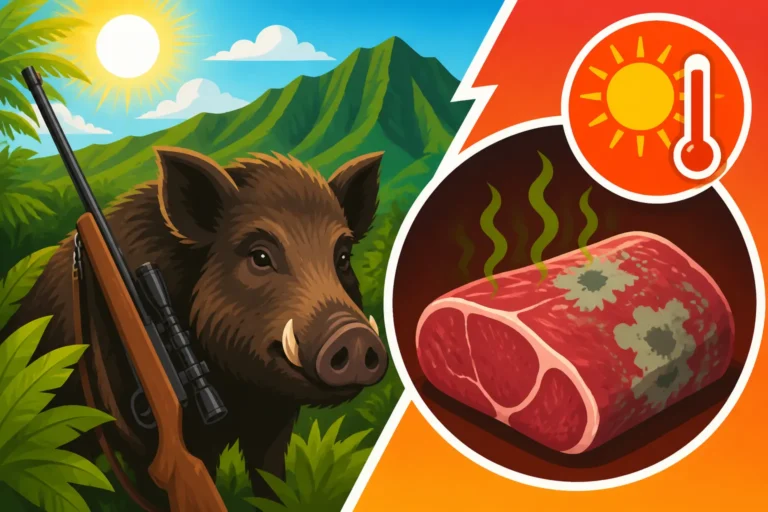
Hawaii game meat spoils fast because warm temperatures and high humidity create ideal conditions for rapid bacterial growth.
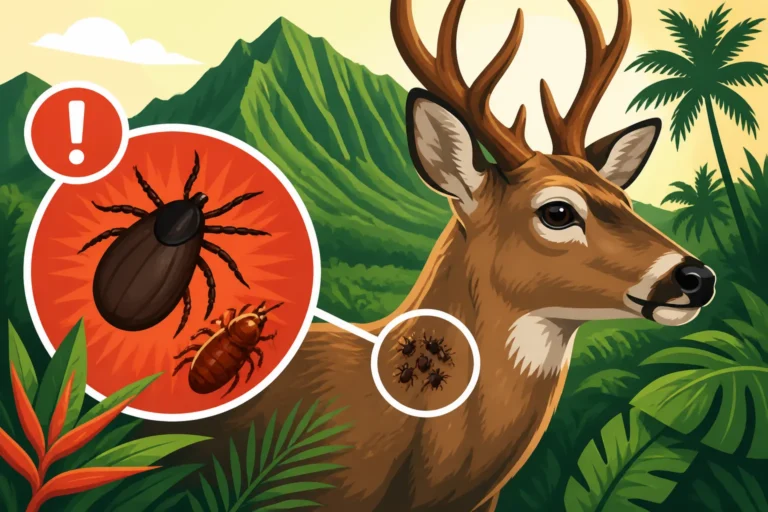
Hawaii game parasites and ticks present health risks to hunters, detailing common critters, pathogens, and safe field dressing practices.
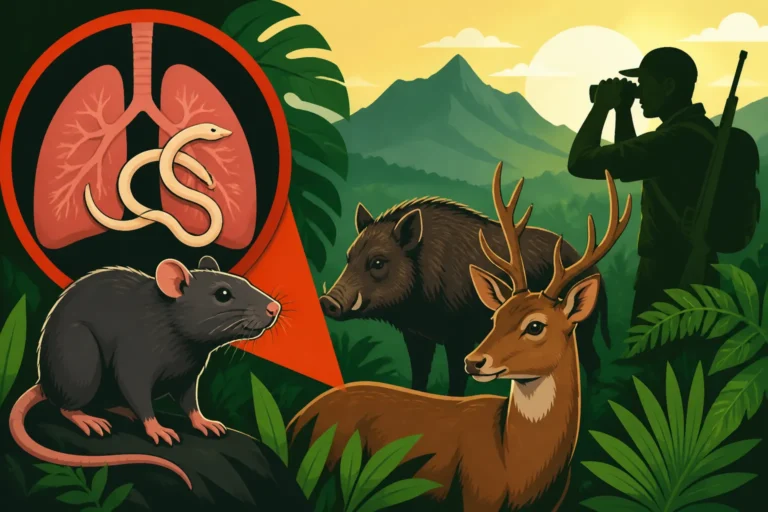
Rat lungworm parasite risks, transmission through slugs and snails, and safe field dressing steps for Hawaii game hunters.
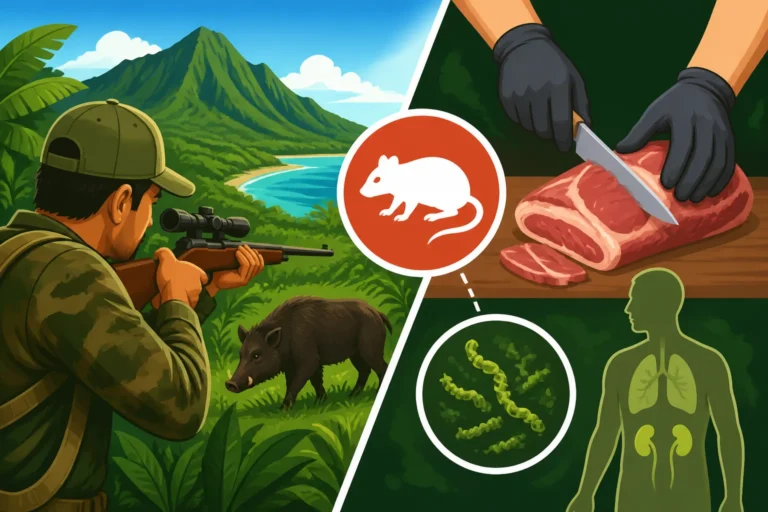
Handling feral pig meat safely in Hawaii helps hunters minimize the risk of leptospirosis exposure during field dressing.
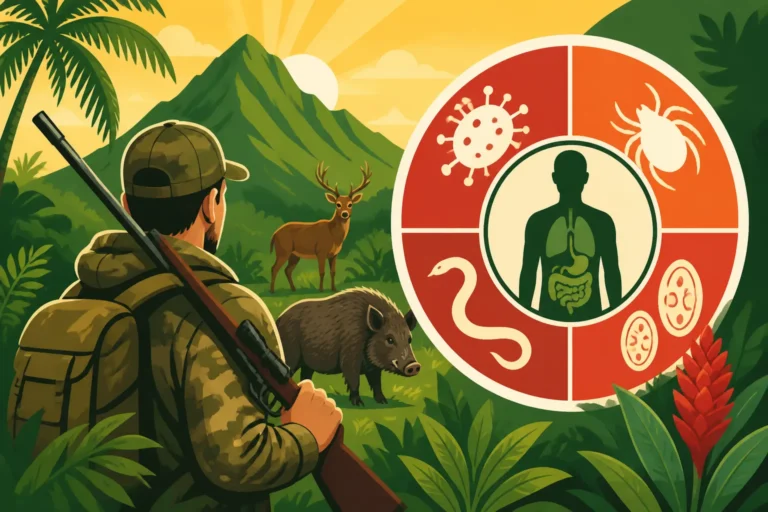
Hawaiian hunting hazards include leptospirosis and contaminated water from feral pigs, plus risks from mosquitoes and ticks.
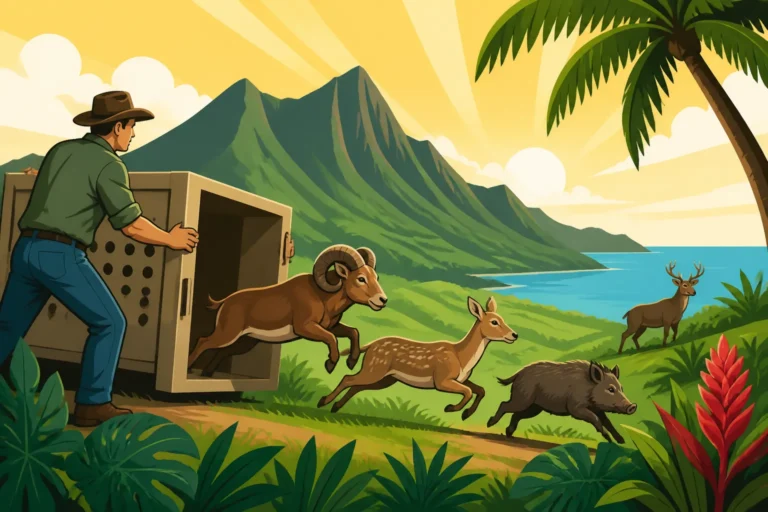
Ranchers and early voyagers released non-native game animals in Hawaii to provide food supplies and support agricultural needs.

Captain Cook’s 1778 voyages introduced European pigs and goats, transforming Hawaii’s ecology and creating modern hunting opportunities.

Polynesian voyagers brought pigs, dogs, and chickens to Hawaii, establishing the foundational game animal populations for future survival.

Geological isolation and thousands of miles of open ocean prevented deer from reaching Hawaii naturally over millions of years.
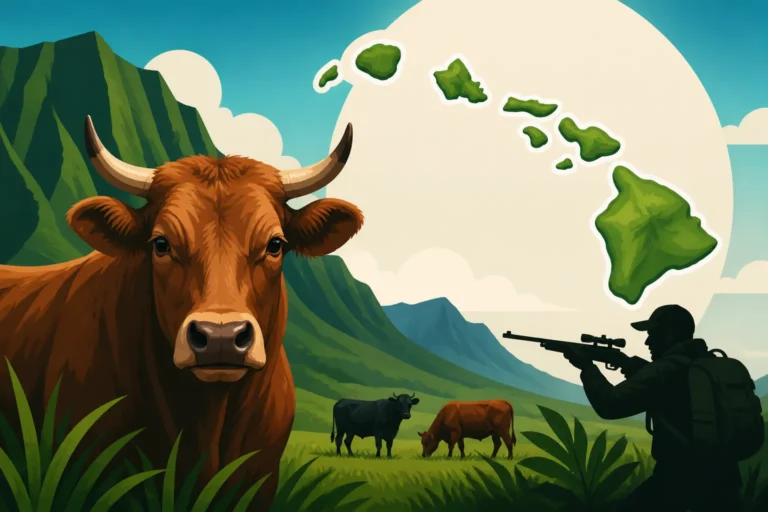
Hawaii feral cattle history and where remaining wild herds live today across the volcanic slopes of Mauna Kea and Haleakala.