Diseases Hawaii Hunters Should Know
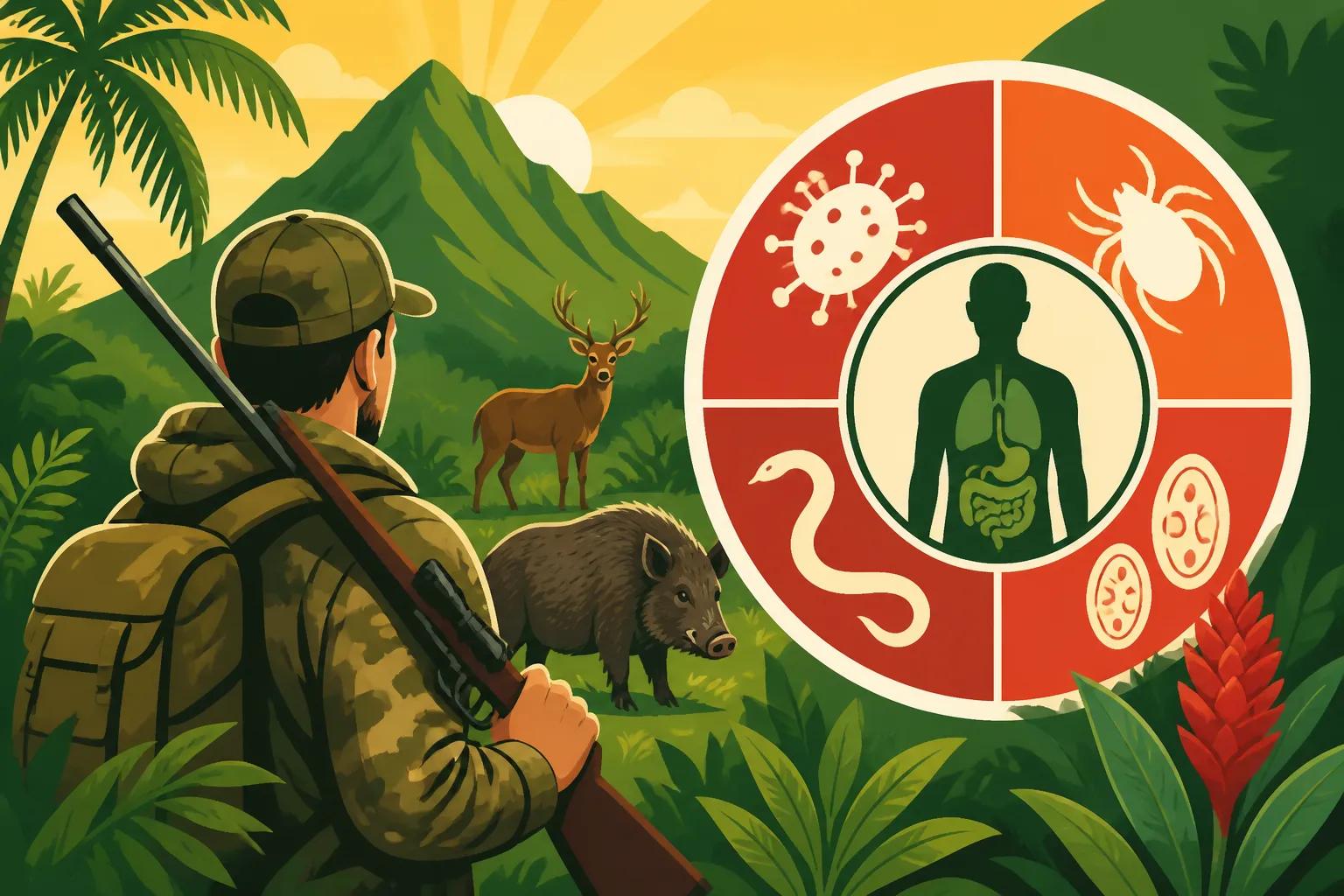
Hunting in Hawaii is an incredible experience, but the islands’ unique environment, with its lush vegetation and warm, humid climate, also presents some distinct challenges, especially concerning potential diseases. It's not the kind of thing most of us think about when we're dreaming of chasing axis deer or wild pigs, but ignoring these risks can turn a fantastic adventure into a serious health concern. This guide is here to walk you through the common diseases Hawaii hunters should be aware of, offering practical advice to keep you safe and healthy in the field.
The Unique Ecosystem and Disease Landscape of Hawaii
Hawaii's isolation has created a truly special natural world, but it's also a place where introduced species, both animal and plant, thrive alongside native flora and fauna. This mix, combined with the tropical climate, creates conditions ripe for certain pathogens to exist and spread. We're not talking about anything necessarily exotic in a far-flung sense, but rather a set of circumstances that makes diseases common in other tropical regions relevant here. It's just part of understanding the whole picture of hunting these beautiful islands.
How Hawaii's Climate and Terrain Contribute to Risks
Imagine hiking through a dense, wet forest on the windward side of an island, where the ground is constantly damp, and the air is thick with humidity. Or picture yourself in the dry, dusty kiawe flats where stagnant pools might form after a rare rain. These conditions are perfect for bacteria, viruses, and parasites to flourish. The consistent warmth means that many disease-carrying organisms, like certain insects, are active year-round. Unlike mainland hunts where cold winters might naturally suppress some populations, Hawaii rarely sees a true "off-season" for these biological elements. The dense undergrowth, whether it's invasive strawberry guava or native ferns, also provides ideal habitats for vectors and the animals that carry diseases, creating a complex web of interactions that hunters frequently encounter.
Common Vectors: Bugs, Water, and Soil
When we talk about disease transmission in Hawaii, it often comes down to a few key vectors:
- Mosquitoes and Ticks: These are the classic carriers. Mosquitoes thrive in standing water, which is abundant in many parts of the islands, especially after rain or in marshy areas. Ticks, while not as prevalent as in some mainland states, are certainly present and can be found in grassy or brushy areas where game animals frequent. They're tiny, but their bite can transmit more than just an itch. You’ll definitely want to be mindful of Ticks and Parasites in Hawaii Game.
- Contaminated Water: Streams, puddles, and even seemingly clean springs can harbor harmful bacteria and parasites. This is especially true in areas where feral pigs and goats are abundant, as their waste can contaminate water sources. Drinking untreated surface water, even when you're desperate and thirsty, is a gamble you don't want to take.
- Soil and Vegetation: The ground itself can be a source of pathogens. Certain bacteria, like those causing leptospirosis, can live in damp soil for extended periods. When you're field dressing an animal, hiking through thick brush, or simply getting a cut, contact with contaminated soil or vegetation can be a risk. This is particularly relevant when navigating a steep gulch or crawling through dense cover.
Key Diseases to Be Aware Of When Hunting in Hawaii
Now, let's get down to the specific conditions that hunters in Hawaii need to be especially mindful of. It's not to scare you off, but to equip you with the knowledge to protect yourself and your hunting partners.
Leptospirosis: A Major Concern with Feral Pigs
If you're hunting feral pigs in Hawaii, leptospirosis should be at the forefront of your mind. This bacterial disease is spread through the urine of infected animals, particularly pigs, rats, and mongoose, and can contaminate fresh water, wet soil, and vegetation. Hunters are at a higher risk because they're often in direct contact with these environments and animals.
Imagine you've just tracked a big boar through a muddy, lowland forest, and now you're field dressing it. If the pig is infected, its urine or blood could contain the bacteria. If you have any cuts, scrapes, or even just wet skin, the bacteria can enter your body. Even splashing contaminated water into your eyes or mouth can be enough. Symptoms can range from mild, flu-like illness (fever, headache, muscle aches) to severe complications affecting the kidneys, liver, and brain, which can be life-threatening if untreated.
Prevention is key: always wear waterproof gloves when field dressing any game animal, especially pigs. Avoid swimming or wading in freshwater streams or ponds, particularly in areas with high pig populations, if you have open wounds. And always wash your hands thoroughly with soap and water after handling game or being in contaminated environments. For more on this, check out Handling Pig Meat and Leptospirosis.
Rat Lungworm Disease: A Less Common But Serious Threat
While less common than leptospirosis, rat lungworm disease (angiostrongyliasis) is incredibly serious and something every Hawaii hunter should know about. This parasitic nematode is found in rodents (hence "rat" lungworm), but its larvae are carried by slugs and snails. Pigs, chickens, and other animals can become infected by eating infected slugs or snails. Humans typically get infected by accidentally ingesting these tiny intermediate hosts, or their slime, often found on unwashed produce.
How does this relate to hunting? While it's not directly transmitted from game meat, hunters are constantly moving through dense vegetation where slugs and snails live. If you're foraging for edible plants in the field or just touching vegetation and then your mouth without proper handwashing, there's a theoretical risk. More practically, if you're cleaning game and happen to encounter an infected slug on a leaf, or if a small piece of vegetation with a slug or snail makes its way into your cooler with your meat and then somehow into your meal, it's a concern.
Symptoms can include severe headache, stiff neck, tingling or painful skin sensations, and can progress to eosinophilic meningitis, which can cause permanent neurological damage or even death. The best defense is meticulous hygiene: wash all produce thoroughly, avoid eating raw or undercooked snails or slugs (which, let's face it, most hunters aren't doing anyway!), and always wash your hands before eating or touching your face in the field. Read more about it here: Rat Lungworm and Hawaii Game Meat.
Other Potential Risks: Dengue, Zika, and Mosquito-Borne Illnesses
While not endemic or constantly present, Hawaii has experienced outbreaks of mosquito-borne illnesses like dengue fever in the past. Zika virus is another that has periodically been a concern in tropical regions. While hunters are often focused on the animals they're pursuing, they are spending extended periods outdoors, often in prime mosquito habitat.
These viruses are transmitted by certain species of mosquitoes that bite during the day (dengue and Zika) and at night. Symptoms usually include fever, rash, joint pain, and fatigue. While most cases are mild, severe complications can occur.
Though not directly related to handling game meat, these diseases are a general public health concern in Hawaii, and hunters, by nature of their activity, have a higher exposure risk. This means being vigilant about personal protection, which we'll cover next.
| Disease | Primary Source in Hawaii Hunters | Transmission Route | Symptoms (Common) | Prevention (Key Actions) |
|---|---|---|---|---|
| Leptospirosis | Feral pigs, rats, mongoose | Urine/blood contact with open wounds, mucous membranes, or ingestion of contaminated water/soil | Flu-like, muscle aches, headache, fever, chills, jaundice | Wear gloves, avoid contaminated water, wash hands, protect cuts |
| Rat Lungworm | Rodents (via slugs/snails) | Ingestion of infected slugs/snails (or their slime) on produce, water, etc. | Severe headache, stiff neck, neurological pain, tingling | Wash produce thoroughly, clean hands before eating/touching face, avoid raw snails/slugs |
| Dengue/Zika | Infected mosquitoes | Mosquito bites | Fever, rash, joint pain, headache, fatigue | Use repellent, wear protective clothing, eliminate standing water |
Practical Prevention Strategies for Hunters
Staying safe in the Hawaiian wilderness means being proactive. A little preparation and vigilance can go a long way in preventing exposure to these potential health risks.
Field Hygiene and Meat Handling Practices
This is where your preparedness truly shines. When you're out in the field, especially after a successful harvest, good hygiene is paramount.
- Gloves, Always Gloves: When field dressing an animal, particularly a pig, always wear sturdy, waterproof gloves. Nitrile gloves are excellent because they offer a good barrier and tactile feel. Even if you don't think you have any cuts, microscopic abrasions can provide an entry point for bacteria. After the job is done, dispose of the gloves properly and wash your hands thoroughly. This is critical for preventing diseases like leptospirosis.
- Cleanliness is Godliness: Keep your knives and tools clean. If you can, rinse them with clean water (preferably treated) and wipe them down. Avoid using stream water to wash your tools or hands if you suspect it might be contaminated. Pack a small bottle of hand sanitizer for quick cleaning, but remember, soap and water are always best.
- Prompt and Proper Cooling: Getting the meat cooled down quickly is not just about venison quality; it's also about inhibiting bacterial growth. The Hawaiian heat and humidity are brutal on game meat. Learn how to quarter and Field Dressing Axis Deer in Hawaii Heat efficiently. Have a plan for how you're going to Cooling Meat Fast on a Hawaii Hunt, whether it's ice in coolers or getting it to a processor immediately. Rapid cooling reduces the window for any bacteria to multiply, protecting both the meat and those who consume it.
Personal Protection in the Field
Beyond handling game, protecting your person while moving through Hawaii's diverse terrain is essential.
- Insect Repellent: A good quality insect repellent containing DEET, picaridin, or oil of lemon eucalyptus is your best friend against mosquitoes and ticks. Apply it generously to exposed skin and clothing, especially at dawn and dusk, but also during the day in shaded, damp areas. Reapply as directed on the label.
- Appropriate Clothing: Long sleeves and long pants, even in the heat, offer a physical barrier against insect bites, thorny vegetation, and direct contact with potentially contaminated soil. Choose lightweight, breathable fabrics that dry quickly. Light colors can also help you spot ticks more easily.
- Sturdy Footwear: Boots are crucial for Boots for Hawaii Lava and Wet Forest. Not only do they provide ankle support on uneven terrain, but waterproof boots will keep your feet dry when crossing shallow streams or pushing through wet grass, minimizing skin exposure to potential leptospirosis bacteria in contaminated water or mud.
Water Safety and Hydration
Staying hydrated is non-negotiable in Hawaii's climate, but how you source your water matters immensely.
- Carry Your Own Treated Water: The safest approach is to carry all the water you'll need for your hunt. This eliminates any doubt about contamination. Calculate your needs carefully, especially for physically demanding hunts or when you're Water and Heat Planning for a Hawaii Hunt.
- Filter and Treat Any Surface Water: If you must rely on natural water sources, never drink directly from them. Always use a reliable water filter capable of removing bacteria and protozoa, followed by chemical purification (like iodine tablets or a SteriPEN) to inactivate viruses. Boiling water for at least one minute (or longer at higher elevations) is also effective. This is critical to avoid parasites and bacteria that could be present due to animal activity.
When to Seek Medical Attention and What to Tell Your Doctor
Despite your best efforts, sometimes things happen. Knowing what to look for and how to communicate with medical professionals can make a significant difference in diagnosis and treatment.
Recognizing Symptoms Early
The key with many of these diseases is early detection. Don't dismiss symptoms, especially if you've had a recent hunting trip in Hawaii.
- Flu-Like Symptoms: Many of these conditions can start with non-specific flu-like symptoms: fever, headache, muscle aches, chills, and fatigue. If you develop these within a few days to a few weeks after your hunt, and they seem more severe or persistent than a typical cold, pay attention.
- Other Red Flags: For leptospirosis, watch for severe calf muscle pain or yellowing of the skin or eyes (jaundice). For rat lungworm, intense, persistent headache and neck stiffness, or unusual skin sensations, are major warning signs. Any unusual rash or persistent fever after potential mosquito exposure should prompt concern for dengue or Zika.
- Trust Your Gut: You know your body best. If something feels "off" and you can connect it back to your hunting activities, it's worth investigating. Don't try to tough it out if you suspect something serious.
Communicating Your Hunting Activities
When you see a doctor, especially if you're feeling unwell after returning from Hawaii or a specific hunt, it is absolutely critical to provide them with all the relevant information.
- Be Specific About Your Location and Activities: Tell your doctor you were hunting in Hawaii. Mention the specific island, the types of terrain you were in (wet forest, dry kiawe, high elevation), and what kind of animals you hunted (feral pigs, goats, deer).
- Detail Potential Exposures: Explain if you had any cuts or scrapes, if you were in contact with animal fluids or mud, if you were bitten by insects, or if you drank untreated water. The more details you can provide, the better.
- Mention Suspected Diseases: It's okay to mention that you're concerned about leptospirosis or rat lungworm, as this can help guide your doctor's diagnostic process. Not all doctors may be immediately familiar with these diseases, especially if they practice in areas far from Hawaii, so providing context is helpful.
By being informed, prepared, and vigilant, you can significantly reduce your risk of encountering these diseases and ensure your Hawaiian hunting adventure remains a memorable one for all the right reasons. Always remember that safety in the field extends beyond just firearm handling or navigating tough terrain; it also includes understanding and mitigating the biological risks that come with the territory.
Disclaimer
This article is for general informational purposes only and does not constitute professional advice. Laws, prices and regulations vary by location and change over time. Consult a qualified professional for guidance on your specific situation.