Where Axis Deer Live in Hawaii
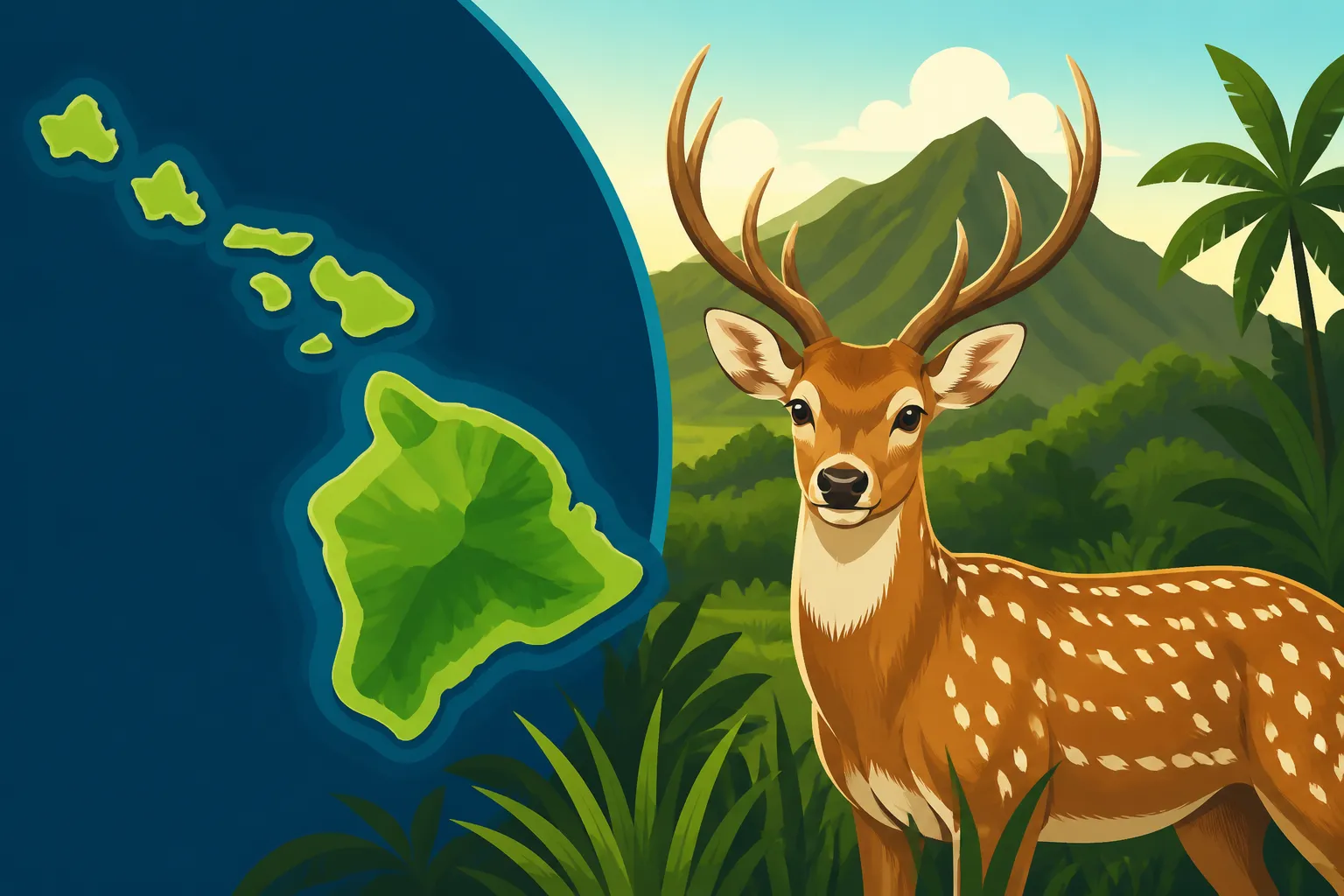
Trying to figure out where Hawaii's elusive Axis deer actually live can feel like solving a constantly shifting puzzle. One minute you hear stories of thriving herds on Maui, the next you're wondering if they even exist on the Big Island. It's not always clear-cut, especially with Hawaii's unique island ecosystems and strict management efforts. This guide is here to untangle the mystery, giving you a detailed look at the current distribution of Axis deer across the Hawaiian islands, their preferred habitats, and what that means for both hunters and conservationists.
The Origin Story: How Axis Deer Arrived in Hawaii
It’s a common misconception that all game animals here are native. In reality, most of Hawaii's prized game species, including the magnificent Axis deer, are introduced. Understanding why and how they got here is crucial to grasping their current distribution and the challenges they present. The story begins centuries ago with early Polynesian voyagers, but the Axis deer's tale is a more recent chapter, directly tied to human intervention and a desire to introduce new game.
Initial Introduction and Distribution
The very first Axis deer, or chital as they are known in their native India, were not brought to Hawaii by accident. They were a deliberate gift, intended to diversify the islands' limited big game options. The story goes that in 1867, a small group of Axis deer were brought from India to the island of Molokai by King Kamehameha V. This was a direct attempt to establish a huntable population, providing both sustenance and recreational opportunities for the island residents and royalty. Imagine these graceful, spotted creatures stepping off a ship into an entirely new world, a stark contrast to their Himalayan foothills. From Molokai, it wasn't long before they were translocated to other islands in what would become the Maui Nui complex, setting the stage for their incredible proliferation. If you want to dive deeper into this fascinating history, you can explore How Axis Deer Reached Hawaii.
Early Spread and Adaptation
Once established on Molokai, and later on Lanai and Maui, these deer found a paradise perfectly suited to their needs. Hawaii’s climate, with its warm temperatures, distinct wet and dry seasons, and abundant forage, mirrored aspects of their natural range. Crucially, there were no natural predators here to keep their numbers in check, unlike the tigers and dholes they faced in India. This lack of predation, combined with fertile breeding grounds and ample food, allowed the Axis deer populations to explode. They adapted quickly, learning to thrive in the dry kiawe forests, open grasslands, and even the higher elevation shrublands. Their rapid proliferation quickly demonstrated both the benefits of a new game animal and the potential ecological challenges that come with introducing non-native species into a fragile island environment.
Maui Nui: The Heart of Hawaii's Axis Deer Population
When most people talk about Axis deer hunting in Hawaii, they're almost certainly talking about the islands of Maui Nui: Maui, Lanai, and Molokai. This trifecta of islands holds the vast majority of Hawaii's Axis deer population, making them the premier destinations for anyone looking to encounter these beautiful animals. The sheer numbers, combined with varying terrain and management strategies, offer diverse hunting experiences across these islands.
Maui: The Axis Deer Capital
Maui is arguably the undisputed capital of Axis deer in Hawaii. The deer here are abundant, to say the least, and their presence is felt throughout the island, from the dry leeward slopes of Haleakala to the agricultural lands of Upcountry. Areas like the Kahikinui Forest Reserve, the Kula Forest Reserve, and Polipoli Spring State Recreation Area are well-known hotspots where hunters consistently find deer. The terrain on Maui can be incredibly challenging, with steep gulches, thick kiawe forests, and exposed pastures, demanding good physical conditioning and strategic hunting. The year-round hunting opportunities in Hunting Maui's Year-Round Axis Deer Units means that hunters, both residents and visitors, can pursue these deer throughout the seasons, contributing to management efforts that are vital for the island's ecosystem and agricultural interests. Many locals would tell you it's almost impossible to drive through parts of Upcountry without seeing a herd, especially around dawn or dusk.
Lanai: A Hunter's Paradise
Lanai, often dubbed "Pineapple Island," is another jewel in the Maui Nui hunting crown, particularly for Axis deer. While the island itself is smaller, its Axis deer population is incredibly dense, leading to some truly spectacular hunting opportunities. However, accessing these hunts is a different ballgame. Lanai is renowned for its highly sought-after Hunting Lanai's Drawn Axis Deer Weekends, which operate on a lottery system managed by the Department of Land and Natural Resources (DLNR). Hunters apply through the GoHunt Hawaii system, and if drawn, gain access to designated public hunting units, often resulting in high success rates. The landscape is primarily dry, open country with kiawe and sparse vegetation, making spot-and-stalk tactics incredibly effective. The challenge here isn't necessarily finding deer, but getting a permit to hunt them and then navigating the rugged, unpaved roads to access prime areas. What one either-sex tag means on Lanai is a coveted opportunity, and the island's unique regulations make it a special experience.
Molokai: Big Bucks and Challenges
Molokai holds a special place in the Axis deer story, as it was their original introduction point. Today, the island continues to support a healthy population, and it's particularly famous among hunters for producing some truly big-bodied Axis bucks. The terrain on Molokai can be incredibly rugged, with deep valleys, steep ridges, and dense cover, especially on the eastern side. This makes for a more physically demanding hunt than some of the more open areas on Lanai or Maui. Hunting Molokai's Axis Deer Country often involves significant elevation changes and traversing challenging landscapes. Access can be a mix of public lands and private ranch agreements, and understanding the nuances of each is key for a successful hunt. The deer here tend to be spread out more, and hunting pressure, while present, can be mitigated by venturing into the more remote, harder-to-reach areas. The Molokai deer are hearty, wary, and a true test for any hunter.
Beyond Maui Nui: Axis Deer on Other Islands
While Maui Nui is the undisputed stronghold, the story of Axis deer in Hawaii isn't confined to just these three islands. There have been sporadic sightings and even small, isolated populations on other islands, leading to ongoing management challenges and intense conservation efforts to prevent their wider spread.
Oahu: Limited Presence and Control
Oahu, being the most populated island, has a very limited and closely monitored Axis deer presence. Unlike Maui Nui, Oahu does not have an established, huntable Axis deer population in public hunting units. Any sightings are typically isolated individuals or very small, transient groups, often on private lands or near urban fringes. The state, through the DLNR, and private landowners are highly vigilant about containing any potential spread of Axis deer on Oahu due to the significant agricultural damage and ecological threat they pose to native species. Eradication efforts are swiftly implemented whenever an animal is sighted, making it a rare and unwelcome occurrence. Therefore, if you're looking to hunt Axis deer, Oahu is simply not the place to be; the focus here is strictly on control and prevention.
Hawaii Island: A Precarious Foothold
The Big Island, Hawaii Island, has been a battleground for Axis deer management. For years, the state and conservation groups have worked tirelessly to prevent a breeding population from becoming established. However, despite these efforts, isolated populations have managed to take a precarious foothold, primarily due to illegal introductions. These small, localized groups are typically found in remote, dry areas, often on private ranch lands. The DLNR and various conservation partnerships have aggressive control programs in place, including trapping and aerial shooting, to prevent these populations from expanding. The fear is that if Axis deer were to establish themselves widely on Hawaii Island, with its vast wilderness and diverse ecosystems, the ecological damage would be catastrophic, especially to endangered native plants and unique geological features. Hunters on the Big Island are primarily focused on other species like Mouflon Sheep Hunting on Hawaii Island or Hunting Hawaii's Feral Pigs, rather than Axis deer.
Kauai: No Established Populations (Yet)
Currently, Kauai thankfully remains free of established Axis deer populations. This is a testament to strong community vigilance and proactive measures by state agencies. However, the threat is ever-present. There have been reports of Axis deer carcasses or live animals spotted on Kauai, indicating continued attempts at illegal introduction. The concern for Kauai is particularly high because it is home to the unique Black-Tailed Deer Hunting in Hawaii species, a different deer altogether, and conservationists are keen to prevent any competition or cross-breeding. The island's delicate rainforests and agricultural areas would also be highly susceptible to the destructive grazing habits of Axis deer. Therefore, the approach on Kauai, much like Oahu, is one of strict prevention and rapid response to any unauthorized introductions, aiming to keep the island free of this invasive species.
Preferred Habitats and Ecological Impacts
Understanding where Axis deer live isn't just about naming islands; it's about understanding the specific environments they thrive in and the profound impact they have on those landscapes. These deer are highly adaptable, but they do show preferences, and those preferences inform both their distribution and the challenges they pose.
Ideal Terrains
Axis deer are creatures of diverse habitats in their native range, but in Hawaii, they’ve carved out a niche primarily in dry, open woodlands, grasslands, and areas with mixed shrubland. They particularly favor the non-native kiawe forests that are abundant on the leeward sides of the islands. These areas provide both ample browse in the form of kiawe pods and leaves, as well as crucial shade during the hot Hawaiian days. You'll also find them in open pastures and agricultural fringe areas, where they can easily access nutritious grasses and forage. The terrain doesn't have to be flat; they navigate the steep, rocky gulches and cinder cone slopes of Maui Nui with ease. Their ability to thrive in these often arid, thorny environments is a testament to their resilience and adaptability, characteristics that also make them challenging to control.
Water Sources and Movement Patterns
In Hawaii's dry leeward regions, water is life, and Axis deer are no exception. Their distribution is heavily influenced by the availability of fresh water. During dry spells, deer will congregate around reliable water sources like gulch bottoms, natural springs, stock ponds, and even man-made water tanks. This makes Hunting a Water Source in Dry Hawaii Country a common and often effective tactic. Their movement patterns are often dictated by this need for water and by the availability of forage, especially succulent plants during drier months. They can cover significant distances between feeding and watering areas, often moving at dawn and dusk. Understanding these patterns, like how they traverse Hunting Hawaii's Volcanic Terrain or move between different elevations to find optimal conditions, is key for predicting where you might find them. While they don't migrate in the traditional sense, their local movements can shift dramatically with changes in weather and food availability.
Environmental Concerns
The prolific nature of Axis deer in Hawaii, while providing exceptional hunting opportunities, comes with significant environmental concerns. As an introduced species, they lack natural predators, leading to unchecked population growth in many areas. Their browsing habits can severely impact native plant communities, especially rare and endangered species that evolved without the pressure of large ungulates. They can devastate young trees, reduce understory vegetation, and contribute to soil erosion, particularly on steep slopes. Axis Deer Damage to Hawaii Farms is also a major economic issue, as they readily graze on crops like corn, pineapple, and various vegetables, leading to substantial losses for agricultural operations. The Hawaii Department of Land and Natural Resources (DLNR) actively manages Axis deer populations, particularly in critical watershed areas and conservation zones, to mitigate these impacts, highlighting the delicate balance between managing a game animal and protecting fragile ecosystems.
Understanding Herd Dynamics and Distribution for Hunters
For hunters, simply knowing which island has Axis deer isn't enough. It's about understanding the nuances of their behavior, how they interact with the specific Hawaiian landscapes, and how to use that knowledge to your advantage. Their distribution isn't static; it's influenced by a myriad of factors.
Reading the Landscape
A successful Axis deer hunter in Hawaii learns to "read" the landscape. This means understanding that certain areas are more likely to hold deer based on factors like forage, cover, and water. Look for transitions in vegetation – the edge of a kiawe forest bordering an open pasture, for example, is often a prime feeding area. Identify bedding areas, which are typically found in dense, thorny thickets or shaded gulches where deer can feel secure. Water sources, as discussed, are magnets. Pay attention to game trails, rub lines on trees, and especially fresh droppings. Reading Axis Deer Sign in Dry Country can tell you not only that deer are present, but also how recently they've been there and in what numbers. The topography itself also plays a role; deer will often use ridges and gulches for travel, concealment, and escape routes. By putting these pieces together, you start to paint a picture of deer movement and likely hangouts.
Factors Influencing Localized Concentrations
While general areas may hold deer, specific localized concentrations are influenced by several dynamic factors. The most immediate is food availability – fresh growth after rains, or preferred browse in certain sections. Water access is critical, as mentioned, especially during dry seasons. Hunting pressure is another huge factor; heavily hunted areas will see deer become more nocturnal and secretive, pushing them into thicker cover or more remote, harder-to-reach pockets. Weather conditions, like strong trade winds or recent rainfall, can also alter their movement patterns. For instance, deer might move to the leeward side of a ridge to escape strong winds, or feed more openly after a refreshing rain. Understanding these micro-level influences means constantly assessing the current conditions and adapting your hunting strategy, whether you're focusing on a specific Hunting Lanai's Eleven Rifle Weekends area or exploring a new unit.
Utilizing Resources for Scouting
In today's hunting world, technology can be a huge asset in understanding deer distribution and planning your hunt. Online resources, maps provided by the DLNR, and apps like GoHunt can give you invaluable information about public hunting unit boundaries, access roads, and general terrain. The Using the OuterSpatial App to Check In feature, common for Hawaii public lands, often allows you to view unit maps directly on your phone, complete with topography and access points. Before heading into the field, study satellite imagery to identify potential water sources, dense cover, and open feeding areas. Talk to local hunters, if possible, as their insights into specific areas, recent deer movements, and general Hawaii Game Mammal Seasons can be priceless. Don't underestimate the power of physical scouting too – walking an area before the hunt, looking for fresh sign and observing natural features, is still one of the best ways to pinpoint where Axis deer are living and moving.
Here's a quick overview of Axis deer presence and hunting status by island:
| Island | Axis Deer Population Status | Hunting Availability | Primary Habitat Types | Key Considerations |
|---|---|---|---|---|
| Maui | Very high, widespread, actively managed for control and hunting. | Excellent, year-round public and private land opportunities. | Dry forests (kiawe), grasslands, agricultural fringes. | High density, varied terrain, significant agricultural impact. |
| Lanai | High density, very healthy population. | Excellent, primarily through limited drawn public hunts; some private land options. | Dry, open country, kiawe flats, shrublands. | Highly sought-after tags, competitive draw, exceptional trophy potential. |
| Molokai | Healthy, moderate to high density. | Good, public and private land opportunities, known for larger-bodied bucks. | Rugged, steep terrain, dense gulches, mixed forests. | More physically demanding hunts, challenging access, potential for bigger animals. |
| Oahu | Very low, isolated sightings; active control/eradication programs. | Not available for hunting; any detected animals are subject to removal. | Primarily private land, urban fringe, very limited. | Strict control to protect agriculture and native species; illegal to possess. |
| Hawaii Island | Very low, isolated pockets; aggressive control/eradication programs. | Not available for hunting; any detected animals are subject to removal. | Remote, dry ranch lands, isolated wilderness pockets. | High priority for prevention due to vast wilderness and native species; illegal to possess. |
| Kauai | None established; vigilant prevention and eradication of any incursions. | Not available for hunting; any detected animals are subject to removal. | Primarily private land, no known public populations. | Critical to protect endemic species and agriculture; strong community support for prevention. |
Disclaimer
Hunting in Hawaii requires adherence to all local, state, and federal regulations. This guide provides general information and should not be considered legal advice. Always consult the most current Hawaii Department of Land and Natural Resources (DLNR) hunting regulations and obtain all necessary licenses and permits before planning any hunting activity. Seasons, bag limits, and unit access can change, so always verify current rules. Be aware of private land boundaries and respect all property rights.