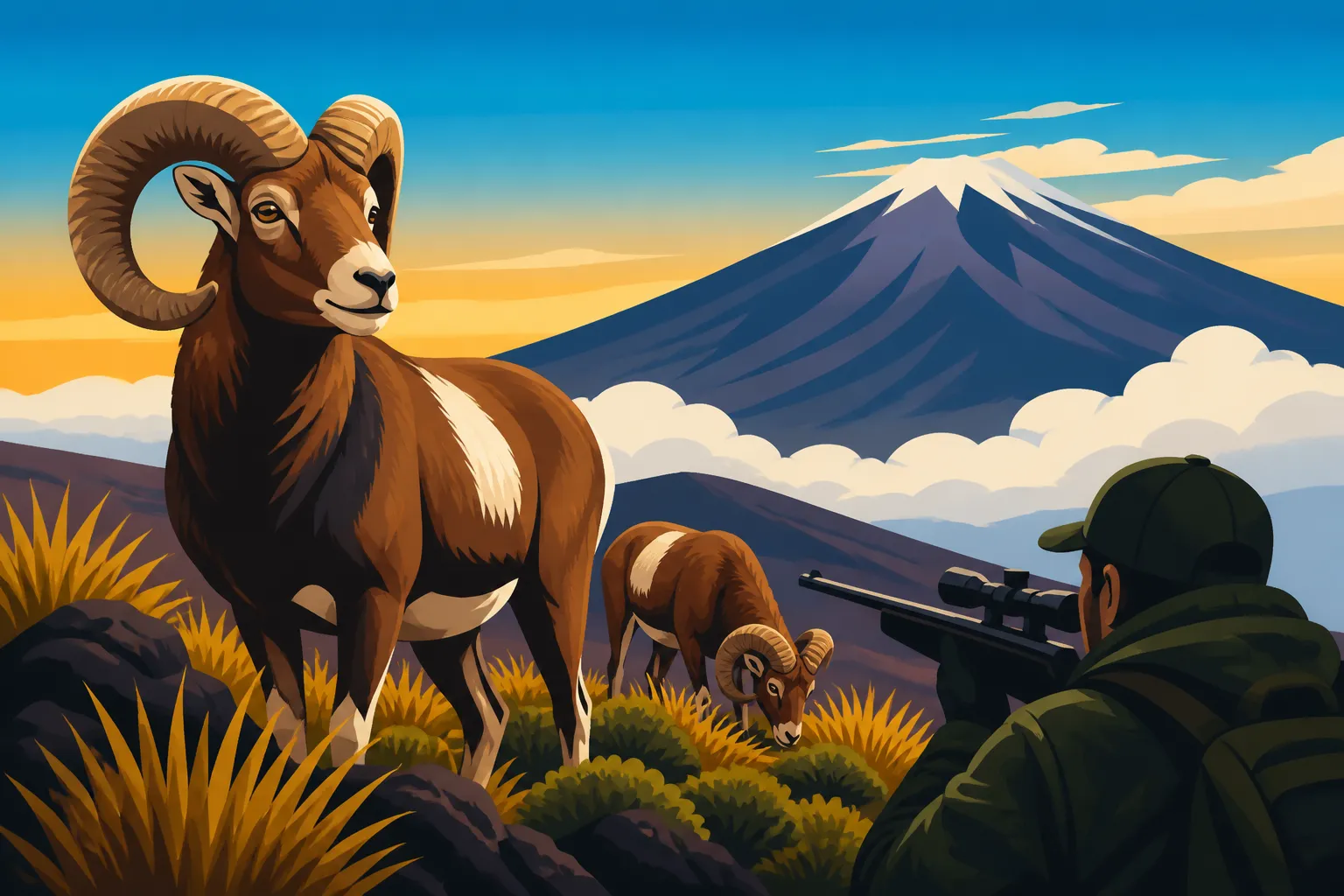
Where Mouflon Feed on Mauna Kea
Mauna Kea is a beast of a mountain, a place of stark beauty and even starker challenges, especially when you're trying to track down mouflon sheep. It's not just about spotting an animal on a vast lava flow; it's about understanding why they're there in the first place, and more often than not, it comes down to food. Trying to find where mouflon feed on Mauna Kea can feel like searching for a needle in a haystack of rocks and thin air, but with a bit of insight into their dietary preferences and habitat, you can dramatically increase your chances. This guide will help you decipher their feeding patterns and learn how to zero in on those crucial areas.
The Unique Alpine Diet of Mauna Kea Mouflon
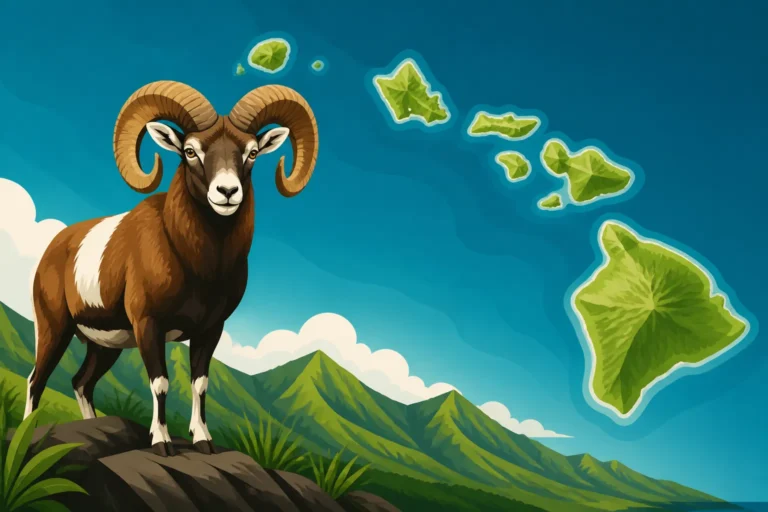
Mouflon sheep weren't originally found in Hawaii; they were introduced, and like any introduced species, they adapted to the available forage. On Mauna Kea, this means they've become incredibly adept at surviving in a high-elevation, often arid, and somewhat desolate landscape. Their diet here is a testament to their hardiness, focusing on plants that can withstand the harsh conditions, intense sun, cold nights, and persistent winds.
You're not going to find lush, green pastures up here like you would in other hunting grounds. Instead, mouflon thrive on tougher, more drought-resistant vegetation. The cornerstone of their diet often revolves around various grasses, forbs, and certain shrub species that manage to cling to life in the volcanic soil. Think of them as opportunistic grazers and browsers, constantly seeking out whatever provides the best nutritional value. It's a constant quest for sustenance in an environment that doesn't offer much in the way of easy calories.
What's particularly interesting is how vital specific native and introduced plants become at these elevations. While they'll nibble on many things, certain plants are definitely preferred. If you're out there Hunting Mouflon in Hawaii's Mamane Forest, you'll quickly realize how important the mamane tree is, not just for the sheep but for the entire ecosystem. Its leaves and pods provide a crucial food source, especially when other vegetation is sparse. This plant is a true lifeline in the high country, and understanding its presence is key to finding feeding mouflon. They'll also browse on other shrubs like 'a'ali'i, which also have tough leaves but are a reliable food source.
Reading the Landscape: Elevation, Terrain, and Forage Zones
Mauna Kea isn't a uniform mountain; it's a tapestry of different ecological zones, and where mouflon feed is heavily dictated by these changes in elevation and terrain. From the lower mamane forests to the sparse, rocky alpine desert, the menu changes, and so does the strategy for finding feeding sheep.
The Mamane-Naio Belt
As you ascend Mauna Kea, one of the first distinct zones you'll encounter, particularly on the western and northern slopes, is the mamane-naio forest belt. This area, typically ranging from about 6,000 to 9,000 feet, is prime mouflon habitat. The mamane tree, Sophora chrysophylla, and naio, Myoporum sandwicense, form a relatively open, often stunted forest, interspersed with grassy openings and cinder cones. This is where you'll most consistently find mouflon browsing. The leaves and seeds (pods) of the mamane are highly palatable and nutritious for the sheep, and the sparse canopy offers both cover from the sun and relative ease of movement.
When you're Hunting Mouflon in Hawaii's Mamane Forest, you'll notice how the sheep utilize the edges of these forests, the open kipuka, and the slopes of the cinder cones that dot the landscape within this belt. They're often found moving between these micro-habitats, feeding on mamane, and then dropping into grassy pockets to graze on various native and introduced grasses. This transitional zone provides a diverse buffet, and because of the cover, it can be a bit more challenging to spot them, requiring patience and keen glassing. Remember that What Mamane Trees Mean to Mauna Kea goes beyond just food; it's an entire ecosystem that supports these sheep.
The Alpine Stone Desert
Above the mamane-naio belt, typically from 9,000 feet upwards, the landscape transforms dramatically into the alpine stone desert. This is a truly harsh environment, characterized by vast lava flows, cinder fields, and scree slopes, with very little vegetation. Yet, mouflon still venture into these higher elevations, often to escape hunting pressure or simply to traverse between feeding grounds. Why Mouflon Live Above the Tree Line often comes down to finding undisturbed areas, but they still need to feed.
While the forage is sparse, it's not entirely absent. Scattered pockets of hardy grasses, lichens, and low-growing alpine plants can be found in protected crevices or areas where fine soil has accumulated. Mouflon here become incredibly efficient foragers, picking at whatever sustenance is available. If you're Glassing a Lava Flow for Mouflon Rams, you might see them moving with purpose across these seemingly barren expanses, often heading towards a small kipuka (an island of vegetation surrounded by lava) or a protected saddle where a bit more greenery might exist. These high, exposed areas are less about consistent feeding and more about survival, movement, and perhaps finding a vantage point. The sheep here are often leaner, but exceptionally tough, and spotting a ram against the dark lava can be a unique challenge.
Seasonal Shifts and Weather's Influence on Feeding Habits
Just like anywhere else, the weather and seasons profoundly impact where and what mouflon feed on. Mauna Kea experiences distinct wet and dry periods, and these directly influence the availability and palatability of forage.
Dry Season Challenges
Hawaii's dry season, typically from May to October, can be particularly tough on Mauna Kea. With less rainfall, much of the sparse vegetation in the alpine zones can dry out and become less nutritious, or even die back entirely. During these times, mouflon will often concentrate their feeding efforts in areas that retain moisture longer or where more resilient plants grow. This means:
- Water Sources: While Mauna Kea is famously dry, any gulch, depression, or old military road that catches and holds moisture becomes a magnet. Mouflon will feed closer to these areas, nibbling on greener shoots that benefit from residual dampness. Finding these subtle moisture points can be a game-changer when Hunting a Water Source in Dry Hawaii Country.
- Persistent Greenery: The mamane trees, with their deeper root systems, tend to stay greener longer than ground-level grasses. Therefore, the mamane-naio belt becomes even more critical during dry spells. Mouflon will spend more time browsing on mamane leaves and pods, which remain a relatively reliable food source.
- North-Facing Slopes: These slopes receive less direct sun exposure and can hold moisture a bit longer than their south-facing counterparts, sometimes offering a slightly greener pickings for hungry sheep.
The dry season also makes mouflon more visible. With less vegetation to hide in, and animals often forced to concentrate around limited food and water, successful Spot-and-Stalk Tactics on Open Country become even more crucial.
Wet Season Opportunities
When the rains return, typically from November to April, the mountain can transform, albeit subtly. Even a light, persistent drizzle can green up the grasses and stimulate new growth in forbs, especially at lower elevations within the mamane belt.
- Expanded Forage: Mouflon might disperse more widely across the landscape as new green shoots emerge in areas that were previously barren. This makes finding them a bit more challenging, as they aren't concentrated in obvious feeding areas.
- Higher Elevation Grazing: With new growth, mouflon may spend more time grazing in higher alpine zones, especially if previous rains have encouraged vegetation in the rocky terrain. These periods can be excellent for those looking to pursue a true high-country ram on Hunting Mouflon on Hawaii's Highest Slopes.
- Cooler Temperatures: The cooler, wetter conditions can also mean mouflon are more active throughout the day, rather than restricting their feeding to early mornings and late evenings to avoid the intense dry-season heat.
Remember that How Mouflon Horns Grow Each Year is directly linked to the quality and abundance of their diet. A good wet season can mean better horn growth in subsequent years, leading to truly impressive rams.
Table: Mouflon Forage Preferences by Elevation and Season
To give you a clearer picture, here's a general guide to what mouflon might be feeding on at different elevations and times of the year on Mauna Kea:
| Elevation Zone | Primary Forage (Wet Season) | Primary Forage (Dry Season) | Key Feeding Behavior |
|---|---|---|---|
| 8,000 – 10,000 ft (Mamane-Naio Belt) | Mamane leaves & pods, various native grasses, 'a'ali'i, other forbs | Mamane leaves & pods (critical), dried grasses, browse on hardy shrubs | Browsing (mamane), grazing in open pockets, seeking shade/cover |
| 10,000 ft + (Alpine Stone Desert) | Sparse alpine grasses, lichens, low-growing forbs in protected areas | Very sparse, focus on surviving plants in moist micro-habitats | Opportunistic grazing, deliberate movement between isolated forage |
Scouting Strategies for Pinpointing Mouflon Feeding Grounds
Finding where mouflon feed on Mauna Kea requires more than just luck; it demands diligent scouting, keen observation, and an understanding of the terrain. Hunters often use tools like the GoHunt app or detailed topographic maps to analyze the landscape before even stepping foot on the mountain. This pre-scouting helps identify potential areas where feed might be concentrated.
Utilizing Optics and Elevation
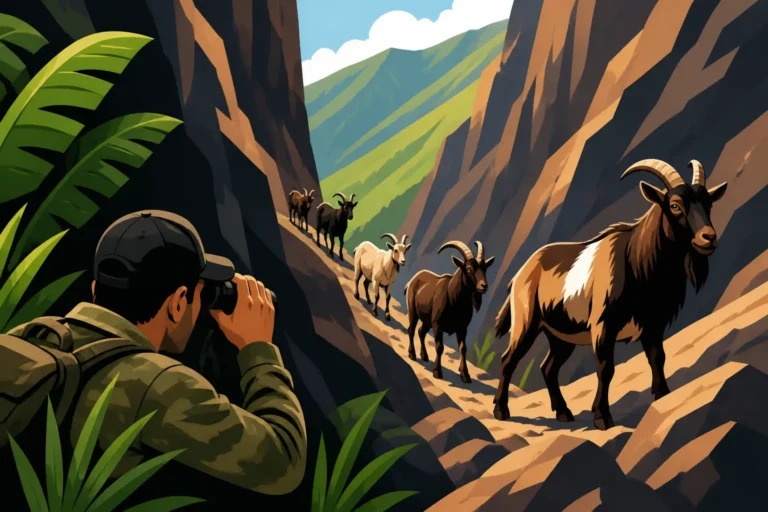
One of your most valuable tools on Mauna Kea will be high-quality optics. The vast, open nature of the terrain means you'll be doing a lot of Glassing a Lava Flow for Mouflon Rams from a distance. Set up on high points, cinder cone rims, or ridges that offer expansive views of potential feeding basins, kipuka, or mamane patches. Spend significant time behind your binoculars or spotting scope, systematically picking apart the landscape.
Look for areas with a mix of cover and open ground within the mamane belt. Mouflon often feed on the edges, where they can quickly duck into the trees if disturbed. In the alpine desert, focus on areas where any form of vegetation seems to concentrate—often in shallow depressions, along old jeep trails, or where lava flows have created pockets of soil. Consider where you might be Hunting a Cinder Cone Rim as these elevated features offer not only vantage points but sometimes a slightly different microclimate for forage.
Following the Sign
Mouflon leave sign, just like any other animal, and learning to interpret it will lead you to their feeding grounds. While it can be sparse in the rocky terrain, look for:
- Droppings: Fresh droppings indicate recent presence. Pay attention to their concentration.
- Tracks: Look for tracks in softer soil, along game trails, or near water sources. These can reveal travel patterns to and from feeding areas.
- Bite Marks: Examine vegetation for fresh browsing or grazing. This is particularly noticeable on mamane leaves or smaller shrubs. Look for torn or nipped branches and leaves.
- Bedding Areas: Mouflon will often bed down in areas that offer good visibility and protection from the wind, but these spots are usually close to their feeding locations, especially during midday.
When you're trying to figure out Where Mouflon Feed on Mauna Kea, remember that the sheep are constantly evaluating risk versus reward. They'll feed where food is available and where they feel relatively secure. This means paying attention to prevailing winds, escape routes, and how hunting pressure might be influencing their movements. A great resource for all this research and planning is GoHunt, which can help you overlay different map layers to identify potential feeding zones and plan your approach.
Adapting to Conditions
Flexibility is key on Mauna Kea. A sudden rain shower could trigger new growth and disperse animals, while a prolonged drought will concentrate them. Be prepared to adjust your strategy based on the current conditions. If you're coming for a specific season, research what the weather patterns have been like leading up to your hunt. Knowing if it's been unusually dry or wet can give you a significant advantage in predicting where the sheep will be prioritizing their feeding. Remember that Mauna Kea is huge, and simply knowing What a Hawaii Mouflon Ram Weighs won't help you find him if you don't know where he eats!
Successfully hunting mouflon on Mauna Kea is a deeply rewarding experience that truly tests a hunter's skills and knowledge of animal behavior. By understanding their unique diet, how they interact with the varied terrain and elevations, and the profound impact of seasonal changes, you can start to unravel the mystery of where these magnificent sheep find their sustenance on this incredible mountain. Utilize tools like GoHunt to gather information, plan your strategy, and then let your boots and your optics do the rest of the work.
Disclaimer
This article is for general informational purposes only and does not constitute professional advice. Laws, prices and regulations vary by location and change over time. Consult a qualified professional for guidance on your specific situation.