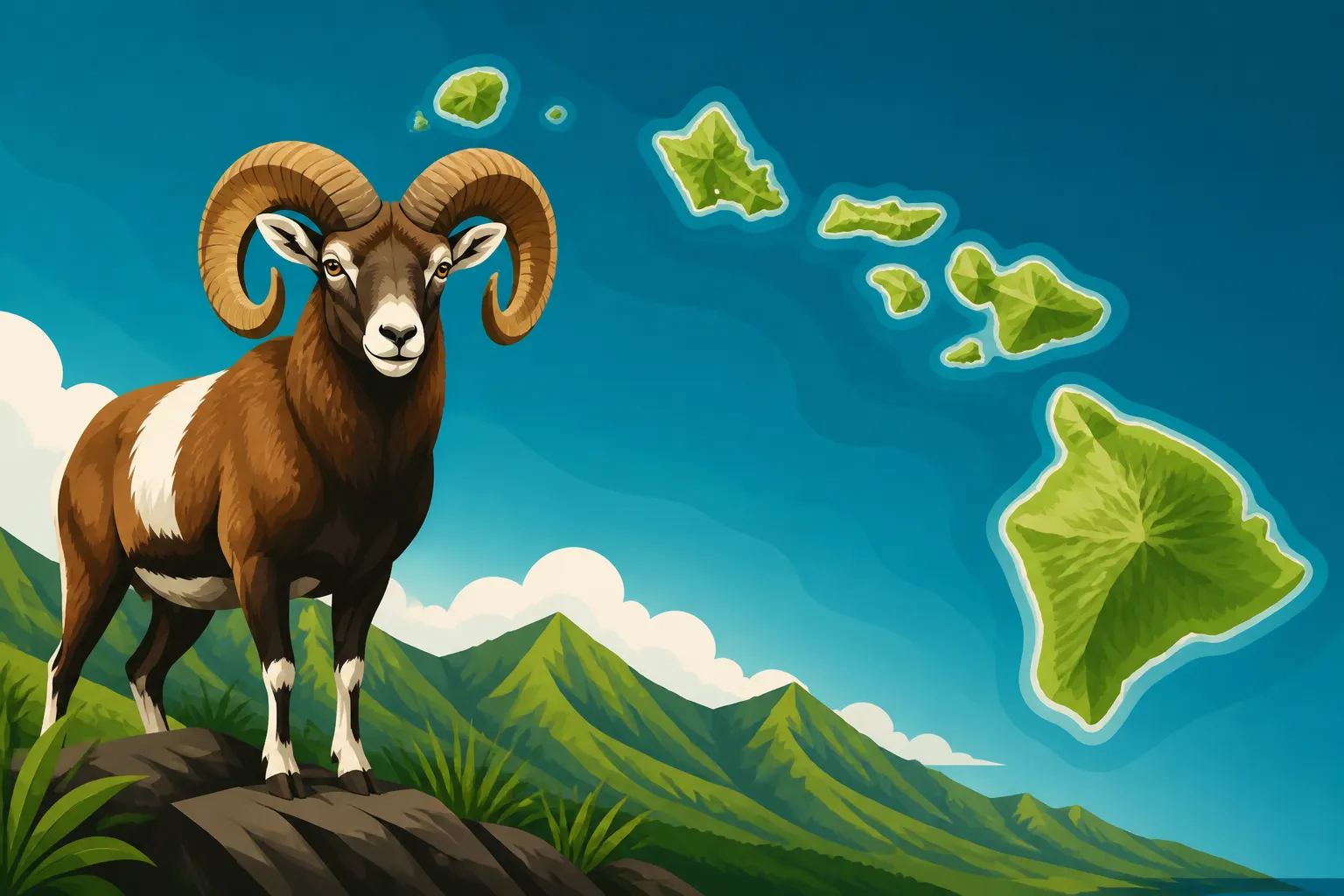
Where Hawaii’s Mouflon Live
Many hunters dream of chasing an exotic game animal in a tropical paradise, but the reality of locating Hawaii's mouflon sheep often leaves folks scratching their heads. It’s not like they're just wandering through Waikiki! Understanding precisely where these unique wild sheep live across our diverse islands is key to a successful hunt. This comprehensive guide will peel back the layers of these wild sheep's preferred habitats, helping you understand their specific ranges on the Big Island and Lanai, and how their environment influences their behavior, ultimately boosting your chances of finding that coveted ram.
The Unique Geography of Hawaii's Mouflon Range
When we talk about mouflon in Hawaii, we're really focusing on two main islands: Hawaii Island, often called the Big Island, and the smaller, more arid island of Lanai. These two places offer vastly different landscapes, yet both provide the challenging terrain and specific vegetation that mouflon sheep have come to call home. It's a testament to their adaptability, but also a critical detail for any hunter planning a trip. You won't find mouflon just anywhere, and understanding these distinct habitats is the first step toward a successful hunt.
Mauna Kea's Barren Slopes on Hawaii Island
On Hawaii Island, the mouflon are predominantly found on the vast, often unforgiving slopes of Mauna Kea, one of the island's magnificent volcanoes. This isn't your typical lush Hawaiian scene; instead, imagine high-altitude, windswept terrain that can feel more like a lunar landscape than a tropical island. These sheep were originally introduced to the Big Island in the 1950s and have since established themselves in an environment that might surprise many mainland hunters. They thrive in the elevation zones ranging from about 6,000 feet all the way up to over 10,000 feet, which means thin air and extreme weather are part of the daily routine for these animals.
The terrain here is brutal, consisting of sharp, jagged lava flows, scattered cinder cones, and deep, eroded gulches. It's an environment that demands respect and preparedness, both from the animals that live there and the hunters who pursue them. Mouflon have evolved to navigate this rocky, uneven ground with incredible agility, their hooves perfectly adapted to finding purchase on slick lava or steep volcanic scree. This means that a successful hunt often involves significant elevation changes and tough walking, very different from what you might expect when you picture "hunting in Hawaii."
Lanai's Arid Uplands and Dense Brush
Contrast that with Lanai, often referred to as the "Pineapple Island" due to its history, where mouflon were also introduced decades ago. Here, you'll find a dramatically different landscape, though no less challenging. Lanai's interior is characterized by arid uplands, rolling hills, and a mix of dryland forests and dense, thorny brush. While it lacks the extreme elevation of Mauna Kea, the heat and impenetrable vegetation present their own set of obstacles. The mouflon on Lanai tend to stick to the higher, central parts of the island, particularly within the Lanai Cooperative Game Management Area and surrounding private lands.
The ecological zones on Lanai shift from open grasslands at lower elevations to dense stands of kiawe (mesquite) and various introduced shrubs higher up, interspersed with pockets of pine and eucalyptus. Mouflon here have learned to utilize these diverse covers for shade, bedding, and escape. Unlike the wide-open views you might get on Mauna Kea, a hunt on Lanai often involves pushing through thick brush, relying more on tracking and close-quarters stalking. The heat can be intense, and water sources are far more critical to understanding animal movement patterns on this drier island.
Hawaii Island's Mauna Kea: A Mouflon Stronghold
For many, the thought of hunting mouflon sheep immediately conjures images of Mauna Kea. It’s the quintessential Hawaii mouflon experience, but it’s far from a walk in the park. This dormant volcano presents an array of habitats, each demanding a different approach from the intrepid hunter.
The High Elevation Alpine Ground
The pinnacle of mouflon country on Mauna Kea lies within its high-elevation alpine and subalpine zones. Imagine vast expanses above the tree line, where the air is thin, crisp, and often buffeted by strong winds. This is where some of the most impressive rams roam, having adapted to the harsh conditions. Here, vegetation is sparse, consisting mainly of hardy alpine grasses, low-growing shrubs, and lichens clinging to ancient lava flows. Hunters who venture into this territory for Hunting Mouflon in Mauna Kea's Thin Air must be prepared for extreme weather swings, from blistering sun to freezing rain or even snow, all within a single day.
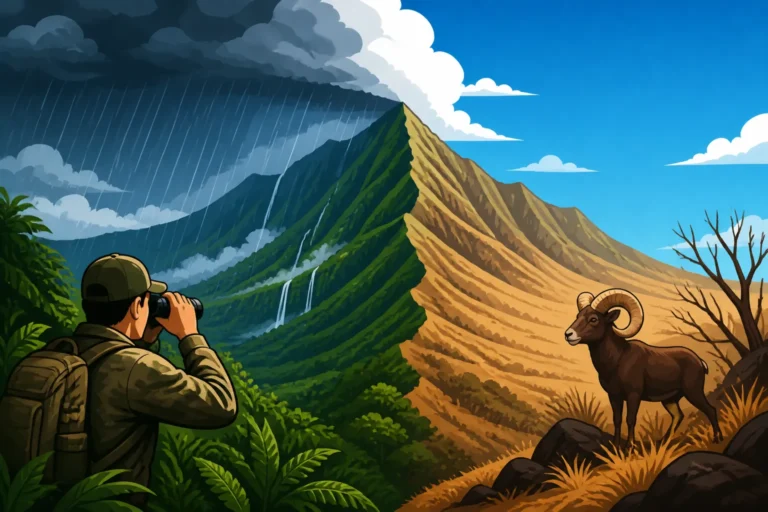
The openness of this high country means that long-range glassing is an essential skill. You'll spend hours behind optics, scrutinizing every rock and shadow for the tell-tale shape of a ram. The challenges are real: the elevation can induce altitude sickness for those not acclimated, and the sheer scale of the landscape can be deceptive. What looks like a short walk often turns into a grueling hike across miles of uneven ground. But the reward, seeing a magnificent ram silhouetted against the vast Hawaiian sky, is unparalleled.
Mamane-Naio Forest Belt
Below the true alpine peaks, usually between 6,000 and 8,000 feet, lies the vital mamane-naio forest belt. This native dry forest is a critical resource for mouflon, especially during periods of harsh weather in the higher elevations. The mamane and naio trees provide not only shade and shelter but also a significant portion of their browse. These forests can be surprisingly dense in places, offering excellent cover for sheep, making them a key area for both feeding and bedding.
The edges of this forest, where it transitions into open lava or scattered grasslands, are often prime locations to intercept sheep moving between feeding and bedding areas. Understanding the relationship between these forest patches and the more exposed areas is crucial. For hunters, this means a blend of spot-and-stalk tactics in the open, combined with careful still-hunting or methodical pushes through the denser sections. It's a complex ecosystem, and the mouflon utilize every part of it to survive.
Volcanic Lava Flows and Cinder Cones
Perhaps the most iconic, and certainly the most challenging, aspect of Mauna Kea mouflon country is the prevalence of volcanic lava flows and scattered cinder cones. Mouflon have an uncanny ability to traverse these sharp, broken, and often unstable formations. The older, weathered lava flows, in particular, provide pockets of sparse vegetation and shelter from the elements. These areas can be incredibly difficult to navigate on foot, with razor-sharp a’a lava and slippery pahoehoe creating treacherous footing. Walking Rough Lava Without Wrecking Your Boots is a real concern, and proper footwear is non-negotiable.
For hunters, these lava flows offer both a challenge and an opportunity. The sheep blend remarkably well into the volcanic rock, making Glassing a Lava Flow for Mouflon Rams an exercise in patience and keen observation. However, the broken terrain also creates natural funnels and blind spots, which a savvy hunter can use to their advantage for a stalk. Small islands of vegetation, known as kipukas, surrounded by a sea of lava, are often magnets for sheep seeking forage and respite, providing concentrated areas to focus your efforts.
Lanai: A Different Kind of Mouflon Hunt
While the Big Island offers the dramatic, high-altitude volcanic landscape, Lanai presents a more intimate, yet equally demanding, mouflon hunting experience. The island’s unique geology and vegetation dictate how these sheep live and how hunters must pursue them.
Lanai's Upper Ridgelines and Open Country
The central highlands of Lanai are characterized by undulating ridgelines and more open, rolling terrain compared to the dense lower elevations. These areas are often dominated by kiawe trees, which despite their thorny nature, drop protein-rich pods that mouflon relish. Scattered grasses and other arid-adapted shrubs also provide forage. Mouflon on Lanai frequently utilize these ridgelines for movement, feeding, and surveying their surroundings, much like other mountain sheep species. The elevated vantage points offer them an excellent view of potential threats.
Hunting these ridgelines often involves covering significant ground on foot, using the topography to stay out of sight while glassing expansive areas. The sun can be intense, and the lack of shade in many spots makes staying hydrated paramount. Hunters often look for signs of recent feeding, tracks, or droppings along these well-used travel corridors, especially during the cooler parts of the day. The expansive nature of these units, combined with the often-elusive nature of mouflon, means you’ll earn every opportunity.
Dense Kiawe and Guava Thickets
While some areas on Lanai are open, a significant portion of mouflon habitat includes extremely dense stands of kiawe, guava, and other invasive brush. These thickets can be almost impenetrable, forming a labyrinth of thorny branches that provide perfect bedding and escape cover for mouflon. When pressured or seeking refuge from the midday sun, sheep will disappear into these dense areas, making them incredibly difficult to find and stalk.
Hunting in these thickets is a completely different ballgame. It becomes a close-quarters affair, often requiring slow, methodical pushes or strategic positioning on the downwind side of known bedding areas. Stealth and patience are key, as the sheep's senses are highly attuned to movement and noise in such tight cover. Expect scratches, torn clothing, and a physically demanding experience if you venture into these jungles in pursuit of a Lanai mouflon.
Water Sources in Arid Lanai
On an island as arid as Lanai, water is a precious and often scarce resource, especially during the dry season. This makes understanding and identifying natural and artificial water sources absolutely critical for locating mouflon. While mouflon are remarkably adapted to desert conditions and can go for extended periods without direct water, they will still gravitate towards available seeps, old cattle troughs, and rain catchments, particularly as temperatures rise.
For hunters, these water points act as natural magnets. Scouting for these locations beforehand can provide significant intel on animal movement. Observing trails leading to and from water, or even setting up for an ambush during peak drinking hours (often early morning or late afternoon), can be a highly effective strategy. However, respect for the animals means avoiding over-pressuring these critical areas, especially during drought conditions. Being aware of where the animals are watering is key to a successful Hunting Lanai's Mouflon Archery Season or rifle hunt.
Habitat Preferences and Behavioral Patterns
Understanding where mouflon live is only half the battle; knowing why they choose these specific areas and how they behave within them is what truly turns a casual observer into a skilled hunter. Their patterns are deeply intertwined with the resources their habitat provides, and how these change with the seasons.
Forage and Diet Adaptations
Mouflon in Hawaii are opportunistic browsers and grazers, adapting their diet to whatever the landscape provides. On Mauna Kea, their diet heavily features the native mamane and naio plants, along with various high-elevation grasses and forbs that can survive the harsh climate. Where Mouflon Feed on Mauna Kea often dictates their daily movements from bedding areas to foraging grounds. Their ability to digest tough, fibrous plant material allows them to thrive where other species might struggle.
On Lanai, the diet shifts to include more introduced species. Kiawe pods, which are abundant, provide a significant food source, especially during their fruiting season. Various dry grasses, shrubs, and even some agricultural remnants contribute to their forage. This adaptability in diet is a primary reason why mouflon have been so successful in establishing populations across Hawaii’s varied, often nutrient-poor environments.
Cover and Escape Terrain
Mouflon are incredibly alert animals, constantly aware of their surroundings. Their survival depends on their ability to quickly identify threats and utilize the terrain for cover and escape. On Mauna Kea, this means they often bed in rocky outcrops, depressions in lava flows, or within the sparse mamane-naio forest, always with an escape route planned. Their excellent eyesight, hearing, and sense of smell make stalking them a serious challenge.
On Lanai, the dense kiawe and guava thickets serve as impenetrable fortresses where sheep can disappear in an instant. They will use the thorny cover to put distance between themselves and perceived danger, making tracking them through these areas a slow and arduous process. Whether on the volcanic scree of Mauna Kea or the thorny brush of Lanai, mouflon will always gravitate towards terrain that offers an advantage in evading pursuit, which means hunters need to be stealthy, patient, and prepared for difficult retrieves.
The Impact of Drought and Weather
Weather patterns in Hawaii, particularly drought and heavy rainfall, significantly influence mouflon distribution and behavior. During prolonged dry spells, water sources become even more critical, concentrating animals around the remaining few. This can make them easier to locate but also more wary due to increased pressure. Conversely, during periods of heavy rain, especially on the Big Island, sheep may move to lower, more protected elevations or seek drier microclimates within their range.
Temperature also plays a role. On Mauna Kea, extreme cold or strong winds can push sheep out of the highest, most exposed areas into the relative shelter of the mamane-naio forest. On Lanai, intense heat will drive mouflon into dense shade during the day, making them primarily crepuscular, active during dawn and dusk. Understanding these meteorological impacts is crucial for anticipating mouflon movements and planning your hunt effectively.
Conservation and Management: The Future of Hawaii's Mouflon
The presence of mouflon in Hawaii, like many introduced species, comes with a complex set of ecological considerations. While they provide fantastic hunting opportunities, their management is also tied to the protection of Hawaii's unique native ecosystems.
Hunting as a Management Tool
Regulated hunting is a cornerstone of mouflon management in Hawaii. The Division of Forestry and Wildlife (DOFAW) actively uses hunting seasons and permit-tag systems to control mouflon populations, especially on Mauna Kea. This is crucial for mitigating their impact on fragile native plant communities and maintaining a healthy balance within the ecosystem. Without hunting, mouflon populations could explode, leading to overgrazing and significant habitat degradation.
Hunters, by participating in these seasons, directly contribute to conservation efforts. Each tag purchased helps fund wildlife management programs, and the harvest of animals helps keep populations at sustainable levels, reducing their footprint on native flora. If you're interested in Mouflon Sheep Hunting on Hawaii Island, you'll go through the DOFAW permitting process, which ensures a controlled and managed harvest. Hunters can check the GoHunt Hawaii portal for the latest season dates, bag limits, and application periods, making the process of obtaining licenses and tags straightforward.
The Palila Bird Controversy and Fenced Areas
A significant aspect of mouflon management on Mauna Kea revolves around the critically endangered Palila bird. This native Hawaiian honeycreeper relies almost exclusively on the mamane tree for food and habitat. Mouflon, being browsers, can severely impact mamane regeneration and growth, directly threatening the Palila's survival. This conflict has led to legal battles and court-ordered mandates to reduce ungulate (hoofed animal) numbers in Palila critical habitat. This means that mouflon management on Mauna Kea isn't just about hunter opportunity; it's a vital part of protecting a unique native species, as explored in The Palila and Mauna Kea's Sheep.
Consequently, you'll find extensive fencing projects on Mauna Kea designed to exclude ungulates, including mouflon, from critical Palila habitat. These fences dramatically alter mouflon distribution and behavior, often concentrating them into specific huntable units outside the fenced conservation areas. Hunters need to be acutely aware of these boundaries, as trespassing into protected areas is a serious offense. These efforts highlight the delicate balance between managing introduced game species and protecting irreplaceable native biodiversity.
Future Outlook for Mouflon Populations
The future of mouflon populations in Hawaii is subject to ongoing management decisions, environmental factors, and the complex interplay of conservation goals. On Hawaii Island, efforts to reduce ungulate numbers within critical habitat for the Palila will likely continue to influence hunting opportunities and population densities in certain zones. However, mouflon are resilient, and with careful management, sustainable hunting opportunities are expected to persist.
On Lanai, where the Palila conflict isn't present, mouflon populations are managed primarily for recreational hunting and to control their impact on ranching and other land uses. Organizations like GoHunt are a great resource for keeping up with the latest hunting announcements and regulations that impact these populations. Both islands face the challenge of climate change, with extended droughts potentially impacting forage and water availability, which could lead to shifts in mouflon distribution over time. Staying informed through official channels like DOFAW announcements is always recommended.
Planning Your Hunt: Accessing Mouflon Country
Embarking on a mouflon hunt in Hawaii is an adventure, but it requires careful planning and an understanding of the local regulations and terrain. It's not just about showing up with a rifle; it's about preparation.
Permitting and Public Access
To hunt mouflon, you'll first need a valid Hawaii hunting license and the appropriate permit-tags for the specific unit and season you plan to hunt. For many mouflon hunts, especially on Lanai, this involves applying for a drawn hunt or lottery. These draws can be competitive, so understanding the application deadlines and requirements is crucial. The official State of Hawaii DLNR website and the GoHunt Hawaii portal are invaluable resources for this process, providing all the necessary forms and up-to-date information. They clearly lay out Hawaii's Hunting Units and How They Work, making it easier to navigate the system.
Once you secure your permits, you'll need to understand the check-in and check-out procedures for your designated hunting unit. Many units require hunters to physically check in at a hunter check station or use digital apps like OuterSpatial. This ensures accountability, helps collect harvest data, and is a vital safety measure. Always carry your license and permit-tags with you in the field and be prepared to present them if requested by a conservation officer.
| Island | Primary Mouflon Units | Access Type | Special Considerations |
|---|---|---|---|
| Hawaii Island | Mauna Kea Unit A, Unit G (Puu Waawaa) | Public, Drawn | High elevation, lava flows, Palila bird restrictions |
| Lanai | Lanai Cooperative Game Management Area | Public, Drawn/Archery | Arid, dense kiawe, no commercial guides on public land |
Navigating the Terrain
Whether you're tackling the volcanic slopes of Mauna Kea or the dense brush of Lanai, the terrain demands respect. Physical fitness is paramount; expect steep climbs, long walks over uneven ground, and potentially challenging retrieves. Investing in high-quality hiking boots designed for rugged terrain is essential, as is packing plenty of water and emergency supplies. Communication can be spotty in remote areas, so a satellite messenger or GPS device is highly recommended.
Beyond physical preparation, successful navigation requires good mapping skills. Traditional paper maps combined with GPS apps like onX Hunt can be incredibly helpful for staying found and understanding unit boundaries, especially in areas with limited visibility or where fences define habitat. Familiarize yourself with the area beforehand, noting key landmarks, potential water sources, and escape routes for both you and the game. For insights into the ruggedness of these areas, checking out Hunting Mouflon on Hawaii's Highest Slopes can give you a real sense of what to expect.
Guided vs. Self-Guided Considerations
For many first-time Hawaii hunters or those unfamiliar with the unique challenges of the islands, hiring a reputable guide can be a game-changer. Guides possess invaluable local knowledge of mouflon movements, prime habitat, and specific hunting tactics. They can handle logistics, provide transportation to remote areas, and assist with field dressing and meat packing. This can significantly increase your chances of success and ensure a safer, more enjoyable experience.
However, it's important to note that commercial guides are not allowed on Lanai's public hunting lands. If you draw a tag for a public hunt on Lanai, you will be Hunting Lanai Without a Guide. In this scenario, thorough self-preparation, scouting, and perhaps connecting with local resident hunters are crucial. On Hawaii Island, numerous experienced outfitters can guide you on private ranches or in certain public access areas. Weigh your experience level, budget, and desired hunting style when making this important decision.
Disclaimer
Please remember that hunting regulations, seasons, and access can change. Always consult the most current Hawaii Department of Land and Natural Resources (DLNR) Division of Forestry and Wildlife (DOFAW) regulations before planning any hunt. This information is for general guidance only and should not replace official government resources.