Handling Pig Meat and Leptospirosis
Hunting Hawaii's feral pigs is an exhilarating challenge, a deeply rewarding pursuit that connects you to the land in a profound way. But let's be real, there's a serious side to it all, particularly when it comes to processing your harvest. Many hunters, especially those new to the islands, worry about the risks involved, and high on that list is leptospirosis. It's a legitimate concern, and understanding how to protect yourself and your family while still enjoying the bounty of your hard work is absolutely crucial. This guide is here to walk you through the practical steps you can take to handle pig meat safely, minimizing the risk of leptospirosis exposure in Hawaii's unique hunting environment.
Understanding Leptospirosis in Hawaii's Wild Pigs
Let's start by getting a clear picture of what leptospirosis actually is and why it's a concern when you're out there pursuing feral pigs in Hawaii. It’s not something to be overly paranoid about, but it’s definitely something every hunter needs to respect and understand. Ignorance is definitely not bliss when it comes to pathogens in the field.
What is Leptospirosis and How is it Transmitted?
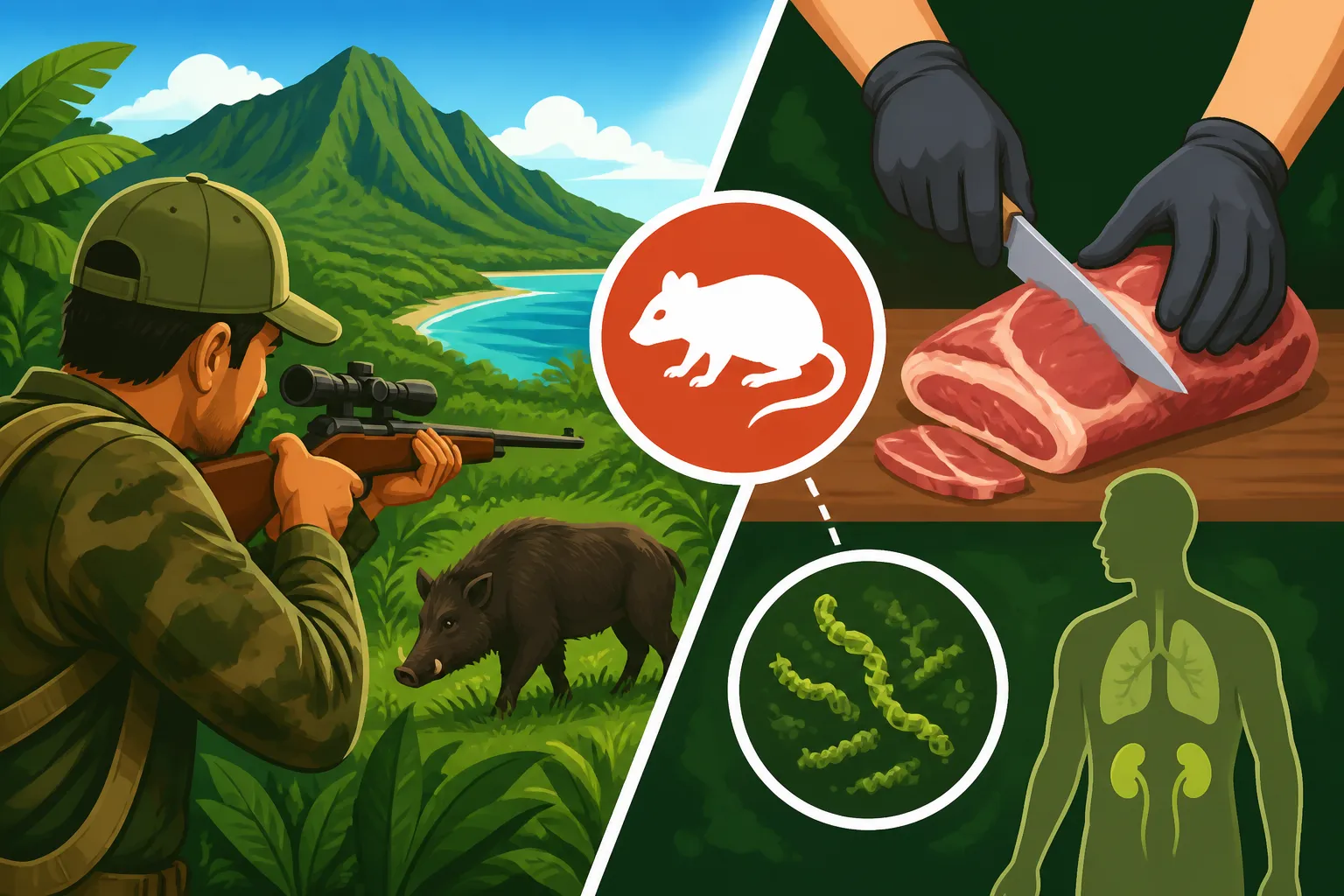
Leptospirosis is a bacterial disease, caused by bacteria from the genus Leptospira. It's a zoonotic disease, meaning it can jump from animals to humans, and it's quite prevalent in warm, wet, tropical environments – sound familiar? Hawaii, with its lush rainforests, frequent rainfall, and abundant water sources, creates an ideal habitat for these bacteria to thrive. Feral pigs are known carriers, often showing no outward signs of illness themselves, yet shedding the bacteria in their urine. This is key: the bacteria are typically transmitted through the urine of infected animals.
When an infected pig urinates, the bacteria can contaminate soil, water, and even vegetation. This creates a risk for humans who come into contact with these contaminated sources, especially if they have open cuts, scrapes, or mucous membranes (like eyes, nose, or mouth) exposed. Imagine tracking a pig through a muddy gulch, or kneeling down next to a recently downed animal – these are prime scenarios where exposure can occur. The bacteria can survive for weeks, sometimes even months, in moist soil and fresh water, which means even stagnant puddles or wet leaves can pose a risk long after an animal has passed through.
The good news is that cooking meat thoroughly kills the leptospira bacteria. The main risk to hunters isn't usually from eating cooked meat, but from direct contact with infected animal fluids – particularly urine – during field dressing or from contaminated environments. This is why our focus here is on proper handling and hygiene before the meat ever hits the pan. It's not about avoiding hunting pigs, it's about doing it smart and safe.
Identifying Potential Risks in the Field
Knowing where the risks lie is half the battle. When you're out there, whether you're Hunting Pigs Without Dogs in Hawaii or engaged in Dog and Knife Pig Hunting in Hawaii, you'll encounter environments where leptospirosis might be present. Think about the typical pig habitats in Hawaii: dense, wet forests; muddy riverbeds and stream banks; areas around standing water; and agricultural fields where pigs forage and leave their waste. These are the hotspots.
Visible signs on the pig itself are often absent, which is why universal precautions are so vital. You can't just look at a pig and tell if it's shedding leptospirosis. However, keep an eye out for anything unusual – an animal acting sluggish, having skin lesions, or showing other signs of illness. While these might not be directly indicative of leptospirosis, they should certainly heighten your awareness for extra caution. Furthermore, be acutely aware of any cuts, scratches, or open wounds on your own skin. Even a small paper cut on your finger can be an entry point for bacteria if it comes into contact with contaminated fluids. It's easy to get minor scrapes when Walking Rough Lava Without Wrecking Your Boots or pushing through dense Hunting a Strawberry Guava Thicket. Always assume the environment and the animal could be a source of potential contaminants.
Essential Precautions During Field Dressing and Meat Handling
Once you've successfully harvested a pig, the real work, and the real need for caution, begins. This is where most hunters will have direct contact with the animal's internal environment, and it’s critical to approach this stage with deliberate, safe practices. This isn't just about preserving the meat; it's about protecting your health.
Personal Protective Equipment PPE You Can't Skip
When you're field dressing a pig, consider it a hazardous materials operation. It might sound dramatic, but it’s a mindset that ensures safety. The most crucial piece of PPE is a good pair of waterproof gloves. Not just thin latex gloves, which can easily tear on bone fragments or sharp tusks, but sturdy, cut-resistant gloves, preferably with a nitrile or latex outer layer that's easy to clean. You might even consider wearing two layers of gloves for extra protection.
Eye protection is another must-have. When gutting an animal, fluids can splash, and you definitely don't want any airborne contaminants making their way into your eyes, which are direct mucous membranes. Simple safety glasses or sunglasses that offer good coverage are sufficient. Some hunters even wear waterproof apron-style coverings or old rain gear that can be easily washed or discarded, especially if they anticipate a messy job or are doing multiple animals. Think about the blood and other fluids that will be present; preventing direct skin and mucous membrane contact is your primary goal. Don't forget, these tools and practices are just as important when you're focused on Cooling Meat Fast on a Hawaii Hunt to ensure quality.
Field Dressing Techniques to Minimize Exposure
The way you field dress the animal can significantly impact your risk of exposure. The goal is to get the internal organs out quickly and cleanly, minimizing contact with urine or fecal matter. Try to do this on a clean surface if possible, or at least away from standing puddles or overly muddy areas. Lay the animal on its back, propped up if you can, to facilitate drainage.
When making your initial cuts, be mindful of the bladder and intestines. Work slowly and carefully to avoid nicking them and releasing contents onto the meat or your hands. Many experienced hunters prefer to tie off the rectum and esophagus to prevent leakage. As you remove organs, place them away from the carcass immediately. If you plan to keep any organs, like the liver or heart, rinse them thoroughly with clean water as soon as possible. The quicker you can get the guts out and the carcass opened up, the faster it will cool, which is also paramount for meat quality in Hawaii's heat, as we often discuss in articles like Field Dressing Axis Deer in Hawaii Heat. Remember, rapid field dressing also means less time for bacteria to potentially transfer or multiply on surfaces.
Safely Transporting Your Harvest
Once your pig is field dressed, the journey back to your vehicle and then home requires continued diligence. The goal is to keep the meat clean and cool, and to avoid contaminating your vehicle or other gear. If you're hunting in remote areas, perhaps after Walking In to a Remote Hawaii Unit, you might be packing meat out over a significant distance. This is where good game bags come into play. Heavy-duty, breathable game bags protect the meat from flies and dirt, and while they don't prevent bacterial growth, they keep external contaminants away.
Transport the carcass or quartered meat in a clean cooler with plenty of ice. This isn't just for cooling; it also contains any drips and prevents them from contaminating your vehicle. Line your truck bed or vehicle trunk with a heavy-duty tarp or plastic sheeting. This creates a barrier that can be easily removed and cleaned. Never transport game meat loosely in a vehicle without protection, especially if you have passengers or other gear. Any blood or fluid left behind could potentially harbor pathogens. When you arrive home, immediately transfer the meat to a controlled environment for further processing.
Post-Hunt Hygiene and Meat Processing at Home
The hunt isn't over until the meat is in your freezer and your gear is clean. This post-hunt phase is just as critical for preventing leptospirosis and other potential pathogens from making their way into your home or infecting you after the fact.
Thorough Cleaning of Hands, Tools, and Gear
As soon as you finish field dressing and loading the animal, and certainly once you get home, a thorough cleaning routine is absolutely non-negotiable. Start with your hands. Even if you wore gloves, wash your hands meticulously with warm, soapy water for at least 20 seconds. If clean water isn't immediately available in the field, use hand sanitizer as a temporary measure, but know that it's not a substitute for a good scrub.
All your tools – knives, saws, game bags, tarps, and even your boots and clothing – need to be cleaned and disinfected. Wash knives and other processing tools with hot, soapy water and then consider a diluted bleach solution (one part bleach to ten parts water) for non-porous surfaces, allowing it to air dry. Machine wash any clothing that came into contact with the animal, preferably on a hot cycle. Don't forget your vehicle's interior if it was exposed. A thorough wipe-down with a disinfectant cleaner is a good idea. Remember, the leptospira bacteria can persist in moist environments, so drying everything completely after cleaning is also important. This applies to all your gear, from your backpack to your trusty rifle, ensuring you're ready for your next adventure, whether it's Hunting Hawaii's Feral Goats or heading back after more pigs.
Home Processing for Leptospirosis Prevention
When you bring the meat into your kitchen, treat it with the same respect you would any raw meat product, but with an added layer of caution due to the potential for leptospirosis. The good news is that thorough cooking effectively kills the bacteria. Aim for an internal temperature of at least 160°F (71°C) for ground pork and pork roasts, and 145°F (63°C) for fresh pork cuts, followed by a three-minute rest. Using a meat thermometer is the best way to ensure proper doneness.
Avoid cross-contamination in your kitchen. Use separate cutting boards, knives, and utensils for raw pork and other foods, especially those that will be eaten raw, like salads. Wash everything that touches raw meat immediately with hot, soapy water. Marinating meat on the counter is a no-go; always marinate in the refrigerator. And while freezing meat is excellent for preservation and can kill some parasites, it does not reliably kill leptospira bacteria, so don't count on it as a sterilization method. The only reliable way to eliminate the risk from the meat itself is thorough cooking. This diligent approach is essential for any game meat, especially given Why Hawaii Game Meat Spoils Fast in our warm climate, requiring careful handling from field to table.
When to Seek Medical Attention
Despite all precautions, accidents can happen, or exposure might occur unknowingly. It's crucial to be aware of the symptoms of leptospirosis in humans. Symptoms can range from mild, flu-like illness to severe, life-threatening conditions. Early symptoms often include fever, headache, muscle aches (especially in the calves), chills, red eyes, and sometimes a rash. These can appear anywhere from 2 to 30 days after exposure, but typically within 5 to 14 days.
If you experience these symptoms after a pig hunt, especially if you had direct contact with pig blood, urine, or contaminated water, do not delay. See a doctor immediately and, this is critical, tell them you were hunting feral pigs in Hawaii and are concerned about leptospirosis. This information is vital for proper diagnosis and treatment. Leptospirosis is treatable with antibiotics, particularly if caught early. Without prompt treatment, it can lead to more severe complications affecting the kidneys, liver, brain, and lungs. Don't try to tough it out or self-diagnose; your health is paramount. For more on health concerns, consider checking out resources on Diseases Hawaii Hunters Should Know.
Broader Awareness and Responsible Hunting Practices
Beyond the immediate hunt, understanding the bigger picture of leptospirosis and responsible hunting contributes to both your safety and the health of Hawaii's unique ecosystems. It's about being an educated and conscientious participant in the outdoor community.
The Role of Public Land Management and Hunter Education
Hawaii's Department of Land and Natural Resources (DLNR), through its Division of Forestry and Wildlife (DOFAW), manages hunting activities on public lands and provides vital information. While specific leptospirosis warnings might be general, the overall emphasis on safety, hygiene, and responsible practices taught in hunter education is incredibly relevant. For instance, Hawaii Hunter Education Requirements cover essential field first aid, ethical practices, and game handling basics that form the foundation of safe meat processing. These programs are designed to equip you with the knowledge needed to operate safely and responsibly in Hawaii's unique environments.
Organizations like GoHunt also offer resources and information for hunters, sometimes providing insights into local conditions or specific unit rules that might indirectly relate to health and safety. Staying informed through official channels and reputable hunting communities is a part of being a responsible hunter. Knowing about the animals you pursue, like understanding What Feral Pigs Do to Hawaii's Forests helps you appreciate the ecological context of your hunt and the importance of healthy animal populations, which in turn relates to broader disease prevention efforts.
Protecting Yourself Beyond Pig Hunting
While our focus has been on feral pigs, it's important to remember that leptospirosis is not exclusively transmitted by them. Other animals, including rats, mongoose, cattle, and even dogs, can carry and shed the bacteria. The risk factors — warm, wet environments and contact with contaminated water or soil — are broadly applicable across Hawaii. So, whether you're GoHunt-ing on a different island or simply enjoying a hike, always be mindful of water sources and ground conditions.
This heightened awareness means always covering open wounds when outdoors, avoiding swimming or wading in stagnant fresh water if you have cuts, and practicing good personal hygiene after any outdoor activity, especially if you've been in muddy or wet areas. Ensuring your domestic animals, like hunting dogs, are vaccinated against leptospirosis (if recommended by your vet) can also add another layer of protection, as dogs can carry the bacteria and potentially bring it home. Being vigilant, informed, and proactive ensures that your hunting experiences in Hawaii remain both thrilling and safe.
| Aspect | Safe Practices | Risky Practices |
|---|---|---|
| Field Dressing | Wear sturdy, waterproof gloves and eye protection | Bare hands, no eye protection |
| Work carefully to avoid puncturing organs | Rushing, careless cuts, splashing fluids | |
| Rapid evisceration and cooling | Delaying gutting, leaving carcass in sun | |
| Meat Transport | Use clean, breathable game bags and coolers with ice | Transporting exposed meat in vehicle |
| Line vehicle with tarp/plastic | Allowing fluids to drip onto vehicle upholstery | |
| Post-Hunt Cleaning | Thoroughly wash hands, tools, and surfaces with soap | Minimal hand washing, cursory tool rinse |
| Disinfect tools and vehicle contact points | Neglecting disinfection, allowing contaminants to dry | |
| Machine wash clothing on hot cycle | Re-wearing soiled clothing, washing with other clothes | |
| Home Processing | Cook meat to recommended internal temperatures | Undercooking, relying on freezing to kill bacteria |
| Use separate cutting boards/utensils for raw meat | Using same board for raw and cooked/fresh foods |
Disclaimer
This article is for general informational purposes only and does not constitute professional advice. Laws, prices and regulations vary by location and change over time. Consult a qualified professional for guidance on your specific situation.