Maui’s Year-Round and Seasonal Units
Navigating the hunting opportunities on Maui can feel like trying to solve a complicated puzzle, especially when you're trying to figure out which units are open year-round versus those with specific, often limited, seasons. It's easy to get frustrated trying to piece together regulations and maps that might not always be crystal clear. This comprehensive guide will break down Maui's hunting units, detailing what to expect in both the perpetual and time-sensitive areas, helping you plan your next hunt with confidence.
Understanding Maui's Hunting Landscape
Maui, often called the "Valley Isle," offers a stunning diversity of hunting environments, from the dry, scrubby kiawe flats near the coast to the cool, misty forests high on Haleakalā. This incredible range of habitats directly influences where and when game animals can be hunted. Unlike some other islands where hunting might be more consistently seasonal across large areas, Maui presents a unique patchwork of units with varying access and operational calendars. It's a system designed to manage populations of animals like Axis deer, feral pigs, and goats, while also addressing conservation needs for native flora and fauna. Getting a handle on this landscape is your first step to a successful Maui hunt.
The Mix of Year-Round and Seasonal Opportunities
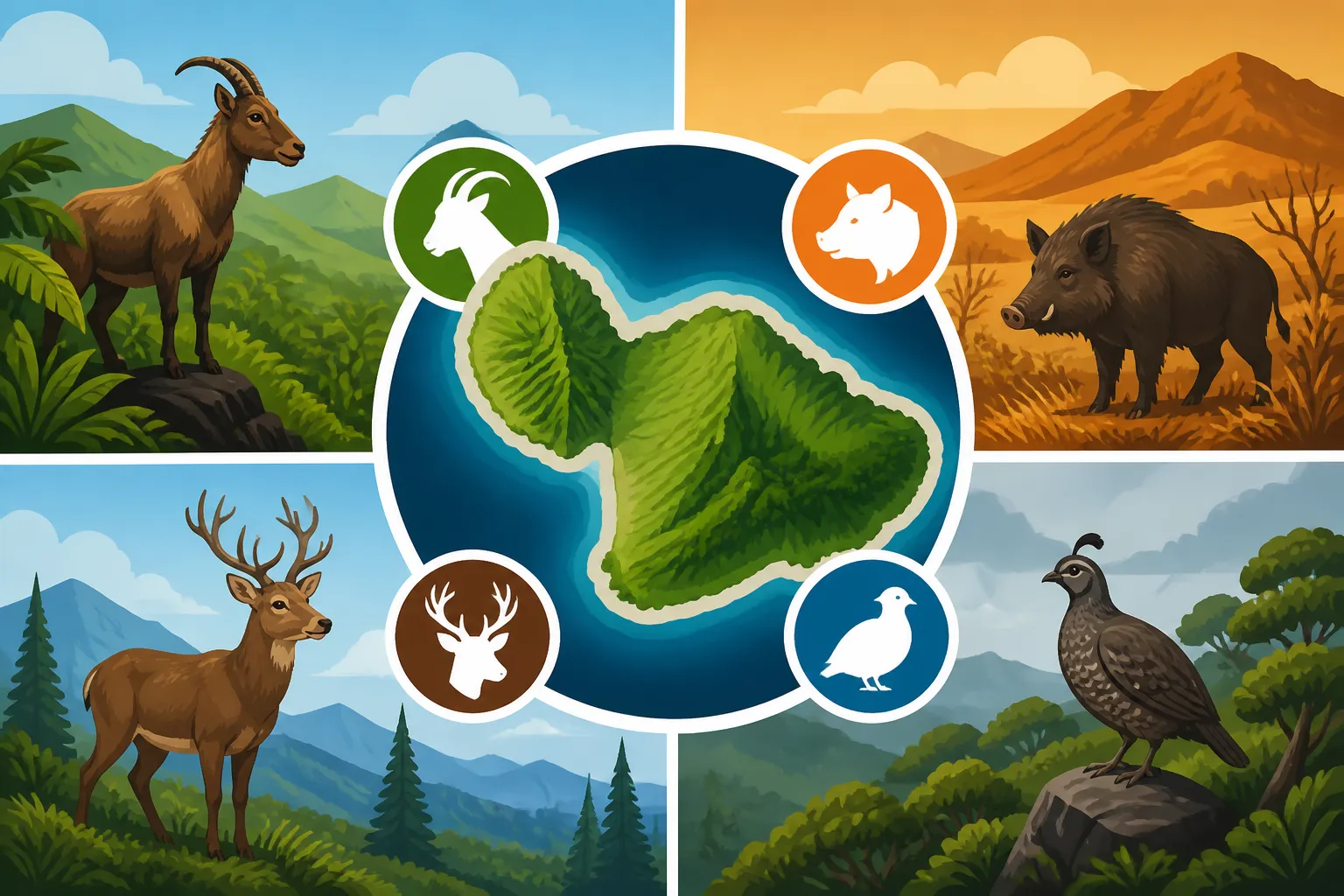
On Maui, you'll encounter a fascinating blend of hunting units that are open all year and those that operate under strict seasonal windows. This isn't arbitrary; it's a careful balancing act by the Division of Forestry and Wildlife (DOFAW) to manage game populations, minimize impact on sensitive ecosystems, and provide consistent opportunities for hunters. The year-round units, often encompassing larger tracts of land, typically target species like feral pigs and goats, which are considered highly invasive and whose populations benefit from continuous management. These areas often have more relaxed bag limits or even no limits at all, emphasizing their role in ecological control. For instance, the Kahikinui area is a prime example of a unit where you can pursue these animals pretty much any time you can draw a permit.
Conversely, seasonal units are often where you'll find prized game like Axis deer or Mouflon sheep, or in specific, more sensitive habitats. The seasons for these animals are usually tied to biological cycles, like rutting periods for deer, or to avoid conflicts with other land uses, such as nesting seasons for protected birds or fire danger periods. These units often have specific opening and closing dates, designated hunting days (like weekends and holidays), and sometimes require special drawing permits due to limited hunter quotas or sensitive habitat. Understanding this fundamental distinction is crucial for any hunter looking to fill their freezer or tag a trophy on Maui. You can often find the latest season dates and rules on the official GoHunt Hawaii portal, which is a fantastic resource for planning.
Navigating Maui's Diverse Terrain and Microclimates
Maui's topography is incredibly varied, creating a mosaic of microclimates that impact everything from animal behavior to hunter comfort. You might start your day hunting in a dry, thorny kiawe forest at low elevation, where the sun beats down relentlessly and water is scarce. Just a few hours later, you could find yourself in a cool, misty upland forest, navigating dense guava thickets and slippery, moss-covered trails. This dramatic shift in environment within a relatively small area is a hallmark of Maui hunting. The leeward slopes, like those in Kahikinui and Kanaio, tend to be much drier, characterized by open grasslands, sparse trees, and volcanic rock. Here, spot-and-stalk tactics shine, and animals will often congregate around the few available water sources, especially during dry spells.
On the windward side, or higher up on Haleakalā's slopes, you'll encounter much wetter conditions, with lush rainforests, deep gulches, and thick undergrowth. Hunting in these areas often involves still-hunting pigs in Hawaii's wet forest or using dogs to root out game. The constant humidity and frequent rain showers demand different gear – think waterproof layers and sturdy, grippy boots. These diverse conditions also affect game movement. Axis deer, for example, might gravitate to the cooler, higher elevations during the hottest months, while pigs will root relentlessly in the perpetually damp soil of the gulches. Being prepared for these rapid changes in terrain and weather is not just about comfort; it's about safety and increasing your chances of success.
Deep Dive into Maui's Year-Round Hunting Units
Maui offers several fantastic opportunities for year-round hunting, primarily focusing on managing populations of feral pigs and goats, and in some areas, Axis deer. These units are often characterized by their rugged terrain and the continuous need to control invasive species. While they offer flexibility in terms of timing, they still come with their own set of challenges, from tough access to unpredictable weather. Knowing the specific characteristics of each of these workhorse units is key to making the most of your time afield.
Kahikinui Slopes: Rugged and Rewarding
The Kahikinui area, located on the southeast slopes of Haleakalā, is a prime example of Maui's year-round hunting opportunities. This vast, rugged landscape is primarily made up of dryland forest and open grasslands, steeply sloping down towards the ocean. It's renowned for its populations of feral goats and some of the island's most challenging Axis deer. For many hunters, this is the go-to spot for Hunting Maui's Year-Round Axis Deer Units. The year-round availability is a huge draw, allowing hunters to target pigs and goats without strict seasonal limitations, though specific permit requirements still apply.
Access to Kahikinui can be tricky, often requiring a high-clearance 4×4 vehicle to navigate its network of unpaved, sometimes deeply rutted, roads. Hunters often start their day by glassing the vast, open slopes at first light, looking for herds of goats or scattered Axis deer. The terrain is physically demanding, with numerous deep gulches and kiawe thickets that can hide animals or make tracking difficult. Water is scarce in Kahikinui, so carrying ample hydration is non-negotiable. Hunting here is a true test of endurance and skill, but the rewards can be substantial, often yielding robust goats and challenging Axis deer.
Kanaio Country: Coastal to Upland Opportunities
Just to the west of Kahikinui lies Kanaio, another significant year-round hunting unit that offers a slightly different flavor of Maui's wild side. Kanaio stretches from the dry coastal areas, characterized by sharp lava flows and thorny kiawe, up into more vegetated, albeit still arid, uplands. This unit is popular for both feral goats and pigs, with some Axis deer found in its more vegetated sections. The landscape here is a raw, beautiful mix of ancient lava flows, sparse scrub, and occasional pockets of denser forest, creating a diverse set of challenges and opportunities.
Hunting in Kanaio requires careful navigation due to the sharp, uneven lava rock that can quickly chew through boots and tires. Glassing a Hawaii coastline for goats is a common tactic here, as they often cling to the steepest, most inaccessible parts of the cliffs. Pigs tend to favor the gulches and thicker vegetation where there's more shade and moisture. Because of the year-round nature, you might find fewer hunters out during the week, offering a more solitary experience. However, the heat can be intense, especially during the summer months, making early morning and late afternoon hunts the most productive. Always check with DOFAW for the specific permit requirements for Kanaio, as even year-round units require proper authorization.
Polipoli Spring State Recreation Area and Kula Forest Reserve
High up on the slopes of Haleakalā, offering a stark contrast to the dry southern coasts, are the Polipoli Spring State Recreation Area and the adjacent Kula Forest Reserve. While perhaps not as widely known for large numbers of big game as Kahikinui or Lanai, these areas offer year-round hunting for feral pigs and goats. What makes Polipoli and Kula unique is their cooler, often misty climate, and the presence of introduced tree species like eucalyptus, cypress, and pine, alongside native ōhia and koa. This provides a completely different hunting experience, more akin to temperate forest hunting than the typical tropical scrub.
Access to Polipoli is via a winding, often unpaved road that can be challenging in wet conditions, sometimes requiring 4×4. Once there, hunters find themselves in a dense forest environment, far removed from the sun-baked lower slopes. Still-hunting pigs in Hawaii's wet forest is a common method here, as the thick cover and steep ravines make glassing difficult. Pigs in these areas tend to be smaller than their lowland counterparts but are often extremely wary. Goats can be found in the more open, rocky areas on the fringes of the forest. The year-round nature of these units allows for flexibility, but the weather can be unpredictable, with fog, rain, and strong winds common, making layers and good rain gear essential. It's a great option if you're looking for a cooler hunt and a different kind of challenge.
Exploring Maui's Seasonal Hunting Units
While Maui offers ample year-round opportunities, some of its most unique and sought-after hunts are found within its seasonal units. These units often host specific game species or are part of special management zones, leading to limited windows for hunting. Understanding these seasonal variations is paramount, especially if you're targeting species like the elusive Mouflon sheep or specific Axis deer populations.
Makawao Forest Reserve: Dense Cover, Specific Seasons
Nestled on the northern slopes of Haleakalā, the Makawao Forest Reserve is a verdant, densely forested area known for its significant population of feral pigs and, to a lesser extent, goats. Unlike the year-round units, Makawao operates under specific seasonal regulations, often with designated hunting days (typically weekends and holidays). The dense canopy and thick undergrowth, dominated by towering eucalyptus and ironwood trees, make this a challenging but potentially rewarding unit for pig hunters.
Hunting here often involves Dog and Knife Pig Hunting in Hawaii, with hunters and their dogs navigating the labyrinthine trails and thick vegetation to locate and bay pigs. The pigs in Makawao are often large and aggressive, having grown wary of human presence. While the seasons are more restricted, they are designed to allow effective management while also providing a hunting experience in a relatively cooler, shadier environment compared to the dry leeward units. Before heading out, always consult the latest DOFAW regulations, which are usually updated annually and available on platforms like GoHunt. This will ensure you're aware of the precise opening and closing dates, as well as any special permits or check-in procedures specific to Makawao.
West Maui Mountains: Limited Access, Unique Hunts
The West Maui Mountains offer some of the most remote and challenging hunting on the island. This ancient volcanic range is characterized by incredibly steep ridges, deep, wet valleys, and dense, often impassable, rainforest. Hunting opportunities here are far more limited and specific, often targeting feral pigs and goats within designated seasons. Access is a major hurdle, with many areas requiring extensive hiking, or sometimes even special permission for entry through private lands or by helicopter.
These units are typically managed with very tight seasonal windows to protect sensitive ecosystems and to manage pressure on game populations that might be less accessible for year-round control. For instance, some of the deep gulches in the West Maui Mountains are prime locations for Hunting Pigs in Hawaii's Rainforest Gulches. The sheer difficulty of the terrain means that hunters venturing into these areas must be exceptionally fit, well-prepared, and experienced in backcountry navigation. While the populations might not be as dense as in more accessible units, the opportunity to hunt truly wild, unpressured animals in a pristine environment is a unique draw for adventurous hunters. Always check for specific permits and access rules, as these can change frequently due to conservation efforts or weather events.
Haleakalā's Leeward Slopes: Mouflon and Goat Draws
High up on the leeward slopes of Haleakalā, often above the main forest reserves, lies the realm of Maui's Mouflon sheep and higher-elevation goats. This area, particularly within specific game management units, is primarily accessed through a special permit-tag drawing system, often for a limited number of hunters during specific seasons. This is one of the few places on Maui where you might encounter the challenging Mouflon, a prized trophy for many hunters. The terrain is a mix of high-altitude grasslands, scattered mamane-naio forest, and barren lava fields, making for exceptionally strenuous hunting.
The seasons for Mouflon and these high-elevation goats are usually very short, often concentrated in late spring or early summer, and are managed through a lottery system due to the limited number of animals and the sensitivity of the habitat. Hunters successful in the draw are tasked with Hunting Mouflon on Hawaii's Highest Slopes, which demands physical prowess, excellent glassing skills, and patience. The thin air and exposed conditions can be brutal, with rapid changes from intense sun to chilling wind and fog. This isn't a casual hunt; it's a serious expedition for committed hunters. Due to the permit-tag system, specific dates and application deadlines are critical, and hunters should diligently follow announcements from DOFAW and monitor the GoHunt platform for updates.
Key Considerations for Hunting Maui's Units
Hunting on Maui, whether in year-round or seasonal units, involves more than just knowing where and when to go. There are crucial logistical and strategic elements that can make or break your hunt. Understanding the permit system, knowing how to check in and out, and tailoring your hunting strategy to the specific game and terrain of each unit are all vital pieces of the puzzle.
Access, Permits, and Check-In Procedures
Regardless of whether you're heading to a year-round unit like Kahikinui or a seasonal one like Makawao, the process for gaining legal access and participating in a hunt generally follows a strict protocol. First and foremost, every hunter needs a valid Hawaii Hunting Licenses and What They Cost. Beyond that, many of Maui's units require specific permits or tags for the animals you intend to harvest. This is especially true for Axis deer and Mouflon sheep, which are often managed under a limited entry, drawn hunt system, as detailed in How Hawaii's Permit-Tag System Works.
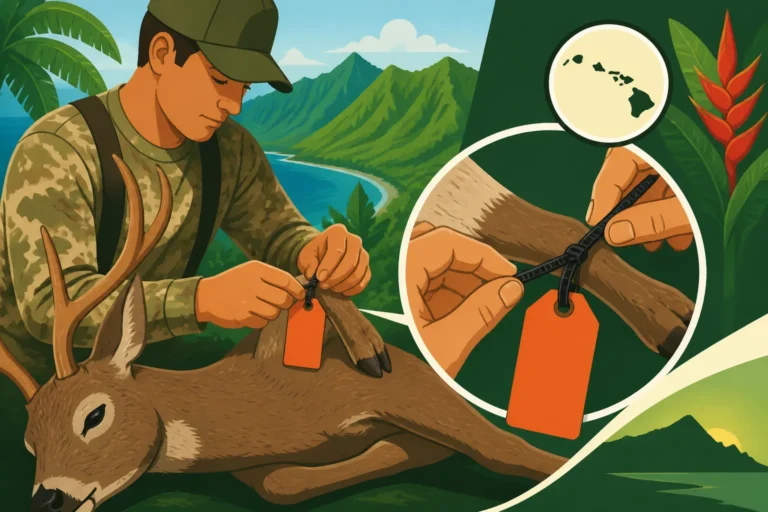
For most public hunting units, you'll also need to check in and out, either at a designated hunter check station or increasingly through an online system or mobile app like OuterSpatial. This process for Checking In and Out of Hawaii Hunting Units is not just a formality; it's crucial for safety, resource management, and tracking hunter effort and success rates. Failing to check in or out can lead to fines and loss of hunting privileges. It's always best practice to double-check the specific requirements for your chosen unit well in advance of your hunt. Some permits may need to be applied for weeks or even months ahead of time, particularly for drawn hunts.
Species-Specific Hunting Strategies by Unit
The diverse habitats across Maui's year-round and seasonal units necessitate different hunting strategies depending on the species you're pursuing. For instance, when targeting Axis Deer Hunting in Hawaii in the drier, more open units like Kahikinui, spot-and-stalk tactics are often most effective. You'll spend a lot of time glassing open hillsides and ravines at dawn and dusk, looking for herds moving between bedding areas and feeding grounds. Pay close attention to wind direction, as Axis deer have an excellent sense of smell.
Feral pigs, which are abundant in almost every unit, present a different challenge. In the dense, wet forests of Makawao or the West Maui Mountains, Still-Hunting Pigs in Hawaii's Wet Forest can be productive, moving slowly and quietly, listening for the distinctive sounds of rooting or pigs moving through thick cover. Alternatively, using dogs to locate and bay pigs is a popular and often highly effective method in these thick environments. For Hunting Hawaii's Feral Goats in units like Kanaio or Kahikinui, where they often inhabit steep, rocky terrain, patience and a good pair of binoculars are your best friends. Goats are agile and can disappear quickly into broken country, so taking a steady shot when the opportunity arises is crucial. Remember, each unit's terrain dictates the most effective approach, so scouting and understanding the local environment are key.
Planning Your Maui Hunt: Logistics and Resources
A successful hunting trip to Maui isn't just about showing up with a rifle or bow; it's about meticulous planning, from packing the right gear to knowing where to find the most up-to-date information. The unique challenges of island hunting demand a thoughtful approach, ensuring both your safety and your success.
Gear Essentials for Maui's Varied Conditions
Maui's hunting units throw a lot at you: scorching dry heat, sudden torrential downpours, sharp lava rock, dense thorny brush, and steep, slippery trails. Being unprepared can quickly turn an exciting hunt into a miserable, even dangerous, experience. Your gear choices need to reflect this extreme variability.
For footwear, invest in high-quality, sturdy hiking boots with excellent ankle support and a stiff sole. The lava fields can be brutal on soft boots. Consider waterproof options if you're venturing into wet forest areas, but prioritize breathability for the drier zones. Clothing should be layered and quick-drying. Lightweight, long-sleeved shirts and pants will protect against sun and thorns in kiawe flats, while a good rain jacket and pack cover are essential for the windward slopes or sudden showers. Don't forget a blaze orange vest or hat, as these are often mandatory in Hawaii's public hunting units. Other critical items include plenty of water (far more than you think you'll need, especially in dry units), a reliable GPS or map app (like onX Hunt), a first-aid kit, a headlamp, and a knife. For those pursuing bigger game, packing meat out of a Hawaii gulch means considering game bags and a sturdy pack frame.
| Unit Type | Primary Game Species | Terrain Characteristics | Key Gear Considerations | Permit Type | Access Difficulty |
|---|---|---|---|---|---|
| Year-Round | Pigs, Goats, Axis Deer | Dryland forest, open slopes, lava rock | Sturdy boots, ample water, sunscreen, layered clothing | General Hunt Permit | Moderate to Hard |
| Year-Round | Pigs, Goats, Axis Deer | Coastal lava flows, dry scrub, gulches | Durable boots, sun protection, hydration | General Hunt Permit | Moderate |
| Year-Round | Pigs, Goats | Cool, wet forest, introduced pines, ravines | Waterproof layers, grippy boots, bug spray | General Hunt Permit | Moderate |
| Seasonal | Pigs, Goats | Dense eucalyptus/ironwood forest, thick brush | Dog hunting gear, rain gear, navigation tools | Seasonal Hunt Permit | Moderate |
| Seasonal | Pigs, Goats | Steep rainforest, deep valleys, remote | Extreme weather gear, backcountry survival, 4×4/hike | Special Permit (Draw) | Very Hard |
| Seasonal | Mouflon, Goats | High-elevation grassland, lava, sparse forest | Warm layers, high-altitude gear, powerful optics | Drawn Permit-Tag (Draw) | Hard |
Utilizing Online Resources and Local Knowledge
In the age of information, planning a Hawaii hunt is made significantly easier by a wealth of online resources, but don't underestimate the value of local insights. The official Hawaii Department of Land and Natural Resources (DLNR) Division of Forestry and Wildlife (DOFAW) website is your absolute go-to for current regulations, season dates, and unit maps. They frequently post announcements regarding season changes, lottery results, and special hunts. However, the sheer volume of information can sometimes be overwhelming, making it hard to zero in on what you need for a specific unit.
This is where platforms like GoHunt really shine. GoHunt serves as a centralized hub, often streamlining the process of finding specific season dates, permit requirements, and even applying for licenses and drawn hunts. It's an invaluable tool for both residents and nonresidents trying to demystify Hawaii's hunting bureaucracy. Beyond official channels, joining local Hawaii hunting forums or social media groups can connect you with experienced hunters who are often willing to share their insights on unit access, animal behavior, and effective strategies. Just remember to approach these conversations with respect and an open mind. For specific Maui units, looking into Hunting Maui's Upcountry Forest Reserves or Hunting Maui's Year-Round Axis Deer Units can provide targeted information, but nothing beats actual time on the ground and gleaning wisdom from those who hunt these lands regularly.
Disclaimer
Hunting is an inherently dangerous activity. The information provided in this guide is for informational purposes only and should not replace official regulations, proper safety training, or local expert advice. Always consult the latest Hawaii Department of Land and Natural Resources (DLNR) Division of Forestry and Wildlife (DOFAW) regulations before planning any hunt. Hunters are responsible for their own safety and for adhering to all applicable laws and regulations.