Rules on Selling Wild Game Meat
It’s a common scenario for many hunters in Hawaii: you’ve had a successful day out, maybe harvested a couple of pigs or an Axis deer, and you’re looking at a freezer full of delicious wild game. The thought might cross your mind, especially with food costs these days, or if you’ve taken more meat than your family can realistically consume quickly: "Could I sell some of this to offset my hunting expenses, or just to share the bounty more widely?" Unfortunately, the rules around selling wild game meat in Hawaii are very clear, and they often lead to frustration for well-meaning hunters. This guide will walk you through the specifics of Hawaii’s regulations on selling wild game meat, explaining why these rules exist, what they mean for you, and what your options are for sharing your harvest.
The Straightforward Rule: Wild Game is For Personal Consumption
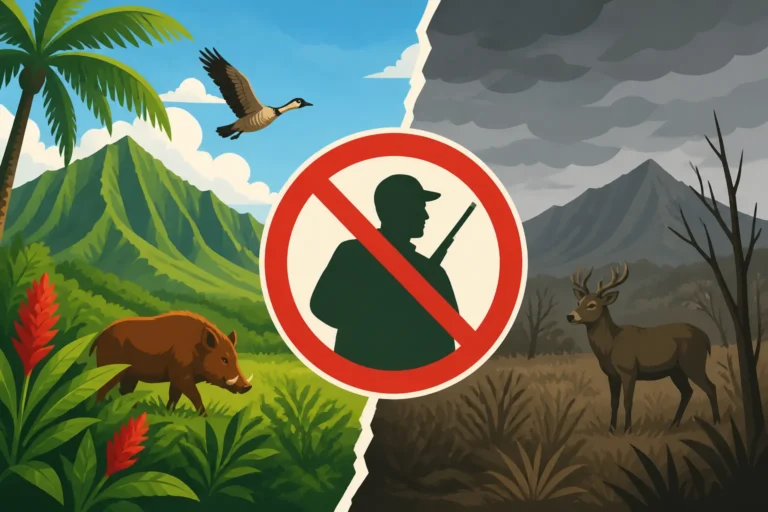
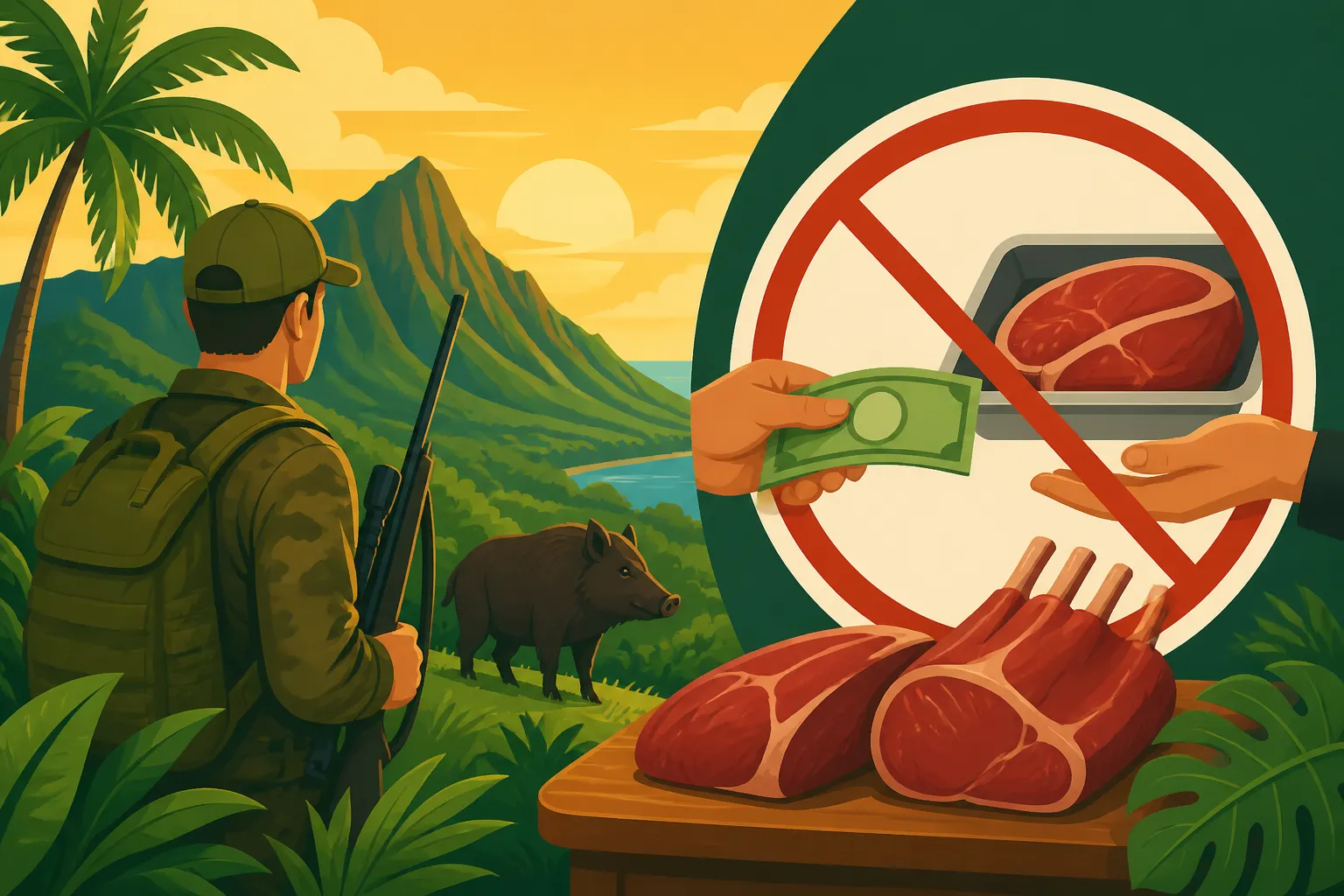
Let’s get straight to the point: in Hawaii, as in most states, it is illegal for a recreational hunter to sell any wild game meat that they have harvested. The animals you pursue with a hunting license are considered a public resource, managed by the state for recreational sport and population control, with the understanding that the meat is for personal use or shared freely, not for commercial gain. This includes everything from Axis deer and Mouflon sheep to feral pigs and game birds.
This rule isn't unique to Hawaii; it's a fundamental principle of wildlife management across the United States. The idea is to prevent commercial exploitation of wildlife populations, which could lead to overhunting and market hunting, a practice that decimated many species in past centuries. When you purchase your Hawaii hunting licenses and permits, whether through the online GoHunt system or in person, you're agreeing to abide by these regulations. These rules are in place to protect the resource, ensure fair chase, and maintain the integrity of hunting as a sport and a management tool, not a commercial enterprise.
Why This Rule Exists: Protecting Wildlife and Public Health
The prohibition against selling wild game isn't just about tradition or preventing market hunting; it's also deeply rooted in conservation and public health. When you harvest an animal in the wild, it hasn't gone through any inspections by the USDA or similar regulatory bodies that oversee commercially sold meat. There are no guarantees about the animal's health, what it consumed, or how it was processed and stored from the moment it was taken.
Consider a feral pig harvested in a remote gulch. While it might provide excellent table fare, there's no way to certify it free from parasites like Trichinella or diseases like leptospirosis, which are known concerns with wild pigs in tropical environments. The state's Division of Forestry and Wildlife (DOFAW) manages hunting seasons and bag limits to control populations and provide recreational opportunities, but they don't certify the meat for commercial sale. The responsibility for ensuring the meat is safe for consumption lies solely with the hunter and those they share it with.
For consumers, buying wild game from an unknown source poses significant risks. Without proper inspection and handling standards, there's a higher chance of foodborne illness. This is why official regulations often draw a clear line: if it's not inspected, it can't be sold. These stringent rules also apply to other game species like those pursued during Hawaii Game Bird Hunting.
What Constitutes "Selling" Wild Game?
The term "selling" might seem obvious, but it's important to understand the nuances of what the state considers a commercial transaction. Any exchange of wild game meat for money, services, or other goods is generally prohibited. This isn't just about setting up a roadside stand or supplying a restaurant. It extends to less obvious scenarios:
- Direct Monetary Exchange: The most obvious is simply selling a cut of venison or a whole pig to a friend or stranger for cash. This is a direct violation.
- Bartering: Trading game meat for other goods or services, like a mechanic fixing your truck in exchange for a half an Axis deer, could also be interpreted as a form of commercial transaction. While less common, the spirit of the law aims to prevent any indirect financial gain from wild game.
- "Guided" Hunts with Guaranteed Meat: Some unscrupulous operations might try to skirt the rules by offering a "guided hunt" where the fee is exorbitant, implying the value of the meat is part of the cost. While licensed guides operate legitimate businesses for their services, the meat from such a hunt is still legally the property of the hunter who harvested it, and cannot be resold by the guide or hunter. For more on these services, you can explore resources like Hunting Guides and Outfitters in Hawaii.
- Processing Fees vs. Meat Sales: A legitimate game processor charges for their service of cutting and wrapping your meat. They are not selling you game meat. If a processor were to sell cuts of uninspected wild game, that would be illegal.
It's important to remember that ignorance of the law is not a defense. If you're ever in doubt, err on the side of caution and assume that any exchange involving compensation for wild game meat is prohibited. The penalties for violating these regulations can range from hefty fines to the loss of your hunting privileges, and even confiscation of equipment.
Exceptions and Alternatives for Sharing Your Harvest
While selling wild game is a definite no-go for individual hunters, there are legitimate ways to ensure your harvest doesn't go to waste and can benefit others.
Donating Meat to Those in Need
One of the most heartwarming alternatives to selling is donating your excess game meat. Several organizations and individuals across the islands are often willing to accept wild game donations, especially from species like Axis deer, which can yield a lot of meat. Before you donate, however, it's crucial to check with the receiving party about their specific requirements. Some may only accept whole, field-dressed carcasses, while others might take processed, frozen meat.
For example, on Maui, where Axis deer populations are robust, local communities often have networks for distributing game meat to families. Similarly, if you’ve harvested a pig on Hawaii Island, connecting with community groups can be a great way to share your bounty. This approach aligns perfectly with the spirit of hunting, which often includes sharing the harvest with family, friends, and community. It's a fantastic way to give back and ensure that the animal you ethically harvested provides sustenance for others.
Gifting Meat to Friends and Family
This is perhaps the most common and universally accepted way to share your wild game. You can freely gift your processed meat to friends, neighbors, or family members. There’s no legal issue with sharing your venison roasts or ground pork with loved ones. In fact, many hunters cherish the opportunity to share their harvest, introducing others to the taste of natural, free-range meat.
When gifting, it's a good practice to ensure the meat is properly cared for from field to freezer. This includes proper field dressing Axis Deer in Hawaii Heat, rapid cooling of the carcass, and professional processing. The better the care, the more appreciated the gift. This is particularly important in Hawaii’s warm climate, where spoilage can happen quickly if not handled correctly. Learning about Field Care in Hawaii's Heat and Humidity is vital for any successful hunter.
Commercial Operations and Special Circumstances
It's worth noting that while individual recreational hunters cannot sell their wild game, there are specific, highly regulated instances where wild game can enter commercial channels in Hawaii. These are typically not initiated by individual hunters but by government-approved programs or commercial outfits that operate under strict guidelines.
For instance, certain feral animal control programs, often conducted by agencies or licensed contractors, might result in harvested animals. If these programs operate under specific permits that include meat processing for commercial sale (e.g., to restaurants or markets), they would be subject to rigorous health and safety inspections, vastly different from a hunter taking an animal on a public land hunt. These programs are often designed to mitigate ecological damage from invasive species, and if a commercial outlet for the meat can be safely established, it can add another layer of resource utilization. However, this is a distinct and separate process from a recreational hunter attempting to sell their own harvest. You can learn more about general regulations in Hawaii Hunting Licenses and What They Cost.
Another example might involve private landowners who manage their own herds and operate as permitted game farms or hunting preserves. In such cases, the animals are often considered livestock rather than wild game, and their meat can be sold commercially if they comply with all agricultural and food safety regulations. But again, this is a specialized operation, not applicable to the typical public land hunter.
Table: Comparison of Game Meat Disposition Methods for Hunters in Hawaii
| Method | Legality for Recreational Hunter | Key Considerations |
|---|---|---|
| Selling for Money | Illegal | Prohibited under Hawaii wildlife laws. Risk of fines, license revocation, confiscation. |
| Bartering for Goods/Services | Illegal | Generally considered an illegal commercial transaction. Avoid any exchange for value. |
| Gifting to Friends/Family | Legal & Encouraged | Permitted as long as no monetary or commercial exchange is involved. Ensure proper care. |
| Donating to Charities/Community | Legal & Encouraged | Check with recipient for specific requirements. Great way to utilize excess meat. |
| Commercial Sale (Specialized Operations) | Illegal for Individuals | Only legal for government-approved control programs or licensed game farms under strict inspection. |
When you're planning your hunt, whether it's for Hunting Hawaii's Feral Pigs or Axis Deer, Hawaii's Signature Big Game, always keep the end use of the meat in mind. Understanding these rules is an essential part of responsible hunting in Hawaii.
Processing Your Own Game Versus Professional Services
Many hunters choose to process their own game meat, especially for smaller animals or if they have the necessary equipment and skills. This is perfectly legal and allows you to control the cuts and packaging to your exact preferences. However, even if you process your own meat, the rule against selling it still applies. The act of processing doesn't change the origin or legal status of the wild game.
For larger animals like Axis deer or Mouflon sheep, or if you simply lack the time or facilities, professional game processors are an invaluable resource. They are licensed businesses that provide a service: butchering, packaging, and freezing your harvested animal. They do not buy the game meat from you, nor do they sell uninspected wild game meat to the public. Their service charges are for labor and materials, not for the meat itself.
Choosing a reputable processor is critical, especially given Hawaii's warm climate. They should have proper refrigeration, hygiene standards, and experience with various game species. A good processor can help you maximize your yield and ensure the meat is safely prepared for your freezer. If you're hunting on Maui, for example, there are several processing options available that understand the nuances of handling Axis deer meat specifically.
The Broader Context of Hawaii Hunting Regulations
Understanding the rules on selling game meat is just one piece of the puzzle when it comes to hunting in Hawaii. The state's Department of Land and Natural Resources (DLNR), specifically DOFAW, manages a complex system of regulations to balance conservation needs with recreational opportunities. These regulations cover everything from obtaining Hawaii Hunting Licenses and What They Cost to specific Hawaii Game Mammal Seasons and Hawaii's Hunting Units and How They Work.
All these rules are designed to ensure sustainable hunting practices and protect the unique ecosystems of the islands. While it might seem restrictive at times, these regulations are critical for managing populations of introduced species like Axis deer, feral pigs, and goats, which can have significant impacts on native flora and fauna. By adhering to these rules, hunters play a vital role in Hawaii's conservation efforts. When you check in and out of a hunting unit, for instance, you're contributing to data collection that helps DOFAW make informed decisions about future seasons and bag limits. The GoHunt system makes it easier for hunters to navigate these requirements and stay informed about current regulations.
Final Thoughts for Responsible Hawaii Hunters
The desire to make the most of your harvest, whether by selling it or finding other uses, is completely understandable. However, when it comes to wild game meat in Hawaii, the law is clear: it’s for personal consumption and sharing, not for sale. This rule protects both the wildlife resource and public health, reinforcing the ethical framework of hunting.
Instead of seeking commercial avenues, focus on celebrating your harvest by sharing it with friends and family, or by donating to those in need. These actions honor the animal and contribute positively to your community. Always prioritize proper field care and processing to ensure the highest quality of meat, whether it's for your own table or for others. Stay informed, hunt ethically, and enjoy the unique opportunities that hunting in Hawaii provides.
Disclaimer
This article is intended for informational purposes only and does not constitute legal advice. Hunting regulations in Hawaii are subject to change, and it is the hunter's responsibility to consult the most current Hawaii Administrative Rules (HAR) and actively communicate with the Department of Land and Natural Resources (DLNR) Division of Forestry and Wildlife (DOFAW) for the latest and most accurate information regarding hunting laws, seasons, and permitting requirements.