Hawaii Hunter Education for Residents
It’s easy to feel overwhelmed when you first decide to get into hunting here in Hawaii. The islands have their own set of rules, unique terrain, and a system that can feel a bit like a maze if you don't know where to start. This comprehensive guide is specifically designed for Hawaii residents looking to fulfill their hunter education requirements, breaking down every step so you can confidently head towards your first legal hunt.
The Indispensable Role of Hunter Education for Hawaii Residents
Thinking about hunting in Hawaii? It's not just about grabbing a rifle or a bow and heading into the wilderness. Here on the islands, hunter education isn't just a good idea; it's the bedrock of responsible participation in a cherished local tradition and a vital legal step. For us kama'aina, understanding the specific nuances of hunting in this unique environment is absolutely crucial, not just for safety but for the health of our precious ecosystems.
Why Certification is a Non-Negotiable Step
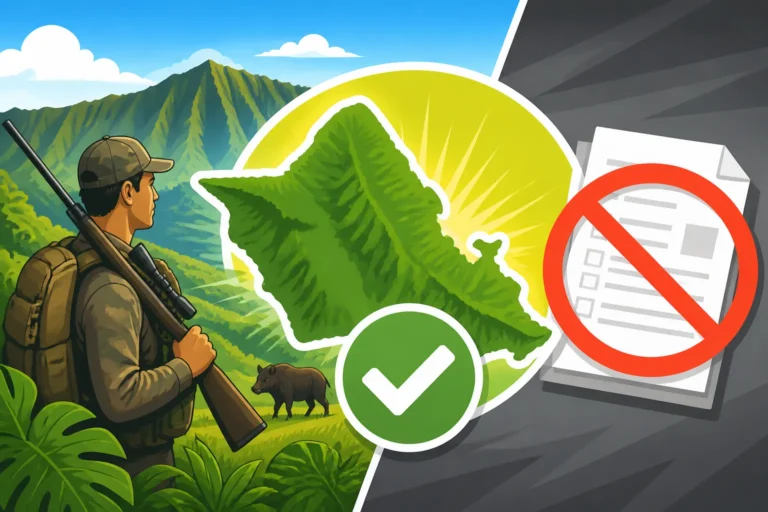
Let's be clear from the get-go: if you're a Hawaii resident and you want to hunt game mammals or birds in our state, you absolutely need to pass a hunter education course. There's no way around it. This isn't just some bureaucratic hurdle; it's a foundational requirement set by the Department of Land and Natural Resources (DLNR), specifically its Division of Forestry and Wildlife (DOFAW). They're the folks in charge of managing our public hunting lands and wildlife. Without that hunter education card, you simply won't be able to purchase a Hawaii hunting license, let alone any of the necessary permit-tags for specific species or drawn hunts. It’s like needing a driver's license before you can buy a car and hit the road – you need to prove you understand the rules and responsibilities first. This applies whether you're planning on chasing feral pigs in a dense rainforest gulch or spotting Axis deer on a dry, open ridgeline.
Tailored Training for Hawaii's Unique Ecosystems and Wildlife
What makes Hawaii's hunter education so important, beyond the legal aspect, is how it specifically addresses our island environment. This isn't a one-size-fits-all national curriculum; it's geared towards the distinct challenges and responsibilities of hunting in a place as ecologically fragile and unique as Hawaii. You'll learn about the delicate balance of our native forests and why managing introduced species like feral pigs and goats is so critical for their survival. We don't have bears or moose; our concerns are often about preventing erosion caused by ungulates, protecting rare native plants, or understanding the unique behaviors of game like Mouflon sheep on a lava flow. The course covers wildlife identification, focusing on the game animals you'll actually encounter here – Axis deer, feral pigs, Mouflon sheep, feral goats, and our various game bird species. It also touches upon how these introduced species have impacted Hawaii's environment, giving hunters a deeper appreciation for their role in conservation.
Fostering a Culture of Safety and Responsibility in the Islands
More than just rules, hunter education cultivates a culture of safety and responsibility. Think about it: hunting often involves firearms, sharp tools, and rugged, unpredictable terrain. Our islands are famous for their steep gulches, dense thickets, and rapidly changing weather, which can all amplify the risks. The course drills down on firearm safety rules – how to handle a weapon safely, store it properly, and prevent accidental discharges. But it goes beyond that, covering essential skills like proper blaze orange requirements, which are crucial for visibility, and how to safely navigate varied landscapes. It also instills ethical considerations, like respecting private property boundaries, understanding bag limits, and ensuring humane harvesting. This isn't just about protecting yourself and others; it's about honoring the animals we pursue and preserving the privilege of hunting for future generations in a respectful manner.
Navigating Your Path to Certification: Course Formats and Logistics
So, you're committed to getting your Hawaii hunter education. That's fantastic! Now comes the practical part: understanding the different ways you can get certified and what's involved in each. Hawaii offers options that cater to different learning styles and schedules, but there are some critical distinctions, especially when it comes to the hands-on portion.
The Traditional Classroom Experience: In-Depth Learning
For many, the traditional in-person classroom course is still the gold standard. These courses are typically offered by DOFAW or volunteer instructors at various locations across the islands, though availability can vary significantly by island and time of year. These classes usually span several days or a series of evenings, totaling around 10 to 14 hours of instruction.
What's great about the classroom setting is the direct interaction. You'll have certified instructors guiding you through the material, answering questions in real-time, and sharing their local knowledge and experiences. This can be invaluable, especially for new hunters who might have a lot of specific questions about hunting in Hawaii. You'll cover everything from map reading and compass skills to firearm handling and safe hunting practices. Often, these courses include practical demonstrations, allowing you to get a feel for different types of firearms (always unloaded, of course!) and practice safe carrying positions. The camaraderie with fellow aspiring hunters can also be a big plus, forming a network of support and future hunting partners. At the end of the classroom instruction, there will usually be a written exam and a practical field day component, where you demonstrate your safety skills with actual firearms on a shooting range.
Online Convenience with a Critical Field Day Component
In today's digital world, online hunter education courses have become a popular and flexible option for many busy residents. Providers like HUNTERcourse.com or Today's Hunter offer state-approved online curricula that you can complete at your own pace, from the comfort of your home. This is especially convenient if your schedule doesn't align with traditional classroom offerings, or if you live in a more remote area where in-person classes are less frequent.
However, there’s a crucial catch, and it’s one that often trips up new hunters: the online course alone is not enough. After you complete the online portion, you must attend and pass a mandatory in-person Field Day. This isn't just a formality; it's where you put your theoretical knowledge into practice. During the Field Day, certified instructors will assess your practical skills, including safe firearm handling, muzzle control, loading and unloading, carrying techniques, and target shooting proficiency. You'll also typically undergo a review of Hawaii's specific hunting regulations and take a final written exam. It's the physical, hands-on demonstration that proves you're ready to safely handle a firearm in the field. Without successfully completing both the online course and the Field Day, you won't receive your certification.
Essential Age Requirements and Parental Involvement for Young Hunters
Hunter education isn't just for adults; it's an incredible opportunity to introduce younger generations to responsible outdoor pursuits. In Hawaii, there are specific age guidelines to keep in mind. Generally, there's no minimum age to take the hunter education course itself. However, to receive full certification and be eligible to purchase a hunting license, you typically need to be at least 10 years old.
For our younger aspiring hunters, parental involvement is key. Children under a certain age (often 15 or 16, though it's always best to check current DOFAW regulations for the precise cutoff) must be accompanied by a licensed adult hunter during any hunt. The hunter education course for youth usually covers the same material as the adult course, but instructors are often skilled at tailoring the delivery to be engaging and understandable for younger minds. This is a fantastic way for families to connect with the outdoors together, as many parents and guardians will attend the courses alongside their children. It’s a great way to bond over shared values of self-sufficiency, respect for nature, and sustainable food sourcing.
What You'll Learn: Core Curriculum for the Hawaii Hunter
Whether you choose a traditional classroom setting or the online-plus-field-day route, the core curriculum for Hawaii's hunter education is designed to equip you with the knowledge and skills necessary to be a safe, ethical, and successful hunter in our unique island environment. It's a comprehensive program that goes far beyond just shooting practice.
Mastering Firearm and Archery Safety in Varied Terrain
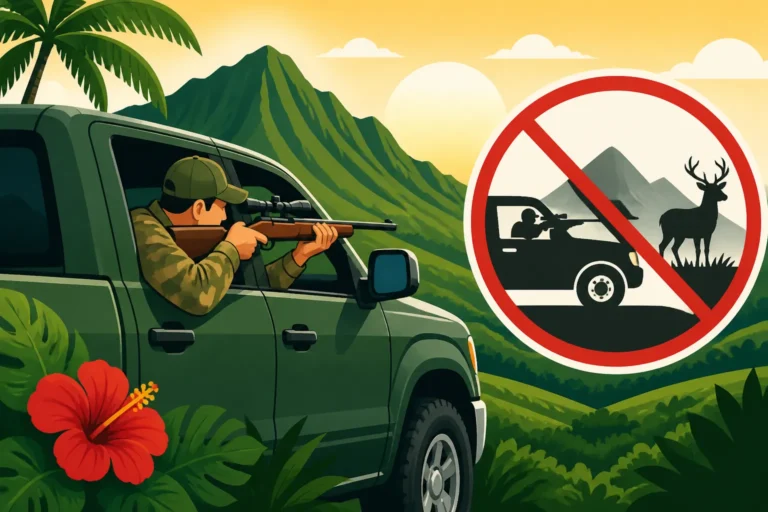
At the heart of any hunter education program is safety, and Hawaii's course is no exception. You'll learn the cardinal rules of firearm safety: always point the muzzle in a safe direction, treat every firearm as if it's loaded, be sure of your target and what's beyond it, and keep your finger off the trigger until you're ready to shoot. These aren't just suggestions; they are life-saving principles. The course also covers safe loading and unloading procedures, proper carrying techniques for different terrains (think steep lava fields or muddy, slippery forest trails), and safe handling of firearms in and out of vehicles.
For those interested in bowhunting, the course will also touch on archery safety, including proper equipment handling, safe shooting zones, and ethical shot placement. Given Hawaii's often thick vegetation and rugged landscapes, understanding how to safely navigate with your chosen weapon, whether it's a rifle, shotgun, or bow, is paramount. You'll discuss how to avoid common hunting accidents and how to respond in an emergency. Remember, safety isn't just about you; it's about everyone around you in the field. This foundation is critical for any hunter heading into units across any island, from the wet forests of Kauai to the dry slopes of Maui's Upcountry.
Deep Dive into Hawaii's Hunting Regulations and Ethics
Hawaii's hunting laws can be intricate, varying by island, unit, and even specific season. The hunter education course provides an in-depth look at these regulations, which is absolutely essential for every resident hunter. You'll learn about the different types of hunting licenses and how to obtain them, as well as the permit-tag system for specific game animals like Axis deer or Mouflon sheep. Understanding Hawaii's Hunting Units and How They Work, including specific boundaries, access rules, and season dates, is crucial.
Ethical hunting practices are heavily emphasized. This includes discussions on fair chase, avoiding waste of game meat, respecting public and private land boundaries, and understanding the role of hunting in conservation. For instance, the course delves into why certain species are hunted in Hawaii – often to manage populations of introduced animals that can harm native ecosystems. You'll learn about the importance of reporting your harvest, which helps DOFAW manage game populations effectively. This section is vital to ensure you're not just a legal hunter, but an ethical steward of Hawaii's natural resources. You’ll also learn about important rules like the prohibition against baiting game and specific requirements like blaze orange, which falls under Hawaii Blaze Orange and Safety Rules.
Practical Skills: From Game Identification to Field Dressing
Beyond safety and regulations, the course teaches practical skills that will serve you well in the field. Game identification is a big one. Knowing the difference between legal and illegal game animals, or even distinguishing between male and female animals when regulations specify, is vital. You'll learn about the different species available to hunt in Hawaii, like our various Hawaii's Game Birds and Where to Find Them, or Hawaii's Feral Pigs, Island by Island.
Another critical component is field dressing and meat care. Given Hawaii's heat and humidity, knowing how to Field Care in Hawaii's Heat and Humidity quickly and efficiently is paramount to preserving the quality of your harvest. The course covers proper techniques for gutting, skinning, and cooling meat to prevent spoilage. This is a skill that directly impacts whether you bring home high-quality venison or pork for your family. Understanding how to properly handle your harvest from the moment of the kill to the cooler is a sign of a responsible and prepared hunter.
The Certification Process: From Course Completion to Your First Hunt
You've put in the time, studied the material, and passed the tests. Congratulations! But what happens next? Getting your hunter education certification is a huge milestone, but it's just one step in becoming a legal, prepared hunter in Hawaii. Let’s break down the next crucial phases, including how to actually get your license and permit-tags.
Receiving Your Official Hunter Education Card
Once you've successfully completed both the instructional portion (online or classroom) and the mandatory Field Day, you'll be issued your official Hawaii Hunter Education Certification card. This card is your proof that you've met the state's requirements. It's a physical card, often resembling a credit card, and it's something you'll need to keep safe and accessible. While some states allow you to print a temporary certificate, always double-check if Hawaii requires the physical card for certain transactions. This card is your golden ticket to the next step, so treat it like gold! Without it, you can't proceed.
Securing Your Hawaii Resident Hunting License Through GoHunt
With your hunter education card in hand, you're finally ready to purchase your first Hawaii hunting license. For residents, this process has become much more streamlined thanks to platforms like GoHunt Hawaii, the official online licensing and permitting system.
Here's how it generally works:
- Access GoHunt Hawaii: Head to the official GoHunt Hawaii website. This is the primary portal for all your licensing needs.
- Create an Account: If you haven't already, you'll need to create a personal account. This will link your identity to your hunter education record.
- Provide Hunter Education Details: You'll input your hunter education certification number and the date of completion. GoHunt will verify this information against the state's records.
- Choose Your License: Select the appropriate Hawaii Resident Hunting License Option. There are usually annual licenses available. You might also need to purchase a Hawaii Wildlife Conservation Stamp and, if you plan to hunt birds, a Game Bird Stamp. These are often automatically added to your cart during the licensing process.
- Payment and Print: Complete the payment process. Once approved, you can usually print a temporary license immediately, with your official license mailed to you. Remember, you must carry your license with you whenever you are hunting in the field.
Using GoHunt makes the process incredibly convenient, allowing you to handle this critical step from anywhere with internet access.
Understanding Permit-Tags and Drawn Hunts for Residents
Obtaining your hunting license is a big step, but for many of Hawaii's most sought-after game animals, you'll also need specific permit-tags. This is especially true for species like Axis deer on Maui, Molokai, or Lanai, or Mouflon sheep on Hawaii Island. These tags are a critical part of How Hawaii's Permit-Tag System Works, designed to manage game populations and ensure sustainable hunting opportunities.
- Over-the-Counter Permit-Tags: For some species or units, permit-tags might be available for purchase directly through GoHunt after you have your license. These are often for feral pigs or goats in certain units where populations are robust.
- Drawn Hunts and Lotteries: This is where things get a bit more competitive. For high-demand species or limited-access areas, Hawaii utilizes a lottery system. This means you apply for a specific hunt, often months in advance, and names are drawn randomly. Examples include the popular Lanai Axis Deer hunt or certain Mouflon seasons. The hunter education course will introduce you to these concepts, and GoHunt is also the platform where you'll apply for these drawn hunts and check for results. It’s important to understand the application deadlines and potential fees involved. Always check the DOFAW website or GoHunt for the latest information on season dates and application periods.
| Requirement/Component | Description | Format Options | Key Takeaway for Residents |
|---|---|---|---|
| Legal Requirement | Mandatory for all first-time hunters in Hawaii. | N/A | No hunting license without it, no exceptions. |
| Course Content | Firearm safety, Hawaii laws, wildlife ID, ethics, field care. | Traditional Classroom, Online + Field Day | Specific to Hawaii's unique species and regulations. |
| Field Day | Mandatory practical skills assessment (shooting, handling). | In-person (required after online course) | Online is not enough; hands-on demonstration is critical. |
| Age Eligibility | No minimum age to take course; minimum 10 to certify. | N/A | Youth hunters need adult supervision in the field. |
| Certification | Official card issued upon successful completion. | Physical Card | Keep it safe; required for license purchase. |
| License Purchase | Obtain annual hunting license and stamps. | GoHunt Hawaii (online) | Your hunter education card is needed to activate your license. |
| Permit-Tags | Required for specific species/units, some by lottery. | GoHunt Hawaii (online) | Understand drawn hunt deadlines and specific unit requirements. |
Troubleshooting Your Journey: Common Hurdles and Solutions for Residents
Embarking on your hunter education journey in Hawaii can sometimes come with a few bumps in the road. From finding an available class to mastering the material, it's normal to encounter challenges. But don't worry, as a fellow island hunter, I’ve seen it all, and there are almost always ways to navigate these common hurdles.
Overcoming Limited Course Availability and Scheduling Challenges
One of the biggest frustrations for residents, especially those on smaller islands or with demanding work schedules, is the limited availability of hunter education courses. In-person classes aren't offered every week, and Field Days for online students can be infrequent and fill up fast. This can be incredibly disheartening when you're eager to get started.
- Plan Ahead, Way Ahead: My top advice? Don't wait until the last minute. As soon as you decide you want to hunt, start looking for a course. Check the DOFAW website regularly for schedules.
- Be Flexible with Your Island: If you're on Oahu, for example, and classes are scarce, consider looking at schedules on neighboring islands if inter-island travel is an option for you. Sometimes a short flight or ferry ride to another island for a weekend course or Field Day can get you certified much faster.
- Sign Up for Notifications: Many state hunter education programs, and sometimes GoHunt, offer email notification lists for new course postings. Sign up for these!
- Call DOFAW Directly: Sometimes, the most up-to-date information isn't always online immediately. A quick, friendly call to your local DOFAW office can sometimes yield information about upcoming courses or waiting lists that aren't widely advertised yet.
Preparing for the Exams and Practical Field Exercises
The thought of taking a written exam or demonstrating skills under pressure can be daunting, but with the right preparation, you'll sail through it.
- Study the Manual: Whether you're doing an online course or a classroom one, there will be a manual or study guide. Read it thoroughly, take notes, and pay attention to the sections on Hawaii-specific regulations and wildlife. Don't just skim it; internalize the information.
- Practice with Purpose: For the practical firearm handling portion, if you have access to a safe shooting range (even with an instructor and an unloaded firearm), practice the commands and movements. Get comfortable with loading, unloading, and the different carrying positions. If you don't own a firearm, many instructors will provide one for the Field Day, but it helps to at least understand the mechanics.
- Ask Questions: If something in the classroom or online material isn't clear, ask! Instructors are there to help you understand, and clarifying doubts before the exam or field exercise will boost your confidence.
- Focus on Safety Principles: Remember, the main goal is safety. During the practical exercises, instructors are looking for consistent adherence to the four cardinal rules of firearm safety. Demonstrate you understand them, even if you’re a little nervous.
Ensuring Continuous Learning Beyond Initial Certification
Getting your hunter education card isn't the end of your learning journey; it's just the beginning. The world of hunting is always evolving, from new regulations to improved techniques.
- Stay Informed: Regularly check the DOFAW website for updates on seasons, bag limits, and new Hawaii Hunting Rules That Changed This Year. Regulations can shift, and it’s your responsibility to stay current.
- Seek Mentorship: Connect with experienced local hunters. Many are more than happy to share their knowledge, help you scout a Hawaii Hunting Unit Before Opening, or teach you advanced skills like reading pig sign along a muddy trail.
- Practice, Practice, Practice: Sharpen your shooting skills at a range. Practice your stalking and observation techniques in the field (even without a weapon, just for scouting). The more you practice, the more confident and proficient you'll become.
- Expand Your Knowledge: Read up on game animal behavior, conservation efforts in Hawaii, and different hunting methods. Consider learning about Bowhunting Hawaii's Public Units or Dog and Knife Pig Hunting in Hawaii. The more you know, the more enjoyable and successful your hunts will be.
Disclaimer
Please note that hunting regulations, seasons, and requirements in Hawaii can change. This guide is intended for informational purposes only and should not be considered legal advice. Always consult the official Hawaii Department of Land and Natural Resources (DLNR) Division of Forestry and Wildlife (DOFAW) website, or contact their offices directly, for the most current and accurate information before planning any hunting activities.