Hawaii’s Watershed Partnership Lands
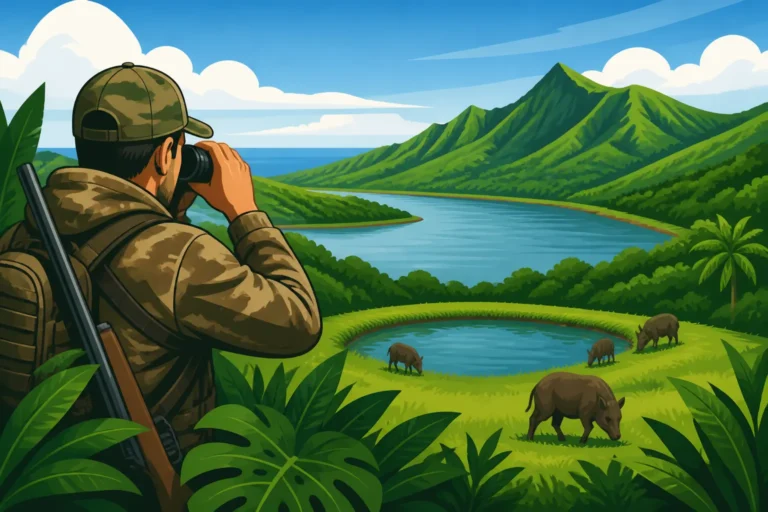
For many hunters, the idea of "Watershed Partnership Lands" in Hawaii can conjure up images of impenetrable conservation zones, leaving them wondering if these vital areas are even open for ethical hunting. It's easy to feel lost amidst the complex terminology and specific regulations that govern these unique landscapes, creating a barrier to understanding how you can responsibly pursue game while respecting their ecological importance. This guide aims to clear up that confusion, diving deep into what these partnership lands are, why they're so critical to Hawaii's health, and how you, as a hunter, can navigate their rules and contribute to their ongoing preservation.
Understanding Hawaii's Watershed Partnership Lands
Hawaii's islands are unique, fragile ecosystems, and at their heart lies the intricate network of watersheds that capture rain and supply fresh water to both people and nature. When you hear about "Watershed Partnership Lands," we're talking about vast areas, often high on the slopes of our mountains, that are managed collaboratively by multiple landowners and conservation groups. It's not just one entity, but a collective effort to protect the sources of our water.
The Partnership Model
The concept behind these partnerships is brilliant in its simplicity and profound in its impact: private landowners, state agencies like the Department of Land and Natural Resources (DLNR), federal entities, and non-profit conservation groups come together to manage a contiguous area, often spanning tens of thousands of acres. Each partner might own a piece of the land, but they agree to common management goals focused on watershed protection. This collaborative approach recognizes that water doesn't respect property lines, and effective conservation requires a unified strategy across an entire landscape. It means that efforts to control invasive species or restore native forests are far more impactful when everyone is working from the same playbook.
Goals of Watershed Protection
The primary goal of these partnerships is undeniably water security. Our islands rely on rainwater captured by our forests. Native forests, with their dense canopy and spongy undergrowth, are far more efficient at capturing mist and rain, and allowing it to slowly seep into the ground, recharging our aquifers. Invasive species, particularly feral ungulates like pigs, goats, and deer, decimate this native understory, compact the soil, and create channels for rainwater to rush off the mountains, leading to erosion, reduced groundwater recharge, and murky coastal waters. Beyond water, these partnerships also aim to protect Hawaii's unique native biodiversity. Many of our rare and endangered plants and birds call these watershed forests home, and without active management, they face an existential threat from non-native plants and animals.
Key Organizations Involved
While the specific partners can vary by island and watershed, common players you'll often see include the State of Hawaii's Department of Land and Natural Resources (DLNR), especially its Division of Forestry and Wildlife (DOFAW), which manages many of the public lands within these partnerships. Large private landowners, like Kamehameha Schools, Parker Ranch, and various sugar or pineapple land trusts, also play a huge role, often contributing significant acreage. Non-profit organizations such as The Nature Conservancy and local land trusts are frequently integral members, bringing scientific expertise, funding, and volunteer support to the table. These groups work hand-in-hand, pooling resources and knowledge to implement large-scale conservation strategies.
Why These Lands Are Crucial for Hawaii's Ecosystems
It's hard to overstate the importance of Hawaii's watershed partnership lands. They are the lungs and arteries of our islands, performing vital ecological functions that sustain life here, from the mountain peaks to the coral reefs. Hunters, in particular, have a unique role to play in supporting these crucial functions, often without even realizing it.
Water Security for the Islands
Imagine a sponge. That's essentially what a healthy native Hawaiian forest is for our rainfall. The thick leaf litter, mosses, and roots of native plants like 'ōhi'a and koa act like a giant, absorbent filter, catching every drop of rain and fog, allowing it to slowly permeate the volcanic rock and recharge our island aquifers. When invasive animals, particularly feral pigs, root through the forest floor or goats browse away the understory, they break down this natural sponge. The soil becomes exposed, compacted, and water runs off rapidly, taking precious topsoil with it, instead of sinking in. This not only reduces the amount of fresh water available for our communities and agriculture downstream but also contributes to flash flooding during heavy rains. Protecting these watersheds means protecting our very supply of potable water.
Protecting Native Flora and Fauna
These forests are also sanctuaries for Hawaii's incredibly unique native species, many of which exist nowhere else on Earth. Think about the rare forest birds that sing among the 'ōhi'a blossoms, or the delicate ferns that carpet the moist understory. These plants and animals evolved in isolation, without the presence of large browsing mammals. Feral pigs, goats, and deer introduce pressures these ecosystems are not equipped to handle. They eat native seedlings, trample sensitive plants, and open pathways for aggressive invasive weeds to take hold. For instance, pigs create wallows that become breeding grounds for mosquitoes, which then spread avian malaria, devastating native bird populations. By helping to control these invasive ungulates, hunters directly contribute to the survival of Hawaii's precious native biodiversity. Why Hawaii Fences Out Pigs and Goats is a great read on why these efforts are so vital.
Combating Invasive Species
The battle against invasive species is relentless in Hawaii, and watershed partnership lands are often on the front lines. The focus is not just on removing feral animals, but also on managing aggressive invasive plants that can outcompete native flora, change soil composition, and even alter fire regimes. Control methods can include fencing large areas to exclude ungulates, manual removal of weeds, and strategic use of herbicides. However, hunting remains one of the most cost-effective and culturally acceptable methods for ongoing control of feral pigs, goats, and deer within these areas. Every animal harvested by a hunter is one less animal impacting the delicate balance of the watershed. Hunters effectively become volunteer conservationists, their efforts directly aligning with the goals of the partnership.
| Invasive Ungulate | Primary Impact on Watersheds | Hunter's Role in Mitigation |
|---|---|---|
| Feral Pig | Roots up forest floor, spreads invasive seeds, creates wallows, transmits disease. | Reduces population, limits rooting damage, disrupts breeding cycles. |
| Feral Goat | Browses native plants, causes erosion on steep slopes, prevents forest regeneration. | Reduces population, alleviates browse pressure on native seedlings. |
| Axis Deer | Heavy browsing pressure, defoliation, competes with native herbivores. | Controls population growth, reduces habitat degradation, prevents overgrazing. |
| Mouflon Sheep | Grazing and browsing, soil compaction, competition with native species. | Manages herd size, minimizes habitat impact, supports native plant recovery. |
Hunting Opportunities and Restrictions
While the primary mission of Watershed Partnership Lands is conservation, many of these areas do offer hunting opportunities for invasive game animals. However, it’s crucial to understand that these aren't always your typical hunting units. The rules and access often reflect the delicate balance between recreation and intense conservation efforts.
Species Available for Hunting
The game animals you'll typically find and be allowed to hunt within Watershed Partnership Lands are the non-native, introduced species that cause significant damage to the ecosystem. This almost universally includes feral pigs and feral goats. On islands where they exist, axis deer and mouflon sheep are also often targeted within these areas. These species are considered detrimental to native forests and watersheds, and hunting them is actively encouraged as a management tool. The goal is not just sport, but population control to protect critical habitats. Knowing what you're hunting and why it's there is key to respecting the land. You can learn more about specific animals in articles like Hunting Hawaii's Feral Pigs or Hunting Hawaii's Feral Goats.
Specific Unit Regulations
Each Watershed Partnership Area, or specific units within it, will have its own unique set of regulations, often more stringent than general public hunting lands. This is where hunters need to pay extra attention. Rules might dictate specific hunt days (often weekend-only), weapon types (archery-only zones, muzzleloader windows, rifle seasons), and sometimes even harvest quotas or bag limits, although for invasive species, limits are often generous. There might be areas that are completely closed to hunting, designated as "exclusion zones" for active restoration projects. Always check the current regulations published by DOFAW for the specific unit you plan to hunt. A tool like onX Hunt can be incredibly useful here, often displaying unit boundaries and sometimes even specific access rules or closures right on your map, helping you avoid accidental trespass or violations.
Permit and Check-In Procedures
Accessing Watershed Partnership Lands for hunting almost always involves a permit and a check-in/check-out system. These are not always the same as the statewide hunting license requirements. You'll typically need to acquire a Hawaii hunting license first, but then may need specific unit permits, which could be free or have a nominal fee. For some high-demand areas, or specific species, there might be a drawn hunt lottery. Once you have your permits, you'll need to check in and out, either at a physical hunter check station or via a digital system like the OuterSpatial app. This system allows DOFAW to track hunter numbers, monitor harvest, and ensure everyone is accounted for, especially in remote areas. For more details on these procedures, check out Checking In and Out of Hawaii Hunting Units. Always double-check where and how to check in for your specific hunt area.
Navigating Access and Regulations
Hunting in Hawaii's Watershed Partnership Lands requires a bit more homework and preparation than simply showing up. Because these areas are managed for conservation, specific tools and an understanding of the local nuances are essential for a successful and legal hunt.
Using Digital Tools for Navigation
Forget relying solely on paper maps, though a physical backup is always a good idea. In the often dense and challenging terrain of Hawaii, digital mapping apps have become indispensable. Applications like onX Hunt are invaluable for their ability to display property lines, public land boundaries, and often, specific hunting unit overlays right on your phone or GPS device. This is particularly critical in Watershed Partnership Lands, where boundaries between public, private, and managed conservation areas can be complex and not always clearly marked on the ground. You can literally see if you're standing on an active restoration site or within an open hunting unit. Furthermore, these apps can often provide topographic maps, satellite imagery, and even track your path, helping you stay found and navigate the rugged landscape. Always download offline maps before heading out, as cell service is often non-existent in these remote areas.
Understanding Special Management Zones
Within the broader boundaries of Watershed Partnership Lands, you might encounter "Special Management Zones" or "Restricted Areas." These are typically smaller, intensely managed sections where unique conservation efforts are underway. This could be a newly fenced area to protect rare native plants, a reintroduction site for endangered birds, or a sensitive archaeological location. Hunting may be prohibited or heavily restricted in these specific zones to prevent disturbance. It's vital to identify these areas on your map and understand their rules before you enter the field. Ignoring these can lead to fines, loss of hunting privileges, and damage to critical conservation work. Always look for signage, consult official DOFAW maps, and use your digital navigation tools to pinpoint these sensitive areas.
The Role of DOFAW in Watershed Lands
The Division of Forestry and Wildlife (DOFAW) plays a central role in managing hunting within Watershed Partnership Lands. As part of the DLNR, DOFAW is responsible for setting seasons, defining legal hunting methods, issuing permits, and enforcing regulations. They are the gatekeepers of public hunting opportunities and the primary authority on what's allowed and where. When in doubt about any rule or boundary, DOFAW is your go-to resource. Their website, the GoHunt Hawaii portal, and their local offices are the official sources for current information. They also coordinate directly with the other partners in the watershed to ensure hunting activities align with the broader conservation goals. Understanding their role helps you appreciate the careful balance they strike between providing recreational opportunities and protecting Hawaii's natural resources.
Challenges and Considerations for Hunters
Hunting in Hawaii's Watershed Partnership Lands is an adventure, but it's one that comes with its own set of unique challenges. These aren't typically easy-access, drive-up hunting spots. Being prepared for the realities of these remote, ecologically sensitive areas is key to a safe and successful trip.
Rugged Terrain and Remote Access
Many Watershed Partnership Lands are found in the most inaccessible, steepest, and wettest parts of Hawaii's mountains. This means you should expect incredibly rugged terrain, often involving steep gulches, dense jungle-like vegetation, and slippery volcanic rock. Access roads, if they exist, are often unpaved, deeply rutted, and require a high-clearance 4×4 vehicle. More often, access requires extensive hiking, sometimes for miles, just to reach productive hunting grounds. This isn't a casual stroll; it's a serious physical undertaking that demands good conditioning, durable footwear, and a solid plan for getting yourself and any harvested game out. Always let someone know your plans and expected return time. Walking In to a Remote Hawaii Unit delves deeper into these realities.
Weather Patterns and Microclimates
Hawaii is famous for its diverse microclimates, and nowhere is this more apparent than in its mountain watersheds. You can start your day in sunny, dry conditions near the coast and within an hour's hike be enveloped in a cold, misty, perpetually wet rainforest. The trade winds, which are a defining feature of Hawaii's weather, create rain shadows, meaning one side of a mountain can be lush and wet while the other is arid. This can change rapidly. Always pack for all conditions: rain gear, layers for warmth, and plenty of water even if you expect rain. Sudden downpours can turn trails into slick mudslides and swell stream crossings into dangerous torrents. Knowing Reading Hawaii's Trade Wind Patterns can give you an edge in predicting these shifts.
Balancing Hunting with Conservation Goals
For many hunters, the goal is often a trophy or a full freezer. While these are certainly motivations in Watershed Partnership Lands, there's an added layer of responsibility: you are actively contributing to conservation. Every pig, goat, or deer removed from these areas directly benefits the native ecosystem. This means approaching your hunt with an understanding of its ecological purpose. For example, focusing on removing sows and young animals can have a greater long-term impact on population control. Be mindful of sensitive areas, avoid disturbing active restoration sites, and always adhere to specific rules designed to protect native flora and fauna. Your actions reflect not just on you, but on the entire hunting community and its perceived role in Hawaii's conservation efforts. It's a privilege to hunt in these special places, and with that comes a heightened sense of stewardship.
Respecting the Land and Its Purpose
Hunting in Hawaii's Watershed Partnership Lands is more than just pursuing game; it's an act of stewardship and a deep engagement with the unique cultural and ecological fabric of the islands. Approaching these lands with respect and an understanding of their significance is paramount.
Practicing Leave No Trace Principles
The "Leave No Trace" philosophy is absolutely critical when hunting in Hawaii's watersheds. Because these areas are so ecologically sensitive and often remote, every piece of trash, every damaged plant, and every improperly handled carcass has a magnified impact. This means packing out everything you pack in, and then some. Avoid disturbing natural features, stay on marked trails where applicable, and minimize your impact on vegetation. When field dressing an animal, be sure to scatter entrails away from water sources and trails to allow for natural decomposition without attracting unwanted scavengers or creating unsightly scenes for others. Your goal should be to leave the area exactly as you found it, if not better. This also includes being mindful of fire safety, especially in dry areas or during periods of drought, as wildfires can devastate these fragile ecosystems.
Cultural Sensitivity and Stewardship
Hawaii's land, or aina, holds profound cultural significance for Native Hawaiians. Many of these watershed lands encompass historical sites, traditional trails, and areas vital for gathering native plants for cultural practices. Hunters should approach these areas with a deep sense of respect for these cultural values. While most designated hunting units are not within the most sacred sites, an attitude of mālama 'āina – caring for the land – should guide your actions. This means understanding that hunting, in the Hawaiian context, has always been a way to maintain ecological balance, ensuring the health of the land and its resources for future generations. By removing invasive species, you are, in a very real sense, participating in a long tradition of stewardship that dates back centuries. Cultural Etiquette on a Hawaii Hunt offers more insights into this important aspect.
Supporting Conservation Efforts
As a hunter in these partnership lands, you are inherently supporting conservation. Beyond just harvesting animals, there are other ways to contribute. Consider volunteering with a local watershed partnership or conservation group for trail maintenance, invasive plant removal, or fence repair projects. Your hunting license and any permit fees directly contribute to the funding of wildlife management and conservation programs by DOFAW. By advocating for responsible hunting and promoting ethical practices among your peers, you strengthen the reputation of hunting as a valuable conservation tool in Hawaii. Your commitment to understanding and respecting these unique landscapes ensures that future generations will also have the opportunity to experience the challenge and reward of hunting in Hawaii's vital watershed partnership lands.
Disclaimer
This article is for general informational purposes only and does not constitute professional advice. Laws, prices and regulations vary by location and change over time. Consult a qualified professional for guidance on your specific situation.