What Big Island Ranch Hunts Offer
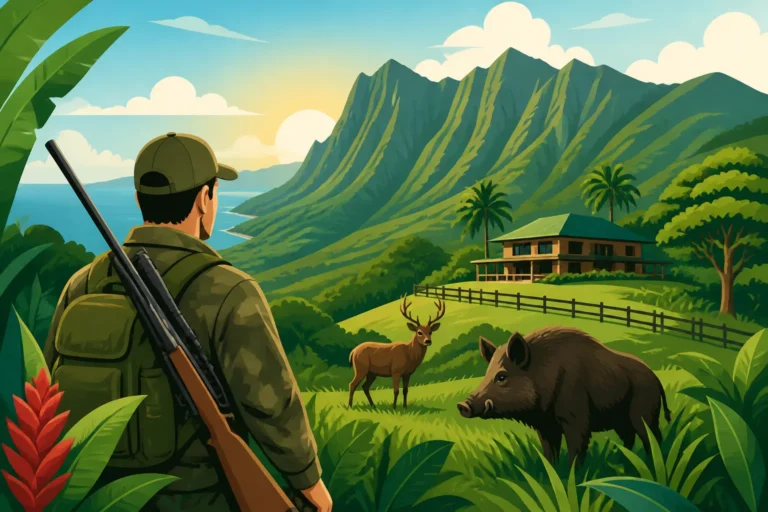
Finding consistent and accessible hunting opportunities on the Big Island can sometimes feel like chasing a mirage, especially for those unfamiliar with Hawaii's unique public land systems, lottery draws, and limited seasonal windows. While public units offer incredible experiences, many hunters find themselves searching for more predictable and diverse options. That's where the numerous private ranch hunting opportunities across the Big Island truly shine, providing a distinctly different and often more comprehensive hunting adventure. This guide aims to pull back the curtain on what these private land hunts offer, from the species you'll pursue to the unparalleled experience of hunting Hawaii's iconic landscapes with expert local guidance.
The Unique Appeal of Big Island Ranch Hunting
Hunting on private ranches on the Big Island presents a different set of advantages compared to navigating the state's public hunting units. It's not just about access; it's about the overall experience, consistency, and the sheer variety of terrain and game density you can encounter. Public lands often come with strict check-in/check-out procedures, designated weekend-only seasons, and significant hunter pressure, which can make consistent success a real challenge.
Private Land Perks vs. Public Unit Challenges
On public land, you're often competing with many other hunters for limited opportunities. Drawn hunts, specific season dates, and the sheer effort required to scout and access remote areas can be daunting. You might invest considerable time only to come up empty-handed due to high pressure or simply not being in the right place at the right time. For example, Hawaii Island Hunting Unit Seasons are often specific and non-negotiable.
Private ranches, on the other hand, offer a managed environment. Landowners and outfitters work to maintain healthy game populations, which means less competition and often higher success rates. This can translate to a more relaxed and focused hunt, where the emphasis is on the pursuit of game rather than battling crowds or worrying about specific weekend restrictions. You're typically able to hunt more flexibly, and the guides have intimate knowledge of animal movements within their expansive properties. The freedom from constant regulation-checking and the chance to simply focus on the hunt itself is a huge draw for many.
Diverse Habitats and Terrain on Ranch Lands
The Big Island is a land of incredible contrasts, and its private ranches often encompass a microcosm of this diversity. Forget the idea of a single type of landscape; these ranches can span thousands of acres, offering everything from arid, sun-baked kiawe flats to dense, wet rainforest gulches, and from rolling, open pastures to steep, rocky volcanic slopes.
Imagine starting your morning glassing across open grasslands, then transitioning to still-hunting through a thick stand of eucalyptus or navigating a deep, fern-filled gulch by afternoon. This variety means animals behave differently across the property, providing diverse hunting scenarios and challenges. A ranch hunt might take you through classic Hunting Hawaii's Dry Kiawe Forest one day, and then the next you could be tracking pigs through Hunting Hawaii's Rainforest Units. This isn't just a scenic backdrop; it directly influences game movement, feeding patterns, and where animals bed down, demanding different hunting skills and strategies throughout your trip.
Game Species Commonly Targeted on Big Island Ranches
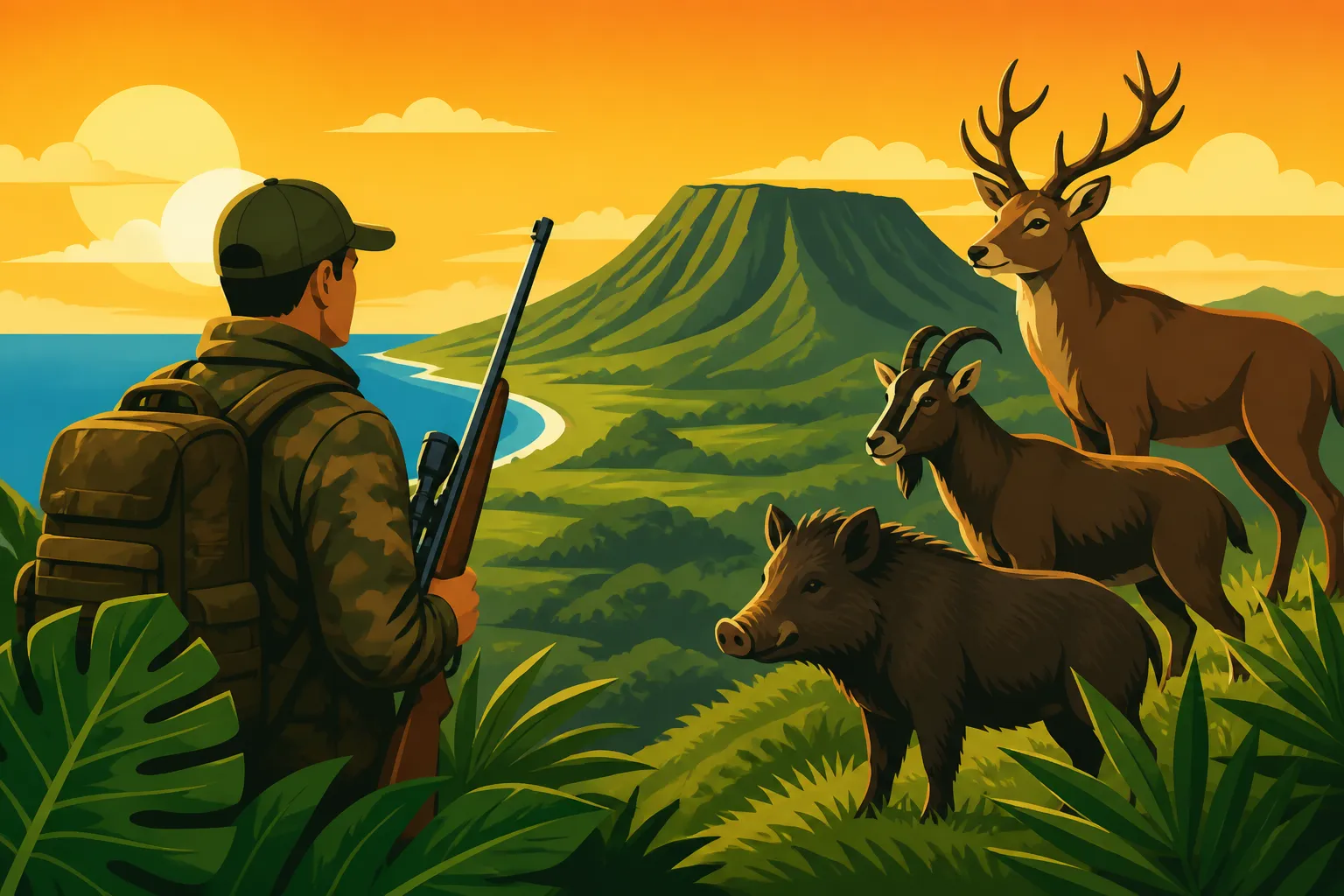
When you book a ranch hunt on the Big Island, you're primarily going to be pursuing Hawaii's famed feral animals – a hunt that is both exciting and contributes to ecological management. While some public units on the Big Island offer mouflon sheep draws, private ranches are typically focused on the more widespread and ecologically impactful populations of feral pigs and goats. These animals are abundant, challenging to hunt, and provide excellent table fare.
Feral Pigs: The Big Island Staple
Feral pigs are arguably the most iconic and sought-after game animal across all of Hawaii, and the Big Island is no exception. These are not your docile farm animals; we're talking about tough, intelligent, and often surprisingly large animals that thrive in a wide range of habitats. On Big Island ranches, you'll find them rooting through everything from dense wet forest to the edges of cultivated fields, always in search of food. They are considered an invasive species and pose significant threats to Hawaii's native ecosystems, making hunting them a vital part of conservation efforts.
Hunting Hawaii's Feral Pigs on a ranch offers consistent opportunities. Guides often have a detailed understanding of where specific sounders (groups of pigs) prefer to feed and bed, especially after rain or during certain times of the year when specific fruits or roots are ripe. You might stalk through thick jungle, trying to intercept them as they move, or even engage in the thrilling tradition of dog hunting if the ranch and guide offer it. The rush of hearing the dogs bay a pig in a dense thicket is an unforgettable experience. Knowing What a Hawaii Feral Boar Weighs will give you an idea of the challenge you're in for.
Nimble Goats on Steep Terrain
Feral goats are another prevalent and exciting species on Big Island ranches. These hardy animals are masters of navigating steep, rocky, and often seemingly inaccessible terrain. They are often found on the drier, leeward sides of the island, clinging to cliff faces or grazing on sparse vegetation on volcanic slopes. Their agility and keen senses make them a formidable target, demanding careful stalking and accurate shooting.
Many Big Island ranches, particularly those with significant elevation changes or coastal access, hold robust populations of feral goats. Hunting Hawaii's Feral Goats often involves a lot of glassing from vantage points, patiently searching for movement against the rugged backdrop. Once spotted, the stalk can be incredibly challenging, requiring hunters to navigate loose scree, steep pitches, and thick brush while trying to stay out of sight and downwind. The reward of reaching a mature billy with impressive horns after a strenuous climb is immense. Knowing What a Hawaii Feral Goat Weighs can also help manage expectations for meat packing.
Other Feral Ungulates: Occasional Finds
While pigs and goats are the primary focus, some Big Island ranches, particularly those bordering larger forest reserves or game management areas, might occasionally offer opportunities for other feral ungulates, such as feral sheep. These are distinct from the mouflon sheep typically found higher up on Mauna Kea and Mauna Loa. Feral sheep are generally smaller and might be found in mixed herds with goats. They present a similar challenge in terms of their wary nature and preference for broken, rugged country. Always clarify with your outfitter what specific species are available on their particular ranch and what the associated tags or fees might be.
What a Big Island Guided Ranch Hunt Entails
Booking a guided ranch hunt on the Big Island means stepping into an experience crafted by local experts who live and breathe the land. It’s a chance to benefit from generations of knowledge, ensuring not just a higher chance of success, but also a safer and more enriching adventure. This isn't just someone pointing you in a direction; it's a deep dive into Hawaii's hunting culture and terrain.
Guided vs. Semi-Guided Experiences
On the Big Island, most private ranch hunts are fully guided. This means your professional guide is with you every step of the way, from the moment you leave the truck until your animal is packed out. They handle the navigation, track game, assess trophy quality, and ensure your safety in unfamiliar and often challenging terrain. This level of service is invaluable, especially for hunters new to Hawaii or those looking to maximize their limited time.
Some ranches might offer "semi-guided" options, though these are less common for big game on the Big Island. A semi-guided hunt might involve the guide getting you to a prime hunting area, outlining the boundaries, giving you a general strategy, and then leaving you to hunt independently, meeting up at a pre-arranged time or when you call for assistance with a downed animal. This can be a more budget-friendly option, but it requires hunters to have a higher level of experience and confidence in tracking and navigating on their own in rugged country. Always clarify the exact scope of guidance before booking.
Common Hunting Methods
Big Island ranch hunts typically employ a few core methods, tailored to the species and the specific terrain of the property:
- Spot-and-Stalk: This is perhaps the most common method, especially for goats and pigs in more open or broken country. It involves using optics to locate animals from a distance, then carefully planning and executing a stalk to get within shooting range. This requires patience, good glassing skills, and the ability to move silently through varied terrain, often under the constant challenge of Hawaii's shifting thermals.
- Still-Hunting: In denser vegetation, such as deep gulches, guava thickets, or eucalyptus forests, guides will often lead hunters on slow, deliberate still-hunts. This involves moving incredibly slowly, pausing frequently to listen and scan for movement, and utilizing cover to break up your silhouette. It's a method that demands extreme stealth and sharp senses, as animals can appear silently and disappear just as quickly. You'll often be Still-Hunting a Guava Thicket for Pigs in this way.
- Dog Hunting (for Pigs): For feral pigs, especially in thick cover, dog hunting is a traditional and highly effective method. This typically involves a team of tracking dogs (often called "bay dogs") that locate and corner a pig, holding it at bay with their barking until the hunter and "catch dog" can arrive. The catch dog then helps subdue the pig, allowing the hunter to dispatch it with a knife or spear, following local customs and safety protocols. Pig Hunting With Dogs in Hawaii is a unique and adrenaline-pumping experience, but not all ranches or guides offer it, so inquire specifically if this is your interest.
The Role of Your Professional Guide
Your guide on a Big Island ranch hunt is more than just a companion; they are your key to success and safety. These individuals possess an incredible depth of local knowledge, having spent countless hours scouting and hunting their specific ranch properties. They understand:
- Animal Behavior: When and where pigs are rooting, what goats are feeding on, and how different weather patterns influence movement.
- Terrain Navigation: They know the safest routes, the hidden gulches, and the subtle trails that animals use, ensuring you don't get lost or encounter unexpected hazards. Navigating a Hunting a Hawaii Gulch System is second nature to them.
- Tracking Skills: Their ability to read fresh sign, interpret tracks, and follow a blood trail is often uncanny.
- Safety: They carry first-aid kits, communicate regularly, and know how to react in an emergency, which is crucial when hunting No Cell Signal on a Hawaii Hunt areas.
- Meat Care: They'll assist with field dressing your animal immediately after the kill, which is paramount in Hawaii's heat and humidity. Field Dressing Axis Deer in Hawaii Heat principles apply broadly to all large game here.
- Local Culture: They often share stories, explain local traditions, and provide insights into the island's unique history and conservation challenges.
Their expertise not only increases your chances of success but also transforms the hunt into a richer, more meaningful cultural and educational experience.
Planning Your Big Island Ranch Hunting Trip
Embarking on a Big Island ranch hunt requires thoughtful planning, from understanding the financial commitment to ensuring you have the right gear for Hawaii's diverse and often challenging conditions. It’s an investment in an unforgettable adventure.
Booking and What to Expect for Cost
Private ranch hunts in Hawaii, especially on the Big Island, are typically booked directly with the outfitter or through reputable booking agents. You can often find listings on platforms like BookYourHunt, which aggregates various guided hunt opportunities. The costs for these hunts can vary widely based on several factors:
- Species: Pig hunts might be priced differently than goat hunts.
- Duration: Day hunts are common, but multi-day packages are also available, often including lodging.
- Inclusions: Whether the price covers a specific number of animals, meals, lodging, weapon rental, or just the guide service.
- Trophy vs. Meat Hunt: Some outfitters might have different rates for a specific trophy animal versus a general meat animal.
It's important to understand that private land access and professional guiding services come with a premium. While specific prices aren't discussed here, expect costs to reflect the exclusive access, expert guidance, and the intensive logistics involved in running a quality operation in Hawaii. Always get a detailed breakdown of what's included and what's not before committing. When researching, make sure to check the outfitter's cancellation policies and deposit requirements. Many hunters also use resources like GoHunt to research potential outfits and understand the landscape of guided hunting options available. This helps ensure you're making an informed decision about your investment. For context, What a Guided Pig Hunt Costs and Goat Hunt Pricing on Private Ranches can give you an idea of the market.
| Feature | Guided Ranch Hunt (Big Island) | Public Land Hunt (Big Island) |
|---|---|---|
| Access | Exclusive private land | Designated state lands, often remote |
| Hunter Pressure | Low, controlled | Can be high, especially on opening weekends |
| Season Dates | More flexible, often year-round for pigs/goats | Strict, fixed seasons and specific unit openings |
| Guide | Included (or optional for semi-guided) | Self-guided, no guides allowed on public land draws |
| Species Focus | Feral Pigs, Feral Goats, Feral Sheep | Feral Pigs, Feral Goats, Mouflon Sheep (draw) |
| Success Rate | Generally higher, managed populations | Varies widely, depends on skill and luck |
| Cost | Fee-based, covers guide/access | License & tag fees, no guide fees |
| Terrain | Diverse, specific to ranch property | Diverse, specific to unit boundaries |
Essential Gear and Preparations
Hawaii's environment is unique, and your gear choices need to reflect that. While your outfitter will provide specific recommendations, here are some general guidelines:
- Footwear: Sturdy, broken-in hiking boots with good ankle support are crucial for navigating uneven, rocky, or muddy terrain. Waterproofing is a huge plus, especially if you're hunting in wet areas. Remember, you might be Walking Rough Lava Without Wrecking Your Boots.
- Clothing: Layering is key. Even on warm days, mornings can be cool, and higher elevations can be breezy. Lightweight, breathable, moisture-wicking materials are your best friend. Camouflage is generally useful, but earth tones work well. Don't forget rain gear; even if it's sunny, pop-up showers are common, especially on the windward side.
- Hydration: Always carry more water than you think you'll need. Dehydration can creep up quickly in Hawaii's humidity and sun. A good hydration pack or multiple water bottles are essential. Water and Heat Planning for a Hawaii Hunt is critical.
- Sun Protection: A wide-brimmed hat, sunglasses, and high-SPF sunscreen are non-negotiable. The tropical sun is intense.
- Optics: Good binoculars are vital for spotting game on distant slopes or through dense vegetation. Your guide will likely have a spotting scope, but personal binoculars are highly recommended.
- Weapon: If you're bringing your own rifle, ensure it meets Hawaii's Legal Rifle Calibers for Big Game requirements and that you're familiar with regulations for Registering a Firearm After Arriving in Hawaii. Many outfitters offer rifle rentals, which can simplify travel logistics, especially for non-residents.
- Backpack: A comfortable daypack for carrying water, snacks, extra layers, and small personal items. You'll also want some space for field dressing supplies if not provided by the guide.
Physical fitness is another often-overlooked aspect. Big Island hunting can be physically demanding, involving significant walking, climbing steep grades, and navigating rough terrain. Start a fitness regimen well in advance to ensure you can fully enjoy the hunt without being limited by your physical condition.
Handling Your Harvest
Once an animal is on the ground, the work isn't over. In Hawaii's warm climate, quick and efficient meat care is paramount to prevent spoilage. Your guide will typically assist with field dressing immediately.
- Field Dressing: The guide will help you gut the animal to cool the carcass rapidly.
- Cooling: If not heading straight back to a cooler, strategies like hanging the carcass in the shade, quartering it, or packing it in game bags to allow airflow are crucial.
- Processing: Many outfitters have arrangements with local processors or can recommend services. You’ll want to discuss this in advance, especially if you plan to Shipping Meat Home From Hawaii or Flying Home With Game Meat From Hawaii. There are strict agricultural regulations regarding interstate and inter-island transport of meat.
- Trophy Prep: If you're interested in taxidermy, discuss caping and horn removal with your guide beforehand. They can ensure it's done correctly for a potential mount. Shipping trophies can be complex, so investigate Getting a Cape and Horns Shipped Home well in advance.
A Big Island ranch hunt offers a fantastic blend of challenge, natural beauty, and the opportunity to contribute to local conservation efforts by targeting invasive species. With proper planning and the guidance of experienced professionals, it promises to be an unforgettable adventure.
Disclaimer
This article is for general informational purposes only and does not constitute professional advice. Laws, prices and regulations vary by location and change over time. Consult a qualified professional for guidance on your specific situation.