Goat Hunt Pricing on Private Ranches
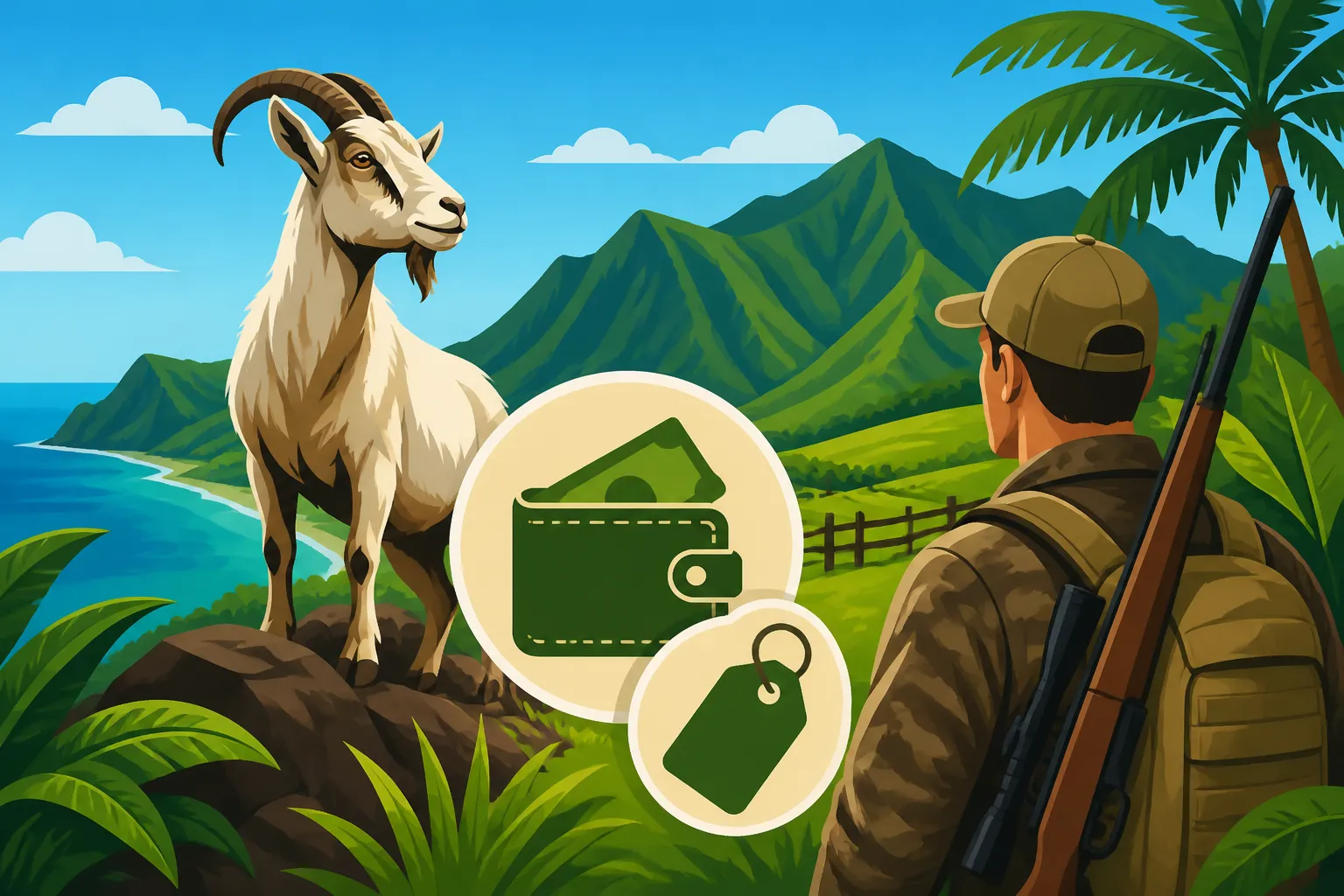
Hunting feral goats on Hawaii's private ranches can feel like a labyrinth of possibilities, each with its own set of expectations and, more importantly, a price tag that can be a real head-scratcher for anyone not accustomed to the unique dynamics of island hunting. It's not just about the animal; it's about access, the land itself, and the level of service you're looking for. This guide will help you unpack the pricing structures for goat hunts on private ranches across the Hawaiian islands, so you can navigate the options and find a hunt that aligns with your budget and desires.
Understanding the Dynamics of Private Ranch Goat Hunts
When you consider hunting goats in Hawaii, the phrase "private ranch" often conjures images of vast, open spaces, well-managed herds, and a more predictable hunting experience compared to public lands. This isn't entirely wrong, but it's important to understand why these hunts command a different price point and what makes them a distinct category in the Hawaiian hunting landscape. Unlike the sometimes unpredictable lottery system or the challenging terrain and limited access of many public units, private ranches offer a level of consistency and convenience that many hunters, especially those traveling from afar, highly value.
The Appeal of Private Land Access
One of the biggest draws of private ranch hunts is simply guaranteed access. On many Hawaiian islands, prime goat habitat exists on private property, often managed by large cattle ranches or conservation-focused landowners. Gaining permission to hunt these areas independently can be extremely difficult, if not impossible, for the average hunter. These ranches have invested heavily in land management, road systems, and sometimes even game management to ensure a healthy population of goats. When you pay for a private hunt, you're essentially buying a seat at the table, bypassing the uncertainty of public draws and the competition often found on public hunting days. It's a premium for exclusivity and reliability.
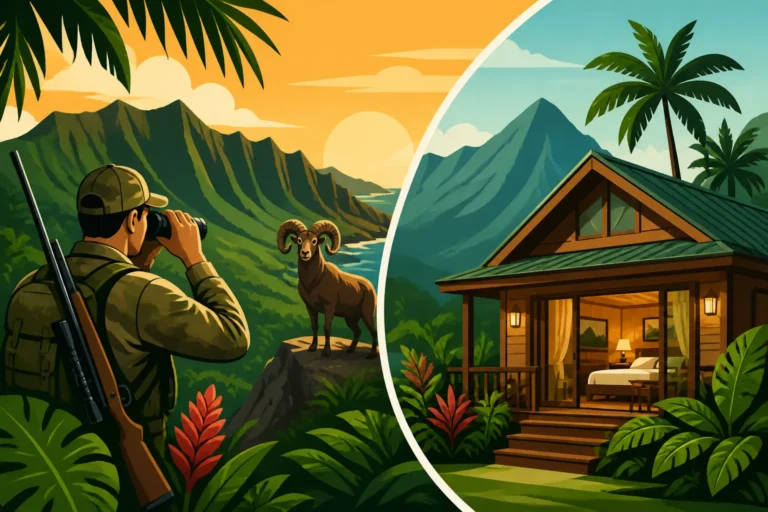
Moreover, private ranches often have better infrastructure. Imagine trekking miles into a remote public gulch versus driving right to a prime glassing spot on a well-maintained ranch road. While the ruggedness of public land has its own appeal, the practicalities of a private ranch hunt—like easier game retrieval or closer proximity to amenities—can significantly enhance the overall experience, particularly for hunters with physical limitations or those short on time. This convenience factors directly into the overall cost.
Contrasting with Public Land Opportunities
Public land goat hunting in Hawaii, while accessible with a valid hunting license and often a permit-tag, presents its own set of challenges that starkly contrast with private ranch options. On public lands, you might face stiff competition, limited season dates, and terrain that ranges from steep, unforgiving lava flows to dense, wet forests. Success is hard-earned and often requires extensive scouting, physical endurance, and a deep understanding of local animal behavior and regulations. For instance, chasing goats through some of the coastal cliffs on Oahu or Maui can be an incredibly demanding endeavor.
While the "cost" of a public land hunt might appear lower initially (just license and tag fees), the hidden costs can add up. Think about the time off work for multiple scouting trips, the wear and tear on your vehicle, the specialized gear needed for remote packing, and the sheer effort expended for potentially no reward. Private ranches often bundle many of these elements into their pricing, simplifying the logistics significantly. They provide the knowledge, the access, and often the equipment to make your hunt efficient, allowing you to focus on the hunt itself rather than the intricate planning involved in a self-guided public land expedition. This isn't to say one is better than the other, but they cater to very different hunting philosophies and budgets. You can read more about Getting Onto Hawaii Private Land if you're curious about options beyond guides.
Factors That Influence Goat Hunt Pricing
The price you'll pay for a private ranch goat hunt in Hawaii isn't a fixed number; it's a dynamic equation influenced by several key variables. Understanding these factors will help you decipher what's included in a quote and whether it aligns with your expectations.
Duration and Type of Hunt
One of the most straightforward factors affecting price is the length of your hunt. A single-day "meat hunt" will naturally cost less than a multi-day "trophy hunt" package. Meat hunts are typically focused on harvesting any legal goat, often smaller billies or nannies, to fill the freezer. They are efficient and less about the chase for a specific animal. These might be a great option for a local hunter looking to stock up on lean, wild protein.
Trophy hunts, on the other hand, are often longer, allowing more time to scout, stalk, and selectively harvest a mature billy with impressive horns. The focus here is on the challenge and the quality of the animal, not just the quantity. Such hunts require more guide time, more strategic planning, and often access to specific areas of the ranch known for bigger billies. This extended commitment from the guide and the use of prime hunting grounds directly increases the cost. Some ranches might also offer combination hunts, where you can pursue goats alongside other species like feral pigs, further expanding the package and the price. For example, a hunt combining Hunting Hawaii's Feral Pigs with a goat hunt will naturally be a different cost structure.
Guided Versus Unguided Options
The level of guiding service is perhaps the most significant determinant of cost.
-
Fully Guided Hunts: This is the premium option, where a professional guide accompanies you throughout the entire hunt. They handle scouting, tracking, calling, field dressing, and often transportation on the ranch. For many visiting hunters, especially non-residents unfamiliar with Hawaii's unique terrain and goat behavior, a fully guided hunt is invaluable. The guide's expertise dramatically increases your chances of success and ensures a safer, more efficient hunt. They know the land, the game, and the local conditions. This level of personalized service comes with a considerable investment.
-
Semi-Guided Hunts: Some ranches offer a semi-guided experience. This might mean the ranch provides transportation to a general hunting area, offers advice on where to hunt, and helps with game retrieval, but you do the actual stalking and shooting on your own. This can be a good middle-ground for experienced hunters who are comfortable navigating and making their own stalks but appreciate the logistical support and access to private land. The cost will be lower than a fully guided hunt, reflecting the reduced direct involvement of a guide.
-
Unguided/Access Only Hunts: This is the most budget-friendly private land option. Essentially, you pay for access to the ranch property for a set period, and you are entirely self-sufficient for hunting, tracking, and retrieval. This option is generally only suitable for very experienced local hunters who are intimately familiar with the specific ranch property or those who thrive on pure DIY challenges. On Molokai, for example, while many hunts are guided, there might be rare access-only opportunities on some smaller private parcels.
Included Amenities and Services
What else comes bundled with your hunt significantly impacts the price. A bare-bones access-only hunt will obviously be less expensive than an all-inclusive package.
- Lodging and Meals: Multi-day hunts often include accommodations, ranging from rustic cabins to comfortable ranch houses. Some outfits might also provide meals, turning the hunt into a true all-inclusive experience. This convenience means you don't have to worry about finding food or a place to stay after a long day in the field, but it adds to the overall package price.
- Transportation: Beyond getting you to the hunting area on the ranch, some packages might include airport pickup or transportation from local towns. This is a huge benefit for those unfamiliar with the islands or who don't want to rent a specialized 4WD vehicle.
- Game Processing and Field Care: Field dressing is typically standard, but some premium packages might include basic meat processing (skinning, quartering) or even transport to a local butcher. The cost of proper Field Dressing Axis Deer in Hawaii Heat is something to consider, and the same principles apply to goats. Shipping meat can also be an added cost if not part of a deluxe package.
- Equipment Rental: For hunters flying in, renting a rifle, ammunition, or even optics can be a huge convenience. Some guides offer this as part of their service or for an additional fee.
- Trophy Preparation: For trophy hunts, initial caping and skull cleaning might be included, or arrangements made for a taxidermist.
Ranch Reputation and Trophy Quality
Finally, the reputation of the ranch and its history of producing quality animals plays a role. A well-known ranch with a consistent track record of large, mature billies or exceptional hunting experiences will generally command higher prices. These ranches often have extensive game management programs, ensuring healthy herds and minimal hunting pressure in certain areas. Think of it like a brand name in the hunting world – you're paying for a proven track record and the likelihood of a high-quality experience and harvest.
What Different Price Tiers Offer
It’s helpful to think of private ranch goat hunt pricing in Hawaii in broad tiers, each offering a different level of service and a corresponding investment. Remember, specific figures fluctuate, so these are conceptual ranges.
Entry-Level Options (Access Only to Basic Guided)
At the lower end of the private ranch spectrum, you're typically looking at "access-only" opportunities or very basic, short-duration guided hunts.
- Access Only: This tier is generally for local hunters. You pay a fee to access private land for a day or a weekend. You're responsible for everything – finding the goats, making the stalk, field dressing, and packing out your animal. This option is ideal if you want to avoid public land competition and already possess the skills and equipment for a self-sufficient hunt. You might find such arrangements through local connections or smaller ranches less focused on tourism.
- Basic Guided (Meat Hunt Focused): For a slightly higher investment, you might find single-day guided hunts primarily focused on harvesting a meat animal. The guide's goal is to put you on a legal goat quickly and efficiently. These hunts often prioritize success and filling the freezer over the pursuit of a specific trophy animal. It's a great way to experience a guided hunt without the commitment of a multi-day trophy package.
These options usually don't include lodging or meals, and you'd likely be responsible for further meat processing beyond initial field dressing. However, they provide excellent opportunities to get out on prime private land and put some delicious goat meat in your cooler. When researching, platforms like GoHunt might list private land opportunities, sometimes with varying levels of service.
Mid-Range Packages (Semi-Guided to Standard Trophy Hunts)
Moving into the mid-range, prices reflect increased services, duration, and a higher likelihood of targeting a quality animal.
- Semi-Guided Experiences: As discussed, semi-guided hunts offer a balance between support and independence. You get the benefit of ranch access, some logistical help (e.g., drop-off/pickup, retrieval assistance), and local knowledge, but you maintain control over the actual hunting strategy. This tier is perfect for experienced hunters seeking a challenging hunt on private land without the full cost of a dedicated guide at their side for every moment. The focus might still be flexible – allowing for a meat animal or an opportunity to pursue a decent trophy if encountered.
- Standard Guided Trophy Hunts: These are often 2-3 day fully guided packages focused on giving you a good chance at a quality trophy billy. The guide will actively scout, glass, and stalk with you, putting their expertise to work. These packages might include basic lodging (a bunkhouse or cabin) but meals might be extra, or self-catered. Expect field dressing and possibly transport of your animal to a local processor. The commitment from the guide is much higher, and the hunt is tailored more towards achieving a specific outcome – a respectable trophy. Many outfits, some of which might be discoverable through platforms like BookYourHunt, offer these types of packages.
Hunts in this tier often provide a good balance of challenge, comfort, and a strong chance of success for a memorable experience.
Premium & All-Inclusive Experiences (Deluxe Trophy Hunts & Combos)
At the highest end, you're paying for an exceptional, often luxurious, and comprehensive hunting adventure.
- Deluxe Trophy Hunts: These are typically multi-day, fully guided hunts dedicated to pursuing the largest, most mature trophy billies on the ranch. Expect comfortable, private lodging, gourmet meals, and potentially even amenities like hot tubs or private chefs. The guide-to-hunter ratio is often low (1:1), ensuring personalized attention. Every detail is meticulously planned, from transportation from the airport to professional photography. These hunts leverage the best parts of the ranch, often in areas managed specifically for trophy potential, requiring more intensive scouting and strategic hunting.
- Combination Hunt Packages: Many premium outfitters will offer packages that combine a goat hunt with other highly sought-after species like Axis Deer Hunting in Hawaii or Hunting Hawaii's Feral Pigs. This allows hunters to maximize their time on the islands and pursue multiple game animals during a single trip. These comprehensive packages are designed for the ultimate Hawaiian hunting experience, minimizing logistical headaches and maximizing opportunities for diverse harvests.
These premium options are for hunters who want a seamless, high-success, and comfortable experience, where the focus is entirely on the hunt and enjoying the unique Hawaiian environment, with all logistics expertly handled. They represent a significant investment but often deliver a once-in-a-lifetime adventure.
| Hunt Type | Typical Duration | Guide Service | Inclusions (Common) | Price Tier | Primary Goal |
|---|---|---|---|---|---|
| Access Only | 1-2 days | None | Land access, basic directions | Entry | Meat, DIY Challenge |
| Basic Guided (Meat) | 1 day | Full | Guide, land access, field dress | Entry | Meat, First-time guided |
| Semi-Guided | 2-3 days | Partial | Access, some transport/retrieval | Mid-Range | Meat/Trophy, Independent |
| Standard Guided Trophy | 2-3 days | Full | Guide, lodging, field dress | Mid-Range | Quality Trophy |
| Deluxe Guided Trophy | 3-5+ days | Full (1:1) | Guide, luxury lodging, meals, full processing, transport | Premium | Exceptional Trophy, Experience |
| Combination Packages | 3-7+ days | Full (1:1) | As above, multiple species | Premium | Multiple Trophies, Diverse Experience |
Maximizing Value and Finding the Right Hunt
When investing in a private ranch goat hunt in Hawaii, it's not just about the upfront cost; it's about understanding the value proposition and finding the hunt that truly fits your needs.
What to Ask Before Booking
Don't be shy about asking detailed questions when speaking with an outfitter. This isn't just about price; it's about ensuring a transparent and satisfying experience.
- What is explicitly included and excluded? This is paramount. Does the price cover your hunting license and permit-tag fees, for example? What about gratuities for the guide? Are there any hidden fees for game retrieval, caping, or additional mileage? Knowing precisely what you're paying for and what you're not helps avoid unwelcome surprises.
- What are the specific terms for deposits and cancellations? Life happens, and understanding the financial implications if you need to reschedule or cancel is crucial.
- What is the typical success rate for your goat hunts? While no ethical outfitter guarantees a kill, a reputable operation will be transparent about their success rates and what factors influence them. Are these "opportunity" rates or "harvest" rates?
- What is the guide's experience with goat hunting in that specific area? In Hawaii, local knowledge is king. An experienced guide will know the nuances of Hunting Goats in Hawaii's Canyon Country or on the coastal terrain.
- Can you provide references from past clients? Speaking with previous hunters is one of the best ways to gauge an outfitter's reliability and the quality of their hunts.
- What are the physical demands of the hunt? Hawaii's terrain can be incredibly challenging. Be honest with your guide about your fitness level. There are accessible hunts, and there are hunts that require serious physical preparation. For instance, Walking Rough Lava Without Wrecking Your Boots is a real consideration on many units.
Utilizing Online Resources and Reputable Outfitters
The internet is a powerful tool for researching Hawaiian hunting opportunities. Websites like BookYourHunt and GoHunt can be excellent starting points. They often feature various outfitters, list their packages, and sometimes even provide client reviews. While these platforms simplify the search, always follow up with direct communication with the outfitter to confirm details and get a feel for their operation.
It's also worth seeking out outfitters who specialize in Hawaiian game. A guide who understands the unique behavior of Hawaii's Feral Goats and Why They Matter will undoubtedly provide a more insightful and successful hunt. Look for outfitters with strong online presences, professional websites, and clear communication channels. Reputable guides will be happy to answer your questions thoroughly and honestly.
Timing Your Hunt for the Best Value or Opportunity
While private ranches often have more flexible hunting dates than public land seasons, timing can still influence your experience and perceived value. Some times of the year might offer slightly lower rates during the "off-season" if an outfitter is trying to fill slots, though this is less common with high-demand species like goats.
More importantly, timing can affect the quality of your hunt. For example, hunting during a period when goats are typically more active or concentrated around certain food or water sources might increase your success rate, thus maximizing the value of your investment. Conversely, booking during an extremely hot or wet period might make the hunt more challenging, even on private land. Discuss seasonal variations with your chosen outfitter to pick the best window for your trip. Considering factors like Why Hawaii Goats Move at First Light or Hunting a Water Source in Dry Hawaii Country can make a huge difference in your planning.
Ultimately, a private ranch goat hunt in Hawaii is an investment in an experience. By understanding the pricing dynamics, asking the right questions, and choosing a reputable outfitter, you can ensure that your investment yields a rewarding and memorable Hawaiian hunting adventure.
Disclaimer
This article is for general informational purposes only and does not constitute professional advice. Laws, prices and regulations vary by location and change over time. Consult a qualified professional for guidance on your specific situation.