Insurance a Hawaii Outfitter Should Carry
When you're planning a Hawaii hunting adventure, whether it's for axis deer on Maui or wild pigs on the Big Island, you're often putting a lot of trust in your outfitter. It's not just about their hunting expertise; it's also about your safety and financial well-being if something unexpected happens. This guide will walk you through the crucial types of insurance a reputable Hawaii outfitter should carry, ensuring you have peace of mind before you even step foot in the field.
The Critical Role of Outfitter Insurance in Hawaii Hunting
Let's be real, hunting in Hawaii isn't like strolling through a manicured park. You're dealing with rugged terrain, unpredictable weather, and powerful animals. These are adventures, and with adventure comes inherent risk. That's why understanding your outfitter's insurance coverage isn't just a formality; it's a fundamental part of responsible trip planning. It protects everyone involved, from you, the hunter, to the guide themselves, and even their business.
Mitigating Risks in Unique Hawaii Environments
Hawaii’s diverse landscape presents a unique set of challenges. One minute you could be traversing sharp, broken lava fields, the next you're slogging through dense, slippery rainforest. Imagine a fall on a steep gulch while Packing Meat Out of a Hawaii Gulch, or a sudden mechanical issue with a 4×4 on a remote track. What if there's an unforeseen encounter with an animal that results in an injury? These aren't just hypothetical scenarios; they're very real possibilities in Hawaii's wild places.
An outfitter's insurance acts as a safety net for these situations. It means that if an accident occurs due to equipment failure, guide error, or even an unavoidable incident, there's a mechanism to cover medical costs, property damage, or other liabilities. Without it, you could find yourself in a very difficult and costly situation, far from home. It's about ensuring that the excitement of the hunt isn't overshadowed by anxiety over potential mishaps.
Protecting Both Hunter and Outfitter
The beauty of a guided hunt is that you rely on the outfitter's knowledge and resources. They often provide the transportation, the specialized equipment, and the local expertise. This reliance inherently places a burden of responsibility on them. For an outfitter, having proper insurance isn't just good business practice; it's a necessity for their long-term viability. It shields them from ruinous lawsuits and allows them to operate with confidence, knowing they can provide restitution if something goes wrong.
For you, the hunter, it means that if, for example, your rifle is damaged during transport in their vehicle, or you suffer an injury requiring evacuation and medical treatment, there's a path for compensation. It helps ensure that everyone's interests are protected, fostering a relationship built on trust and professionalism. When you're Choosing the Right Hawaii Outfitter, their commitment to proper insurance is a huge green flag.
Essential Insurance Coverages for Hawaii Outfitters
When you start digging into what makes an outfitter truly professional, their insurance portfolio should be high on the list. Just like you wouldn't expect a contractor to build your house without insurance, you shouldn't expect an outfitter to guide you into the wilds of Hawaii without adequate protection. Here are the key types of coverage you should look for.
General Liability Insurance
This is probably the most fundamental type of insurance an outfitter should possess. General liability covers incidents that cause bodily injury to a client or damage to their property. Think of it as the bedrock protection for everyday accidents.
For example, if you slip on a wet trail while following your guide, resulting in a sprained ankle, general liability would typically cover your medical expenses. Or, if a piece of your personal gear, say an expensive rangefinder, gets accidentally crushed under a loose rock while it’s being transported in the outfitter's vehicle, this insurance could help cover the replacement cost. Given the rugged nature of Hawaii hunting, where uneven terrain and slippery conditions are common, having robust general liability coverage is non-negotiable. It’s the first line of defense against the unexpected.
Professional Liability and Errors & Omissions
While general liability covers accidents, professional liability, often called "Errors & Omissions" (E&O), steps in for claims arising from professional negligence or mistakes. This is particularly relevant for guides whose expertise and judgment are central to the service they provide.
Let's say a guide gives you incorrect advice on safe firearm handling, or misidentifies a target animal, leading to a problematic situation. Or perhaps, they make a navigational error that leaves your group stranded overnight, leading to undue hardship or injury. While these are extreme examples, professional liability insurance provides coverage for claims alleging a guide's professional services caused harm. It demonstrates that the outfitter stands behind their professional conduct and has a mechanism to address failures in their professional duties. It underscores the importance of the guide's specific skills and decisions in a hunting context.
Commercial Auto and Watercraft Insurance
Hunting in Hawaii often involves significant travel, whether it's via 4×4 trucks over rough private roads to reach a remote unit, or sometimes even by boat if you're accessing coastal goat hunting areas or traveling between islands for a multi-species hunt.
Therefore, an outfitter's commercial auto insurance is crucial. This isn't just standard car insurance; it’s specifically designed for vehicles used for business purposes and often carries higher liability limits. If the outfitter is transporting you to a hunting unit and is involved in an accident, their commercial auto policy would cover injuries to you and damage to their vehicle or other property. Similarly, if they use a boat, whether a small skiff for island hopping or a larger vessel for coastal access, commercial watercraft insurance is essential. Maritime accidents can be particularly severe and costly, so this specialized coverage is a must for any outfitter operating on Hawaii's waters. It's all part of ensuring safe passage to and from your hunting grounds.
Workers' Compensation Insurance
If your chosen outfitter employs other guides, packers, or camp staff, workers' compensation insurance is vital. This policy covers their employees if they get injured or become ill as a direct result of their work. While it doesn't directly cover you, the client, it indirectly benefits you by ensuring that the outfitter’s team is protected.
Imagine a situation where a packer slips and breaks an arm while carrying a harvested animal. Without workers' comp, the outfitter would be personally liable for that employee's medical bills and lost wages. This could severely impact their business, potentially even leading to financial instability that could affect your hunt or future bookings. A well-run operation protects its staff, and workers' compensation is a key part of that protection. It signals a professionally managed operation that values its team.
Here's a quick overview of these essential insurance types:
| Insurance Type | What it Typically Covers | Why it Matters for Hawaii Hunting |
|---|---|---|
| General Liability | Bodily injury to clients, damage to client property due to accidents on the outfitter's premises or during operations. | Critical for slips, falls, accidental damage to gear, or unforeseen incidents in rugged, potentially hazardous terrain like lava fields or wet forests. |
| Professional Liability (E&O) | Claims arising from negligence, errors, or omissions in the outfitter's professional services or advice. | Important if guide error, poor judgment, or incorrect information leads to a negative outcome or injury, beyond simple accidents. |
| Commercial Auto/Watercraft | Accidents involving vehicles or boats used for business, covering passenger injuries and property damage. | Essential for safe transport over challenging roads, off-road access, and any water-based travel to and from hunting units or between islands. |
| Workers' Compensation | Medical expenses and lost wages for employees injured on the job. | Ensures the outfitter's team is protected, contributing to a stable and responsible operation, and protecting the business from employee-related lawsuits. |
How to Vet an Outfitter's Insurance Before Your Trip
You’ve done your homework on Hunting Guides and Outfitters in Hawaii and found a few promising options. Now, it's time to get down to the nitty-gritty of vetting their insurance. This step is often overlooked, but it's paramount for your peace of mind and protection. Don't be shy; a professional outfitter will appreciate your diligence.
Direct Questions to Ask
When you’re talking to an outfitter, whether over the phone or via email, don't hesitate to directly ask about their insurance. Here are some key questions:
- "What types of insurance do you carry for your guiding operations?" This is your opening. Listen for the coverages mentioned above: general liability, professional liability, commercial auto/watercraft, and workers' comp if they have employees.
- "Can you provide proof of insurance, such as a certificate of insurance?" A legitimate outfitter should be able to provide this without issue. The certificate will show their coverage limits and the policy period. It’s not unreasonable to ask for this documentation. Look at the expiration date to ensure it's current.
- "What are your coverage limits for bodily injury and property damage?" While you might not be an insurance expert, higher limits generally mean more comprehensive protection. You want to see reasonable limits that would cover significant medical expenses or major property loss.
- "Does your policy specifically cover guided hunting activities in Hawaii, including the species we'll be pursuing and the methods we'll be using (e.g., Bowhunting Hawaii's Public Units or Dog and Knife Pig Hunting in Hawaii)?" Sometimes, general policies might have exclusions for certain high-risk activities or types of animals. It’s good to confirm.
A reputable outfitter will be transparent and proud of their comprehensive coverage. If they hesitate, give vague answers, or outright refuse to provide proof, consider that a major red flag. Platforms like BookYourHunt often vet their listed outfitters, which can provide an extra layer of confidence, but directly confirming insurance is always wise. For more general advice on what to inquire about, check out Questions to Ask Before Booking.
Understanding Waivers and Their Limits
Almost every guided adventure, especially one involving inherent risks like hunting, will require you to sign a liability waiver. It’s standard practice, and it’s important to understand what you’re signing. A waiver essentially states that you acknowledge the risks involved and agree not to sue the outfitter for injuries or damages that result from those inherent risks.
However, a waiver doesn’t typically absolve an outfitter from gross negligence or reckless conduct. For instance, if a guide knowingly puts you in a dangerous situation or uses faulty equipment that causes an injury, a waiver might not protect them. This is where the outfitter’s professional liability and general liability insurance come into play, providing a layer of protection even when a waiver might not fully apply. Always read the waiver carefully and ask your outfitter any questions you have about its terms before you sign. Signing an Outfitter Liability Waiver delves deeper into this topic.
Red Flags and Reputable Sources
How do you know if an outfitter is cutting corners or genuinely professional? Beyond asking direct questions, there are a few tell-tale signs:
- Lack of Transparency: As mentioned, evasiveness about insurance is a huge warning. A good outfitter wants you to feel safe and secure.
- Unbelievably Low Prices: While everyone loves a deal, be wary of prices that seem too good to be true. Sometimes, extremely low rates can indicate that an outfitter is skimping on critical operational costs, like insurance, quality equipment, or proper licensing. What a Hawaii Guided Hunt Costs can give you a baseline for comparison.
- No Online Presence or Reviews: While not a direct insurance indicator, a lack of credible reviews or a professional website might suggest a less established or less reputable operation. You want an outfitter with a track record.
- Booking through Unverified Channels: While platforms like BookYourHunt and GoHunt strive to list legitimate operators, always verify the outfitter directly. Avoid booking through informal channels or individuals who don't have a clear business registration.
Ultimately, your gut feeling matters. If something feels off, it probably is. Choosing a reputable outfitter who prioritizes safety and professionalism, backed by solid insurance, will make your Hawaii hunting experience much more enjoyable and worry-free.
Navigating Incident Response and Claims
Even with the best preparation and the most comprehensive insurance, accidents can happen. Knowing what steps to take if something goes wrong is just as important as vetting your outfitter’s coverage. It ensures that if an unfortunate event occurs, you can respond effectively and navigate the claims process.
Immediate Steps After an Incident
Should an incident occur during your hunt, whether it's an injury, property damage, or another serious event, your immediate actions are crucial.
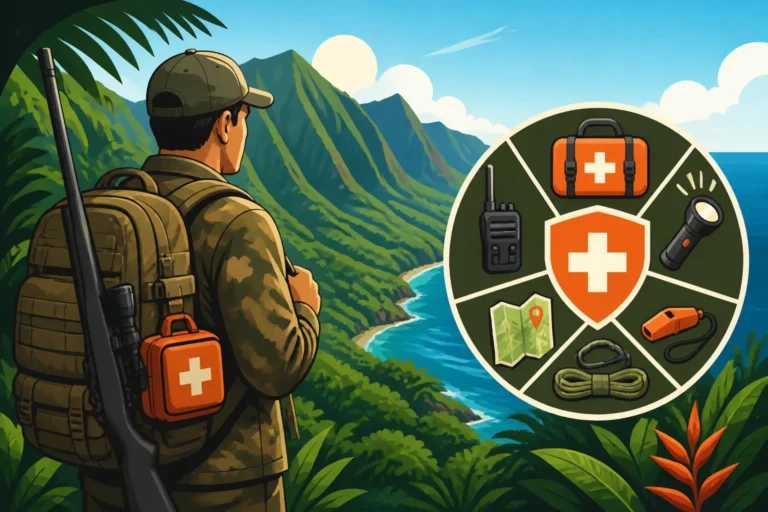
- Prioritize Safety and First Aid: The very first concern is always the well-being of everyone involved. Ensure any injured parties receive immediate first aid. Your guide should be trained in wilderness first aid and carry a well-stocked kit. This is part of responsible What to Pack for a Hawaii Hunt and guide readiness.
- Report to the Guide/Outfitter: Immediately inform your guide or the outfitter about what happened. They need to be aware of the incident as soon as possible to take appropriate action and initiate their internal reporting procedures.
- Document Everything: In the moment, it might feel overwhelming, but try to document as much as possible. Take photos of the scene, any injuries, and damaged property. Note down the exact time, location, and a detailed description of how the incident occurred. Get contact information for any witnesses, including other hunters or guides.
- Seek Medical Attention: For any injuries, no matter how minor they seem, seek professional medical attention promptly. This creates an official record of your injury and treatment, which is critical for any potential insurance claims.
- Do Not Admit Fault: While recounting the events, stick to the facts. Avoid making assumptions or admitting fault. Let the investigation determine responsibility.
Your outfitter should have a clear protocol for emergencies and incident reporting, which you can discuss beforehand as part of Emergency Plans on a Remote Hawaii Hunt. A professional outfitter will guide you through these steps and assist with necessary reports.
The Role of Your Personal Travel Insurance
While your outfitter’s insurance is crucial, it’s also highly recommended that you invest in your own comprehensive travel insurance, especially for a trip to Hawaii. Here's why:
- Medical Evacuation and Treatment: Standard health insurance might not fully cover you, or might have limited network providers, in Hawaii. Travel insurance often includes coverage for emergency medical treatment and, critically, emergency medical evacuation. Given Hawaii’s remote hunting units, an air ambulance could be incredibly expensive without this coverage.
- Trip Interruption/Cancellation: If your hunt is unexpectedly cut short due to an emergency, or even if the outfitter has to cancel due to unforeseen circumstances (like What Happens If Weather Cancels Your Hunt), travel insurance can reimburse you for non-refundable expenses.
- Lost/Damaged Gear: Your personal gear is often expensive. Travel insurance can offer additional protection for lost, stolen, or damaged personal belongings, complementing what your outfitter’s general liability might cover.
- Personal Liability: Some travel insurance policies include a personal liability component, which could provide coverage if you accidentally cause damage to someone else’s property or injure another person (though this is distinct from your outfitter’s liability).
Think of your personal travel insurance as an extra layer of protection, complementing the outfitter's coverage. It fills in potential gaps and ensures that your personal financial exposure is minimized. Before your trip, carefully review both your outfitter's insurance specifics and your personal travel policy to understand what each covers. Knowing that your guide has solid insurance, and that you have your own backup, will truly let you focus on the hunt.
Disclaimer
This article is for general informational purposes only and does not constitute professional advice. Laws, prices and regulations vary by location and change over time. Consult a qualified professional for guidance on your specific situation.