What a Guided Dog Hunt for Pigs Is Like
There's nothing quite like the raw, visceral experience of hunting wild pigs in Hawaii with a pack of dedicated dogs. It's a world away from a quiet stand hunt or a patient spot-and-stalk. This isn't just about bagging an animal; it's a deep dive into local culture, extreme physical exertion, and an electrifying dance between man, beast, and highly trained canines in some of the most rugged terrain on Earth. If you've been curious about the intense, adrenaline-pumping world of a guided dog hunt for pigs in Hawaii, you're in the right place. This guide will walk you through every thrilling, challenging, and rewarding aspect.
Understanding the Heart-Pounding World of Hawaii Dog Hunting
A guided dog hunt for pigs in Hawaii is far more than a recreational activity; it's an immersion into a tradition that runs deep in the islands. It’s an experience that tests your physical limits and connects you to the land in a profound way.
The Deep Cultural Roots of Pig Hunting with Dogs
For generations, hunting wild pigs with dogs has been a cornerstone of local Hawaiian culture. It's not merely a sport for many; it's a vital method of acquiring food, a form of family and community bonding, and a critical component of managing invasive species that threaten the delicate native ecosystems. When you join a guided dog hunt, you're tapping into a practice that predates modern hunting regulations and brings with it a strong sense of tradition and respect for the 'aina, the land.
Many local families have hunted pigs this way for as long as they can remember, passing down knowledge from kupuna (elders) to keiki (children). The methods, the handling of the dogs, the understanding of pig behavior, and the respect for the harvest are all intertwined with a deep connection to their heritage. Unlike the more solitary pursuits of rifle or bow hunting often seen on the mainland, dog hunting here often involves a team, a collective effort, emphasizing cooperation and shared experience. It’s a stark contrast to a quiet morning spent in a treestand, inviting a far more dynamic and engaged interaction with the hunt itself.
Why Dogs Are Indispensable in Hawaii's Thick Terrain
Anyone who has ventured into Hawaii's backcountry knows the struggle: impenetrable tangles of strawberry guava, dense fern thickets, steep, slippery gulches, and volcanic rock that can tear at boots and morale. This isn't wide-open prairie where you can glass for miles. Here, visibility is often measured in feet, not yards, and the ground underfoot is rarely flat or stable.
This is precisely why dogs are not just an advantage, but an absolute necessity for effective pig hunting in Hawaii. A pig can vanish into a guava thicket in seconds, leaving no trace for the human eye or ear. But dogs, with their keen sense of smell and incredible agility, can penetrate this dense cover where a human would struggle to even crawl. They can pick up a pig's scent trail, follow it through the nastiest vegetation, and most importantly, bay the pig—holding it in place with persistent barking until the hunter can reach it. Without the dogs, Hunting Hawaii's Feral Pigs in these environments would be a monumental, often impossible, task. The dogs' ability to navigate such challenging landscapes efficiently and locate hidden animals is unparalleled, turning an otherwise fruitless slog into a successful hunt.
Preparing for Your Adrenaline-Fueled Pig Dog Hunt
Embarking on a guided pig dog hunt means entering a physically demanding and mentally exhilarating world. Preparation is key to ensuring a safe, successful, and truly unforgettable experience.
Choosing Your Guide and the Booking Process
The first and most crucial step is finding an experienced, reputable local guide. These are individuals who not only know the land like the back of their hand but also understand the intricate dynamics of pig behavior and, critically, how to work with a pack of hunting dogs. Safety should always be your guide's top priority, both for you and for their valuable dogs. Don't hesitate to ask about their experience, safety protocols, and what specific measures they take to protect their canine companions.
You can often find guides through word-of-mouth recommendations, local hunting shops, or by searching online platforms. Websites like BookYourHunt or GoHunt can be good starting points for discovering reputable outfitters in Hawaii who specialize in guided dog hunts. When you contact a guide, be prepared with questions: What's included in the hunt? What gear do they recommend you bring? How physically demanding is the typical hunt? What are their policies regarding deposits, cancellations, and communication? Booking well in advance is often a good idea, as experienced guides can be in high demand, especially during peak seasons. Clear communication from the outset will help set proper expectations for both parties.
Essential Gear and Physical Readiness for the Hunter
This is not the hunt to skimp on gear or overlook your physical condition. Your comfort and safety, and ultimately the success of the hunt, depend on being properly equipped and ready for the demands of Hawaii's unique environment.
Let's talk about boots: non-negotiable. You need sturdy, waterproof boots with excellent ankle support and aggressive tread. You'll be traversing uneven, often muddy, rocky, and slippery terrain. Blisters or a twisted ankle can end your hunt in a hurry. Look for boots designed for rugged hiking, not just light trail walking.
Clothing should be layered, quick-drying, and durable enough to withstand pushing through thick, thorny brush. Long pants are a must, ideally rip-stop material or canvas. While blaze orange is always a good idea for visibility in general hunting, dog hunting is usually very close quarters, but still, safety first. Carry a lightweight rain jacket, even if the forecast looks clear; Hawaiian weather can change in an instant, especially on the windward sides.
Hydration is absolutely critical. The combination of humidity, heat, and physical exertion means you'll sweat more than you think. Carry plenty of water—more than you think you'll need—and some electrolyte-rich snacks to keep your energy up.
For a weapon, in dog hunting scenarios, a sturdy knife or a spear is often the preferred tool for dispatching a bayed pig due to the close quarters and the need for quick, humane action. Your guide will advise you on the specifics and what they deem appropriate for their hunts, as Legal Weapons When Hunting Pigs With Dogs can have specific nuances.
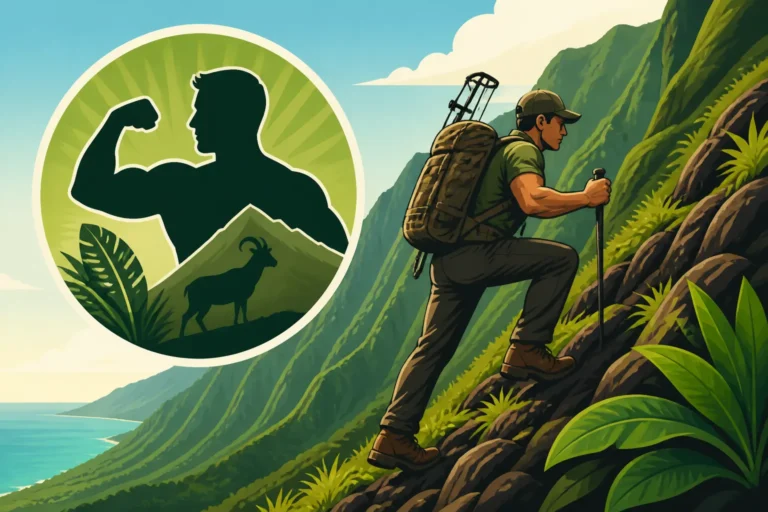
Finally, physical fitness. This is not a leisurely stroll. Expect steep climbs, navigating through dense, tangled vegetation, and moving quickly over uneven ground. You'll be pushing, pulling, and often scrambling. Getting in shape with some cardio and leg strength exercises before your trip will significantly enhance your enjoyment and effectiveness on the hunt.
| Item | Description | Why it's Essential |
|---|---|---|
| Boots | Sturdy, waterproof, ankle-high hiking boots with aggressive tread. | Prevents slips, sprains, and protects feet in rugged, often muddy/rocky terrain. |
| Clothing | Durable, quick-drying layers (long pants, long-sleeve shirt), lightweight rain jacket. | Protection from thorns, sun, insects; manages sweat; adapts to changing weather. |
| Backpack | Comfortable daypack, 20-30 liters, with hydration bladder compatibility. | Carries water, snacks, first-aid, extra layers, and potentially small game. |
| Water | Minimum 3-4 liters, more if advised by guide or for longer hunts. | Crucial for hydration in hot, humid, physically demanding conditions. |
| Snacks | Energy bars, nuts, dried fruit – easy to eat on the move. | Sustains energy levels during strenuous activity. |
| Knife/Spear | Per guide's recommendation; fixed blade knife or short spear for dispatch. | Humane, close-quarters dispatch of bayed pigs. |
| Headlamp | With extra batteries. | Essential for pre-dawn starts, navigating thick cover, or if the hunt extends into dusk. |
| First-Aid | Small personal kit for cuts, scrapes, blisters, insect bites. | Addresses minor injuries quickly; guide will have a more comprehensive kit. |
| GPS/Map | A robust GPS device or smartphone with offline maps (e.g., GoHunt app) is always a good backup. | Helps navigate unfamiliar terrain, marks locations, and provides an extra layer of safety, even with a guide. |
The Unsung Heroes: Bay Dogs and Catch Dogs
The true stars of a Hawaii pig dog hunt are the dogs themselves, and understanding their roles is key to appreciating the entire process. Typically, a pack will consist of two primary types: bay dogs and catch dogs.
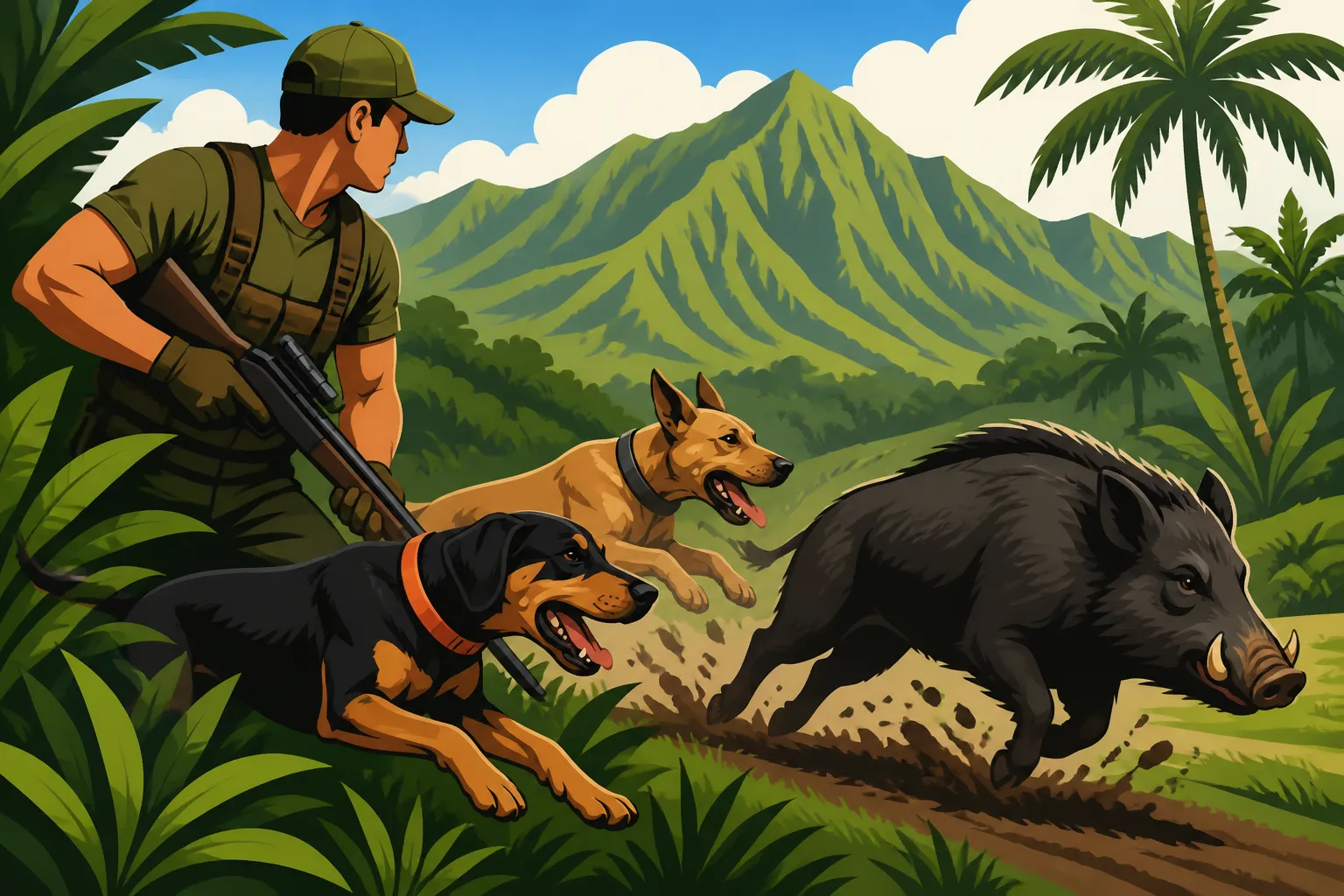
Bay Dogs: These are the trailblazers, the locators. Bred and trained for their scenting ability, speed, and persistence, bay dogs are released to range out and find pigs. Once they locate a pig, their job is to "bay" it—meaning they will bark furiously, circle the pig, and harass it to prevent it from escaping, all while keeping a safe distance from its dangerous tusks. Their excited, persistent barking signals to the hunters that a pig has been found and is being held. These dogs are intelligent, vocal, and incredibly agile, often maneuvering through the brush to keep the pig cornered. Training Pig Dogs in Hawaii is a long, arduous process that hones these instincts and behaviors.
Catch Dogs: These are the heavy hitters, the muscle of the operation. Once the bay dogs have a pig held, the catch dogs are released. Their role is to engage the pig physically, grabbing it and holding it firmly until the hunters arrive to dispatch it. These dogs are typically larger, stronger breeds or mixes, often wearing protective gear like thick "cut vests" to guard against the pig's tusks. Their bravery is undeniable, as they put themselves in harm's way to secure the animal. Learning Fitting a Cut Vest on a Catch Dog properly is vital to protect these invaluable animals. The teamwork between bay dogs, catch dogs, and the hunter is a sight to behold, a perfectly choreographed dance of instinct and training.
The Thrill of the Chase: What the Hunt Day Unfolds
The actual day of a guided pig dog hunt is an immersive, high-energy experience that will awaken all your senses. It’s a series of unfolding events, each building anticipation to the climax of the confrontation.
The Pre-Dawn Briefing and Setting the Strategy
Your hunt typically begins before dawn. You’ll meet your guide at a predetermined spot, often at the edge of the hunting unit. This early start isn't just for atmosphere; pigs are most active in the cooler hours of the morning, and the dogs can track more effectively before the sun bakes away the scent trails.
During this briefing, your guide will go over the day's game plan: which areas you'll be focusing on, an overview of recent pig activity, and important safety instructions. This is where you'll review staying close, listening to dog commands, and general safety protocols. Your guide will also discuss the personalities of the dogs and what to expect from them, ensuring everyone understands their role and how to react once the dogs strike a scent. This is the calm before the storm, a moment to focus and prepare for the intense hours ahead.
The Relentless Pursuit: Tracking and Baying the Pig
With the strategy set, you'll embark on the hunt. The initial phase might involve walking quietly, the dogs ranging out, their bells (if used) jingling softly, sniffing the air, and working the ground. It's a period of intense anticipation, listening intently for any change in the dogs' behavior.
Then, it happens: a sudden burst of barks, a change in the tenor of their cries, and the distinct sound of excited baying. The dogs have found a pig! Adrenaline surges through you. Your guide will give you instructions, often encouraging you to move quickly but cautiously towards the sound. Navigating through the dense undergrowth, sometimes crawling or pushing through thickets, is a major part of the experience. The sounds of the baying dogs will guide you, growing louder as you get closer. Reaching the bay can be incredibly challenging, requiring stamina and determination to push through the heavy cover often found in Hawaii’s forests, like those described in Hunting Pigs in Hawaii's Rainforest Gulches. You'll be moving with purpose, focused on reaching the scene as quickly and safely as possible.
The Confrontation: Dispatching the Pig
When you finally break through the vegetation and reach the bay, the scene is often chaotic and intense. The pig, cornered and agitated, might be charging the dogs, snorting, and grunting, while the bay dogs circle relentlessly, keeping it engaged. The catch dogs, if present, might already be holding the pig.
Your guide will instruct you on the safest way to approach and position yourself for a quick, humane dispatch. This is a critical moment. Whether you're using a knife or a spear, precision and decisiveness are paramount. The goal is always a swift and ethical harvest. Once the pig is down, the immediate aftermath involves securing the animal and, importantly, praising and checking on the dogs. They've done their job, often putting themselves at considerable risk, and their well-being is a guide's top priority. This is the culmination of the chase, an unforgettable moment of connection to the raw cycle of nature.
From Forest to Feast: Post-Hunt Logistics
The hunt doesn't end when the pig is down. The next crucial steps involve field dressing the animal and getting the meat out of the bush and properly preserved, especially in Hawaii's challenging climate.
Field Dressing and the Grueling Pack Out
As soon as the pig is dispatched, the clock starts ticking, especially in Hawaii's warm, humid environment. Immediate field dressing is essential to begin the cooling process and prevent spoilage. Your guide will typically handle or assist with this, making sure the animal is properly gutted to allow body heat to escape quickly.
Once field dressed, the real work often begins: the pack out. Wild pigs, especially mature boars, can be heavy, and the terrain you've just traversed to reach them is rarely easy to exit. You might be climbing steep hillsides, navigating narrow trails, or scrambling up and down gulches, all while carrying a significant load of meat. Strategies for carrying vary, but often involve specialized frame packs designed for hauling quarters or whole carcasses. It's grueling work, a true test of endurance, but immensely rewarding. Stories abound of the challenge of Getting a Pig Out of a Hawaii Gulch, and for good reason—it’s never an easy feat.
Battling the Heat: Preserving Your Harvest in the Tropics
Hawaii's tropical climate is fantastic for beaches, but it presents unique challenges for meat preservation. Bacteria multiply rapidly in warm temperatures, so rapid cooling is paramount. After field dressing, getting the meat into ice chests with plenty of ice as quickly as possible is non-negotiable.
Your guide will likely have coolers on hand and a plan for initial cooling. The goal is to drop the meat's temperature as fast as you can. While this article focuses on pigs, the principles for Field Dressing Axis Deer in Hawaii Heat share many similarities: get the hide off, get the entrails out, and get it on ice. Proper care in the field ensures that your hard-won harvest remains delicious and safe to eat. Neglecting these steps can lead to spoiled meat, which is a devastating waste after such an effort.
Options for Your Hard-Won Meat
Once your pig meat is cooled, you'll need to decide what to do with it. Many guides have established relationships with local meat processors who can cut, wrap, and even smoke your pork to your specifications. This is often the most convenient option, especially if you're visiting from out of state or don't have the facilities to process a large animal yourself.
If you prefer to process your own meat and have the necessary equipment, your guide can advise on facilities or areas where this is feasible. For those looking to transport meat off-island or back to the mainland, be aware of agricultural inspection rules. All wild game meat must be inspected and often requires specific packaging to ensure no invasive species are transported. Your guide can provide the most current information on these regulations. When planning your hunt, you might want to ask your guide about these options, or check resources like GoHunt or BookYourHunt for local recommendations.
Safety, Respect, and Ethics in Hawaii's Hunting Culture
Every hunt, especially one as dynamic as a pig dog hunt, comes with responsibilities—to yourself, to your guide, to the animals, and to the land. Safety and ethical conduct are paramount.
Ensuring Safety for Hunters and the Canine Team
A guided pig dog hunt involves close quarters with a wild, powerful animal and active dogs. Therefore, following your guide's instructions is not just good practice, it's absolutely essential for safety. They are the experts in this environment. Be constantly aware of your surroundings, especially when approaching a bayed pig. Know where your guide is, where the dogs are, and where the pig is located.
Protecting the dogs is also a critical safety concern. A wild pig's tusks can inflict serious injury on a dog, and guides invest heavily in the training and care of their canine partners. During the confrontation, ensure you are not accidentally putting a dog in harm's way. While not always mandated for dog hunting, the principle of wearing blaze orange for visibility is always a wise consideration, particularly if hunting in areas with other hunters.
Upholding Respect for the Land and Regulations
Hawaii's unique ecosystem is incredibly fragile, and invasive species like feral pigs pose a significant threat. Understanding and adhering to Hawaii's hunting regulations and seasons is a non-negotiable aspect of responsible hunting. Your guide will ensure you are compliant with all local rules, including checking in and out of units.
Beyond the regulations, there's a deeper cultural expectation of respect. This means respecting private property, which can often be interspersed with public hunting lands, and understanding traditional land uses. It also means recognizing the vital role that hunting plays in conservation here. By removing feral pigs, you are actively helping to protect native forests, watersheds, and endangered species from the destructive rooting and habitat degradation caused by these animals. What Feral Pigs Do to Hawaii's Forests is a serious problem, and hunters are part of the solution. Practicing Leave No Trace principles—packing out everything you pack in, and leaving the land as you found it—is another way to show respect for the 'aina and ensure future generations can enjoy these wild spaces.
Disclaimer
This article is for general informational purposes only and does not constitute professional advice. Laws, prices and regulations vary by location and change over time. Consult a qualified professional for guidance on your specific situation.