Bringing Your Own Dogs on a Guided Hunt
It's a common dream for many hunters, especially those who share an incredible bond with their hunting dogs: to bring their trusted companions along on an exotic adventure. When you're planning a Hawaii hunting trip, particularly if you're eyeing the thrill of a wild pig hunt, the question naturally arises – can my own dogs come with me? The reality, as with most things Hawaii, is a bit more complex and involves some significant hurdles. This guide will walk you through the practicalities, regulations, and considerations of bringing your beloved dogs on a guided hunt in the Hawaiian Islands.
The Deep Connection: Why Hunters Consider Bringing Their Own Pack to Hawaii
For many of us, our hunting dogs aren't just tools; they're family, partners, and extensions of our own hunting instincts. The thought of leaving them behind for a significant trip, especially one that involves the kind of hunting they were bred and trained for, can be heartbreaking.
Why Hunters Want Their Dogs Along
There's a unique chemistry that develops between a hunter and their dog. You know their quirks, their strengths, their weaknesses, and how they react in every situation. You've spent countless hours in the field together, developing a silent language of cues and understanding. This deep trust means you know exactly what your dog is capable of, whether it's tracking a cold scent, baying a hog, or navigating thick brush. For many, bringing their own dog isn't just about convenience; it's about sharing the experience, the challenge, and ultimately, the success with the partner who has earned their place by their side. It's an emotional investment that goes far beyond just the hunt itself.
The Hawaii Dog Hunting Culture
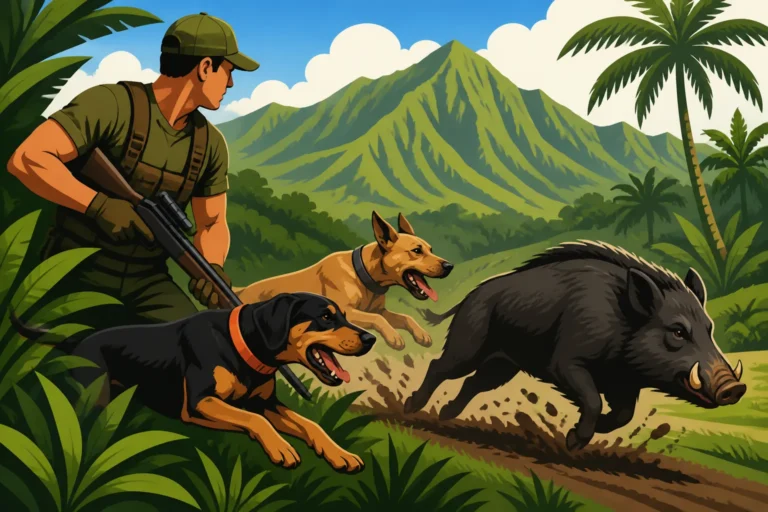
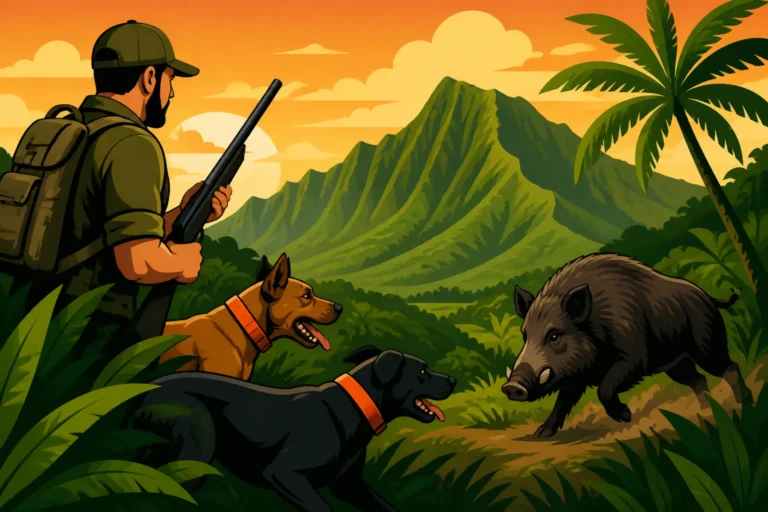
Hawaii has a rich, deeply rooted tradition of hunting pigs with dogs, a practice that's both a way of life and a critical tool for managing feral pig populations. However, this culture often involves locally bred and trained dogs – typically a mix of tenacious "bay dogs" that locate and hold a pig at bay, and powerful "catch dogs" that move in to secure the animal. These local dogs are accustomed to the unique and brutal Hawaiian terrain, from dense rainforest gulches to sharp lava fields. They've been trained in specific methods passed down through generations. While the spirit of dog hunting is the same, the execution and the nuances of working a pack in Hawaii can be quite different from what you might be used to on the mainland. Many hunters engage in Pig Hunting With Dogs in Hawaii and have their own systems down pat.
Navigating the Red Tape: Practical Realities and Regulations for Out-of-State Dogs
This is where the dream often hits a wall. Hawaii has some of the strictest animal import regulations in the world, designed to protect its fragile ecosystem from rabies and other diseases not present on the islands.
Entry Requirements for Animals to Hawaii
Let's be blunt: bringing a dog into Hawaii is a monumental task that requires meticulous planning and a long lead time, often months in advance. Hawaii is rabies-free, and they intend to keep it that way. This means a mandatory quarantine process, which can be shortened to "5-day-or-less" if all requirements are met perfectly.
Here’s a snapshot of what you're up against, though you should always check the current State of Hawaii Department of Agriculture (HDOA) Animal Industry Division website for the most up-to-date and complete list of requirements:
- Microchip: Your dog must have an implanted, readable microchip.
- Vaccinations: At least two rabies vaccinations administered more than 30 days apart, with the most recent one given more than 30 days but less than 12 months prior to arrival. If it's a 3-year vaccine, it must be administered more than 30 days but less than 36 months prior to arrival.
- Blood Test (FAVN Test): A successful rabies antibody titer test (FAVN test) must be performed by an approved laboratory. The blood sample must be drawn at least 13 months before arrival for the 5-day-or-less program, meaning your dog needs to have had rabies vaccines and the test at least four months before you even think about flying. The results must be satisfactory.
- Waiting Period: There's a mandatory 30-day waiting period after the successful blood test results are received before your dog can enter Hawaii under the 5-day-or-less program. This is often the biggest surprise for hunters who plan last-minute trips.
- Health Certificate: A veterinary health certificate issued by a licensed veterinarian within 14 days of arrival.
- Arrival at Daniel K. Inouye International Airport (HNL): All animals must arrive directly at HNL on Oahu to undergo inspection. If you're hunting on another island, your dog would need to clear quarantine on Oahu first, and then you'd arrange further inter-island travel, often as manifest cargo.
The entire process is complex, costly, and requires incredible attention to detail. Any missed step, wrong date, or incomplete paperwork means your dog could face a full 120-day quarantine at your expense, which is simply not feasible for a hunting trip. For many hunters, this alone makes bringing their own dogs unviable.
Hawaii's Hunting Dog Regulations
Even if you clear the import hurdles, your dog still needs to comply with Hawaii's specific hunting dog rules. These rules are designed for all hunting dogs, whether local or visiting. Hunters often overlook these details in the excitement of planning.
- Registration: All hunting dogs used on public hunting lands in Hawaii must be registered with the Division of Forestry and Wildlife (DOFAW). This typically involves providing proof of rabies vaccination and other health records.
- Identification: Dogs must wear a collar with the owner's name, address, and telephone number, and often their DOFAW registration number. This is crucial for safety and retrieval in the vast Hawaiian wilderness.
- Number of Dogs: There are often limits on the number of dogs a hunter or hunting party can use at one time in certain units or for specific species. These limits vary, so always check the regulations for your chosen unit.
- Leash Laws/Control: While dog hunting involves dogs off-leash, hunters are still responsible for keeping their dogs under control and preventing them from harassing other wildlife or trespassing onto private property.
- Cut Vests: If your dogs are pig hunting, especially as catch dogs, they will need proper protection from a pig's tusks. Fitting a Cut Vest on a Catch Dog is not just about comfort; it's about life or death in the field.
- GPS Collars: Due to the dense cover and steep terrain, GPS Collars for Pig Dogs in Thick Cover are absolutely essential for keeping track of your dogs and for their safety.
You can find the specifics of these regulations, including information on Hawaii Dog Hunting Rules on the DOFAW website or through their local offices.
Working with a Guide and Their Local Pack
Assuming you somehow manage the daunting task of legally importing your dog, the next big question is: will your guide even be on board? Most guided pig hunts in Hawaii use the outfitter's own well-trained and acclimated pack of dogs.
Communicating Your Intentions Early
This cannot be stressed enough: you must communicate your desire to bring your own dogs with any potential guide before you book anything. Don't assume they'll be okay with it. Many guides have a specific system, and introducing an unknown dog can throw a wrench into their entire operation. When looking for guides on platforms like BookYourHunt, make sure to ask these questions upfront. Similarly, when using resources like GoHunt to research units, remember that private land guides operate differently than public land access.
Some guides might be open to the idea, particularly if your dog is an experienced bay dog that can work independently or integrate seamlessly. Others might flat-out refuse, and for good reason. They are responsible for the safety of their clients, their own dogs, and ensuring a successful hunt. An unfamiliar dog, even a well-trained one, introduces variables they may not be willing to accept. Be prepared for a "no."
Compatibility with Local Dogs and Hunting Styles
Hawaiian dog hunting often involves a pack dynamic that your dog may not be accustomed to. Local dogs are used to working with each other, responding to specific calls and hand signals from their handler, and navigating the unique hazards of the islands.
- Pack Dynamics: Will your dog integrate peacefully with the guide's dogs? Dog fights in the field are dangerous for everyone involved and can ruin a hunt instantly. The guide's dogs are likely territorial and may not welcome a new addition.
- Hunting Style: Is your dog a bay dog or a catch dog? Most Hawaiian hunts use both. If your dog is a catch dog, the risks of injury are extremely high, both from the pig and from potential altercations with the guide's dogs. The guides often have specific strategies for Pig Hunting With a Bay Dog and Catch Dog, and your dog might disrupt that.
- Terrain Acclimation: Your dog might be fit, but are they accustomed to the jagged lava, dense uluhe fern, or slick, muddy gulches? Hawaiian terrain is punishing, and dogs not used to it can quickly get injured or exhausted. Local dogs have literally grown up running these landscapes.
Potential Challenges and Safety Concerns
Bringing an unfamiliar dog into an established hunting pack, particularly in a high-stress environment like a pig hunt, carries inherent risks.
- Dog-on-Dog Aggression: This is perhaps the biggest concern. A pack hunt requires cooperation. A fight could injure or kill a dog, halt the hunt, and create a very tense situation.
- Injury from Game: Wild pigs, especially mature boars, are incredibly dangerous. If your dog isn't used to their aggressive charges and sharp tusks, they are at much higher risk of serious injury or death, even with a cut vest.
- Environmental Hazards: Beyond the rough terrain, Hawaiian forests have other dangers. Invasive plants with sharp thorns, steep drop-offs, deep mud, and even the heat and humidity can quickly overwhelm an unacclimated dog. Dehydration and heatstroke are real threats.
- Diseases: Hawaii is unique, but it's not without its own set of concerns regarding canine health. While rabies isn't an issue, conditions like leptospirosis, spread by rodent urine in wet areas, can be present and dangerous to dogs. Familiarize yourself with Diseases Hawaii Hunters Should Know to protect your dog.
| Aspect | Bringing Your Own Dogs | Relying on Guide's Dogs |
|---|---|---|
| Logistics | Extremely complex, long lead time, high cost, strict import regulations. | Simple, no pet travel arrangements needed. |
| Cost | Significant (flights, quarantine, vet fees, gear). | None for the dog itself. |
| Control/Familiarity | High, you know your dog's capabilities and quirks. | Low, you trust the guide's control and training. |
| Pack Integration | Major challenge, potential for conflict and disruption. | Seamless, guide's dogs already work as a team. |
| Terrain Acclimation | Potential issue, unfamiliar hazards, heat, humidity. | Guide's dogs are seasoned and built for the terrain. |
| Safety Risks | Higher for your dog due to unfamiliarity with local pigs, terrain, and other dogs. | Lower, guide's dogs are experienced and equipped. |
| Overall Experience | Unique personal fulfillment, but with high stress and risk. | Focus entirely on your hunt, less personal stress. |
Weighing the Pros and Cons: Is Bringing Your Own Dogs to Hawaii Worth It?
Ultimately, the decision is a personal one, but it should be made with a full understanding of the monumental effort and risks involved.
Advantages of Bringing Your Own Dog
If you overcome the considerable hurdles, there's no denying the deep satisfaction of hunting with your own dogs in a place as unique as Hawaii.
- Unforgettable Experience: Hunting wild pigs in the Hawaiian jungle with your own well-trained dog would be an experience unlike any other, a true pinnacle of your hunting journey.
- Proven Performance: You know what your dog can do. If you have a highly skilled, experienced pig dog, you might feel more confident in its ability to contribute to the hunt than relying solely on unfamiliar dogs.
- Deepened Bond: Sharing such an adventure in a new environment can strengthen the already profound bond you have with your canine companion.
Disadvantages and Alternatives
The reality is that for 99% of hunters, the disadvantages far outweigh the advantages.
- Logistical Nightmare: The time, expense, and stress of navigating Hawaii's strict animal import laws are simply too much for most. The quarantine process alone makes a short hunting trip impossible.
- Cost Prohibitive: Between flights for your dog (often as cargo), vet fees, quarantine fees, and specialized gear for Hawaii's tough conditions (like extra durable boots and cut vests), the cost can easily rival or exceed the cost of the hunt itself.
- Risk to Your Dog: The danger of injury from pigs, other dogs, or the environment is significantly higher for an unacclimated mainland dog. It's a risk of permanent injury or even death to a beloved family member.
- Guide Reluctance: Many reputable guides will simply refuse to allow outside dogs, as it compromises their safety protocols and established hunting methods.
- Stress for Your Dog: The long flight, new environment, different smells, and unfamiliar pack dynamics can be incredibly stressful for your dog, potentially impacting their performance and well-being.
The most practical and stress-free alternative is to hunt with the guide's dogs. This is how the vast majority of guided dog hunts in Hawaii operate. These dogs are purpose-bred, locally trained, and completely acclimated to the terrain and the specific hunting style. They know the animals, they know the land, and they know their handler. You still get to experience the excitement of a dog hunt, but without any of the logistical headaches or risks to your own companion. You can focus entirely on What a Guided Dog Hunt for Pigs Is Like and enjoy the experience.
Making the Right Decision for Your Hunt
Before you even start looking at airline pet policies or vet forms, have an honest conversation with yourself. What is truly important for this hunt? Is it absolutely essential that your dog is there, despite the astronomical challenges and risks? Or is the primary goal to experience a Hawaiian pig hunt, regardless of whose dogs are baying the pig?
For many, the dream of bringing their own dogs to Hawaii remains just that – a dream. The practical realities, strict regulations, and potential risks make it a highly improbable, and often ill-advised, endeavor. Instead, embrace the opportunity to hunt with skilled local dogs, learning from their expertise and witnessing their incredible work in the unique Hawaiian landscape. Focus on What to Pack for a Hawaii Hunt for yourself, and leave the local dog logistics to your guide.
Disclaimer
This article is for general informational purposes only and does not constitute professional advice. Laws, prices and regulations vary by location and change over time. Consult a qualified professional for guidance on your specific situation.