Pig Hunting With a Bay Dog and Catch Dog
The frustration of trying to still-hunt Hawaii's notoriously elusive feral pigs through dense, tangled jungle can be immense. They're smart, they're sneaky, and the terrain often makes it impossible to get close enough for a shot. That's where the time-honored tradition of pig hunting with a dedicated team of bay dogs and catch dogs really shines, providing an effective and often thrilling method to bring home the bacon. This guide will walk you through the ins and outs of this dynamic hunting style, unique to the islands.
Understanding the Bay Dog and Catch Dog Dynamic
Hunting pigs with dogs in Hawaii is a symphony of specialized roles, much like a well-drilled team sport. It’s not just about turning dogs loose; it’s about understanding the individual strengths and instincts of both your bay dogs and your catch dogs, and how they work together to find and hold a pig. This method is deeply ingrained in local hunting culture, and when done right, it's incredibly effective.
The Role of the Bay Dog
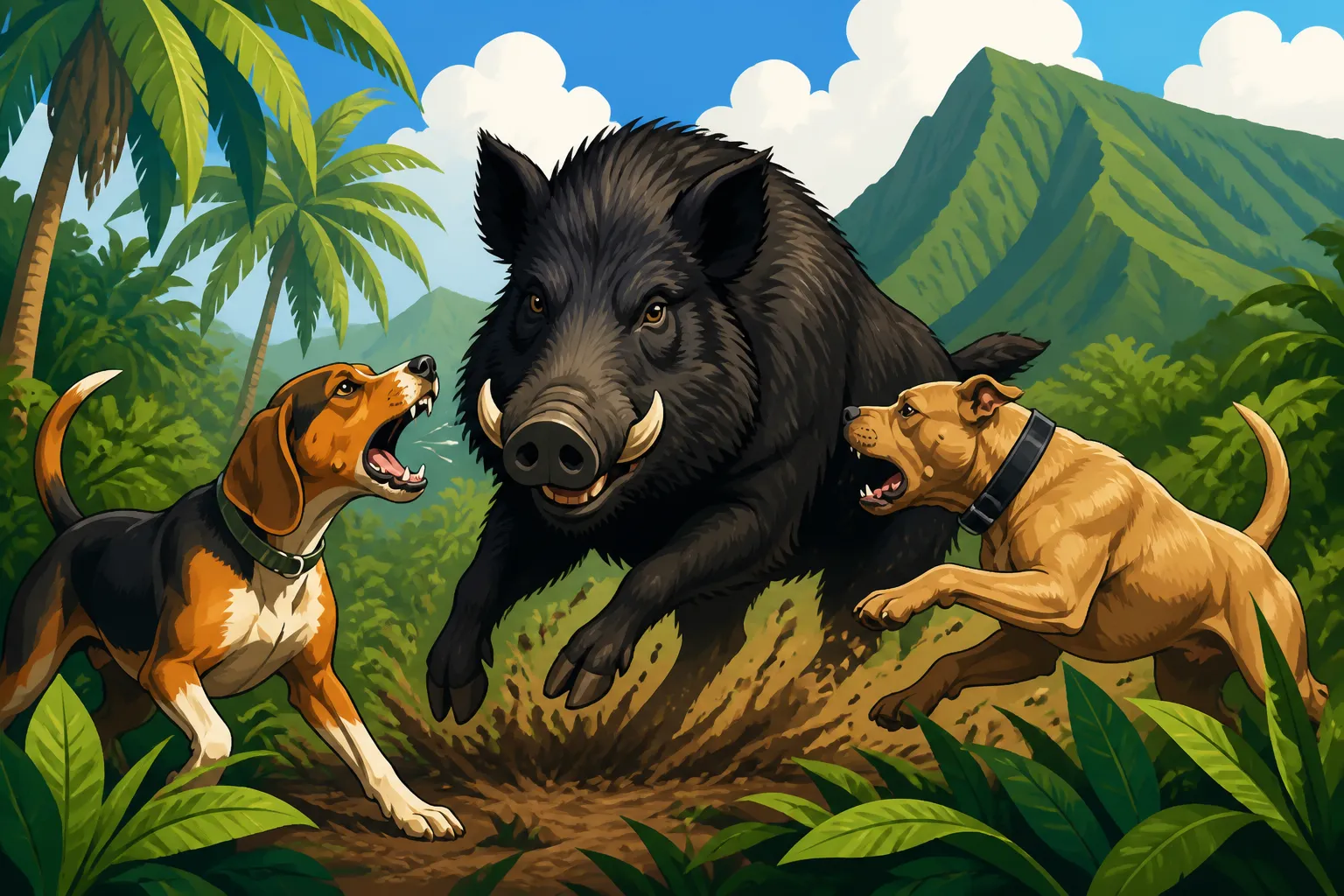
Your bay dog is the scout, the tracker, and the announcer of the hunt. These dogs are typically lighter, faster, and possess an incredible nose for scenting pigs. Their primary job is to locate a pig, pursue it, and then "bay" it – essentially holding it at bay by barking aggressively, circling, and preventing it from escaping. They don't typically engage physically with the pig, but rather use their agility and vocalization to keep it focused on them, giving the hunter time to close the distance.
A good bay dog needs to be highly vocal, letting you know exactly where the action is, even if it's deep within a thick guava patch or a steep gulch. They need stamina to traverse Hawaii's challenging terrain, from slick, muddy rainforest floors to sharp, rocky lava fields. Their courage is also paramount, as a pig can be a formidable opponent, often charging the dogs. The bay dog's ability to dance around these charges, staying just out of reach while maintaining pressure, is what makes them invaluable. Imagine tracking through a dense koa forest, the air thick with humidity, when suddenly you hear that distinct, frantic barking shift from a searching whine to a steady, urgent bay. That sound tells you your dog has found something, and the chase is on. Following that sound, often scrambling over roots and through thorny kiawe bushes, is a core part of the experience.
The Role of the Catch Dog
Once the bay dog has a pig cornered and held at bay, the catch dog comes into play. These dogs are usually larger, stronger, and more powerfully built, often breeds like Catahoulas, pit bulls, or mastiff crosses, chosen for their sheer physical presence and ability to grip. Their job is to move in decisively, latch onto the pig – typically by the ear or shoulder – and hold it firmly until the hunter can arrive to dispatch the animal.
The catch dog’s role requires immense courage and a solid, unwavering grip. They must be able to withstand the pig's powerful thrashing and tusks, keeping it immobilized for a safe, quick, and ethical harvest. This isn't a long struggle; the goal is a swift, controlled take-down once the hunter arrives. Without a good catch dog, baying a pig can result in a prolonged, dangerous standoff, or the pig simply breaking through the baying dogs and escaping. The moment the catch dog makes its move, the entire dynamic shifts. The frantic baying might intensify as the bay dog encourages the catch dog, and then quickly changes as the pig is brought under control. This brief, intense burst of action is where the hunter needs to be ready to move in quickly and safely to end the hunt. To learn more about this critical aspect, you might want to look into Using a Knife or Spear on a Bayed Pig.
Essential Gear and Preparation for Dog Hunting
Hawaii's unique environment, combined with the intensity of dog hunting, demands specific gear and meticulous preparation. Skimping on these details can lead to injured dogs, lost equipment, or even dangerous situations for hunters. This isn't your average walk in the woods; it's an expedition that requires you to be self-sufficient and prepared for anything.
Protecting Your Canine Partners
Your dogs are your hunting partners, and their safety is paramount. The dense vegetation and sharp volcanic rock of Hawaii pose significant threats. The most crucial piece of protective gear for a catch dog, and often for bay dogs too, is a high-quality cut vest. These vests are typically made from multiple layers of puncture-resistant material like Kevlar or Cordura, designed to protect the dog's chest and vital organs from the pig's tusks. Learning how to properly fit a cut vest on a catch dog is essential to ensure it doesn't chafe or restrict movement, but still offers maximum protection.
Beyond physical protection, GPS collars for pig dogs in thick cover are absolute game-changers. Hawaii's terrain can quickly swallow a dog, making visual contact or even hearing their baying impossible, especially if they chase a pig deep into a gulch or over a ridge. Brands like Garmin Alpha or Garmin Astro are widely popular, allowing you to track your dog's exact location, speed, and even their barking status from a handheld unit. This technology not only helps you locate a bayed pig but also prevents a lost dog, which can be devastating. Finally, always carry a comprehensive dog first-aid kit. This should include items like bandages, antiseptic wipes, clotting agents, and even a strong painkiller, in case a dog does sustain an injury from a pig or the terrain. A dog getting cut by a tusk is a real possibility, and being able to provide immediate care can be critical.
Hunter's Gear: Weapons, Navigation, and Safety
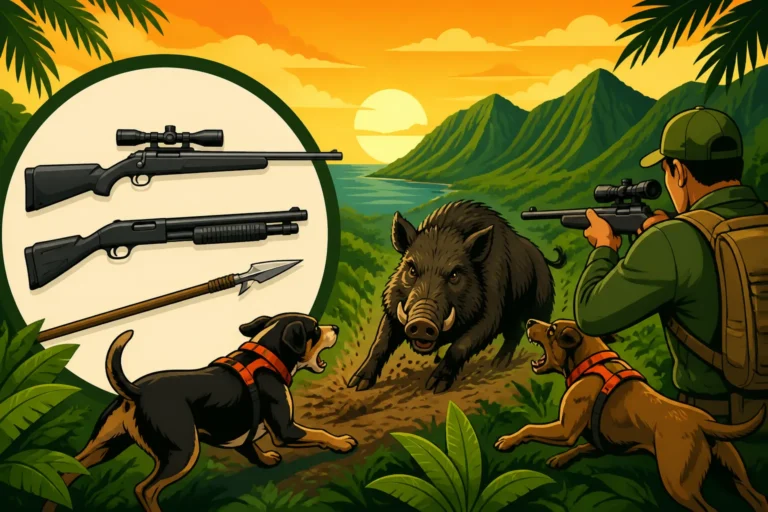
For the hunter, preparation is equally critical. When hunting pigs with dogs, the legal weapons in Hawaii often include knives, spears, handguns, or shotguns, depending on the unit and season. You'll need to check the specific regulations for the area you're hunting, but a reliable, sharp knife or a sturdy spear is often preferred for dispatching a bayed pig quickly and humanely. Carrying a sidearm for self-defense is also common practice, but the primary method of dispatch for a bayed pig is usually up close and personal.
Navigation is paramount. Even if you're following your dogs via GPS, having a backup like a traditional compass and a detailed map of the Hawaii hunting unit is wise, especially in areas where cell service is unreliable, which is often the case in remote parts of the islands. Reliable footwear is non-negotiable; you'll be traversing extremely rough, wet, and often slippery ground, so sturdy, waterproof boots with excellent ankle support are a must. Carry plenty of water, as Hawaii's heat and humidity can quickly lead to dehydration, and a good headlamp if there's any chance you'll be hiking out after dark. A small backpack with snacks, a rain jacket, and a basic human first-aid kit completes your essential gear list. The sheer effort of getting a pig out of a Hawaii gulch can be monumental, so physically preparing yourself is as important as preparing your gear.
Executing a Successful Pig Hunt with Dogs in Hawaii
Putting all the pieces together for a successful dog hunt in Hawaii involves a blend of experience, observation, and teamwork. It's an active, dynamic form of hunting that keeps you constantly engaged and requires quick decision-making.
Scouting and Approaching the Hunting Area
A successful hunt often begins long before you release your dogs. Scouting is crucial. Look for fresh pig sign along a muddy trail, near taro patches, or in dense thickets. Pigs are creatures of habit, and their feeding and bedding areas will show clear indicators like fresh tracks, rootings, rubs on trees, and wallows where they cool off. Pay attention to changes in elevation, water sources, and areas with abundant food like fallen fruit or specific plants. Understanding where Hawaii's feral pigs live is key to narrowing down your search.
When you approach your chosen hunting area, always consider the wind. Pigs have an incredible sense of smell, and you want to ensure your scent is not blowing ahead of you or your dogs, alerting the pigs to your presence. Park your vehicle discreetly and move quietly into the unit, especially if it's a popular spot. Even though your dogs will be vocal later, the initial approach should be as stealthy as possible to avoid disturbing game that might be close to the access point. Some hunters prefer to walk a specific area, looking for fresh sign, before deciding where to release their dogs. Others will release their dogs almost immediately in known pig habitat, trusting their canines to do the initial work. This initial phase sets the tone for the entire hunt.
Working the Dogs and Closing the Distance
Once you’re in pig country, it’s time to release your bay dogs. Many hunters will work a pair of bay dogs, as two dogs can often hold a pig more effectively than one, especially a larger, more aggressive boar. As the dogs spread out, they’ll start to work the scent, often crisscrossing the terrain. You'll need to listen intently for the change in their barks – from a searching bark to a definitive bay. This is where your GPS collar becomes invaluable, allowing you to see their position and direction.
Once a pig is bayed, the real work begins for the hunter. You need to move as quickly and directly as possible to the bay. This often means navigating extremely difficult terrain, pushing through dense vegetation, and climbing in and out of gulches. The faster you get there, the less stress on the dogs and the better chance for a clean, quick dispatch. Always approach the bay cautiously, circling downwind if possible, and listening carefully to the dogs' behavior to gauge the pig's aggression and size. When you get close, assess the situation: identify the pig, ensure your dogs are in a safe position, and then bring in your catch dog if needed, or move in with your preferred weapon. This moment, filled with the adrenaline of the bay, is what makes pig hunting with dogs so exciting.
Ethical Considerations and Post-Hunt Practices
As with any hunting, the ethical treatment of the animal and responsible practices are paramount, especially in the close-quarters intensity of dog hunting. It's not just about the kill, but about respecting the animal and the land.
Ensuring a Quick and Humane Harvest
Once you've reached the bay, your immediate priority is a swift and humane dispatch of the pig. This means having your chosen weapon ready and executing the kill decisively. Whether you're using a knife, spear, or firearm, the goal is to end the animal's life as quickly and painlessly as possible. This also requires careful attention to your surroundings and the position of your dogs. Ensure your dogs are clear of the immediate area of dispatch to avoid accidental injury to them or yourself.
The experience can be intense, but maintaining composure is vital. A quick, clean harvest is the mark of a responsible hunter. Remember, your dogs have done their part by holding the pig, and now it’s your responsibility to finish the hunt with respect and efficiency. For those interested in the specifics of dispatching the animal, Using a Knife or Spear on a Bayed Pig provides detailed guidance.
Field Care and Respecting the Animal
After the harvest, immediate field care is crucial, especially in Hawaii's often hot and humid climate. Rapid cooling of the meat is essential to prevent spoilage. This typically involves immediate field dressing, gutting the pig as quickly as possible to allow the carcass to cool internally. Many hunters will quarter the pig in the field, making it easier to pack out. It’s a strenuous process, but vital for ensuring quality meat. For detailed advice on this, check out Field Dressing Axis Deer in Hawaii Heat or Cooling Meat Fast on a Hawaii Hunt, as many of the principles apply to pigs as well.
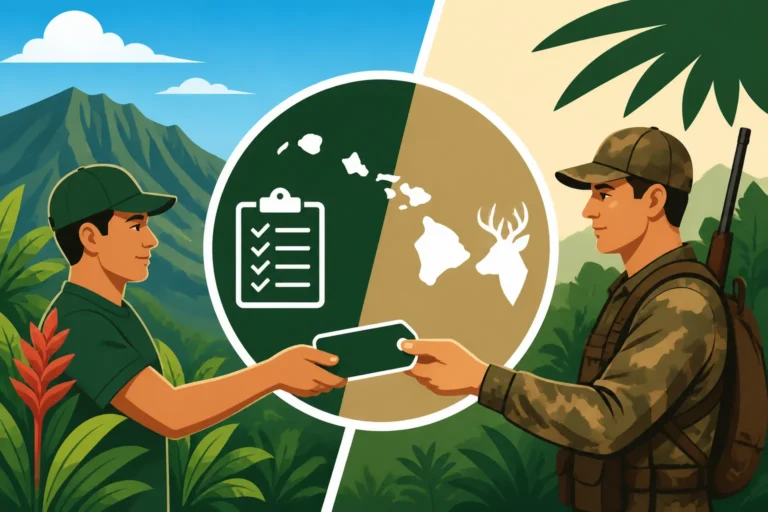
Packing out your meat can be the most physically demanding part of the hunt, especially if you've been deep into a gulch or miles from your vehicle. Many hunters use sturdy pack frames or specialized game bags to transport the quarters. Remember to always check out of your Hawaii hunting unit through the proper channels, whether it's through the GoHunt Hawaii website or a physical check station, and report your harvest as required by the Department of Land and Natural Resources (DLNR) Division of Forestry and Wildlife (DOFAW). This reporting is vital for wildlife management. The meat you bring home is a hard-earned reward, a tangible connection to the land and a testament to the skill and teamwork of hunter and dog.
Disclaimer
Please be aware that hunting regulations and seasons in Hawaii can change. Always consult the most current Hawaii Department of Land and Natural Resources (DLNR) Division of Forestry and Wildlife (DOFAW) regulations before planning any hunt. This guide is for informational purposes only and does not supersede official government regulations. Always prioritize safety, ethical hunting practices, and respect for the environment and local communities.