Using a Knife or Spear on a Bayed Pig
Hunting pigs in Hawaii can be an incredibly raw and visceral experience, often ending in close quarters. Many hunters find themselves in the intense situation of a bayed pig, a moment demanding not just skill, but the right tools and a clear head. If you've ever found yourself wondering how to ethically and effectively finish a hunt when your dogs have a wild boar at bay, this guide is for you. We'll dive deep into the age-old practice of using a knife or spear, covering everything from tradition to technique, and essential safety.
The Tradition and Reality of Knife and Spear Hunting in Hawaii
For generations, the people of Hawaii have hunted feral pigs, not just for sustenance, but as a crucial part of managing an introduced species that can wreak havoc on native ecosystems. Unlike mainland hunting, where firearms are almost exclusively used for big game, a significant portion of pig hunting here revolves around dogs, knives, and spears. It’s a method deeply rooted in local culture and practical necessity.
Why Hunters Choose Blades or Spears for Bayed Pigs
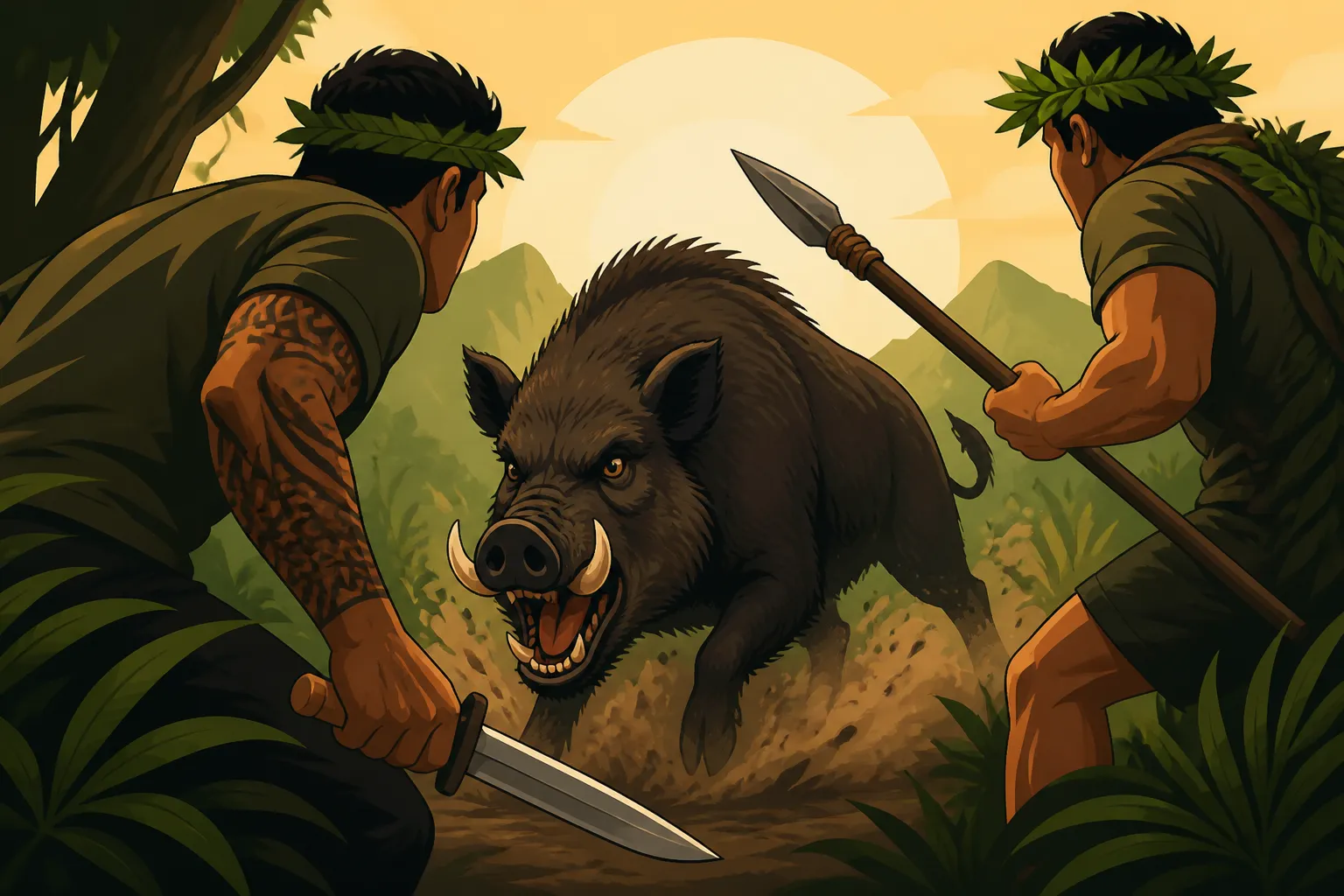
The choice to use a knife or spear on a bayed pig isn't just about tradition; it's often the most practical and ethical solution in Hawaii's unique terrain. Imagine chasing pigs through dense Hunting Pigs in Hawaii's Rainforest Gulches or deep kiawe thickets. A rifle shot in such close quarters, with dogs swirling around an agitated boar, presents significant safety risks not just to the hunter, but to the valuable hunting dogs. A knife or spear allows for a precise, controlled kill in a chaotic environment, minimizing the risk of collateral damage. It demands a higher level of engagement and courage, forging a profound connection between the hunter, the hunted, and the land. For many, it's considered the ultimate test of a pig hunter, a testament to skill, bravery, and respect for the animal. This method is central to what many refer to as the challenging and rewarding practice of Dog and Knife Pig Hunting in Hawaii.
Understanding the "Bayed" Scenario
A "bayed" pig is one that has been cornered and held at bay by hunting dogs, unable or unwilling to flee further. This isn't always a static situation; pigs are incredibly powerful and cunning animals. They might be backed into a thicket, against a lava rock wall, or even in a shallow stream, constantly looking for an escape route or an opportunity to charge. The dogs, typically a mix of "bay dogs" that keep the pig stationary with barks and nips, and "catch dogs" that might engage directly, are working hard to control the animal. It's a symphony of growls, barks, snorts, and the rustling of undergrowth. As the hunter, your role is to assess the situation quickly, identify the safest approach, and execute a swift, humane kill. The intensity of this moment is unparalleled, demanding focus and quick decision-making. Hunters often train their dogs specifically for this scenario, understanding that the dogs' behavior provides critical cues for a safe and effective approach. Learning the nuances of using a bay dog and catch dog is crucial for mastering this technique.
Essential Gear: Knives and Spears for Pig Hunting
When you're facing a powerful, agitated animal in close quarters, your tools aren't just equipment; they're an extension of your intent and a critical component of safety. Choosing the right knife or spear is paramount for a quick, humane, and safe conclusion to the hunt. This isn't the time for flimsy gear or untested equipment.
Choosing the Right Knife: Features and Considerations
A pig hunting knife is not your everyday pocketknife. It's a purpose-built tool designed for durability, penetration, and control.
- Blade Length and Profile: Generally, you want a fixed-blade knife with a blade length between 6 to 10 inches. Shorter blades might not reach vital organs effectively, while overly long blades can be unwieldy in dense cover or close quarters. A spear-point or drop-point blade, with a sturdy tip and a single or double edge, is ideal for piercing. The blade should be stout enough to resist bending or breaking if it hits bone or tough hide.
- Blade Material: High-carbon stainless steel (like 440C, D2, or CPM S30V) is preferred for its edge retention and corrosion resistance. Hawaiian environments are tough on gear—salt air, humidity, mud, and blood demand a blade that can hold an edge and resist rust. A dull knife is a dangerous knife, and sharpening capabilities in the field are important.
- Handle Grip and Ergonomics: This is critical. You need a handle that provides an absolutely secure grip, even when wet, muddy, or bloody. Materials like G10, Micarta, or textured rubber are excellent choices. Avoid smooth, polished handles. A finger guard is non-negotiable, protecting your hand from slipping onto the blade or from the pig's thrashing. Some hunters even prefer a lanyard hole for a wrist strap, adding an extra layer of security.
- Sheath: The sheath must be robust and secure, allowing for quick, one-handed draw while keeping the knife safely contained during strenuous movement. Kydex or heavy-duty leather sheaths with positive retention are excellent. A good sheath ensures the knife is always accessible but never accidentally lost or deployed. Many hunters opt for knives from reputable brands known for their hunting lines, ensuring quality that stands up to Hawaiian conditions.
Selecting a Pig Spear: Design, Length, and Technique
For those who prefer a little more distance, a pig spear offers a different approach.
- Shaft Material and Length: Spears typically range from 5 to 7 feet in length. The shaft needs to be strong but not overly heavy. Materials like reinforced fiberglass, carbon fiber, or tough hardwood (like hickory or ash) are common. The length is a balancing act: long enough to keep you at a safe distance from a lunging pig and the dogs, but short enough to be maneuverable in tight spaces. You don't want to get tangled in vines or branches while trying to wield an unwieldy spear.
- Head Design: The spearhead should be robust, sharp, and designed for deep penetration. A broadhead-style or a simple, sturdy blade shape is effective. Some designs incorporate a cross-guard to prevent over-penetration and allow for easier withdrawal. The spearhead must be securely attached to the shaft—a failing head in a critical moment is incredibly dangerous.
- Technique: The spear provides a reach advantage, allowing you to stay further from the pig’s tusks and the dog scrum. The technique involves a swift, controlled thrust into the vital zone, similar to a knife, but from a safer distance. It requires practice to ensure accuracy and power. Consider the angles of approach, ensuring you have enough room for a full, unhindered thrust.
Essential Safety and Auxiliary Gear
Safety is paramount when engaging in such close-quarters hunting. It’s not just about your knife or spear, but the whole system.
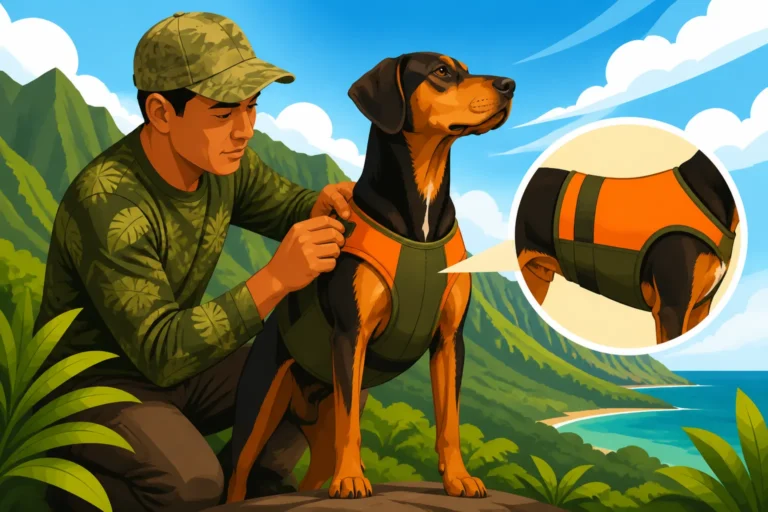
- Protective Gear for Dogs: If you're hunting with dogs, and most pig hunting in Hawaii involves them, protective vests are non-negotiable. These vests, often made of tough Cordura, Kevlar, or layers of plastic, protect your valuable canine partners from potentially fatal tusk wounds. Proper fit is crucial, as detailed in our guide on Fitting a Cut Vest on a Catch Dog.
- Hunter's Personal Protection: While not as common as dog vests, some hunters wear thick leg chaps or groin protection, especially when working in extremely dense cover or with particularly aggressive pigs. Sturdy, ankle-supporting boots are a must for navigating treacherous Hawaiian terrain, whether it's jagged lava, slippery mud, or dense undergrowth.
- First-Aid and Communication: A comprehensive first-aid kit is absolutely essential for both hunters and dogs. Pig hunting injuries can be severe, ranging from deep gashes to puncture wounds. Carrying a satellite communicator or a fully charged cell phone (understanding that No Cell Signal on a Hawaii Hunt is common) is vital for emergencies. Always let someone know where you are hunting and when you expect to return.
- GPS Collars: In thick cover, knowing where your dogs are is critical for coordinating your approach and ensuring their safety. GPS Collars for Pig Dogs in Thick Cover are invaluable for this, giving you real-time tracking capabilities and allowing you to move decisively to the bay.
Executing the Take-Down: Techniques and Ethics
The moment you close in on a bayed pig is charged with adrenaline. Your ability to maintain composure, prioritize safety, and execute a swift, ethical kill is what truly defines a responsible hunter. This is where preparation meets reality, and the skills you've honed come into play.
Approaching a Bayed Pig Safely
This is perhaps the most dangerous part of the entire process. A pig, especially a large boar with tusks, is a formidable adversary when cornered.
- Assess the Situation: Before rushing in, take a moment to observe. Where is the pig positioned? How many dogs are actively engaging it? What is the terrain like? Is there a clear path for you to approach and retreat? A pig might be facing the dogs, presenting its rear or flank to you, or it might be trying to face all threats simultaneously.
- Read Dog Behavior: Your dogs are your eyes and ears. They will often indicate the pig's mood and location. Are they intensely baying, or are they backing off, signaling a particularly aggressive or dangerous pig? A good bay dog will keep the pig's attention, providing you an opening.
- Controlled Approach: Move slowly, deliberately, and quietly, if possible, from a direction that offers the safest shot and minimizes disturbance to the dogs. Avoid approaching directly from the front. The pig's attention should remain on the dogs. If the pig shifts its focus to you, pause and let the dogs regain control. Communicate with hunting partners if you have them, ensuring everyone knows the plan and is aware of each other's positions. Remember, the goal is a safe, swift resolution, not a heroic charge.
Knife Placement and Swiftness
Once you've safely positioned yourself, the execution needs to be precise and decisive to ensure a humane kill.
- Target the Vital Organs: The most effective and ethical placement for a knife kill is typically the heart and lungs. This area is located just behind the shoulder, slightly low on the body. A strong, downward thrust, aiming towards the opposite front leg, will sever major arteries and lungs, causing rapid incapacitation. It’s crucial to know the animal's anatomy cold.
- The "Stick": This is the moment of truth. With a firm grip on your knife, deliver a powerful, controlled thrust. Once the blade is in, a slight twisting or sawing motion can help ensure maximum damage to vital tissues. The pig will often react violently, thrashing and kicking. Maintain your grip, stay clear of its legs and tusks, and be prepared for the sudden surge of energy.
- Swiftness and Ethics: The primary ethical concern is to minimize suffering. This means a quick, clean kill. Hesitation or a poorly placed strike only prolongs the animal's distress and increases the risk to you and your dogs. If the first strike isn't immediately effective, be prepared for a second, decisive follow-up.
Spear Techniques for Distance and Control
Using a spear requires a similar understanding of anatomy and ethical intent, but with the added benefit of standoff distance.
- Aim for the Vitals: Just like with a knife, the heart/lung area behind the shoulder is the primary target. The spear's length allows for a more controlled, powerful thrust from a safer distance, reducing the immediate risk from the pig’s tusks.
- Controlled Thrust and Follow-Through: With a spear, you have the advantage of leverage. Brace yourself, take aim, and deliver a strong, deliberate thrust. Ensure you have enough room to fully extend the spear and drive it deep enough to reach the vitals. Once struck, maintain control of the spear, as the pig may lunge or try to dislodge it. The spear also allows for better control of the animal as it goes down, potentially keeping it away from your dogs during its final moments.
- Maintaining Distance: The whole point of the spear is distance. Do not close the gap unnecessarily. Let the spear do its work, and only approach once the animal is clearly incapacitated and the dogs are under control. The terrain can be a challenge, so practice your thrusts in varied conditions, considering how mud or uneven ground might affect your stance and power.
Post-Harvest Considerations and Safety
The kill is just one part of the hunt. What happens immediately afterward, and how you manage the animal, is crucial for both meat quality and safety. Hawaii's tropical climate presents unique challenges that require prompt attention.
Immediate Field Care and Cooling
Hawaii's heat and humidity are relentless, and game meat can spoil rapidly if not handled correctly.
- Bleeding Out: Immediately after the kill, ensure the animal is properly bled out. This involves making a deep incision at the base of the neck, severing the carotid arteries and jugular veins, or an incision into the chest cavity to sever the aorta. This process removes blood from the carcass, which is essential for good meat quality.
- Field Dressing: As soon as possible, you need to begin field dressing. This means removing the entrails to allow the carcass to cool internally. Make a careful incision from the breastbone to the pelvis, cutting around the anus, and remove all internal organs. This process not only cools the meat but also reduces the chances of bacterial contamination. In our guide on Field Care in Hawaii's Heat and Humidity, we delve deeper into techniques for preserving your harvest in tropical conditions.
- Cooling Down: Once field dressed, the goal is to get the carcass cooling as quickly as possible. In some units, if you're close to your vehicle, you might be able to get it into a cooler with ice immediately. In more remote areas, you might need to quarter the animal and pack it out in game bags, seeking shade and airflow. Many hunters choose to quarter the pig in the field to lighten the load for Getting a Pig Out of a Hawaii Gulch.
Hunter Safety Post-Kill
Even a deceased pig can pose risks, especially if its body is still twitching or if you become complacent.
- Tusks and Hooves: A boar's tusks remain incredibly sharp even after death. Be mindful of them, especially when moving the carcass. Its hooves, too, can cause injury if you trip or get tangled. Always approach the animal with caution, assuming it could still move.
- Dog Control: Keep your dogs under control. While they have done their job, they might still be keyed up. Ensure they are leashed or called off before you begin field dressing to prevent them from interfering or consuming internal organs, which can cause health issues for them.
- Hygiene: Always carry hand sanitizer or wipes. Handling wild game, especially pigs, can expose you to bacteria and parasites. While rare, diseases like leptospirosis are a concern in Hawaii's pig population. Thorough hand washing and careful meat handling are critical.
Legalities and Regulations
Hawaii has specific rules regarding hunting, including legal weapons and tagging requirements. It's crucial to understand these regulations to ensure a legal and responsible hunt.
- Legal Weapons: When hunting pigs with dogs, Hawaii's regulations allow for specific methods. Knives and spears are generally permitted as a finishing tool. However, it's always wise to double-check the current rules for Legal Weapons When Hunting Pigs With Dogs as they can change by island or unit.
- Permit-Tags and Check-In/Out: Depending on the island and unit, you may need specific permit-tags for pigs. Always ensure you have your Hawaii Hunting Licenses and What They Cost and any necessary tags before you head into the field. You'll also need to check in and out of many public hunting units.
- GoHunt Platform: The State of Hawaii's online platform, GoHunt Hawaii, is an excellent resource for checking current regulations, purchasing licenses, applying for permits, and understanding season dates. Before any hunt, a quick check on GoHunt ensures you're up-to-date with all requirements. GoHunt is designed to make it easier for hunters to comply with state mandates, so it's your go-to for planning your legal hunt.
Knife vs. Spear: A Quick Comparison
To help you decide which tool might be right for your pig hunting style, here's a brief comparison:
| Feature | Hunting Knife | Hunting Spear |
|---|---|---|
| Engagement Distance | Very close quarters, direct contact. | Mid-range, offers more standoff distance. |
| Maneuverability | Highly maneuverable in dense brush, small spaces. | Less maneuverable in extremely thick vegetation. |
| Power/Leverage | Relies on hunter's direct strength and thrust. | Benefits from leverage of the shaft, aiding penetration. |
| Safety Margin | Lower safety margin due to proximity to pig/tusks. | Higher safety margin due to increased distance. |
| Learning Curve | Requires precise anatomical knowledge and control. | Requires practice for accurate thrust and aim. |
| Portability | Generally easier to carry (belt, pack). | Can be cumbersome to carry through dense terrain. |
| Traditional Use | Integral to traditional dog and knife hunting. | Also traditional, especially for larger boars. |
Ultimately, the choice between a knife and a spear, or carrying both, comes down to personal preference, the specific hunting conditions, and your comfort level. Both are effective, ethical tools in the hands of a skilled and responsible hunter when confronting a bayed pig in the Hawaiian wild.
Disclaimer
Hunting is an inherently dangerous activity. The information provided in this guide is for informational purposes only and should not be taken as professional instruction. Always prioritize safety, adhere to all local and state hunting regulations, and seek proper training from qualified professionals before engaging in any hunting activities. The author and publisher are not responsible for any accidents, injuries, or legal infractions that may occur.