Hunting Pigs Near a Taro Patch
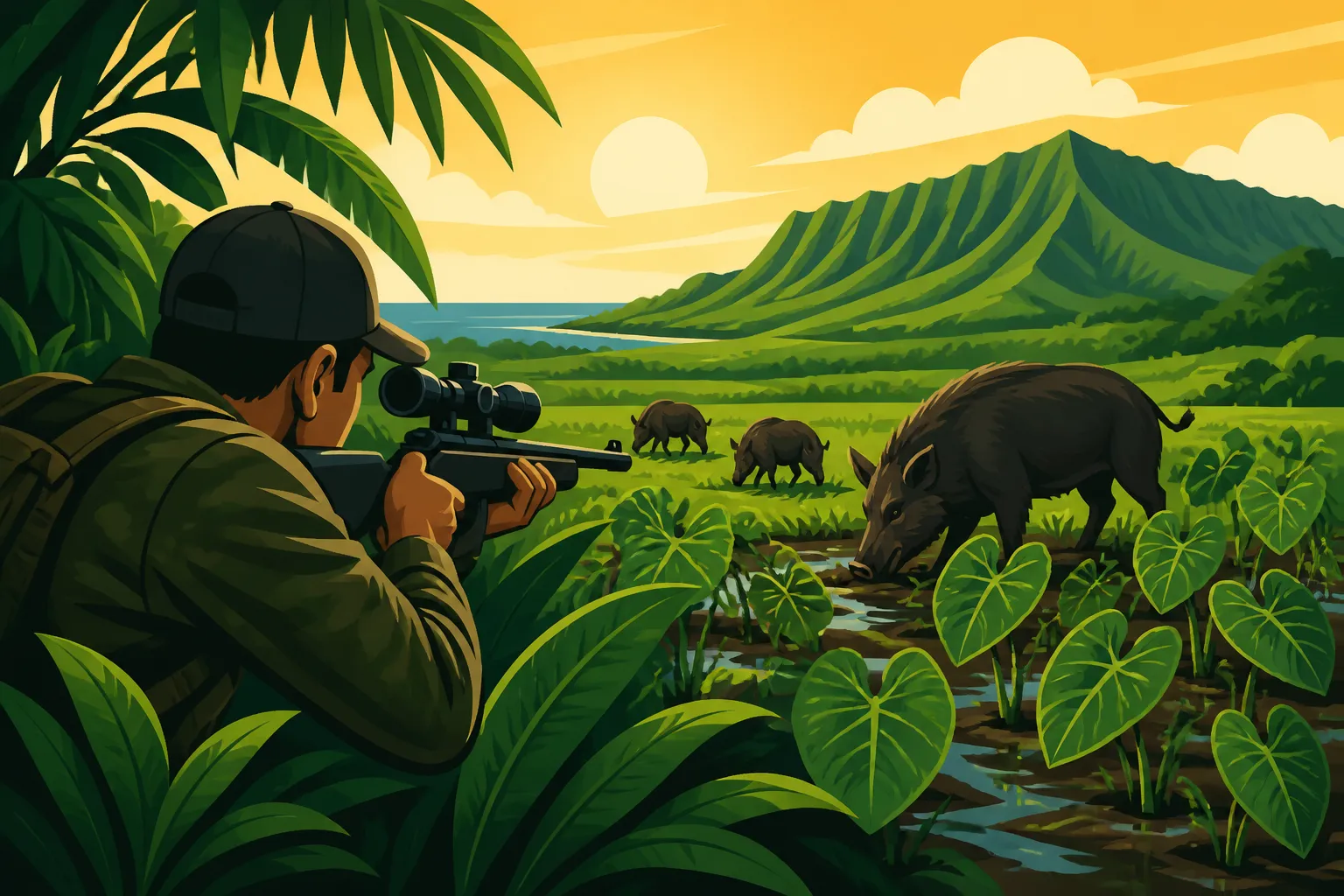
For anyone living in or visiting Hawaii, the sight of a beautiful, vibrant taro patch is a staple of our agricultural landscape and a deep connection to our cultural heritage. But for farmers, these vital fields are often targets for a much less welcome visitor: the feral pig. These intelligent and destructive animals can wreak havoc on a patch overnight, leaving behind a trail of uprooted plants and significant financial loss. If you're a hunter looking to help manage these populations and contribute to local food security, understanding how to effectively and ethically hunt pigs near taro patches is crucial. This comprehensive guide will walk you through the nuances of targeting these elusive animals in such sensitive environments.
Understanding the Taro Patch Ecosystem and Pig Behavior
Hunting pigs around taro patches isn't like hunting them in a remote, wild forest. These cultivated areas represent a concentrated food source and often a sanctuary, making pig behavior predictable but also highly sensitive to disturbance. Understanding the unique dynamics of this ecosystem is your first step toward a successful and responsible hunt.
Why Pigs are Drawn to Taro Patches
It's no secret why pigs love taro patches. Taro, or kalo as we call it here, is a staple crop in Hawaii, grown for its starchy corms. These plants, especially when young, are incredibly appealing to pigs. The corms themselves are a rich source of carbohydrates, and the entire plant is relatively easy for a pig to root up, unlike tougher, more fibrous native plants. Beyond the food, taro patches often provide a cool, moist environment, which is a major draw for pigs, especially during dry periods. They'll use the standing water for wallowing, cooling down, and caking themselves in mud, which helps protect them from insects. The dense foliage surrounding many patches also offers excellent cover, allowing pigs to feed discreetly and quickly retreat if disturbed. It's a perfect storm of food, water, and shelter, making these patches veritable pig magnets.
Recognizing Pig Sign Near Cultivated Areas
When you're dealing with agricultural land, recognizing fresh pig sign is paramount. Pigs aren't always actively feeding; sometimes they're just passing through or bedding nearby. The most obvious sign is rooting damage – overturned soil and uprooted taro plants. Look for fresh, moist soil where they've been digging, especially along the edges of the patch or in specific areas where the plants seem most damaged. Their tracks in the soft, muddy soil around a taro patch are usually quite distinct. You’ll see cloven hoof prints, often accompanied by dewclaws, especially if the ground is soft. Larger tracks indicate bigger pigs, and fresh, sharply defined tracks are a clear indicator of recent activity. Keep an eye out for droppings, too; fresh ones will be moist and dark. Additionally, pigs love to rub against trees, fence posts, or even irrigation pipes to scratch themselves and leave their scent. Look for mud smears or hair caught on rough surfaces. Understanding these subtle cues helps you determine if the pigs are actively feeding, merely passing through, or bedding down nearby. Knowing where to look and what to look for will save you countless hours. You can learn more about reading these subtle cues in our guide on Reading Pig Sign Along a Muddy Trail.
Strategic Approaches for Hunting Taro Patch Pigs
Successfully hunting pigs near a taro patch demands a strategic, patient, and often stealthy approach. These are not open-country hunts, and the proximity to agriculture requires extra care in planning and execution.
Scouting and Entry/Exit Planning
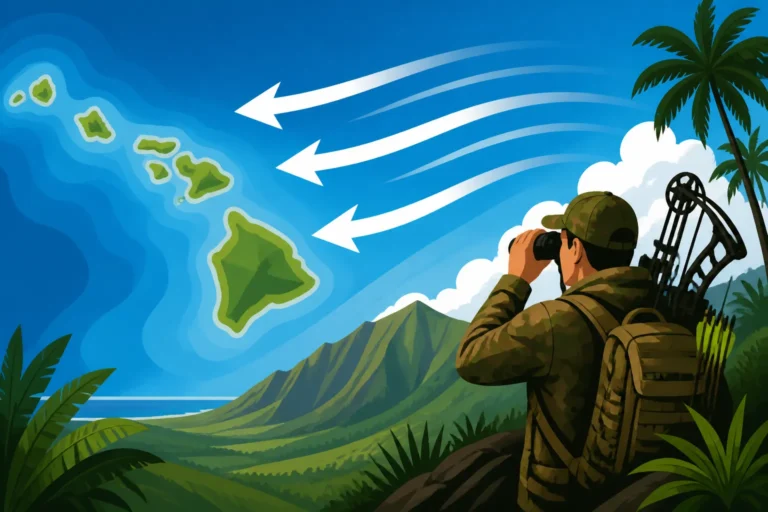
Scouting is absolutely non-negotiable when hunting near taro patches. You need to understand the pig's routine without disturbing it. Spend time observing from a distance, perhaps with binoculars, to identify where pigs are entering and exiting the patch. Are they coming from a nearby gulch? A dense thicket? An old logging road? Pay close attention to wind direction, especially at dawn and dusk when pigs are most active. A shifting wind can carry your scent right into the patch, sending pigs scattering. Your entry and exit routes must be planned to minimize noise and scent contamination. This might mean long, circuitous walks to approach from a favorable wind direction, or utilizing natural cover to mask your movement. Remember, any disturbance could change their patterns for days, if not weeks. Always check in with the Department of Land and Natural Resources (DLNR) or utilize resources like the GoHunt app for updated information on unit access and rules before heading out. Sometimes, specific units adjacent to agricultural areas have unique regulations.
Still-Hunting and Stand Hunting Tactics
For taro patch pigs, two primary tactics shine: still-hunting and stand hunting.
Still-Hunting: This involves slow, deliberate movement, often along the perimeter of the taro patch or along known pig trails leading into it. Think of it as stalking, but at an incredibly reduced pace. Every step is calculated to be quiet, every glance sweeps for movement, every pause listens for the telltale sounds of rooting or snorting. You'll want to move with the wind in your favor, using the dense vegetation, folds in the terrain, or even the sound of rustling leaves to mask your approach. The key here is patience – cover ground very slowly, pausing for several minutes at a time to observe and listen before taking another step. This allows the pigs to continue their activity, believing the area is clear. When still-hunting, you're constantly evaluating the terrain for potential shooting lanes, but also for reliable backstops, which is critical near agricultural infrastructure. Our Still-Hunting Pigs in Hawaii's Wet Forest article offers more insights into this methodical approach.
Stand Hunting: This tactic involves setting up a fixed position, either a ground blind or an elevated stand, near a known travel route or a particularly active feeding area. The advantage here is minimizing your scent footprint and allowing you to remain still for extended periods. You'll want to place your stand downwind of the anticipated pig movement, preferably with good cover that breaks up your outline. Often, an irrigation ditch crossing, a break in a fence line, or a prominent trail offers a natural funnel for pigs entering or leaving the patch. Arrive well before first light or in the late afternoon to allow the area to settle down before pigs become active. This is a game of patience, relying on the pigs to move into your kill zone. Make sure your stand provides a clear, ethical shot at vital organs with a safe backdrop.
Here's a quick comparison of these tactics:
| Feature | Still-Hunting Near Taro Patches | Stand Hunting Near Taro Patches |
|---|---|---|
| Movement | Slow, deliberate, active searching | Static, waiting for pigs to move |
| Scent Control | Critical, constant wind monitoring | Positioned downwind, scent elimination |
| Patience Level | High, focused on observation and stealth | Extremely high, waiting game |
| Best For | Locating pigs actively feeding, scouting new areas | Known, consistent pig travel routes/feeding spots |
| Stealth | Requires constant attention to noise & visibility | Achieved through static position & cover |
| Shot Opportunities | Often quick, reactive shots at moving animals | More controlled, deliberate shots at unsuspecting animals |
| Time Commitment | Can be physically demanding, covering ground | Less physical, but mentally demanding |
Ethical Considerations and Safety Near Farms
Hunting pigs near active taro patches, or any agricultural land, demands an even higher level of ethical responsibility and safety awareness than hunting in remote wilderness. You are a guest on or near someone's livelihood, and your actions reflect on all hunters.
Communication with Landowners and Farmers
This cannot be stressed enough: always get explicit permission from the landowner or farmer before hunting on or near their property. Many taro patches are privately owned, or on lands with specific access restrictions. A simple phone call or in-person conversation can prevent misunderstandings, build trust, and potentially open doors for future hunting opportunities. Explain your intentions, discuss your hunting methods, and assure them of your commitment to safety and respect for their land and crops. Ask about specific areas to avoid, preferred times to hunt, and where they would like you to dispose of any carcasses or guts. Some farmers might even appreciate the help with pig management. When applying for permits or licenses, services like GoHunt can often provide landowner contact information or outline which permits apply to certain areas, ensuring you're squared away legally. This proactive communication is not just courteous; it's essential for maintaining positive hunter-landowner relationships and preserving hunting access in Hawaii.
Safety Protocols and Shot Placement
Hunting near any populated or cultivated area requires extreme caution. Your top priority must be safety – not just for yourself, but for farmers, residents, and anyone else who might be in the vicinity.
- Positive Identification: Always be 100% certain of your target. In Hawaii, feral pigs vary in color and size, and mistaken identity can have severe consequences.
- Backstop Awareness: Every shot you take must have a safe and reliable backstop. This means ensuring that if your bullet or arrow passes through the animal, it will safely embed itself in the earth, a hill, or a thick tree, not travel towards a farmhouse, road, or another taro patch. Flat, open fields with no discernible backstop are extremely dangerous for rifle hunting.
- Know Your Beyond: Think about what lies beyond your target. Even if you have a good backstop, consider the trajectory of your projectile.
- Shot Placement for Quick Kills: Aim for vital areas (heart/lungs or brain) to ensure a swift, humane kill. A wounded pig can travel a significant distance, potentially creating more damage to the taro patch or becoming difficult to recover. Using an appropriate caliber or arrow setup for large game like feral pigs is crucial. You can find more information about recommended calibers in our guide on Hawaii's Legal Rifle Calibers for Big Game.
- Muzzle Control: Always keep your firearm pointed in a safe direction, even when stalking or waiting. Accidents happen in a split second.
- Blaze Orange: Even if not strictly required in all Hawaii hunting units, wearing blaze orange or a similar highly visible color is a wise safety measure, especially if other hunters or farmers might be in the area.
By adhering to these stringent safety protocols, you demonstrate respect for life, land, and the hunting tradition itself.
Gear and Preparation for Taro Patch Hunts
Your gear choices for hunting near taro patches will significantly impact your success and comfort. The unique, often muddy and wet conditions demand specific considerations.
Essential Equipment for Quiet Movement
When hunting pigs near taro patches, silence is your best friend. Start with your footwear: waterproof boots with good traction are essential, as taro patches are inherently wet and muddy. Look for boots designed for boggy or swampy conditions, like those made by Muck Boot Company or LaCrosse. Quiet clothing is also critical. Avoid noisy fabrics like stiff nylon or denim. Instead, opt for soft, breathable materials that won't rustle as you move. Layering is always smart in Hawaii, as temperatures can change quickly, especially at dawn or dusk. A good set of binoculars (8x or 10x) will help you glass the patch edges from a distance, identifying pigs without needing to move closer and risk detection. A reliable rangefinder is also vital for ensuring ethical shot distances, particularly when targeting animals in variable cover. Don't forget a quality headlamp with a red light option for pre-dawn or post-dusk movements, allowing you to see without alerting animals as much as a white beam. Finally, consider a quiet, comfortable backpack to carry your water, snacks, first-aid kit, and any game bags you might need. Using the GoHunt app for digital maps can also help you navigate quietly without fumbling with paper maps.
Meat Care in Proximity to Water Sources
Once you've successfully harvested a pig near a taro patch, proper meat care becomes immediately important, especially given Hawaii's warm climate and the presence of standing water. The goal is to cool the meat down as quickly as possible to prevent spoilage.
- Field Dress Immediately: As soon as the animal is down, begin the field dressing process. This involves removing the entrails to allow the carcass to cool from the inside out. You can refer to our guide on Field Dressing Axis Deer in Hawaii Heat for general principles, which largely apply to pigs too.
- Elevate and Ventilate: Once field-dressed, if possible, get the carcass off the ground and hang it in a shady, airy spot. Even propping it up on logs or rocks can help airflow. This prevents heat from radiating from the ground into the meat.
- Avoid Water Contamination: While pigs love water, standing water in taro patches can harbor bacteria. Avoid dragging the carcass through or immersing it in these waters. If you need to rinse off dirt, use clean, potable water you've brought with you, and dry the meat as much as possible afterward.
- Transport Quickly: Have a plan for quick transport back to your cooler or processing facility. Game bags are excellent for keeping the meat clean during the haul out. If you anticipate a long pack out from a remote location, consider bringing a cooler filled with ice directly to the vehicle access point, or even ice packs to place in the body cavity after field dressing. Learn more about Packing Meat Out of a Hawaii Gulch for strategies on remote recovery.
- Hygiene: Always wear gloves when field dressing and sanitize your hands and knives afterward. Feral pigs can carry diseases like leptospirosis, so proper hygiene is paramount to your health and the safety of the meat you'll consume.
By preparing thoroughly and acting swiftly, you can ensure your hard-earned venison is clean, safe, and ready for your dinner table.
Disclaimer
Hunting is a challenging and rewarding activity that requires adherence to local laws, regulations, and safety protocols. The information provided in this guide is for educational purposes only and is not a substitute for official hunting regulations from the Hawaii Department of Land and Natural Resources (DLNR). Always consult the most current Hawaii hunting regulations before planning any hunt. Hunting carries inherent risks, and hunters are responsible for their own safety and actions in the field.