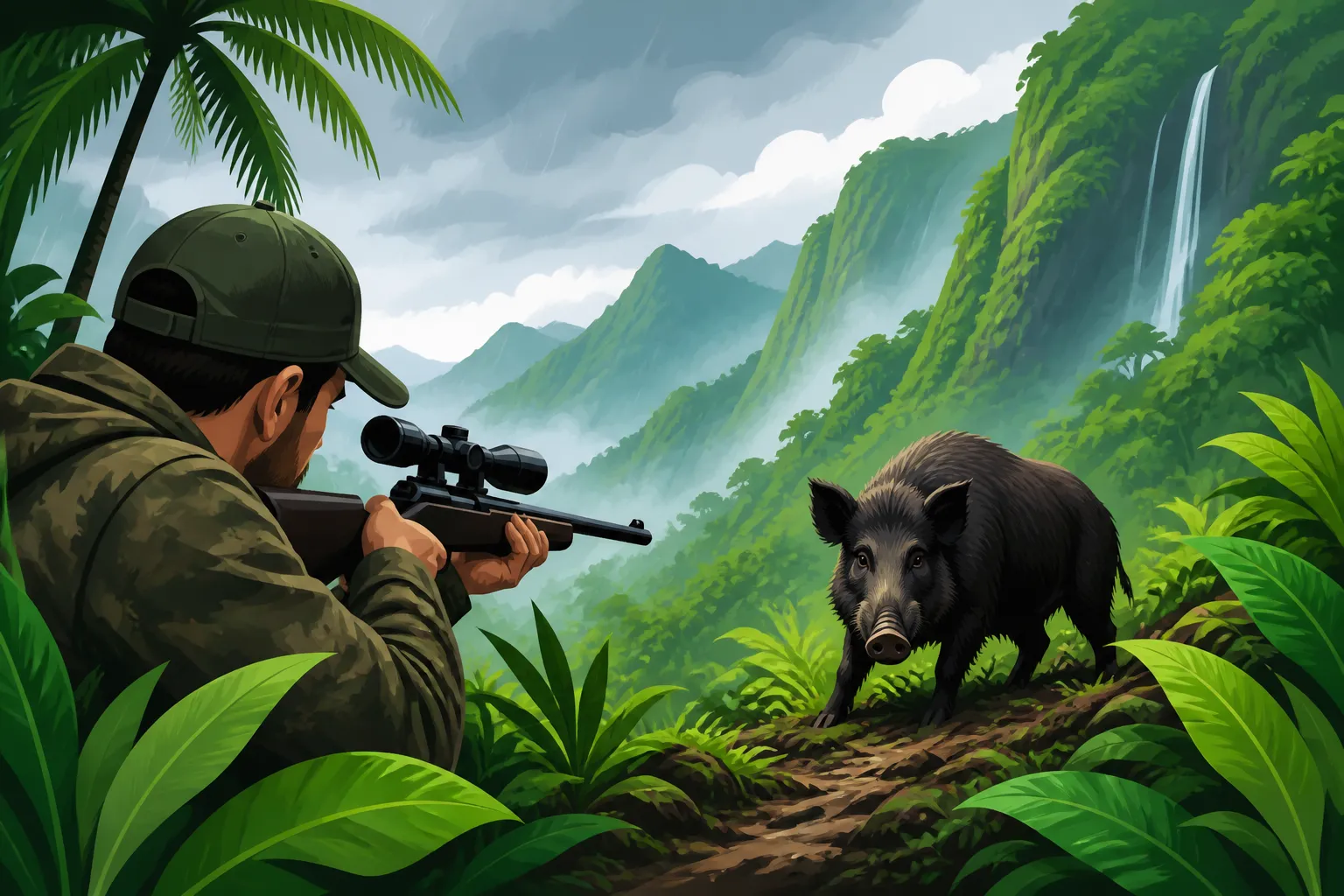
Hunting Pigs on Hawaii’s Wet Windward Side
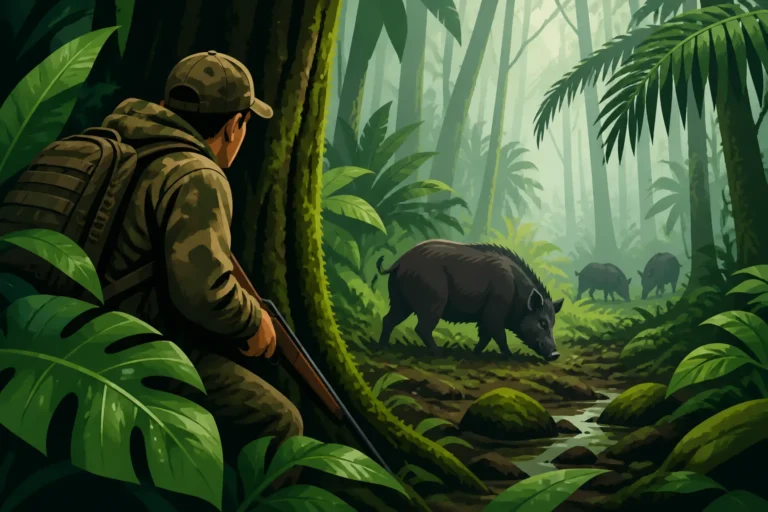
Hunting pigs on Hawaii's windward side is a whole different ballgame compared to the dry leeward slopes you might be used to. The relentless rain, oppressive humidity, and impossibly dense jungle can make it feel like you're constantly battling the environment as much as you're pursuing game. This guide is here to walk you through what to expect, how to prepare, and the most effective strategies for successfully navigating the unique challenges of chasing feral pigs in Hawaii's wet, verdant windward forests.
The Unique Environment of Hawaii's Windward Side
When you picture Hawaii, you might think of sunny beaches, but the windward side of each island is a world apart. These areas are characterized by consistent trade winds bringing moisture-laden clouds that dump significant rainfall, nurturing lush, often impenetrable rainforests. This constant wetness, combined with the incredibly rugged topography, creates a hunting experience unlike almost anywhere else.
Rain, Humidity, and Dense Vegetation
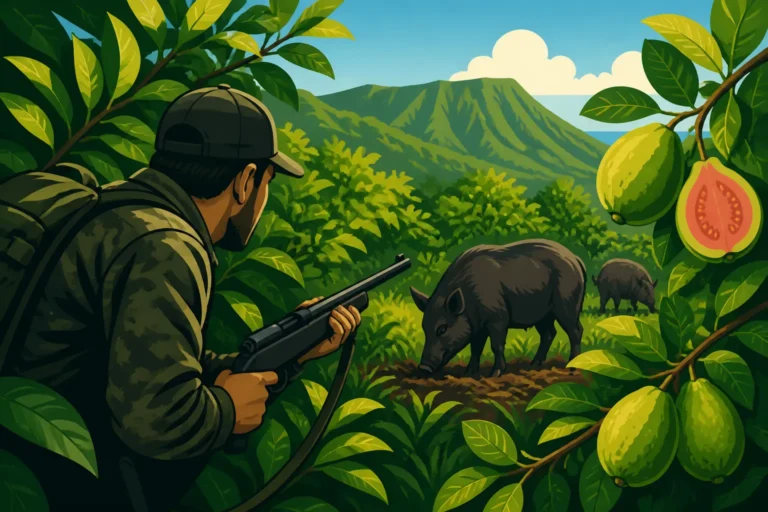
The defining characteristic of the windward side is the rain. It's not just occasional showers; it can be a steady, soaking drizzle for days, or torrential downpours that turn trails into muddy rivers in minutes. This means everything stays perpetually damp. Your clothes, your gear, and even the air itself feel heavy with moisture. This environment is perfect for certain types of vegetation to absolutely explode, forming thick tangles that are a nightmare to traverse. Think towering guava thickets, dense stands of ʻuluhe fern that can be chest-high, and thick hau and clidemia that grab at every step. This isn't open country where you can glass for miles; visibility is often limited to mere yards, forcing you to hunt intimately and slowly. The ground underfoot is almost always slick with mud, moss, or wet leaves, making every step a potential slip and slide into a hidden root or rock. This endless moisture also creates a perpetual challenge for your gear, from optics fogging up to firearms getting saturated.
Understanding Pig Behavior in Wet Forests
Feral pigs thrive in these conditions. The abundant rainfall means a constant supply of water and lush forage, from fallen fruits and roots to tender shoots. They don't need to travel far to find what they need, often sticking to well-worn trails and bedding down in the thickest, most impenetrable parts of the forest, where they feel secure from anything other than a determined hunter. You'll find their rooting sign everywhere, especially in areas where the soil is softer from the constant moisture. Wallows, those muddy depressions where pigs cool off and rid themselves of parasites, are common near streams, seeps, or low-lying areas that collect water. These wallows, along with fresh rubs on trees and muddy tracks, are crucial clues when you're still-hunting pigs in Hawaii's wet forest. After a heavy rain, pigs might move more freely, enjoying the cooler temperatures and softer ground for rooting. However, during torrential downpours, they'll often hunker down in dense cover, waiting out the storm. Knowing this can help you time your approach.
Effective Hunting Strategies for the Windward Side
Hunting in Hawaii's windward rainforest demands a patient, meticulous, and often physically demanding approach. It's not about long-range shooting; it's about close-quarters encounters born from careful tracking and silent movement.
Still-Hunting and Tracking in the Wet
Still-hunting in these conditions means moving incredibly slowly, pausing frequently, and using your ears as much as your eyes. The constant dampness can actually work in your favor by muffling your footsteps on the wet leaves and soft earth, though mud can still make noise. The air is often heavy, which can make thermals less predictable, but a steady wind can carry scent in a consistent direction. Focus on identifying fresh Reading Pig Sign Along a Muddy Trail, such as tracks, scat, and recent rooting. Look for areas where pigs have been actively feeding, especially around fallen fruit trees or along stream beds where they might travel between bedding and feeding areas.
Your ability to discern subtle movements and faint sounds is paramount. Listen for the rustling of leaves, the snapping of twigs, or the soft grunts of pigs as they move through the undergrowth. Pigs will often freeze when they sense danger, so take your time, scan the dense cover in front of you, and try to pick apart the shadows for any unnatural shapes or colors. When you spot a pig, closing the distance in such dense cover requires extreme caution and a keen understanding of the wind. A slight shift in the breeze can quickly betray your presence. It's a game of inches and patience, and often you'll only get a quick, fleeting shot at close range.
Dog Hunting in Dense Cover
For many local hunters, using dogs is the most effective and traditional method for Pig Hunting With Dogs in Hawaii on the windward side. The dogs' superior sense of smell and ability to penetrate thick cover make them invaluable for flushing out pigs that would otherwise remain hidden. However, dog hunting in these conditions presents its own set of challenges. The dense vegetation and steep ravines can make it incredibly difficult to keep track of your dogs. This is where modern technology, like good quality GPS collars for pig dogs in thick cover, becomes not just helpful but essential. Brands like Garmin's Alpha or Astro series are widely used here, allowing you to monitor your dogs' location even when they're out of sight and sound.
Dogs also face extreme physical demands in this terrain. They're constantly pushing through thick brush, navigating slippery slopes, and crossing muddy streams. They need to be well-conditioned and protected with cut vests to guard against boar tusks. The constant wetness can also lead to skin issues or paw pad problems if not properly cared for. When the dogs bay a pig, the hunter's job is to quickly and safely get to the bay, often through incredibly tough terrain, to dispatch the animal ethically. This requires a high level of fitness, teamwork, and quick decision-making, especially if the bay is in a steep gulch or on a precarious slope.
Hunting Rainforest Gulches and Valleys
Hawaii's windward side is carved by countless steep gulches and stream valleys, which often serve as natural travel corridors and bedding areas for pigs. These gulches provide cooler, damper environments that pigs relish, especially during warmer parts of the day. Hunting pigs in Hawaii's rainforest gulches requires careful planning and a healthy respect for the terrain. Accessing the bottom of a gulch can be treacherous, involving steep descents on slippery trails or even rappelling in some extreme cases. Once you're in, navigating the gulch floor often means contending with moving water, slick rocks, and incredibly dense vegetation along the banks.
Pigs will use these gulches to move between different elevation zones, feed on streambed plants, or simply escape pressure. You might find them wallowing in stagnant pools or rooting along the muddy banks. Pay close attention to thermals here; in the mornings, scent will typically rise out of the gulch, while in the evenings, it will flow down. This constantly shifting air current can make it tricky to approach undetected. Successfully hunting a gulch often means working with the thermals, moving slowly, and being prepared for a close-range encounter. Remember that getting a pig out of a Hawaii gulch can be as challenging as the hunt itself, often requiring multiple trips or a team effort.
Essential Gear and Preparation for Wet Hunts
Proper preparation and the right gear can make or break a windward pig hunt. The environment will test everything you bring, so investing in durable, reliable equipment is crucial.
Waterproof Clothing and Footwear
This is non-negotiable. You will get wet, but your goal is to stay as dry as possible to prevent hypothermia and discomfort. A good quality waterproof rain jacket and pants are essential. Look for breathable materials like Gore-Tex or similar membranes that allow sweat to escape while keeping rain out. Layering is key: a moisture-wicking base layer, an insulating mid-layer (like fleece), and your waterproof outer shell. This allows you to adjust to the fluctuating temperatures and exertion levels.
For footwear, durable, waterproof boots are paramount. Many local hunters prefer knee-high rubber boots (like Muck Boots or LaCrosse) for traversing muddy, wet terrain and crossing shallow streams. These offer excellent waterproofing and traction. If you opt for hiking boots, ensure they are fully waterproof and well broken-in, as constantly wet feet can quickly lead to blisters. Always pack multiple pairs of moisture-wicking socks (wool or synthetic) and change them regularly to keep your feet as dry and healthy as possible.
| Gear Category | Recommended for Wet Windward Hunting | Why It's Crucial |
|---|---|---|
| Outerwear | Waterproof/breathable rain jacket & pants (Gore-Tex, etc.) | Keeps you dry in constant rain; crucial for comfort and preventing hypothermia. |
| Footwear | Knee-high rubber boots or waterproof hiking boots | Navigates mud, streams, and prevents water ingress; crucial for foot health and traction. |
| Base Layers | Moisture-wicking (synthetic or wool) | Pulls sweat away from your skin, even when wet, aiding in temperature regulation. |
| Navigation | GPS device with extra batteries / OuterSpatial app | Essential for staying found in dense, featureless terrain where cell service is non-existent. |
| Weapon Protection | Waterproof rifle cover, dry bag for muzzleloader powder | Protects firearms from rust and ensures ammunition/powder remains viable in constant dampness. |
| Backpack | Waterproof pack or pack liner | Keeps essential gear (first aid, food, extra clothes) dry and protected. |
| First Aid | Comprehensive kit with blister care, antiseptic | Essential for slips, cuts, scrapes, and foot care in a remote, challenging environment. |
| Hydration | Water bottles/bladder + water filter | Staying hydrated is crucial, even in cool, wet conditions. Filter allows replenishment from streams. |
| Communication | Satellite messenger (Garmin InReach, Zoleo) | Emergency communication where cell service is unavailable; a lifeline in remote areas. |
Weapon Care and Protection
The constant humidity and rain are unforgiving on firearms. Rust can form surprisingly quickly, and moisture can compromise ammunition. If you're using a rifle, a good waterproof rifle cover or sling protector is a must. After the hunt, thoroughly clean and oil your firearm, paying special attention to all metal surfaces. For muzzleloader hunting in Hawaii, keeping powder dry on a wet forest hunt is a significant concern. Pre-measured powder charges in sealed containers are essential, and waterproof primer caps are highly recommended. A shotgun for close-range shots in dense cover can be effective, but again, ensure it's well-protected.
Archery equipment also needs attention. Keep broadheads covered and your bow string waxed. The dampness can affect arrow fletching and sights, so regular checks are advised. Always remember that regardless of your weapon choice, the goal is a quick, ethical harvest, which means your equipment must function flawlessly despite the conditions.
Navigation and Safety Equipment
Staying found in dense Hawaii rainforest can be a monumental challenge. The canopy often blocks out the sun, making it difficult to orient yourself, and the terrain can look remarkably similar in every direction. A reliable GPS device, like a Garmin handheld, pre-loaded with detailed topographical maps is absolutely essential. Don't rely solely on your phone; cell signal on a Hawaii hunt is often non-existent, especially in deep gulches or remote areas. Always carry extra batteries for your GPS.
Beyond navigation, a comprehensive first aid kit is critical. Slips, falls, and cuts are common in this environment. Include blister treatment, antiseptic wipes, pain relievers, and any personal medications. A satellite messenger (like a Garmin InReach or Zoleo) is a smart investment for emergency communication, allowing you to send messages or trigger an SOS even without cell service. Bright blaze orange clothing is also advisable, even if not always strictly required by law, especially when hunting with a group or during busier periods, to enhance visibility and safety. Before you even head out, ensure you've checked in at a Hawaii hunter station or through the OuterSpatial app, letting officials know your planned route and expected return time. This is a critical safety measure.
Post-Harvest Considerations and Ethical Practices
Successfully harvesting a pig on the windward side is only half the battle. Dealing with the carcass in these conditions, and doing so ethically, requires thoughtful consideration.
Field Care in Humid Conditions
Once a pig is down, time is of the essence, especially in Hawaii's heat and humidity. Meat can spoil incredibly fast. The first step is to quickly Field Dressing Axis Deer in Hawaii Heat, or in this case, a feral pig. Get the guts out immediately to allow the carcass to begin cooling internally. If possible, quarter the animal to facilitate cooling and easier packing. Pack meat out of a Hawaii gulch or dense forest as quickly as possible. Many hunters bring game bags or specialized pack frames for this purpose.
If you have a long pack out, especially in warm conditions, consider having a cooler with ice at the trailhead or in your vehicle. Some hunters even bring large freezer bags and ice packs into the field if they are not too far from their vehicle, to put inside the body cavity for an initial cool-down. The goal is to get the meat cooled down to below 40°F (4°C) as quickly as possible to ensure its quality. Remember that proper hygiene during field dressing is crucial to avoid contamination and potential diseases like leptospirosis, which can be present in feral pigs.
Respecting the Land and Community
Hunting in Hawaii is a privilege, and respecting the land, wildlife, and local community is paramount. This means practicing Leave No Trace principles. Pack out everything you pack in, and if you can, pack out any trash you find along the way. Be mindful of private property boundaries and only hunt in designated Hawaii's Hunting Units and How They Work or with explicit permission on private land. You can verify land status using resources like the GoHunt Hawaii website or the OuterSpatial app, which often have maps showing public and private boundaries.
Familiarize yourself with Hawaii Hunting Licenses and What They Cost and all local regulations, including specific unit rules, bag limits, and legal weapons for the season. Ethical hunting also extends to how you interact with others you might encounter in the field, whether they are fellow hunters, hikers, or land managers. A positive reputation for hunters ensures continued access and support for hunting programs. Hunting in Hawaii is a vital tool for conservation, helping to manage invasive species that damage the native ecosystem. By being a responsible and ethical hunter, you contribute to the health of these unique islands.
Disclaimer
Hunting carries inherent risks, including injury and death. This guide provides general information and recommendations. Always consult the latest Hawaii Department of Land and Natural Resources (DLNR) Division of Forestry and Wildlife (DOFAW) regulations, obtain necessary licenses and permits, and prioritize safety in the field. Your personal preparedness, skill level, and judgment are critical for a safe and successful hunt.