Muzzleloading in Hawaii’s Humidity
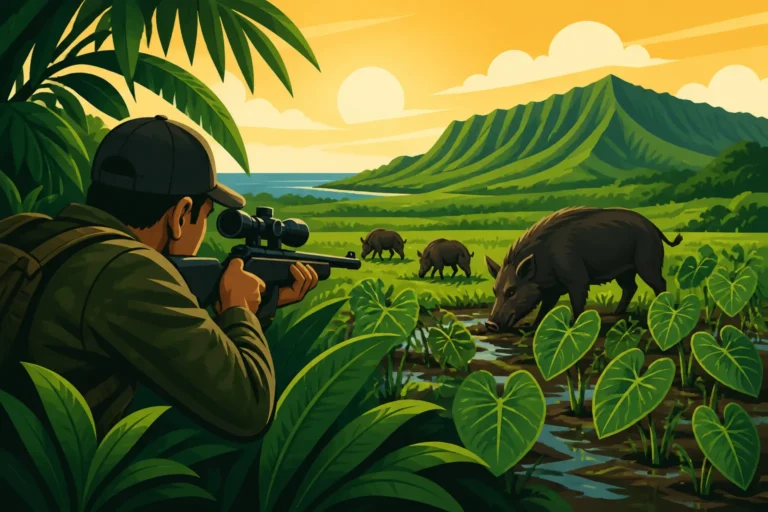
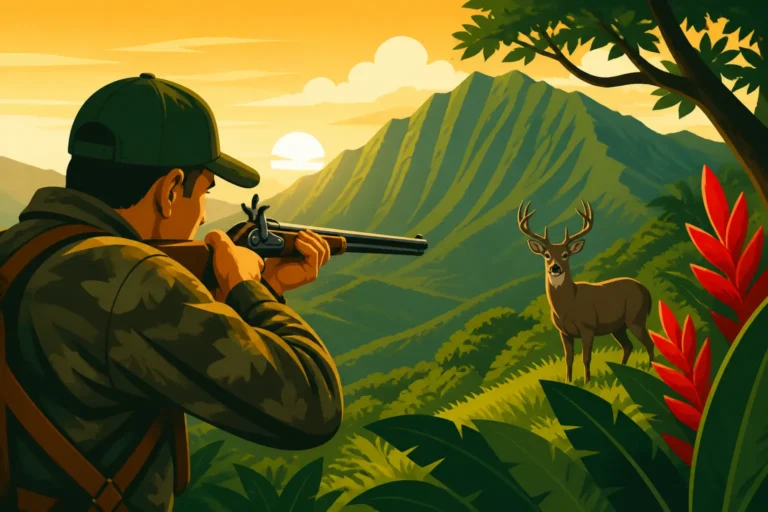
There's nothing quite like the heart-stopping moment when you finally have an animal in your sights, only for your muzzleloader to go click instead of bang. In Hawaii, where the humidity can feel like a warm, wet blanket even on a clear day, this particular frustration is a very real, very common concern for hunters. This guide is here to walk you through the specific challenges of muzzleloading in Hawaii's unique climate and equip you with the knowledge and tactics to ensure your rifle fires reliably every single time, helping you make the most of your hunting adventure.
The Unique Challenges of Muzzleloading in Hawaii's Humidity
Muzzleloading, by its very nature, is a more finicky pursuit than hunting with modern cartridge firearms. Add in Hawaii's pervasive humidity and frequent rain showers, and you've got a recipe for potential disappointment if you're not prepared. The islands' climate isn't just about heat; it's about the sheer amount of moisture in the air, whether you're stalking through a misty rainforest gulch or glassing a dry, kiawe-studded slope where the air still feels thick with tropical dampness.
How Moisture Affects Black Powder and Pellets
The Achilles' heel of any muzzleloader is its powder. Black powder, and even many modern black powder substitutes like Pyrodex or Triple Seven, are incredibly hygroscopic – meaning they love to absorb moisture from the air. Imagine your carefully measured powder charge slowly drawing in water molecules as you hike through a dewy morning or sit patiently during a sudden drizzle. This absorbed moisture can significantly degrade the powder's ability to ignite properly, leading to weak charges, hang fires, or worse, a complete misfire. Pellets, while often more moisture-resistant than loose powder, are not immune. Their internal structure can still draw in humidity over time, affecting their consistent burn rate and overall performance.
This isn't just about a rainy day; it's about the ambient humidity that saturates everything. Even on what seems like a sunny, dry afternoon on the leeward side of an island, the air still holds more moisture than many mainland hunters are accustomed to. A powder charge loaded days before a hunt, or even the night before, can already be compromised. This makes proper sealing and protection of your powder, both in storage and once loaded, absolutely critical to a successful muzzleloading hunt in Hawaii.
Rust and Corrosion: A Constant Battle
Beyond the powder itself, your muzzleloader's metal components are in a perpetual war against rust and corrosion. Hawaii's high humidity, combined with saltwater exposure near coastal hunting areas or even just the corrosive sweat from your hands, creates an ideal environment for oxidation. The bore, the external metal surfaces, and especially the intricate parts of the ignition system like the nipple or breech plug, are all vulnerable.
Many hunters spend hours meticulously cleaning their rifles after a hunt, but in Hawaii, proactive protection is paramount. Leaving a gun uncared for even for a single humid night can result in a surprising amount of surface rust, which can quickly escalate into pitting if not addressed. This isn't just an aesthetic concern; rust in the bore can impact accuracy, and rust on moving parts can impede the smooth operation of your firearm, potentially causing safety issues or critical malfunctions when you need it most.
Impact on Ignition Systems
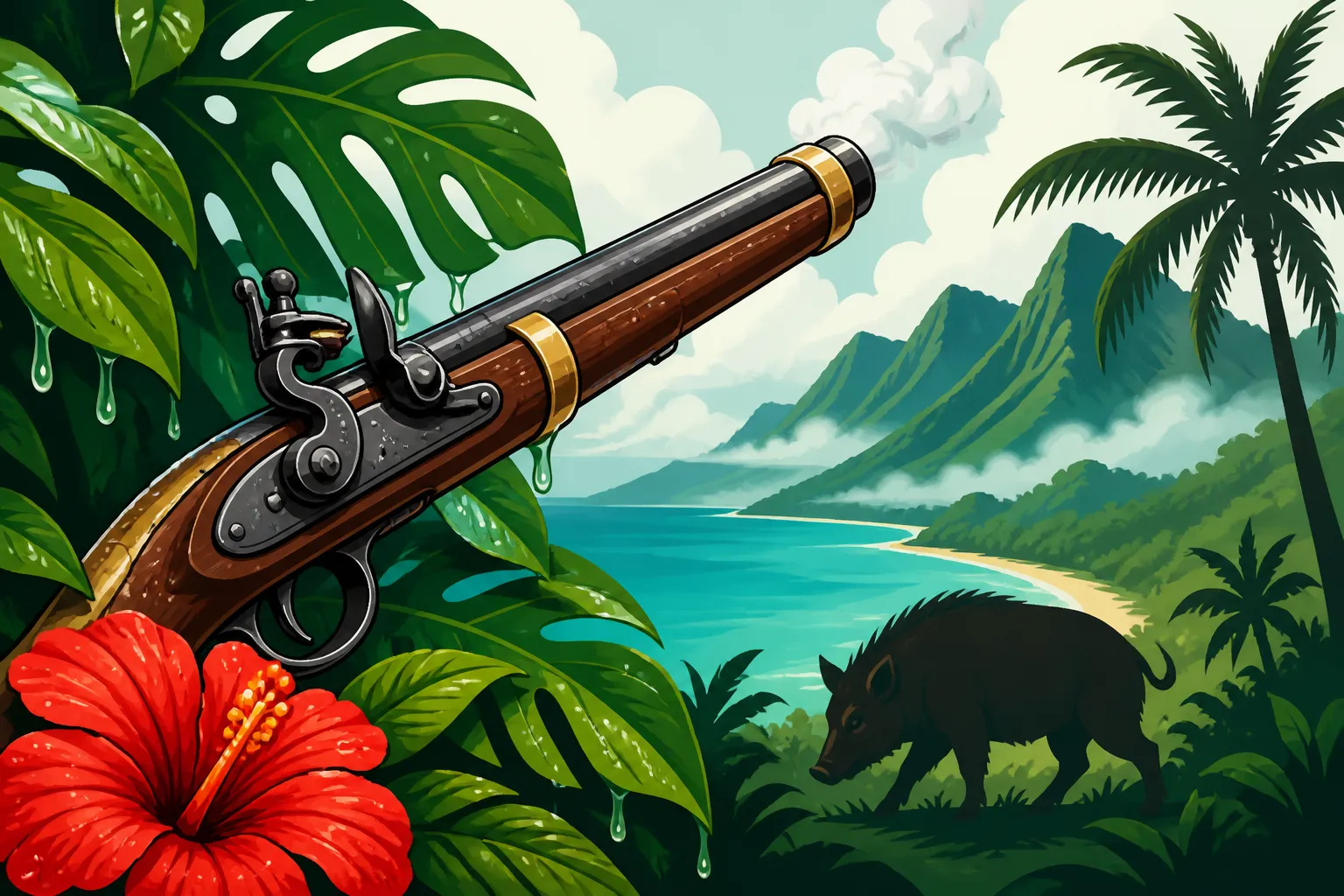
The ignition system of a muzzleloader is its heart. Whether you're using percussion caps, 209 primers, or even flintlock mechanisms (though less common in modern Hawaii hunting), moisture is the enemy. Percussion caps can become damp and fail to ignite the powder charge. 209 primers, while more robust, can also be affected, especially if not fully seated or if exposed to prolonged moisture. The flash channel in your breech plug is a tiny pathway that carries the ignition spark to the powder. If this channel becomes fouled with damp powder residue or, worse, corroded, the flame transfer can be compromised.
A common scenario might be a hunter taking a shot, hearing a faint pop from the primer, but no main charge ignition – a classic hang fire. This is often due to a primer that didn't fully ignite or a flash channel partially blocked by moisture-laden fouling. It's frustrating, potentially dangerous, and a direct consequence of Hawaii's climate. Ensuring these small, critical components are always dry, clean, and properly sealed is not just good practice; it's absolutely non-negotiable for muzzleloading success here.
Preparing Your Muzzleloader for Hawaii's Wet Conditions
Successfully hunting with a muzzleloader in Hawaii requires a level of preparation that goes beyond what you might do in drier climates. It’s all about redundancy, waterproofing, and attention to detail before you even step foot in the field. Think of it as preparing your gear for an amphibious assault, even if you’re just walking through some tall, wet grass.
Choosing the Right Components
When it comes to your muzzleloader setup for Hawaii, every component choice matters. Start with the rifle itself. While beautiful, traditional blued steel and wood stocks require constant vigilance. Synthetic stocks and stainless steel barrels offer a significant advantage in corrosion resistance. Brands like CVA and Traditions, for instance, offer excellent stainless-steel options that can withstand the Hawaiian elements much better. For ignition, 209 primers are generally the most reliable and moisture-resistant option compared to percussion caps. They offer a hotter, more consistent spark, which is crucial for igniting damp powder.
Next, consider your powder. While loose black powder is traditional, modern pelletized substitutes like Triple Seven Pellets or Pyrodex Pellets can be a game-changer. They are often less hygroscopic and come in pre-measured charges, which reduces exposure to humidity during loading. For projectiles, saboted bullets offer good accuracy and can be more forgiving in terms of bore condition, but the sabots themselves should be kept dry. All these small decisions add up to a more reliable system when facing the moisture that will inevitably be present.
Essential Pre-Hunt Maintenance Steps
Before any hunt, a thorough cleaning and inspection of your muzzleloader is crucial, but for Hawaii, it needs to be meticulous. Start by completely disassembling your rifle, paying close attention to the breech plug and flash channel. Use a cleaning solvent to remove all carbon and powder residue, then dry everything thoroughly. Inspect the breech plug's flash hole to ensure it's clear and unobstructed. A small pick or drill bit (sized appropriately for your plug) can help ensure it's perfectly open.
Once clean and dry, apply a high-quality, corrosion-inhibiting lubricant or protectant to all metal surfaces, both internal and external. Pay extra attention to the bore, treating it with a rust-preventative oil. A thin layer is all that's needed – excess oil can attract fouling and moisture. Reassemble your rifle, ensuring all screws are snug. Don't forget to dry-fire a primer or cap a few times to clear any residual oil from the flash channel. This level of preventative care will significantly reduce the risk of rust and ignition failures when you’re out chasing pigs in a damp gulch or axis deer in the early morning mist.
Waterproofing Your Muzzleloader
This is where Hawaii hunting diverges significantly from what many mainland hunters are used to. You need to actively waterproof your muzzleloader. The most critical point is the muzzle. Once you've loaded your powder and projectile, seal the muzzle with a small piece of electrical tape, a latex finger cot, or even a specialized muzzle protector designed for this purpose. This prevents rain, dew, or even condensation from entering the bore and compromising your powder charge from the front.
Similarly, the breech and ignition area need protection. If using 209 primers, ensure your primer pocket is clean and dry before seating the primer. Consider applying a small amount of non-petroleum-based grease around the base of the primer where it meets the breech plug to create a seal against moisture. For percussion caps, a piece of electrical tape wrapped securely around the cap and nipple can work wonders. Additionally, treat your stock with a water-resistant finish, and consider using a barrel sleeve or a breathable gun cover when transporting or pausing during the hunt. Every layer of defense against moisture counts. To learn more about specific techniques, you might want to read our guide on Keeping Powder Dry on a Wet Forest Hunt.
Field Tactics for Muzzleloading in the Tropics
Even with the most meticulous preparation, the Hawaiian environment will test your gear and your patience. Smart field tactics are essential to maintain your muzzleloader's reliability when you're deep in a unit, far from your truck or camp.
Protecting Your Shot in the Field
Once you've loaded your muzzleloader, the challenge shifts to keeping that loaded charge dry until the moment of truth. If you’ve followed the waterproofing steps, your muzzle and primer should be sealed. However, extended exposure to heavy rain can still find weak points. When moving through thick vegetation or during a light rain, keep the muzzle pointed down as much as possible to prevent water from running directly into the barrel.
If a heavier shower starts, seek immediate shelter under a dense tree canopy or a quick-deploy rain poncho. During these pauses, you might gently wipe down exposed metal surfaces to remove surface moisture. Consider carrying a small, waterproof pouch with extra primers, a spare breech plug, and a dry patch or two. Don't fall into the trap of thinking a quick shower won't matter; even a few minutes of steady rain can be enough to compromise an unprotected muzzleloader.
Dealing with Rain and Unexpected Showers
Hawaii is famous for its "liquid sunshine" – sudden, often localized downpours that can appear out of nowhere, especially on the windward side of the islands. These are not just inconveniences; they are threats to your muzzleloader's functionality. Always carry reliable rain gear, even if the forecast looks clear. A good set of waterproof outer layers, perhaps like those recommended in our guide on Rain Gear for a Windward Hawaii Hunt, can protect you and allow you to quickly cover your rifle.
When a shower hits, prioritize keeping your muzzleloader covered. A sturdy, waterproof rifle sling cover can make a huge difference. If you have to take a shot in the rain, remember to remove any muzzle protection you've applied just before the shot. After the rain passes, take a moment to carefully wipe down your rifle with a dry cloth, paying attention to crevices and moving parts. If you suspect water may have entered the bore, or if you experience a misfire, consider unloading and reloading with fresh components as soon as it's safe and practical to do so. It's far better to sacrifice a powder charge than to have an unreliable rifle when an opportunity arises.
Post-Hunt Care in Humid Environments
The hunt doesn't end when you pull the trigger or when you return to your vehicle; for a muzzleloader in Hawaii, post-hunt care begins immediately. As soon as you're done hunting for the day, or at the very least upon returning to camp or your home, unload your rifle if it's still loaded. Even if you didn't fire a shot, the loaded powder charge has been exposed to the day's humidity and should be removed.
Begin cleaning your muzzleloader as quickly as possible. Don't wait until the next day. The corrosive residue from black powder, combined with Hawaii's humidity, will aggressively attack your rifle's metal components. Field strip it, clean the bore and breech plug thoroughly with a good solvent, and then dry everything completely. Apply a fresh coat of corrosion-inhibiting oil or protectant. This immediate, diligent cleaning is the best defense against rust and ensures your muzzleloader is ready for your next outing. Remember, preventing rust now saves you hours of scrubbing and potential permanent damage later.
Recommended Muzzleloader Gear for Hawaii Hunts
Beyond the muzzleloader itself, certain gear choices can significantly enhance your success and comfort when hunting in Hawaii's unique environment. It’s all about being prepared for the heat, the wet, and the rugged terrain.
Must-Have Accessories
Your accessory kit for a Hawaii muzzleloader hunt needs to be robust and moisture-proof. Here’s what I always recommend:
- Waterproof Container for Powder: Even if using pellets, keep them sealed in a dedicated waterproof container. For loose powder, an airtight, military-style ammo can works wonders.
- Sealed Primers: Carry your 209 primers (or percussion caps) in a small, completely waterproof container. Many primer manufacturers offer plastic trays, but adding them to a small, sealed OtterBox or similar case is even better.
- Loading Jags and Ramrods: Always have a sturdy, full-length ramrod with appropriate loading jags and brushes. Consider a two-piece carbon fiber or solid brass ramrod for durability.
- Muzzle Protectors: Latex finger cots, electrical tape, or specialized muzzle covers are essential.
- Breech Plug Wrench & Spare Plug: A dedicated wrench for your breech plug is a must. A spare, pre-cleaned and oiled breech plug, carried in a sealed bag, can save a hunt if your primary one fouls beyond quick field cleaning.
- Cleaning Patches & Solvent: Carry a small, sealed bag of dry patches and a travel-sized bottle of non-corrosive, quick-drying solvent.
- Waterproof Gun Case/Cover: For transport and during prolonged rain, a robust, waterproof case or a flexible, waterproof cover is vital.
- Desiccant Packs: Throw a few desiccant packs into your gun case and ammo containers to absorb ambient moisture.
- Small Flashlight/Headlamp: For inspecting the bore or working on your rifle in low light.
Having these small items readily accessible can prevent minor issues from becoming major hunt-ending problems.
Clothing and Personal Gear Considerations
Your personal gear needs to combat both heat and humidity while offering protection from rain and the elements. Forget heavy wool and think layers of lightweight, breathable, quick-drying synthetics.
- Lightweight Rain Gear: A quality, lightweight, packable rain jacket and pants are non-negotiable. Look for GORE-TEX or similar waterproof/breathable membranes. Brands like Patagonia or Sitka offer excellent options.
- Moisture-Wicking Base Layers: Synthetic or merino wool base layers will pull sweat away from your body, helping you stay cooler and drier.
- Quick-Dry Outerwear: Lightweight shirts and pants that dry quickly are paramount. Cotton is a definite no-go as it holds moisture and takes forever to dry, leading to chafing and a chill once the sun goes down.
- Sturdy, Waterproof Boots: You'll encounter wet grass, muddy trails, and potentially stream crossings. Invest in good quality, waterproof hiking boots that offer ankle support. Break them in well before your trip.
- Wide-Brimmed Hat: Protection from the intense Hawaiian sun and also useful for deflecting light rain from your face and glasses.
- Waterproof Backpack: A pack with a built-in rain cover or a fully waterproof design is essential for protecting your other gear, food, and electronics.
Remember, the goal is to stay as dry and comfortable as possible, which directly impacts your focus and endurance throughout the hunt, especially when you're making a long walk into a remote Hawaii unit.
Transporting Your Muzzleloader Safely
Transporting a muzzleloader in Hawaii, especially between islands or even just to different hunting units, requires careful planning. First, always ensure your firearm is unloaded when transporting it. This is a fundamental safety rule. When flying into Hawaii, or traveling between islands, rifles must be declared, transported in a locked, hard-sided case, and follow all TSA and airline regulations. You might also need to read up on Hawaii Rules on Bringing a Firearm to the Islands.
For ground transport to a hunting unit, keep your muzzleloader in a soft case or a waterproof scabbard to protect it from dust, road grime, and light rain. If you're heading to a unit that requires a 4WD road, your rifle will be subjected to bumps and vibrations, so ensure it's securely stored. When stopping for a break or at a hunter check station, avoid leaving your muzzleloader exposed to the elements or in direct sunlight for extended periods. Heat and direct sun can still affect powder, and a sudden shower can soak an unprotected rifle in minutes. Consider a breathable gun sock inside a hard case to prevent condensation buildup during storage.
Overcoming Common Muzzleloading Issues in Hawaii
Despite your best efforts, Hawaii's climate can still throw a wrench in your plans. Knowing how to troubleshoot common muzzleloader problems in the field can mean the difference between punching a tag and heading home empty-handed.
Addressing Hang Fires and Misfires
The dreaded click or delayed bang is a truly demoralizing experience. If you experience a hang fire (a delayed ignition) or a misfire (no ignition at all), the first and most critical rule is to keep the muzzle pointed in a safe direction for at least 30 to 60 seconds. Black powder can have a notoriously slow burn, and a delayed ignition is a real possibility. Never assume it's a dud immediately.
After the safety wait, if it still hasn't fired:
- Check the Primer/Cap: Carefully open the action (if applicable) and inspect the primer or cap. Is it struck? Is there an indentation? If not, ensure it's seated properly and try again with a fresh primer/cap if possible.
- Clear the Flash Channel: A common culprit is a blocked flash channel in the breech plug. Using a small pick or the appropriate tool from your cleaning kit, carefully clear the flash hole. Sometimes, a damp powder residue can block this critical path.
- Unload and Reload: If the above steps fail, you'll need to unload the rifle. This typically involves using a CO2 discharger or carefully removing the breech plug. This is why having a spare breech plug is invaluable. Once unloaded, inspect the powder and projectile for moisture damage. Reload with fresh, dry powder and a new projectile. This might feel like a hassle, but it's the most reliable way to restore confidence in your rifle.
Dealing with these issues requires calm and methodical action. Practice these procedures at home in a safe environment so they become second nature under pressure.
Clearing a Wet or Fouled Bore
A bore that's wet or excessively fouled can significantly reduce accuracy and reliability. If your muzzle protection failed, and you suspect water entered the bore from the front, or if you've fired a shot and didn't have a chance to clean, you'll need to address it.
For a wet bore, if it's not loaded, run a few dry patches through it to absorb as much moisture as possible. Follow this with a lightly oiled patch to prevent rust. If it's loaded and you suspect water entered, your best bet is to safely unload it and reload with fresh components. A damp powder charge is unreliable and unpredictable.
If the bore is heavily fouled after a shot or two, accuracy will quickly degrade. Carrying a small bottle of cleaning solvent and some patches can allow for a quick field cleaning. Remove the breech plug, run a few solvent-soaked patches through the bore, and then follow with dry patches. While not a full cleaning, it can remove enough fouling to restore reasonable accuracy for subsequent shots. Remember, this kind of quick field cleaning is only a temporary measure; a thorough cleaning is required as soon as possible after the hunt.
Adapting to Changing Weather
Hawaii's weather can shift on a dime. One moment you're basking in warm sunshine, the next a misty rain rolls in, or the wind picks up dramatically. For muzzleloaders, this means constantly adapting your protection strategy.
- Anticipate: Pay close attention to local weather patterns. If you're hunting pigs on Hawaii's Wet Windward Side, expect rain. If you're on a dry leeward slope, understand that midday heat can create humid thermals as you ascend. Checking the forecast, especially for specific microclimates within your chosen unit, is crucial. The GoHunt app can be a great tool for this, providing weather overlays and unit information.
- Layer Up: Dress in layers so you can easily add or shed clothing as conditions change, helping you regulate body temperature and stay dry from sweat.
- Shelter: Always be aware of potential natural shelters in your hunting area – dense trees, rock overhangs, or even thick stands of guava – where you can take refuge during a sudden downpour to protect your rifle and yourself.
- Mind the Wind: Strong winds can blow rain into unprotected areas of your muzzleloader. They can also affect your shot, so consider wind conditions if you do take a shot in the rain.
Being proactive about weather changes, rather than reactive, will keep you and your muzzleloader in prime condition for when that shot opportunity finally presents itself.
Disclaimer
Hunting in Hawaii involves inherent risks. This guide provides general information and recommendations. Always consult the most current Hawaii Department of Land and Natural Resources (DLNR) hunting regulations for specific rules, seasons, and legal requirements. Stay safe, be prepared, and hunt ethically.