Hunting an Old Hawaii Ranch Road
There’s nothing quite like the frustration of hitting a new hunting unit in Hawaii, eager to get after it, only to find yourself immediately swallowed by thick, impenetrable tangles of guava, kiawe, or dense fern forest. It feels like you're fighting the jungle more than hunting, and finding a clear path, let alone game, can be a monumental task. But don’t throw in the towel just yet! This guide is going to open your eyes to one of the most overlooked and productive hunting opportunities out here: the humble, often forgotten, old Hawaii ranch road. These unassuming pathways can be absolute game magnets, offering easier access and funneling animals right into your path if you know how to read them.
Why Old Ranch Roads Are Gold Mines for Hawaii Hunters
You might look at a beat-up, overgrown dirt track and think, "What good is that?" But beneath that seemingly rough exterior lies a wealth of opportunity that savvy hunters have been leveraging for generations. These aren't just paths; they're historical corridors that still dictate how wildlife moves through the landscape today.
Historical Access and Modern-Day Wildlife Movement
Think about it: before modern machinery could cut trails through anything, people, and eventually animals, followed the path of least resistance. Old ranch roads were originally carved out, often by hand or with rudimentary equipment, to move cattle, access pastures, or connect distant parts of a property. Over time, many of these roads fell into disuse as ranching operations changed, or parcels of land became part of public hunting units. But here’s the kicker: the animals never forgot those paths.
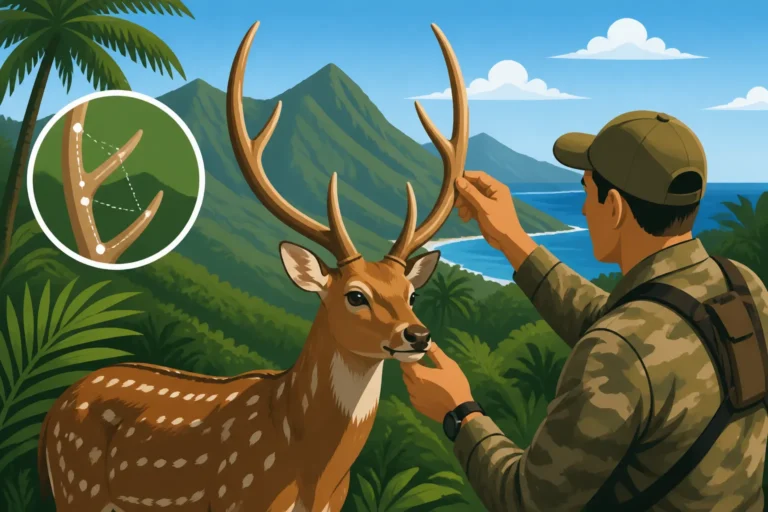
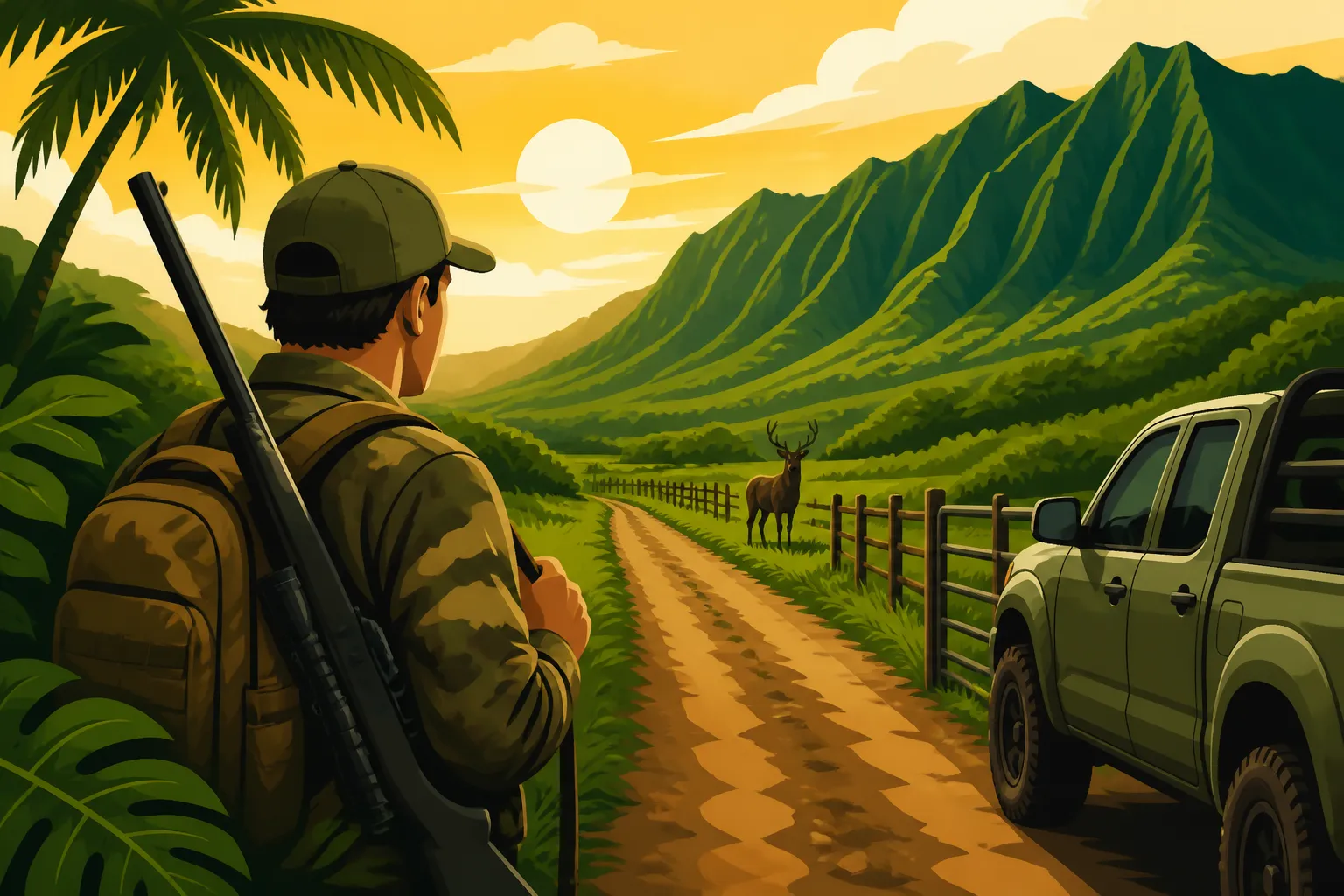
Today, these old roads act as natural superhighways for Hawaii's game. Whether you’re interested in a challenging day of hunting Hawaii's feral pigs or hoping to intercept a wary axis deer, these old thoroughfares are key. Pigs, notorious for their intelligence and desire for easy travel, will readily use an old road to navigate dense thickets or traverse long distances between bedding and feeding areas. It conserves their energy, and it gives them a clearer line of sight than pushing through a choked forest. Similarly, feral goats, especially on the drier, more open slopes, will follow these faint tracks, often using them as escape routes or to move between different grazing pockets. And those beautiful axis deer? They often use these linear features to travel between open kiawe flats and more sheltered bedding areas, making them prime spots for interception. For us hunters, it’s a welcome reprieve from the relentless machete work sometimes required when hunting Hawaii's volcanic terrain or deep rainforest gulches.
Edge Habitat and Food Sources
One of the most powerful ecological principles is the concept of "edge habitat," and old ranch roads create it in spades. Edge habitat is where two different habitat types meet, and it’s typically where you’ll find the greatest diversity and abundance of wildlife. An old road often carves a line through a thick forest, creating a distinct boundary between the dense canopy and the more open, sun-drenched roadside.
This edge environment leads to a fantastic variety of food sources. The increased sunlight along the road allows for a flush of grasses, forbs, and pioneering plant species that might not thrive deep within the shaded forest. These tender shoots are incredibly attractive to grazers like axis deer and feral goats. You might find patches of wild ginger, guava, or even native mamane trees growing along these edges, providing seasonal fruits, flowers, and browse that pigs and sheep find irresistible. Imagine a line of fruiting guava bushes bordering an old road – it's a buffet for pigs! During the drier months, when many areas are parched, these roadsides can sometimes hold a bit more moisture, keeping vegetation greener for longer and concentrating animals that much more. It's a fundamental aspect of understanding why animals move and feed where they do, and a well-preserved old ranch road is a prime example of this phenomenon in action.
Scouting and Interpreting Sign on Old Ranch Roads
Finding an old ranch road is one thing; knowing how to hunt it effectively is another. The secret lies in becoming a master detective, reading the subtle clues that animals leave behind. Every track, every disturbed patch of earth, every rub on a tree tells a story.
Reading the Road: Tracks, Rubs, and Scrapes
When you’re walking an old ranch road, you need to slow down and really look. This isn’t about making good time; it’s about observing. Fresh tracks are your first and best indicator. Look for clear imprints in any soft dirt or mud. Pig tracks are generally rounded with visible dewclaws, and often they'll walk in a diagonal pattern, their hooves splayed slightly. Goat tracks are typically sharper, more pointed, and narrower, often showing a distinct split. Axis deer tracks are similar to domestic deer but can be more dainty and pointed, especially in dryer conditions. Learning to differentiate between these is key, and after a good rain, tracks will be crisp and clear, telling you exactly who’s been using the road and when. Pay attention to track direction and size – a fresh, large boar track heading into a thicket is a world different from an old, small piglet track going the other way.
Beyond tracks, look for other obvious signs. Pigs are notorious for rooting, tearing up the ground in search of tubers, grubs, and fallen fruit. These disturbed patches, often looking like a rototiller went through, are unmistakable. Fresh rooting means pigs are actively working that area. Mud wallows, depressions filled with muddy water where pigs cool off and rid themselves of parasites, will often be found near these roads, especially where water collects. For axis deer, keep an eye out for fresh droppings (pellets, often in small piles) and rubs on smaller trees or saplings. A buck will rub his antlers against these to remove velvet or to mark his territory, leaving scraped bark and sometimes even broken branches. This is particularly useful when you're focusing on reading axis deer sign in dry country. Goats might leave droppings, which are small, round pellets, and occasionally you'll see areas where they've browsed heavily on specific plants along the road edge.
| Sign Type | Typical Animal(s) | Appearance | Freshness Indicator |
|---|---|---|---|
| Tracks | Pigs, Goats, Axis Deer | Impressions in soft soil/mud. Pig: rounded, splayed; Goat: sharp, pointed; Axis: dainty, pointed. | Clear, sharp edges after rain; no dry leaves in prints. |
| Rooting | Pigs | Ground torn up, soil overturned, often in distinct patches. | Wet, disturbed soil after rain; fresh plant debris. |
| Mud Wallow | Pigs | Depressions filled with muddy water, often with hair or mud on surrounding vegetation. | Wet, churned mud; fresh hair strands on nearby plants. |
| Droppings (Scat) | All | Pigs: variable clumps; Goats: small, firm pellets; Axis: cylindrical pellets. | Dark, moist, shiny (fresh); dry, brittle, faded (old). |
| Tree Rubs | Pigs, Axis Deer | Scraped bark on trees/bushes. Pigs: lower, muddy; Axis: higher, antler marks. | Freshly exposed wood, sap, or mud; distinct antler marks. |
| Browsing | Goats, Axis Deer | Clipped or torn leaves/twigs on plants, often at specific heights. | Freshly broken stems, green leaves (recent); dry, brown ends (older). |
Using Technology and Local Knowledge
In this day and age, we're lucky to have tools that can make scouting these old roads much easier. Satellite imagery, often available through apps like onX Hunt, is your best friend. Zoom in on public hunting units, and you'll often be amazed at how many faint lines appear – these are your old ranch roads. Even if they're completely overgrown on the ground, the telltale linear pattern from above can guide you. The app can also help you determine if the road crosses into private land, which is crucial for staying legal. GoHunt, Hawaii's official online portal for licenses and permits, is also an invaluable resource for understanding specific unit boundaries and regulations, often providing maps that indicate vehicular access points, which may or may not be these old roads.
But don’t rely solely on technology. Local knowledge is irreplaceable. If you have the opportunity, talk to long-time residents, other hunters, or even ranch hands who might have an intimate understanding of the area. They can tell you which roads are still actively used by game, which ones lead to forgotten water sources, or which ones have seasonal flushes of desirable forage. They might even share insights on how animals typically move through specific areas, like why axis deer choose one ridge over another. Don't be afraid to ask at the local general store or tackle shop – sometimes the best intel comes from the most unexpected places. And remember, when you’re scouting a Hawaii hunting unit before opening, taking the time to physically walk these roads during daylight hours, even without your rifle, can reveal incredible details you'd miss from a vehicle or map alone.
Effective Hunting Strategies for Ranch Roads
Once you've identified a promising old ranch road and spent some time scouting, it's time to put a hunting strategy into action. The beauty of these roads is their versatility; they lend themselves to various approaches depending on the species, time of day, and how much pressure the area sees.
Still-Hunting and Ambush Tactics
For many, the classic "still-hunt" is the most rewarding way to tackle an old ranch road. This involves moving incredibly slowly and deliberately, pausing frequently to scan the surrounding area. The key here is to use your eyes and ears far more than your feet. Take five steps, stop, listen, look, and then repeat. Pay particular attention to the wind direction. Hawaii's thermals can be tricky, especially in varied terrain, but try to hunt into the wind or with a crosswind that carries your scent away from where you expect animals to be. Animals will often be feeding or traveling directly on the road, or just off the edge, so keep your eyes peeled for movement, a flicking ear, or a patch of hide that just doesn't look like part of the vegetation. This method is particularly effective for still-hunting pigs in Hawaii's wet forest where the dense undergrowth makes spotting game challenging, but a road offers clear lanes of vision.
Ambush tactics can also be highly effective. After scouting, you might identify certain pinch points, crossings, or areas where the road comes close to a water source in dry Hawaii country. These are ideal locations to set up an ambush. Get into position well before first light or in the late afternoon, choosing a spot that offers good cover, a clear shooting lane, and importantly, the wind in your favor. Often, a bend in the road, a small rise, or a cluster of larger trees can provide the perfect concealment. If you’re hunting a kiawe flat for axis deer, a well-placed ambush near a known crossing or a thorny bottleneck where the road passes through can pay off big. Patience is your greatest virtue here; let the animals come to you.
Calling and Decoying When Applicable
While not always the primary tactic for all species, judicious use of calls can be surprisingly effective on old ranch roads. For pigs, a simple "oink-oink" or contact call can sometimes pique the curiosity of a sounder, especially if they are moving through thick cover adjacent to the road. Some hunters even use distress calls to simulate a piglet in trouble, which can draw in protective sows or boars. Always be ready for a fast shot if you choose to call pigs, as they can come in quickly and aggressively.
For axis deer, a fawn bleat can sometimes bring in a curious doe or even a buck searching for company, particularly during the rut or when they are actively seeking mates. A buck roar or grunt can also challenge a dominant male. However, axis deer are highly vocal on their own, so sometimes listening and mimicking their natural calls is more effective than blind calling. Decoying, while less common in Hawaii for mammals, could potentially be used for certain game birds if the road provides enough open space, but it's generally not a primary strategy for big game on these roads.
Understanding Hunting Pressure and Animal Behavior
One crucial factor to consider when hunting old ranch roads is hunting pressure. If a road is easily accessible and well-known, it likely sees a lot of foot or vehicle traffic (if allowed). Animals adapt quickly to pressure. On heavily hunted roads, game often becomes primarily nocturnal, moving across or along the road only under the cover of darkness. They might also learn to skirt the road, staying just inside the thick vegetation where they feel safer.
To counter this, focus on less-traveled sections of the road, or be willing to walk much deeper than most other hunters. The further you get from easy access points, the more natural the animal behavior will be. Also, consider hunting during weekdays if the unit allows, when pressure is typically lower. If animals are consistently avoiding the road during daylight, try focusing on the immediate thick cover that parallels the road. They might be traveling 10-20 yards in from the edge, using the road as a reference but staying hidden. Understanding this nuanced behavior is key to consistent success and differentiating yourself from the casual road hunter.
Navigating Access and Respecting Land Boundaries
Hunting an old Hawaii ranch road often means venturing into areas where public and private lands intersect, or where access rules are specific. Knowing these boundaries and regulations is not just important for legal reasons; it's fundamental to respecting the land and the hunting community.
Public vs. Private Land: Knowing the Difference
This cannot be stressed enough: always know exactly whose land you are on. Many old ranch roads, especially those on the Big Island or Maui, can weave in and out of state-managed hunting units and private ranch lands. Trespassing, even unintentionally, can lead to severe penalties, loss of hunting privileges, and damage to the reputation of all hunters. Before you even set foot on a potential hunting road, pull up your maps. The Department of Land and Natural Resources (DLNR) offers detailed maps of Hawaii's hunting units and how they work, which are crucial. Using GPS apps like onX or even the OuterSpatial App to Check In can give you real-time land ownership data right in the field.
If a promising old ranch road appears to be on private land, you have a few options. Some ranches offer guided hunts, which provide legal access. Others might offer specific Hawaii private land access permits or have cooperative agreements with the state that allow public access under certain conditions. For example, some old ranch roads traverse cooperative game management areas. Always check the current regulations for the specific unit you plan to hunt, which can change seasonally or even spontaneously due to management needs or weather events. Never assume access; always verify. If you're on a multi-island hunting adventure, remember that rules can vary significantly between islands.
Respecting the Resource and Other Users
Hunting these old ranch roads isn't just about bagging an animal; it's about being a responsible steward of the land and a respectful member of the hunting community. This means practicing "leave no trace" principles. Pack out everything you pack in, and if you see trash left by others, consider packing that out too. If a road has gates, always leave them as you found them – if it was closed, close it behind you; if it was open, leave it open. This maintains good relationships with landowners and prevents livestock from straying.
If vehicle access is permitted on an old ranch road, drive slowly and mindfully. These roads can be rough, and excessive speed or reckless driving creates ruts and damages the integrity of the road, potentially leading to closures. You might also encounter other users – hikers, mountain bikers, or even other hunters. A simple nod or a friendly "aloha" goes a long way. Share the resource responsibly. Remember that the privilege of hunting on these lands, whether public or private, is something we all need to protect.
Disclaimer
Please remember that hunting regulations, unit boundaries, and land access can change. Always consult the most current Hawaii Department of Land and Natural Resources (DLNR) Division of Forestry and Wildlife (DOFAW) regulations and maps before planning any hunt. This guide is for informational purposes only and does not supersede official regulations.