Hunting a Reservoir Edge for Doves
Finding reliable spots for dove hunting in Hawaii can feel like a real puzzle, especially when you’re looking for those prime feeding and watering areas. It's frustrating to drive around, hoping to stumble upon a good location where doves are consistently present. This guide is all about simplifying that search, showing you exactly how to approach, scout, and successfully hunt reservoir edges for doves across the islands.
Understanding Dove Behavior Around Hawaiian Reservoirs
Doves, like most game birds, are creatures of habit, and their habits are heavily influenced by their basic needs: food, water, and shelter. In Hawaii's diverse landscape, reservoirs, old stock ponds, and even larger irrigation ditches become crucial hubs for doves, especially during drier periods. They're not just flying by; they're actively using these water sources for hydration, grit, and often, nearby feeding grounds.
Why Doves Gravitate to Water Sources
Imagine a parched landscape, with kiawe flats stretching for miles or dry ranch lands baking under the sun. Where do you think the birds will go? Just like us, they need to drink. Doves are particularly vulnerable when they come to water. They often fly in during the early morning hours, shortly after sunrise, and again in the late afternoon, as the heat of the day begins to subside. These aren't just quick sips; they'll often land, walk along the edge, and take their time. This behavior makes these water sources predictable choke points, offering hunters a strategic advantage. It's not uncommon to see multiple flocks rotate through a single spot in a relatively short period.
Another factor drawing doves to these areas is the presence of grit and specific plant seeds. The edges of reservoirs, especially those with exposed mud or gravel, provide essential minerals that doves need for digestion. Many reservoirs are also bordered by agricultural fields or natural areas abundant in seeds from grasses, forbs, and even kiawe pods, which are a favorite food source. A good scout can often find small, dusty patches or areas with tiny pebbles where doves have been dusting or picking up grit, indicating high traffic. Knowing this habit can guide your setup, allowing you to position yourself where birds are most likely to land and forage before or after they drink.
Key Dove Species and Their Habits Near Water
In Hawaii, you'll primarily encounter a few key dove species near water sources, each with slightly different habits but all sharing that common need for hydration. The two most common are the Barred Dove (also known as the Zebra Dove) and the Spotted Dove. Occasionally, you might also find the fledgling White-winged Dove, though it's less common near reservoirs than the other two.
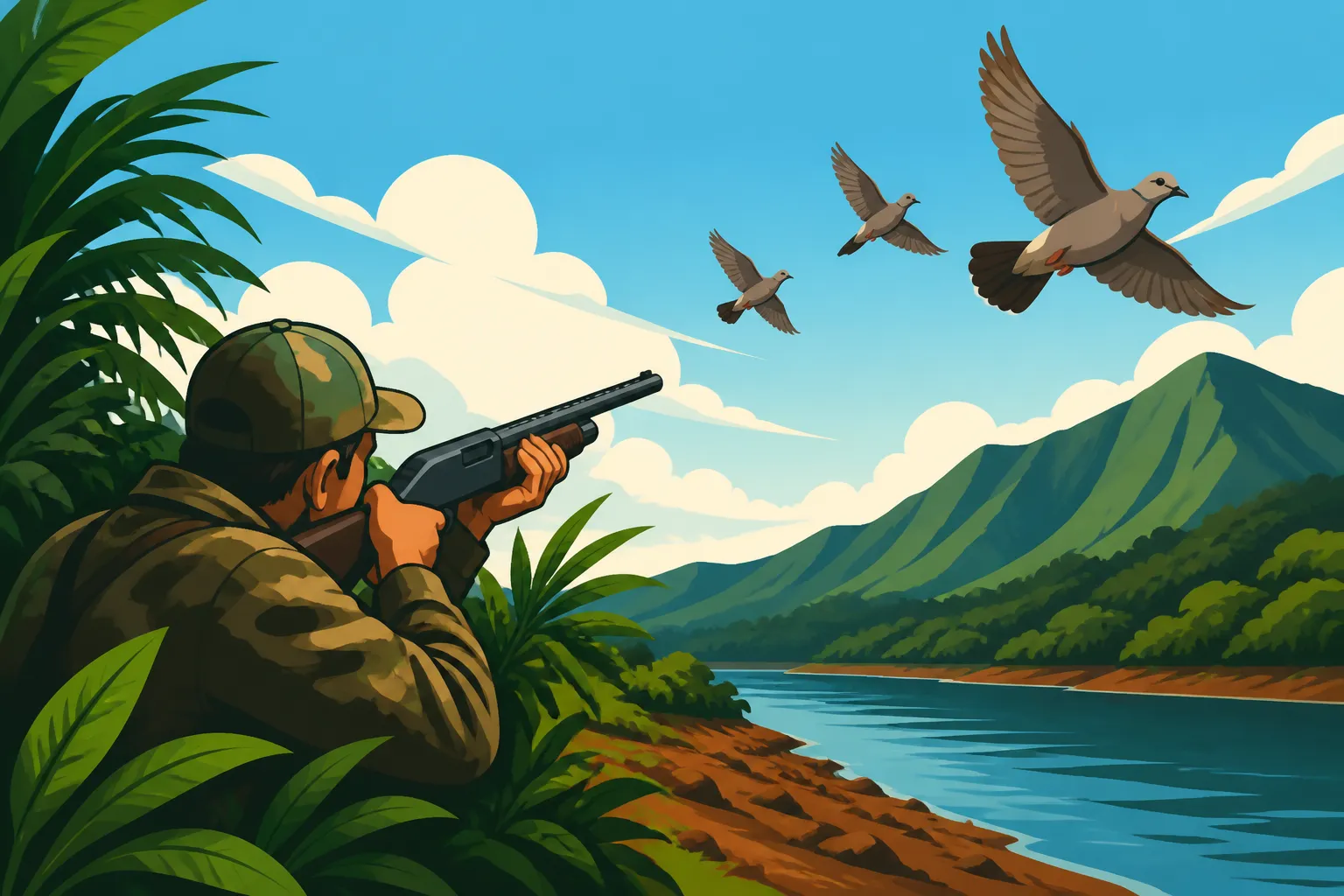
The Barred Dove is smaller, often seen in pairs or small groups. They tend to be a bit shier, flying lower and often perching on nearby fences or low branches before dropping down to water. They're quick, agile flyers, which can make for challenging wing shooting. Spotted Doves, on the other hand, are larger and often gather in bigger flocks, especially when a good food or water source is available. They have a more deliberate flight pattern, but can still offer fast, unexpected shots. Understanding these subtle differences can help you adjust your approach. For example, knowing that Barred Doves might be wary of direct approaches means you need to be extra cautious with your concealment.
Here's a quick look at the main dove species you're likely to encounter around Hawaiian reservoirs:
| Species | Size | Common Behavior Near Water | Flight Pattern | Best Time to Hunt | Notes |
|---|---|---|---|---|---|
| Barred Dove | Small | Ground feeder, shy, often in pairs | Fast, erratic, low | Early AM, Late PM | Often perches before landing at water. |
| Spotted Dove | Medium-Large | Flocks, more social, deliberate | Strong, direct, steady | Early AM, Late PM | More likely to gather in larger groups. |
| White-winged Dove | Medium | Less common, but possible | Fast, powerful | Early AM, Late PM | More common in arid areas with cactus/mesquite, but can be found near water. |
Beyond these, remember to always consult the current "Hawaii Game Bird Seasons and Bag Limits" for specific regulations, as they can vary by island and year. It’s also crucial to identify your target correctly to avoid inadvertently taking a non-game bird. For more on what these birds eat, check out "Hawaii's Doves and Where They Feed".
Scouting and Setup for Reservoir Edge Dove Hunting
Scouting is, without a doubt, the most critical step to a successful dove hunt, especially when focusing on specific features like reservoir edges. You can't just show up on opening morning and expect to find birds exactly where you want them. Doves are constantly moving, and their patterns can shift with weather, food availability, and hunting pressure.
Effective Scouting Techniques
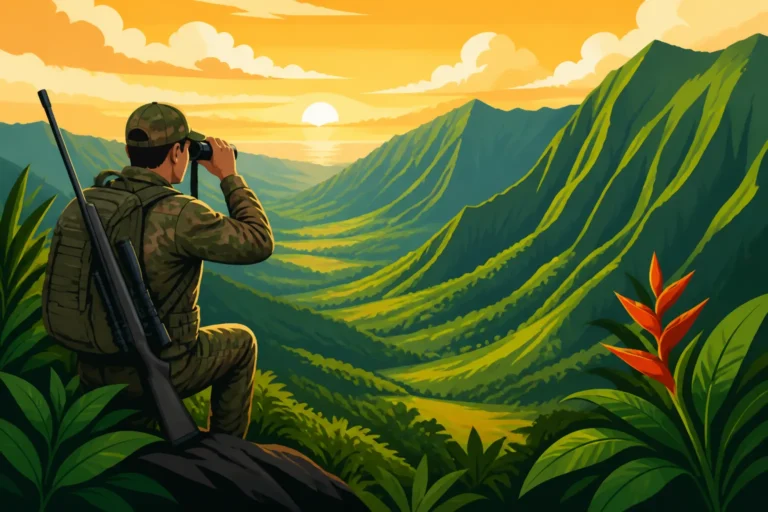
First things first: you need to put in the time before the season opens, if possible. Drive or walk the perimeter of reservoirs, observing from a distance with good binoculars. Look for flight paths—where are the birds coming from, and where are they going after they drink? Are they landing directly at the water's edge, or are they perching in nearby trees or power lines first? These observations will tell you a lot about their preferred approach and exit routes. Pay close attention to the wind, as doves typically fly into the wind when landing and taking off, which can influence your blind placement.
Don't just look for live birds. Search for signs of dove activity: droppings along the water's edge, dust baths in dry areas, or discarded seeds where they've been feeding. The presence of tracks in soft mud around the water can also confirm consistent use. If you have access to a drone (and it's legal in that specific hunting unit), a quick aerial view can sometimes reveal hidden trails or favored landing zones that are hard to spot from the ground. Remember to check "Hawaii's Hunting Units and How They Work" to ensure you're in an open area and understand any specific access rules. Many of Hawaii's reservoir areas are on private agricultural land, so gaining permission is absolutely vital if you're not on designated public hunting ground.
Choosing Your Blind Location
Once you've identified a hot spot, selecting your blind location is paramount for concealment and effective shooting. The best blinds offer good cover while providing an unobstructed view of the doves' flight path to and from the water. Natural cover is always preferable: dense kiawe thickets, tall grass, or even a low embankment. If natural cover is sparse, a pop-up blind or even a simple camouflage net draped over some existing brush can work wonders. The key is to break up your human outline.
Consider the sun's position throughout your hunting window. You want the sun at your back, or at least to the side, to avoid silhouetting yourself and to prevent the glare from hindering your vision. Wind direction is another critical factor. Doves, like many birds, prefer to land and take off into the wind. Positioning your blind downwind of their primary flight path will often put them directly in front of you as they cup their wings to land, offering a better shot opportunity. Lastly, think about your shooting lanes. Clear any low branches or high weeds that might obstruct your swing. You want to be able to smoothly track and shoot birds without snagging your barrel.
Decoy Placement and Calling Strategies
While doves aren't as notoriously "decoyable" as ducks or geese, a small spread of dove decoys can absolutely increase your success rate, especially when placed correctly. The most effective decoys are usually spinning-wing models, like those offered by Mojo Outdoors or similar brands. The motion catches doves' eyes from a distance, drawing them in like a beacon. Place these decoys strategically on a fence line, a dead tree branch overlooking the reservoir, or even on a pole pushed into the ground near the water's edge. The goal is to simulate doves actively feeding or resting in a safe spot.
Pairing decoys with an occasional dove call can further enhance your setup. A simple coo-coo-coo call, mimicking a contented dove, can sometimes convince hesitant birds to commit to your spread. However, don't overdo it. Doves are more likely to respond to visual cues (the decoys) than heavy calling. Use the call sparingly, perhaps when you see birds high overhead that seem to be passing by. It's about convincing them that your spot is safe and inviting. For other tactics, read up on "Hunting Doves Over a Hawaii Pasture," which shares similar principles applicable to reservoir edges.
Essential Gear and Tactics for Success
Having the right gear and employing smart hunting tactics can significantly increase your chances of a successful dove hunt by a Hawaiian reservoir. It’s not just about bringing a shotgun; it's about being prepared for the environment and the unique challenges doves present.
Shotgun and Ammunition Choices
For dove hunting, a lightweight, fast-swinging shotgun is ideal. Most hunters prefer a 12-gauge or 20-gauge semi-automatic or over/under shotgun, as these allow for quick follow-up shots on fast-moving birds. The tight patterns of a modified or improved cylinder choke are generally sufficient, though some hunters prefer a tighter full choke for longer shots. You'll want to use light loads, typically 7 ½ or 8 shot size. These smaller pellets create a dense pattern, which is crucial for hitting fast-flying doves without over-penetrating the meat. Always make sure your shotgun is cleaned and functioning properly before you head out, as a jam can cost you a bird.
Regarding ammunition, carry plenty. Dove hunting often involves a lot of shooting, and it's easy to go through a box or two in a good session. Brands like Winchester, Federal, and Remington offer reliable game load options suitable for doves. Consider using biodegradable wads if you're hunting in sensitive areas, or simply being diligent about picking up your spent hulls. Always verify that your chosen ammunition complies with local "Hawaii's Legal Weapons by Season" regulations for game birds.
Camouflage and Concealment
Doves have excellent eyesight, so blending into your surroundings is crucial. Full camouflage, including a face mask or face paint, is highly recommended. Opt for patterns that match the local vegetation around the reservoir edge—dry grass patterns for drier areas, or greener patterns for more lush banks. Don't forget to wear dark gloves to conceal your hands when swinging your shotgun. Your movement is what doves will pick up on most easily, so maintaining stillness until the birds are within shooting range is key.
In addition to your clothing, think about your setup. If you're using a stool or bucket to sit on, make sure it's not brightly colored. A small camouflage net or some natural brush can be used to break up your outline further, especially if the terrain is open. If you’re hunting a unit like a "Hawaii Unit With No Shade at All," then a pop-up blind becomes almost indispensable. The goal is to disappear into the landscape and become just another part of the scenery, allowing doves to approach naturally without flaring.
Essential Gear Checklist
Beyond your shotgun and ammo, a few other items are absolute must-haves for a comfortable and productive dove hunt near a reservoir:
- Hunting License and Permit/Tags: Always carry your valid Hawaii hunting license and any required permits or tags. You can acquire these through the DLNR DOFAW website or platforms like GoHunt Hawaii, which often streamline the process. Remember to check in and out of units as required; details can be found under "Checking In and Out of Hawaii Hunting Units."
- Safety Glasses and Hearing Protection: Crucial for safety during shooting. Doves often come in quick succession, leading to multiple shots.
- Shell Pouch/Vest: Keeps your ammunition organized and readily accessible.
- Cooler and Ice: Hawaii's heat means quick field care is paramount. Doves spoil quickly. Read "Field Care in Hawaii's Heat and Humidity" for critical tips.
- Water Bottle/Hydration Pack: Stay hydrated, especially during warmer hunts.
- Sunscreen and Hat: Protect yourself from the intense Hawaiian sun.
- Binoculars: For scouting and spotting distant birds.
- Bug Spray: Mosquitoes and other biting insects can be a real nuisance, especially near standing water.
- Bird Bag/Vest: To carry your harvested birds.
- Decoys (Spinning-wing and stationary): As discussed, they truly help.
- First-Aid Kit: Always a good idea for any outdoor activity.
| Item | Purpose | Notes |
|---|---|---|
| Shotgun (12/20 gauge) | Primary hunting tool | Semi-auto or O/U, Improved Cylinder/Modified Choke |
| Ammunition (7.5 or 8 shot) | For shooting doves | Bring plenty; light loads; check regulations |
| Hunting License & Tags | Legal requirement | GoHunt Hawaii for purchase; always carry |
| Safety Glasses | Eye protection | Essential for all shooting |
| Hearing Protection | Ear protection | Protects against loud gunfire |
| Camouflage Clothing | Concealment from sharp-eyed doves | Match local vegetation, include face mask/gloves |
| Cooler with Ice | Preserve harvested birds | Critical in Hawaii's warm climate |
| Water & Snacks | Hydration and energy | Stay hydrated in the sun |
| Sunscreen & Hat | Sun protection | Prevent sunburn and heat exhaustion |
| Binoculars | Scouting and spotting | Identify birds and observe flight patterns |
| Bug Spray | Insect repellent | Guard against mosquitoes and other pests |
| Bird Bag/Vest | Carry harvested doves | Allows hands-free transport of birds |
| Spinning-wing Decoys | Attract doves | Motion attracts distant birds; Mojo Outdoors is popular |
| First-Aid Kit | Emergency preparedness | For minor injuries |
| Shotgun Cleaning Kit | Maintain firearm | Post-hunt cleaning is important |
Field Dressing and Meat Care
Once you've harvested a dove, immediate field dressing is crucial due to Hawaii's warm climate. The sooner you clean the bird, the better the meat quality will be. Many hunters simply breast out doves, removing the breast meat, which is the primary edible portion. If you prefer to take the whole bird, you'll need to gut it quickly. Place the cleaned birds immediately into a cooler with plenty of ice. A layer of ice on the bottom, then birds, then more ice, will help cool them down rapidly. Don't just toss them in a warm bag; that's a recipe for spoilage. Properly cared for, dove meat is delicious and versatile.
Post-Hunt Considerations and Regulations
Even after the shooting stops and the birds are in the cooler, your responsibilities as a hunter aren't quite over. Understanding post-hunt procedures and regulations is just as important as the hunt itself.
Reporting and Check-Out Procedures
In many public hunting units in Hawaii, you are required to check in and out, either physically at a hunter check station or digitally using the OuterSpatial app. Even if you don't harvest any birds, this process helps the Department of Land and Natural Resources (DLNR) gather valuable data on hunter participation and effort. If you do harvest doves, you might be required to report your kill. Always be honest and accurate in your reporting. This data helps wildlife managers make informed decisions about future seasons and bag limits. Ignoring these procedures can lead to fines or even losing your hunting privileges. For more details, consult "Checking In and Out of Hawaii Hunting Units."
Ethical Hunting and Conservation
Hunting doves along reservoir edges is a popular activity, which means these areas can sometimes see significant pressure. Practicing ethical hunting is vital for the sustainability of the dove population and the future of hunting opportunities. This includes respecting bag limits, only taking clean shots, and making every effort to recover downed birds. Leaving wounded birds to suffer or letting harvested birds spoil is not only unethical but also a waste of a valuable resource.
Remember that doves are a migratory game bird (though in Hawaii, they are resident populations), and their conservation is a shared responsibility. Your participation in hunting contributes to wildlife management through license and stamp fees. Beyond the hunt, consider the broader ecosystem around the reservoir. Avoid littering, stick to designated access routes, and be mindful of other recreational users who might be sharing the area. Hunting is a privilege, and we all play a role in ensuring it remains a respected and sustainable tradition. For more on the bigger picture, you might be interested in "Hawaii Game Bird Hunting."
Enjoying Your Harvest
Finally, the best part: enjoying your harvest! Dove breasts are incredibly versatile and can be prepared in numerous ways. They are excellent grilled, pan-fried, or wrapped in bacon and roasted. Because they are lean, avoid overcooking them to prevent them from drying out. A quick sear to medium-rare is often perfect. Don't be afraid to experiment with marinades and seasonings. Sharing your wild game with friends and family is a fantastic way to celebrate a successful hunt and introduce others to the joys of wild-caught food. Enjoy every bite!
Disclaimer
Hunting is an inherently dangerous activity. Always follow all local, state, and federal laws and regulations. Ensure you have proper licenses and permits. Prioritize safety, including wearing appropriate blaze orange when required, using eye and ear protection, and being aware of your surroundings at all times. This guide is for informational purposes only and does not substitute for professional instruction or adherence to official Hawaii Department of Land and Natural Resources (DLNR) rules and regulations.