Hawaii’s Drawn Hunts and Lotteries
For many hunters, the thought of pursuing game in Hawaii brings to mind images of sprawling ranches or accessible public lands. However, the reality for some of the most sought-after species and prime hunting areas often involves navigating a complex and sometimes frustrating system: the drawn hunt lottery. Missing a deadline, misunderstanding unit rules, or simply not knowing where to apply can turn a dream hunt into a missed opportunity. This comprehensive guide is designed to demystify Hawaii's drawn hunts and lotteries, providing you with the knowledge and tools to confidently apply, understand your chances, and plan for success when you do draw that coveted tag.
The Basics of Hawaii's Drawn Hunt System
Hunting in Hawaii is truly unique, not just because of the stunning volcanic landscapes and the mix of introduced game animals, but also in how access to certain opportunities is managed. Unlike many mainland states where general seasons might allow over-the-counter tags for specific species, some of Hawaii's most desirable hunts, particularly for certain big game, are allocated through a lottery system. This means you can't just show up and buy a tag; you have to apply, cross your fingers, and hope your name is selected. It's a system designed to manage limited populations and provide quality hunting experiences without overcrowding prime areas, but it can certainly add a layer of anxiety for those eager to experience the islands' wild side.
Why Drawn Hunts Exist in Hawaii
The concept of drawn hunts, or lotteries, isn't about making things harder for hunters; it's fundamentally about conservation and sustainable management. Hawaii's islands are relatively small, and their ecosystems are incredibly fragile. While species like Axis deer and Mouflon sheep are not native and are considered invasive, their populations, especially in prime habitats, still need careful management to ensure herd health and prevent overharvesting. Imagine hundreds of hunters descending on a small unit during peak season – it would quickly degrade the experience for everyone and potentially stress the animal populations.
Moreover, certain areas, like specific public units on Lanai or the high-elevation slopes of Mauna Kea on Hawaii Island, offer exceptional hunting but have limited carrying capacity or require stricter control due to environmental concerns or agreements with landowners. The lottery system provides a fair and equitable method for allocating these limited opportunities, ensuring that a reasonable number of hunters get a chance each year without overwhelming the resource. It’s a balancing act that the Department of Land and Natural Resources (DLNR), Division of Forestry and Wildlife (DOFAW), constantly adjusts based on population surveys, habitat conditions, and hunter feedback. So, while it might feel like a hurdle, it’s really a tool to preserve the quality of hunting in these special places for the long run.
How the Lottery System Differs from General Seasons
The distinction between drawn hunts and general seasons is probably the most crucial concept to grasp for hunting in Hawaii. General seasons are typically open to anyone who has a valid Hawaii hunting license and, if required, a game mammal stamp or bird stamp. These are often "over-the-counter" opportunities, meaning you buy your license and relevant stamps, show up, check into a unit, and go hunt. For instance, many of Hawaii's feral pig and goat hunts on various islands fall under this category, as do numerous game bird seasons. You can simply purchase your license and head out, provided you're adhering to the specific unit's open days and weapon restrictions.
Drawn hunts, on the other hand, require an extra step: an application to a lottery before the season begins. This application period is specific, often months in advance of the actual hunt dates. You're essentially putting your name in a hat, hoping to be one of the fortunate few selected for a limited number of tags or specific hunt slots. If successful, you then pay for your special permit-tag. If you're not drawn, you simply don't get to hunt that specific drawn season or unit. This process is most common for high-demand species like Axis deer on Lanai or certain Mouflon sheep hunts on Hawaii Island, where the demand far outstrips the available supply of tags. It's a system that requires foresight, planning, and a bit of luck, but the rewards can be incredible.
Key Terminology for Hawaii Drawn Hunts
Navigating the world of Hawaii's drawn hunts means getting familiar with some specific terms. Understanding these will make the application process much smoother and help you interpret the public notices.
First off, you'll hear "Drawn Hunt" or "Lottery Hunt." These terms are interchangeable and refer to any hunting opportunity where participation is determined by a random drawing of applications. It's not first-come, first-served; everyone who applies during the window has an equal chance, or a chance based on the specific lottery rules.
"Public Notice" is absolutely critical. This is the official announcement from DOFAW detailing all the specifics for an upcoming drawn hunt. It will outline the species, units, dates, bag limits, legal weapons, application period, drawing date, and any special conditions. You must read these notices thoroughly, as they contain all the information you need. These are typically posted on the DOFAW website and sometimes in local newspapers.
"Permit-Tag" refers to the special tag you receive if you are successfully drawn. This isn't just your regular hunting license; it's an additional document that legally allows you to harvest a specific animal in a specific unit during a specific time. You'll need to secure this permit-tag after being drawn, and there's usually a fee associated with it. This permit-tag is distinct from your general hunting license, which you must possess regardless of whether you're on a drawn hunt or not. Understanding how Hawaii's Permit-Tag System Works is crucial for compliance.
Lastly, "Hunt Unit" or "Management Unit" refers to the specific geographic areas designated for hunting. Hawaii is divided into many of these units, and drawn hunts often apply to a particular unit or a cluster of units to manage localized populations. You might be drawn for "Unit A on Lanai" or "Puu Waawaa on Hawaii Island," and knowing these specific boundaries is vital for successful participation.
Which Game and Where: Drawn Hunt Opportunities
Hawaii offers some truly exceptional hunting, and for certain trophy-caliber animals and unique experiences, the lottery system is your gateway. It's important to know which species and which islands will require you to throw your hat into the ring. This isn't an exhaustive list, as rules can change, but it covers the main drawn hunt opportunities that hunters eagerly anticipate each year. Always consult the latest DOFAW public notices for the most current information.
Axis Deer Lottery on Lanai and Maui Nui
If there's one drawn hunt that captures the imagination of most hunters visiting or living in Hawaii, it's the Axis deer lottery, particularly for the island of Lanai. Axis deer, with their distinctive spotted coats and impressive antlers, are Hawaii's signature big game animal. While Axis deer are found on Maui, Molokai, and Lanai, it's Lanai that consistently produces some of the largest deer and offers a truly unique hunting experience, especially for those pursuing trophy bucks.
The Axis deer population on Lanai is carefully managed through a highly sought-after permit-tag lottery. These hunts typically occur during specific weekends throughout the year, with separate allocations for archery, muzzleloader, and rifle seasons. The demand for these tags far exceeds the supply, making drawing a Lanai Axis deer tag a significant achievement. It's not uncommon for hunters to apply for years before finally getting drawn. The Hunting Lanai's Drawn Axis Deer Weekends article delves deeper into the specifics of these opportunities, including details on the "either-sex" tags often issued. You'll often be applying for specific weekends, and if successful, you'll be assigned a specific unit on the island. While some private land hunting for Axis deer exists on Maui, the public land access for these majestic animals, especially on Lanai, is almost exclusively managed through the draw.
Mouflon Sheep Drawn Hunts on Hawaii Island
Another prime target for Hawaii's drawn hunts is the Mouflon sheep, particularly on the slopes of Mauna Kea on Hawaii Island. These striking wild sheep, with their impressive curled horns, offer a challenging high-elevation hunt in a truly unique alpine environment. The hunt for Mouflon is a different experience than stalking Axis deer in dry kiawe forests, often involving significant elevation changes and rugged lava terrain. For those interested in this experience, you'll definitely want to read more about Mouflon Sheep Hunting on Hawaii Island.
DOFAW utilizes a lottery system for most public land Mouflon sheep hunts, primarily to manage the population and its impact on the sensitive high-elevation ecosystem, especially concerning the endangered Palila bird. These hunts are often restricted to specific units, like parts of the Mauna Kea Forest Reserve or the Puu Waawaa Wildlife Sanctuary. There are typically separate drawn seasons for archery and muzzleloader hunters, sometimes followed by rifle seasons, each with its own lottery. The public notices will specify the legal weapon types, hunt dates, and the number of available tags. Drawing a Mouflon tag, especially for a mature ram, is a testament to perseverance and can lead to an unforgettable adventure in Hawaii's "thin air" country.
Other Species and Special Management Areas
While Axis deer on Lanai and Mouflon sheep on Hawaii Island are the headliners for drawn hunts, other species and special management areas can occasionally pop up in the lottery system. These are less frequent or more localized, but it's always worth keeping an eye on DOFAW announcements.
For example, certain game bird hunts, especially on private lands leased for public hunting, might utilize a draw if access is limited or the bird population needs specific management. These could include opportunities for Francolin, Pheasant, or Chukar in areas where access is restricted or game numbers are particularly sensitive to pressure. Similarly, special feral goat or pig hunts might be implemented in specific conservation areas through a lottery, often as part of focused eradication efforts rather than traditional sport hunting. These hunts might be designed to target specific areas where goat or pig damage is particularly severe, offering hunters a chance to contribute to conservation while pursuing game.
Another possibility involves what are known as Cooperative Game Management Areas (CGMA). These are lands, often privately owned ranches, where DOFAW has an agreement to allow public hunting under specific conditions. If the access is very limited or the game populations require stringent control, these areas might also use a lottery system to allocate permits. For example, some units on Hawaii Island or Maui might occasionally have special drawn hunts for pigs or goats if the landowner requests it and DOFAW deems it appropriate for managing animal numbers. Always check the official DOFAW website or signs at local hunter check stations for the most up-to-date information on these unique, sometimes unexpected, drawn opportunities.
Navigating the Application Process
Applying for a drawn hunt in Hawaii can seem daunting, but once you understand the steps, it becomes much clearer. The key is to be meticulous, pay attention to deadlines, and ensure all your ducks are in a row before you submit. It's not just about filling out a form; it's about making sure you meet all the prerequisites and provide accurate information. A mistake here could mean missing out on a hunt even if your name is drawn, which would be a truly heartbreaking scenario after waiting so long.
Licensing and Hunter Education Prerequisites
Before you even think about applying for a drawn hunt, you need to ensure you meet the fundamental requirements to hunt in Hawaii. This means having a valid Hawaii hunting license. For residents, this is straightforward; for nonresidents, there are specific requirements to obtain a license. You can find all the details, including costs, in the guide on Hawaii Hunting Licenses and What They Cost. It's crucial that your license is current and valid through the period of the hunt you're applying for.
Equally important is hunter education. All hunters born after December 31, 1957, regardless of residency, must complete an approved hunter education course. If you’re a nonresident, you might be able to present a valid hunter education card or certificate from another state or country, or a previous hunting license from another jurisdiction, to obtain an exemption. However, you need to confirm this with DOFAW well in advance. The guide on Hawaii Hunter Education Requirements provides a thorough breakdown of what's needed. Don't wait until the last minute to sort this out; submit your hunter education proof or exemption request early, as it can take time to process. Without these basic requirements, your application for a drawn hunt will be disqualified, no matter how good your luck in the lottery.
Step-by-Step Application through the GoHunt Hawaii Portal
In recent years, the application process for Hawaii's drawn hunts has been streamlined, largely thanks to the GoHunt Hawaii online portal. This platform is now the primary way most hunters interact with DOFAW for licensing, permit-tags, and drawn hunt applications. It’s a huge improvement from the old paper-based system and has made applying much more accessible.
- Create an Account (if you haven't already): Your first step is to establish an account on the GoHunt Hawaii website (portal.gohunthawaii.com). This is where all your licensing, education records, and application history will reside. If you already have a Hawaii hunting license, you likely already have an account or can easily create one using your existing license number.
- Ensure Prerequisites are Met: Before you can even see the drawn hunt applications, the system will verify that you have a current hunting license and that your hunter education requirements are fulfilled and recorded in your profile. If anything is missing, you'll need to resolve it before proceeding.
- Find the Drawn Hunt Application: Once logged in, navigate to the "Drawn Hunts" or "Lottery Applications" section. You'll see a list of available drawn hunts, usually organized by island and species, with their respective application periods clearly marked. This is where the brand "GoHunt" becomes synonymous with the application process itself, as it's the official gateway.
- Select Your Hunt: Choose the specific drawn hunt you wish to apply for. For something like the Lanai Axis deer hunt, you'll likely select your preferred weapon type (archery, muzzleloader, rifle) and perhaps specific hunt dates if options are available. The system will guide you through the choices.
- Enter Application Details: You'll typically need to confirm your personal information, contact details, and hunting license number. Some applications might ask for your choice of units if multiple are offered within a single draw. Be precise with this information.
- Review and Submit: Carefully review all the information you've entered before submitting. Once submitted, you'll usually receive a confirmation email with an application number. Keep this handy! There is typically a small, non-refundable application fee associated with each drawn hunt entry, so be prepared for that when using GoHunt.
Crucial Deadlines and Fees
Missing a deadline for a drawn hunt application in Hawaii is one of the most disheartening mistakes a hunter can make. Unlike general seasons, where you can often buy a license on the day you plan to hunt, drawn hunts have strict, unmovable application windows.
Application Periods: These are announced in the official public notices issued by DOFAW, usually several months before the hunt dates. For instance, applications for Lanai Axis deer or Mauna Kea Mouflon might open in spring for hunts occurring later in the year. The application window is finite, often only a few weeks long. Once it closes, it's closed – no exceptions. Mark these dates on your calendar, set reminders, and apply well in advance of the closing date. Don't wait until the last day, as technical glitches or unforeseen circumstances could prevent your application from going through.
Application Fees: Most drawn hunts in Hawaii come with a small, non-refundable application fee. This fee is typically around $10-$20 per application. This covers the administrative costs of running the lottery. Remember, this fee does not guarantee you a tag; it only grants you entry into the drawing. If you are successfully drawn, you will then be required to pay an additional fee for the actual permit-tag, which can range from $20 for residents to significantly more for nonresidents, especially for high-demand species like Axis deer on Lanai. For example, a nonresident Lanai Axis deer tag can be several hundred dollars. These fees are subject to change, so always verify the exact amounts in the current public notice or on the GoHunt Hawaii portal when applying.
Strategies for Improving Your Chances
Let's be real: a lottery is fundamentally a game of chance. You can't guarantee a draw, but you can certainly play smart to maximize your opportunities. Hawaii's system might not have all the complex preference point systems you see in some mainland states, but there are still things you can do to put yourself in the best position possible. It’s about understanding the nuances and leveraging what control you do have.
Understanding Preference Points or Lack Thereof
For many hunters accustomed to drawn hunts in other states, the concept of preference points or bonus points is a familiar one. These systems reward loyalty or unsuccessful applications by giving hunters a better chance in subsequent draws. For example, if you apply for five years and don't draw, you might accumulate five "points" that increase your odds in year six.
However, as of my last information, Hawaii's drawn hunt lottery system generally does not utilize a preference point or bonus point system for its primary big game draws. This means that each year you apply, your chances are typically reset. Every applicant for a given drawn hunt, assuming they meet all the prerequisites, has an equal chance in the random drawing, regardless of how many times they've applied unsuccessfully in the past. This can be a double-edged sword: it means a first-time applicant has the same statistical chance as someone who's been applying for a decade, which can be frustrating for veteran hunters. On the flip side, it means anyone can get lucky right out of the gate!
The best "strategy" in this regard is simply consistent application. If there's a specific drawn hunt you want, commit to applying every year it's offered. Persistence, even without a formal points system, is key. If DOFAW were to implement a preference point system, it would be a significant change and widely publicized, so always refer to the latest regulations.
Unit Choices and Hunt Codes
When you're applying for a drawn hunt, especially for species like Mouflon sheep on Hawaii Island or Axis deer, you'll often have choices to make regarding specific hunt units or hunt codes. This is where doing your homework really pays off.
Research the Units: Different units, even for the same species, can vary wildly in terms of terrain, animal density, and historical success rates. For Mouflon, for example, some units might be high-elevation lava fields, while others incorporate mamane forest. For Axis deer, some units might be dense kiawe flats, others open ridges. Look at maps, consult DOFAW unit descriptions, and if possible, talk to local hunters or even guides (where allowed) who have experience in those specific areas. You can also glean a lot of information by looking at the detailed maps provided on the GoHunt portal or checking out Hawaii's Hunting Units and How They Work.
Prioritize Your Choices: If the application allows you to rank multiple unit choices, think strategically. Don't just put your "dream unit" as your first choice and leave the rest blank. Consider putting a slightly less popular but still desirable unit as your second or third choice. Sometimes, a unit that is perceived as "harder" to hunt might have fewer applicants, increasing your statistical odds of drawing that unit.
Understand Hunt Codes: Sometimes, a public notice will list specific "hunt codes" that denote a combination of species, unit, dates, and weapon type. Make absolutely sure you are selecting the correct code for the hunt you intend. A small mistake here could result in you applying for the wrong season, the wrong unit, or even the wrong species! Double-checking these details on the GoHunt portal is non-negotiable.
Applying as a Group versus Individually
Many states allow group applications for drawn hunts, where if one person in the group draws, everyone draws. This can be a fantastic way for families or friends to ensure they hunt together. In Hawaii, however, the approach to group applications can vary, and it's essential to understand the current rules.
Generally, for Hawaii's main big game drawn hunts (like Lanai Axis deer or Mauna Kea Mouflon), applications are typically processed individually. This means each hunter submits their own application, and each application is entered into the lottery separately. If you and your buddy both apply for the same Lanai Axis deer rifle weekend, there's no guarantee that if one of you draws, the other will. It's entirely possible for one of you to be successful and the other unsuccessful.
However, there can be exceptions for special hunts or youth hunts, so always check the specific public notice for the hunt you're interested in. For most standard drawn hunts, if you plan to hunt with friends or family, be prepared for the possibility that not everyone will draw a tag. This requires flexibility in your planning; you might need to adjust your trip if only some members of your party are successful. This individual application system, while perhaps less convenient for group planning, does maintain the purely random nature of the draw for each hunter. If you and a hunting partner both apply and get drawn, you can absolutely hunt together, but it won't be because your applications were linked in the draw process.
After the Draw: Checking Results and Securing Your Tag
The application is in, the deadline has passed, and now comes the nerve-wracking wait. This period can feel like forever, but knowing how and when to check results, and what to do next, will save you a lot of stress. Don't let all your careful planning go to waste by missing a notification or failing to follow through.
How and When Results Are Announced
DOFAW is usually quite good about announcing the timeline for results in their initial public notice for the drawn hunt. This notice will often specify an "on or about" date for when the drawing will occur and when results will be posted.
Email Notifications: The primary method for notification is usually via email. If you applied through the GoHunt Hawaii portal, the system will typically send an email to the address associated with your account, informing you of your draw status. This is why it's absolutely crucial to ensure your email address on file is current and that you regularly check your spam or junk folders, just in case.
Online Portal: Even if you receive an email, it's a good practice to log directly into your GoHunt Hawaii account on or after the announced results date. Your draw status (successful or unsuccessful) will often be clearly displayed there. This is the definitive source of truth for your application status.
DOFAW Website: Sometimes, for high-profile draws like Lanai Axis deer, DOFAW may also post a list of successful applicants (often by application number rather than name, for privacy) on their official website. Always cross-reference this with your personal GoHunt account status. The wait can be agonizing, so resist the urge to call DOFAW offices immediately on the "results day"; they are usually overwhelmed with inquiries. Give the system a day or two to fully update and for emails to propagate.
What to Do If You're Successful
Congratulations! Drawing a Hawaii permit-tag is a significant accomplishment and the start of an incredible adventure. But drawing the tag isn't the final step; there are critical actions you need to take immediately.
- Accept Your Permit-Tag and Pay Fees: If you're drawn, you'll typically have a short window (often 7-14 days) to log back into your GoHunt Hawaii account and officially "accept" your permit-tag. At this point, you'll be prompted to pay the associated permit-tag fee. This fee is separate from the initial application fee. Failure to accept and pay by the deadline will result in forfeiture of your tag, and it may be offered to an alternate.
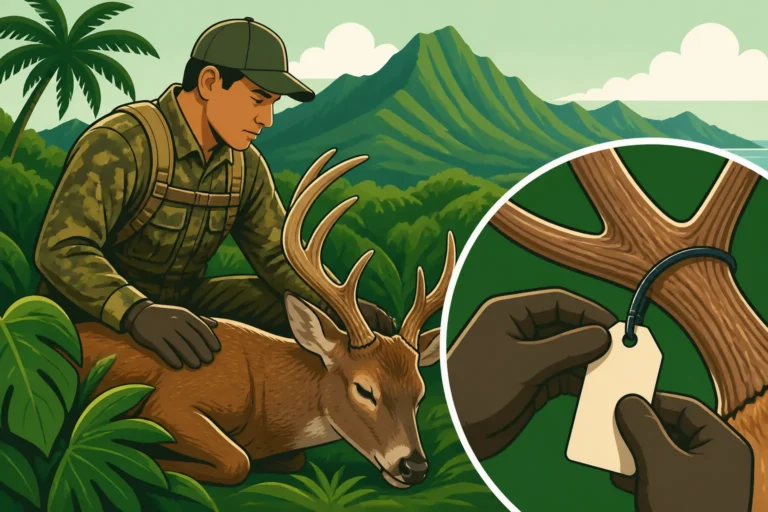
- Print Your Permit-Tag: Once paid, you should be able to print your official permit-tag directly from the GoHunt portal. Make multiple copies and keep one with your hunting license, another in your pack, and maybe one in your vehicle. This tag is your legal authorization to harvest the animal. You'll need to know How to Attach a Hawaii Tag to a Carcass immediately after a kill.
- Start Planning Intensively: With your tag in hand, the real planning begins. This involves everything from booking flights and accommodations to researching your specific unit, understanding access routes, and preparing your gear. If you’re a nonresident, you'll need to consider Hawaii's Rules on Bringing a Firearm to the Islands if you plan to bring your own. You'll also want to look into Field Care in Hawaii's Heat and Humidity, as this is critical for preserving your meat. Don't underestimate the logistics, especially for remote units.
What If You Aren't Drawn?
It's tough when you're not drawn, especially if you've been applying for years. It's a common experience, and it's okay to feel disappointed. But don't let it derail your entire hunting season or future plans.
- Don't Give Up: Remember, Hawaii's lottery system generally doesn't use preference points, so your chances reset next year. Keep applying! Persistence is often the only "strategy" available.
- Explore General Season Opportunities: Just because you didn't draw a Lanai Axis deer tag doesn't mean you can't hunt in Hawaii. There are numerous general season opportunities for feral pigs and goats on various islands, and game bird hunting can be excellent. These often don't require a draw and can provide fantastic hunting experiences. Consider checking out Hawaii Game Mammal Seasons or Hawaii Game Bird Seasons and Bag Limits for alternatives.
- Consider Other Islands or Methods: If you were hoping for a rifle hunt, perhaps consider applying for an archery or muzzleloader drawn hunt next year, as these might have slightly different odds or less competition in some cases. Also, investigate private land hunts if your budget allows; while costly, they don't involve a lottery.
- Review and Learn: Take a moment to review the public notice again. Were there other units you could have applied for? Did you miss any opportunities? Use it as a learning experience to refine your strategy for the next application period.
Common Mistakes and How to Avoid Disappointment
Even experienced hunters can make mistakes when navigating a new or complex lottery system. Hawaii's drawn hunts have their own quirks, and a seemingly minor oversight can lead to disqualification or a missed opportunity. Avoiding these common pitfalls is just as important as knowing how to apply. We want you to avoid that gut-wrenching feeling of realizing you messed up, especially when a coveted tag is on the line.
Incorrect Information and Missed Deadlines
This is probably the number one reason for disappointment in any lottery system. It sounds simple, but you'd be surprised how many applications get rejected or disqualified due to basic errors.
Inaccurate Personal Details: Double-check that your name, address, hunting license number, and most importantly, your email address on your GoHunt Hawaii profile are absolutely correct and up-to-date. If your email is wrong, you won't receive notification of a successful draw, and you could miss the acceptance deadline, forfeiting your tag. If your license number is incorrect, your application won't be valid.
Wrong Hunter Education Information: Ensure that your hunter education certification is correctly linked to your GoHunt account and that DOFAW has a record of it. If there's an issue, resolve it before the application period opens. The system will typically flag this, but don't assume.
Missing the Deadline: As mentioned, the application deadlines are strict. Don't assume Hawaii time zones or holidays will extend it. The system will automatically close the application window, and late entries are not accepted. Set multiple reminders on your phone, calendar, and even ask a friend to remind you. The GoHunt platform itself will usually show a countdown, which can be helpful.
Incorrect Payment Information: Make sure your payment method is current and has sufficient funds for the application fee. A failed payment can result in an unsubmitted application.
Not Understanding Unit Specifics
Drawing a tag for a specific unit is fantastic, but if you don't understand that unit's unique rules and characteristics, you could run into trouble, or at least have a less successful hunt. Each Hawaii hunting unit is a world unto itself.
Access Restrictions: Some units may require 4WD vehicles for access, while others might be walk-in only. Some might have locked gates with specific key retrieval procedures. Failing to understand these can leave you stranded or unable to even reach your hunting grounds. The guide on Hawaii Road Access and 4WD Requirements can be a lifesaver here.
Legal Weapons: Just because you drew an Axis deer tag doesn't mean any weapon is legal. Units often have specific weapon restrictions, especially during archery, muzzleloader, or specific rifle seasons. Make sure your chosen weapon, ammunition, and even broadhead type (for archery) comply with the rules for your specific drawn unit and hunt dates. Muzzleloader Hunting in Hawaii has very particular requirements.
Boundaries and Off-Limit Areas: Hawaii's hunting units can sometimes have complex boundaries, often bordering private land, Natural Area Reserves, or even residential areas. It is your responsibility to know and stay within the legal hunting boundaries. Using an app like onX or studying DOFAW's unit maps is crucial. Trespassing, even accidentally, carries severe penalties. Understanding how to interpret Reading a Hawaii Unit Boundary Map is invaluable.
The Importance of Reading the Full Public Notice
This cannot be stressed enough: read the entire public notice for the drawn hunt you're interested in, every single word. These documents, though sometimes lengthy and bureaucratic, contain all the critical details you need.
Changes and Updates: Hawaii's hunting regulations, unit boundaries, and season dates can and do change. A unit that was open last year might be closed this year, or a weapon restriction might be added. The public notice is always the most current and authoritative source of information for that specific hunt. Don't rely on information from previous years or hearsay from other hunters.
Special Conditions: Often, drawn hunts in sensitive areas or for specific management goals will have unique conditions. This could include mandatory check-ins/check-outs at specific hunter stations (which you should familiarize yourself with from Checking In and Out of Hawaii Hunting Units), harvest reporting requirements beyond tagging, or even specific safety briefings. Some hunts might have limitations on group size or whether dogs are allowed. Missing these special conditions could result in a violation or an unsafe situation.
Emergency Contact Information: The public notice will usually provide contact information for the local DOFAW office overseeing the hunt. Keep this handy in case of emergencies or urgent questions that aren't covered elsewhere. Taking the time to read through these notices completely will save you potential headaches and ensure you have the safest and most compliant hunt possible.
Planning Your Hunt for a Drawn Unit
Drawing a permit-tag for a special Hawaii hunt is a huge step, but it's just the beginning. Now comes the exciting, yet critical, phase of planning. Unlike a casual day trip to a general season area, a drawn hunt often means targeting a specific unit with unique challenges. Proper preparation is the difference between a successful, enjoyable hunt and a frustrating, even dangerous, experience.
Pre-Season Scouting and Reconnaissance
One of the biggest advantages you can give yourself after drawing a tag is thorough pre-season scouting. This doesn't necessarily mean physically being on the ground for weeks beforehand, especially if you're traveling from off-island, but it does mean dedicating significant time to virtual and, if possible, physical reconnaissance.
Virtual Scouting: Leverage technology. High-quality satellite imagery (Google Earth, onX Hunt) is your best friend. Look for potential bedding areas, water sources, natural funnels, and travel corridors within your assigned unit. Identify prominent landmarks, escape routes for game, and potential ambush points. Study topographical maps to understand elevation changes and identify steep gulches or ridges that might impede your progress or offer strategic advantages. For high-elevation Mouflon hunts on Mauna Kea, identifying key cinder cones or lava flows where sheep might graze or bed is vital. Similarly, for Axis deer, understanding the layout of kiawe flats, watering holes, or open pastures can make or break your hunt, especially when trying to glass large areas as discussed in Glassing Lanai's Open Ridgelines.
Local Knowledge and Resources: If you have friends who have hunted the unit, pick their brains. While guides are not allowed on Lanai's public drawn hunts, for other areas, reputable outfitters might offer valuable insights, even if you’re doing a self-guided trip. Check online hunting forums or local social media groups for recent conditions or tips (take all online advice with a grain of salt, but it can provide clues). The more information you gather, the better prepared you'll be to interpret what you see on the ground when your hunt actually starts.
DOFAW Unit Maps and Regulations: Always obtain and thoroughly review the specific DOFAW map for your drawn unit. These maps often highlight access roads, boundaries, and specific rules. Compare these with your satellite imagery. Pay attention to any notes about closed sections, special vehicle restrictions, or areas with sensitive habitat. Understanding Hunting Hawaii's Forest Reserves or Hunting Hawaii's Game Management Areas can provide broader context for the type of unit you'll be entering.
Logistics: Travel, Accommodation, and Gear
Hawaii hunts, especially drawn hunts, require meticulous logistical planning. This isn't just about showing up; it's about being self-sufficient in often remote, rugged, and hot conditions.
Travel and Accommodation: Book your flights and accommodations well in advance, especially if your drawn hunt is on a smaller island like Lanai or Molokai, where options are limited. On larger islands, consider lodging close to your hunting unit to minimize travel time each morning and evening. Think about vehicle rental – often a 4WD vehicle is essential for accessing many public hunting units.
Weapon Transport: If you're bringing your own firearm, you must understand the federal and state laws regarding airline travel with firearms. You'll need to declare your firearm, ensure it's unloaded, and securely encased in a locked hard-sided container. Upon arrival, you’ll also need to register your firearm with the Honolulu Police Department (even if arriving on another island, HPD handles the centralized registration). This can be a time-consuming process. Alternatively, many guides and some outfitters (where guides are allowed) offer rifle rentals.
Gear for Hawaii's Conditions: Hawaii's diverse microclimates mean your gear needs to be versatile. You might encounter hot, dry, dusty kiawe forests on the leeward side or wet, muddy, humid rainforests on the windward side, sometimes within the same hunt unit if it traverses a mountain.
- Boots: Invest in high-quality, broken-in hunting boots that offer good ankle support for uneven terrain, especially lava fields or steep gulches. Waterproofing is a plus for wet conditions, but breathability is key for heat.
- Clothing: Layering is crucial. Lightweight, moisture-wicking clothing for the heat, but bring a good rain jacket and perhaps a light insulated layer for cool mornings or higher elevations. Blaze orange is often a requirement for rifle seasons, so check the public notice.
- Water and Hydration: This is paramount. Hawaii's heat and humidity, combined with strenuous hiking, can lead to rapid dehydration. Carry more water than you think you'll need, and consider a water filter or purification tablets.
- Navigation: A reliable GPS device or a smartphone with offline mapping capabilities (like onX) is essential. Cell service is often non-existent in remote hunting areas.
- Meat Care: The tropical heat means rapid spoilage. You need a plan for Field Dressing Axis Deer in Hawaii Heat or any other game you harvest. This includes sharp knives, game bags, and a cooler with plenty of ice back at your vehicle or camp. Knowing how to efficiently pack meat out of a steep Hawaii gulch is critical.
Understanding Specific Unit Rules and Access
Every hunting unit in Hawaii has its own set of rules and nuances, and drawn hunt units are no exception – in fact, they often have more specific regulations due to their limited nature.
Check-in/Check-out Procedures: Many drawn hunt units, especially on islands like Lanai or for special areas like Puu Waawaa, have mandatory check-in and check-out procedures. This might be at a physical hunter check station or via the OuterSpatial app. Failing to check in or out can result in citations or disqualification from future draws. Always confirm the exact procedure for your unit in the public notice or on the GoHunt portal.
Vehicle Restrictions: Some units allow vehicle access on designated roads, while others are foot traffic only beyond a certain point. Parking might be limited. Be aware of private property boundaries and do not drive off-road unless explicitly permitted, which is rare. Respect all signage and barricades.
Bag Limits and Sex Restrictions: The drawn hunt permit-tag will clearly state the bag limit (e.g., one Axis deer, either sex) and any specific sex or size restrictions. For Mouflon, there might be horn length or curl requirements. Ensure you understand these thoroughly to avoid illegal harvest.
Camping and Open Fires: If you plan to camp in or near your unit, check the specific regulations. Camping is often restricted or requires separate permits, and open fires may be prohibited, especially in dry kiawe forests or during drought conditions.
Taking the time to understand all these specific unit rules will ensure a smoother, more enjoyable, and compliant hunting experience. It’s about being a responsible hunter and respecting the land and its resources.
Comparing Drawn Hunts to General Season Opportunities
When planning your Hawaii hunting adventure, it's natural to weigh the pros and cons of pursuing a drawn hunt versus opting for the more readily available general season opportunities. Both have their unique appeals and challenges, and understanding the differences can help you make the best choice for your hunting goals and travel schedule. It's not necessarily about one being "better" than the other, but rather what fits your specific aspirations.
Advantages and Disadvantages of Drawn Hunts
Drawn hunts, by their very nature, carry both significant allure and potential frustrations. The primary advantage is access to premium hunting experiences and trophy animals. For example, securing a Lanai Axis deer tag gives you a chance at some of the largest free-ranging Axis deer in the world, often in less pressured environments compared to public general season areas. Similarly, a Mouflon tag for Mauna Kea offers a truly unique alpine hunting adventure that simply isn't available over-the-counter. The limited number of hunters allowed through the draw means less competition, quieter woods, and potentially higher success rates for those who are drawn. It's about quality over quantity.
However, the disadvantages are equally clear. The most significant is the uncertainty of drawing a tag. You could apply for years and never get lucky, which can be disheartening and make long-term planning difficult. There's also the timing factor; application periods are specific and often months in advance, requiring a lot of foresight. The costs can also add up, with application fees and then potentially substantial permit-tag fees, especially for nonresidents. Moreover, drawn hunts are often unit-specific and highly regulated, leaving less flexibility in where and when you can hunt once you're drawn. You're committed to that specific window and location.
Why General Season Hunts Offer Flexibility
For many hunters, particularly those making a spur-of-the-moment trip or those on a budget, general season hunts are an excellent alternative and often the backbone of Hawaii hunting. The primary advantage here is accessibility and flexibility. For species like feral pigs and goats, many units on various islands offer year-round or very long general seasons where you can simply purchase your license and go. There's no lottery involved, no anxious waiting period. This is perfect for integrating a hunt into a family vacation or for local hunters who want to hit the woods on short notice.
General season hunts also tend to be less expensive, as there are typically no additional permit-tag fees beyond your general hunting license and possibly a game mammal stamp. You have more freedom to explore different public units, adapt to weather conditions, and change your plans without the strictures of a drawn permit. While some general season areas can experience higher hunting pressure, especially on weekends, there are still plenty of opportunities to find solitude and challenging hunting, particularly if you're willing to hike into more remote areas. For hunters interested in Hunting Hawaii's Feral Pigs or Hunting Hawaii's Feral Goats, the general seasons offer a fantastic and consistent opportunity to put meat in the freezer and experience the thrill of the chase.
Combining Approaches for a Full Hawaii Hunt Experience
The smartest approach for many hunters, especially those traveling to Hawaii with hunting as a primary goal, is to blend both strategies. Don't put all your eggs in the drawn hunt basket.
Plan a Drawn Hunt as a Primary Goal: If a Lanai Axis deer or Mauna Kea Mouflon is your dream, absolutely apply for those drawn hunts. Do your research, submit your application through GoHunt, and cross your fingers. If you're successful, that becomes the anchor of your trip.
Have a General Season Back-Up Plan: Crucially, always have a solid back-up plan in place that involves general season hunting. If you don't draw your desired tag, or if you draw but want more hunting opportunities, you can seamlessly transition to targeting feral pigs or goats on islands like Hawaii Island, Maui, or Oahu. This ensures that you'll still get to hunt, regardless of the lottery results. You could plan a week-long trip with a drawn hunt for the first few days, and then allocate the remainder of your time to general season pig or goat hunting.
This combined approach maximizes your chances of a successful and fulfilling Hawaii hunting trip. It acknowledges the challenge and excitement of the lottery while ensuring you have readily available, rewarding hunting experiences waiting for you. It's about being prepared for both the dream scenario and the more common reality, allowing you to experience the diverse hunting Hawaii has to offer.
Disclaimer
Hunting in Hawaii involves inherent risks, including but not limited to challenging terrain, unpredictable wildlife, and exposure to the elements. The information provided in this guide is for informational purposes only and is not a substitute for reviewing and complying with all current Hawaii Department of Land and Natural Resources (DLNR) and Division of Forestry and Wildlife (DOFAW) regulations. Hunting laws and regulations can change frequently. It is the responsibility of each hunter to verify all regulations, seasons, unit boundaries, and access rules directly with DOFAW prior to engaging in any hunting activity. Always prioritize safety, adhere to ethical hunting practices, and respect private property.