The Palila and Mauna Kea’s Sheep
Standing on the slopes of Mauna Kea, the air is thin and crisp, a world away from Hawaii's balmy beaches. For hunters and conservationists alike, this vast volcanic landscape represents a fascinating, often challenging, intersection of introduced game animals and critically endangered native species. Many folks are curious about how hunting for Mouflon sheep fits into the larger picture of protecting Hawaii's unique biodiversity, especially when it comes to a little bird called the Palila. This guide will help you understand the intricate relationship between the Palila and Mauna Kea's sheep, explore the history of this dynamic, and shed light on how it all impacts hunting opportunities on the Big Island.
The Palila Bird: Mauna Kea's Feathered Jewel
Before we delve into hunting, it's crucial to understand the ecological backdrop against which it all plays out. The Palila is more than just another bird; it's a living symbol of Hawaii's unique evolutionary heritage, a species intricately tied to the high-elevation forests of Mauna Kea. Its existence, and struggle, dictate a lot about how these lands are managed, including where and when hunting can occur.
A Glimpse of the Palila's Life
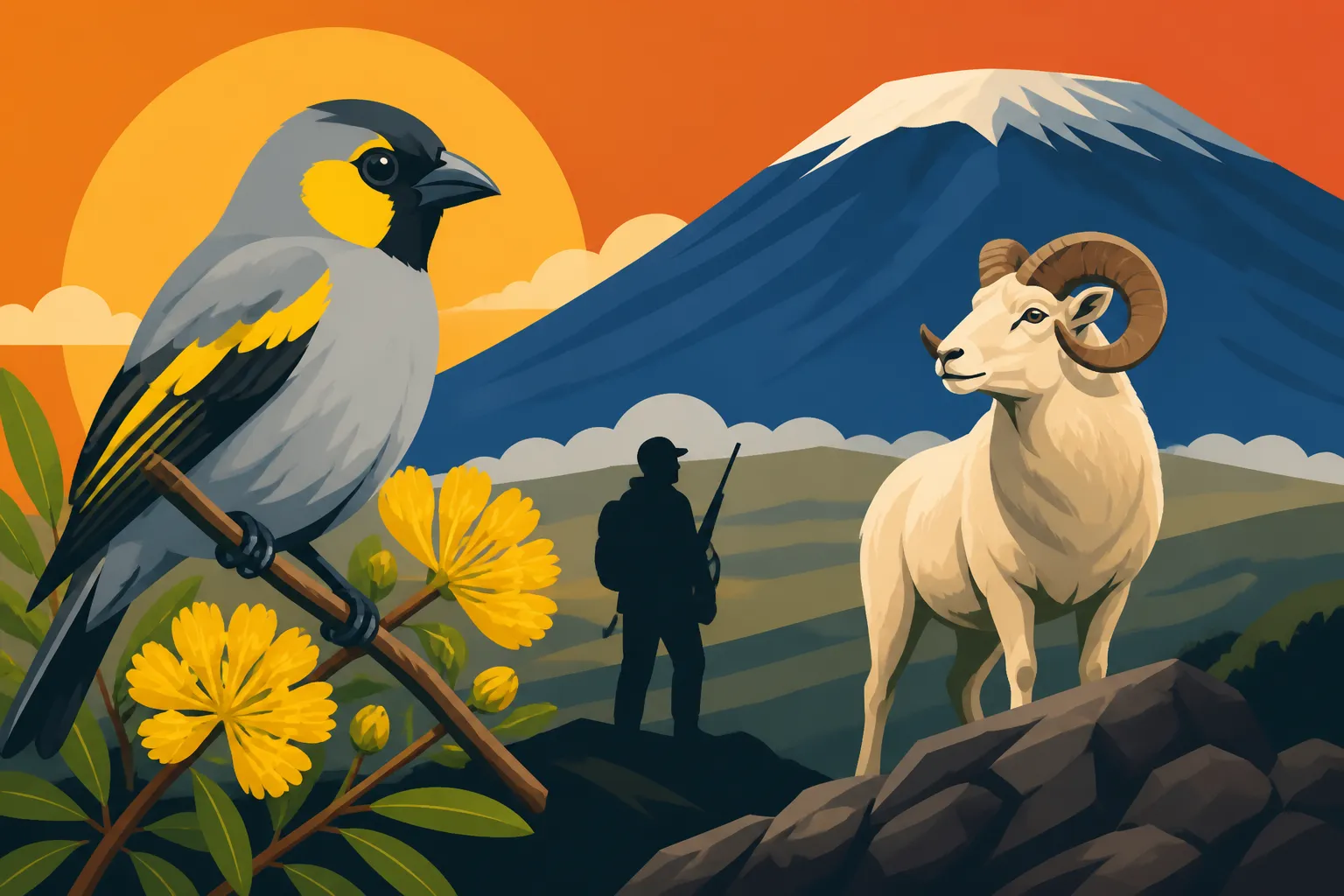
Imagine a finch-like bird, vibrant yellow on its head and chest, with a contrasting gray back and a strong, conical beak. That’s the Palila, a species found nowhere else on Earth. These birds are what biologists call "specialists," meaning they rely heavily on a very specific set of resources and a particular type of habitat to survive. For the Palila, that means the seeds of the mamane tree. Without mamane, there is no Palila. Their life cycle, from nesting to feeding, is intrinsically linked to this remarkable tree. They’ve evolved over millennia to exploit the protein-rich seeds of the mamane, using their powerful beaks to crack open the tough pods that most other birds can't even touch. It’s a truly fascinating example of co-evolution.
The Fragile Mamane Forest Ecosystem
The mamane tree (Sophora chrysophylla) isn't just a food source; it forms the very backbone of the Palila's critical habitat. These forests grow predominantly on the dry, western slopes of Mauna Kea, roughly between 6,000 and 9,000 feet elevation. This specific altitudinal band provides the right conditions for mamane to thrive, creating an island of forest amidst a sea of lava and scrub. This ecosystem isn't just home to Palila; it's a complex web of native plants and insects that have also evolved in isolation. What makes it so fragile is its limited range and its slow recovery rate from disturbance. When you lose mamane trees, you don't just lose one food source; you disrupt an entire, unique ecosystem that can take generations to regenerate. This is why the health of the mamane forest is paramount for the survival of the Palila, and why any threat to it is taken so seriously.
Mauna Kea's Introduced Sheep: Mouflon and Feral Hybrids
Contrasting sharply with the delicate Palila and its specialized habitat are the robust, free-ranging sheep that call Mauna Kea home. These animals, while providing exciting hunting opportunities, represent a significant ecological challenge due to their sheer numbers and grazing habits. Understanding their history and behavior is key to grasping the complexities of managing this landscape.
From Corsica to Mauna Kea: The History of Introduction
The story of sheep on Mauna Kea begins not with native Hawaiian fauna, but with European settlers. Feral sheep were first introduced to the Hawaiian Islands in the late 1700s and early 1800s by Western visitors, initially as a food source and for wool. These early sheep were primarily domestic breeds that eventually escaped or were intentionally released, quickly adapting to the rugged Hawaiian terrain. Over time, these feral populations spread, particularly on the Big Island, finding ideal high-elevation habitat on the slopes of Mauna Kea and Mauna Loa. Later, in the mid-20th century, a more specific wild sheep, the Mouflon (Ovis gmelini musimon), native to Corsica and Sardinia, was intentionally introduced to Hawaii for sport hunting. These animals were released into existing feral sheep populations, leading to significant interbreeding.
The Different Faces of Mauna Kea's Sheep
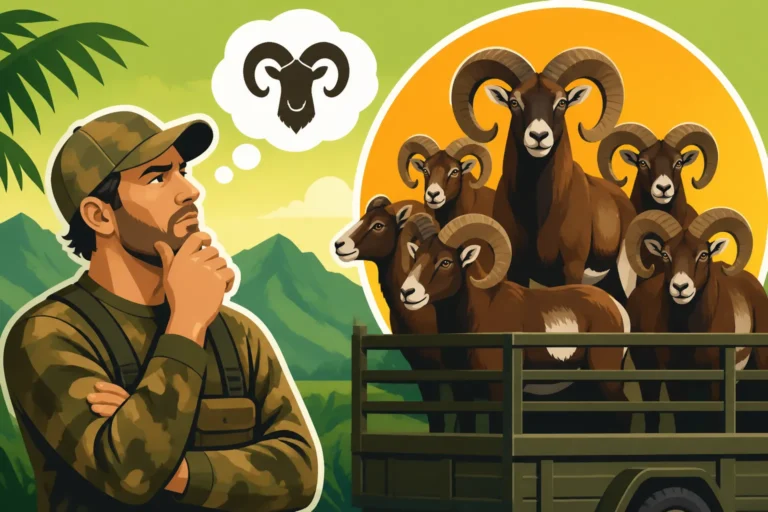
Today, the sheep population on Mauna Kea is largely a mix of these lineages, often referred to as Mouflon and Feral Sheep Hybrids. You'll see animals that display classic Mouflon characteristics – the distinctive dark saddle patch, lighter muzzle, and impressive curling horns on the rams – alongside those that look more like their domestic feral ancestors, with varying coat colors and horn shapes. Both types thrive in the sparse, high-altitude grasslands and cinder cone landscapes, often feeding on grasses, shrubs, and, critically, young mamane trees. The feral sheep, in particular, can be incredibly adaptable, forming large flocks that roam vast distances. Hunters pursuing Mouflon Sheep Hunting on Hawaii Island are often targeting these hybrids, with the Mouflon genetics bringing a desired trophy quality to many of the rams found in the higher elevations.
They are incredibly hardy animals, perfectly suited to the challenging conditions of the mountain. They can withstand the cold nights and the strong winds, and their keen eyesight and agility make them a formidable quarry. Their numbers can fluctuate, but generally, these sheep populations have been robust, especially given the lack of natural predators in Hawaii, which is part of the problem for the Palila.
The Clash on the Mountain: Palila vs. Sheep Habitat
The picturesque landscape of Mauna Kea, with its vast slopes and unique forests, hides a silent, ongoing conflict. It’s a struggle for survival between an endemic bird and an introduced mammal, both trying to make a living in the same precious ecosystem. This clash fundamentally alters the environment and poses a constant challenge for wildlife managers.
Grazing Pressure and Habitat Degradation
The primary issue is straightforward: sheep eat plants. While this might seem simple, the implications are profound for the Palila. Sheep, whether Mouflon or feral hybrids, are grazers and browsers. When they feed on the mamane forest, especially young seedlings and saplings, they prevent the forest from regenerating. Imagine a garden where everything new that sprouts is immediately eaten – eventually, there’s nothing left but old, dying plants. That's what happens to the mamane forest under unchecked grazing pressure. The sheep strip the understory, compact the soil, and generally degrade the health of the entire forest.
This habitat degradation doesn't just reduce the future food supply for Palila; it also removes critical nesting sites and cover. Palila nests are often placed in the forks of mamane branches, and the overall density and health of the forest are vital for their reproductive success. A sparse, degraded mamane forest simply cannot support a healthy Palila population. The constant grazing pressure has created a very real barrier to the natural expansion and recovery of these crucial forests.
Competition for Scarce Resources
Beyond direct habitat destruction, the presence of large sheep populations creates competition for other resources, particularly water and specific forage, even in an area where mamane is not the primary food for the sheep. While mamane seeds are the Palila's staple, the overall health of the ecosystem supports many interconnected species. The intense grazing by sheep can also impact other native plants that provide secondary food sources or structural components of the Palila's habitat.
On a deeper level, the very presence of large ungulates (hoofed animals) like sheep alters the delicate ecological balance that existed for millennia without them. The nutrient cycling, soil composition, and even the spread of invasive weed species can be influenced by the heavy hoof action and waste deposition of large herds. This competition for finite resources, both direct and indirect, puts immense pressure on a species like the Palila, which has not evolved defenses against such large, voracious herbivores. It forces wildlife managers to consider the entirety of the ecosystem when making decisions about animal populations and land use.
The Palila Lawsuit and Its Lasting Impact
The conflict between the Palila and Mauna Kea's sheep didn't remain a purely ecological discussion. It escalated into a significant legal battle that reshaped conservation policy and hunting management on the Big Island, particularly concerning the high-elevation zones.
The Landmark Legal Battle
In the late 1970s, as the Palila population continued its steep decline and the scientific evidence of sheep damage mounted, environmental groups took legal action. The Sierra Club Legal Defense Fund (now Earthjustice) filed a lawsuit on behalf of the Palila against the State of Hawaii. This landmark case, known as Palila v. Hawaii Department of Land and Natural Resources, argued that the state's management of feral sheep and goats on Mauna Kea violated the Endangered Species Act by harming the Palila's critical habitat.
The core of the argument was that the state's policy of maintaining populations of these non-native ungulates for sport hunting was directly contributing to the degradation of the mamane-naio forest, which was absolutely essential for the Palila's survival. The initial ruling in 1979, and subsequent appeals and rulings, famously affirmed that the presence of these animals constituted a "taking" under the Endangered Species Act, even without direct killing of the bird. This meant that habitat destruction caused by the sheep was legally equivalent to harming the endangered species itself. This legal precedent was incredibly significant, not just for Hawaii but for endangered species management across the United States.
Management Changes for Mauna Kea
The outcome of the Palila lawsuit fundamentally altered how Mauna Kea's high-elevation lands were managed. The courts ordered the State of Hawaii to remove all feral sheep and goats from the Palila's critical habitat zone. This led to extensive efforts by the Division of Forestry and Wildlife (DOFAW) to reduce and control sheep populations in designated areas. While complete eradication has proven incredibly difficult in such vast, rugged terrain, the goal was to significantly reduce their numbers within the Palila Recovery Area.
This often involved fencing portions of the critical habitat, and implementing intense control efforts including both aerial culling and increased hunting pressure in specific areas. These changes directly impacted hunting opportunities and regulations. Hunters, who traditionally pursued these animals across much of the mountain, suddenly faced more restricted access and a different focus for management. The emphasis shifted from maintaining a huntable population in all areas to actively reducing numbers in areas deemed critical for the Palila, while still providing hunting opportunities in other designated units. This is Why the Palila Lawsuit Changed Sheep Numbers is a critical piece of the puzzle for understanding the current hunting landscape on Mauna Kea.
Hunting Mauna Kea's Sheep: Opportunities Amidst Controversy
For many hunters, the image of a majestic Mouflon ram against the stark volcanic backdrop of Mauna Kea is an irresistible draw. The Big Island offers unique opportunities to pursue these challenging animals, but it’s an experience deeply intertwined with the conservation efforts born from the Palila’s struggle.
Navigating Mauna Kea's Hunting Units
Mauna Kea is divided into several public hunting units, managed by DOFAW, each with its own specific rules, seasons, and access considerations. Unit A, in particular, is one of the most well-known for sheep hunting. Hunters often apply for drawn hunts or participate in general seasons to access these areas. The draw system, which can be complex, determines who gets to hunt Mouflon and feral sheep in these coveted units. Understanding the nuances of these draws is essential, and platforms like GoHunt can be invaluable for navigating the application process and keeping track of deadlines.
When you're planning for Mouflon Sheep Hunting on Hawaii Island, you'll quickly realize that the topography of Mauna Kea is no joke. You're talking about hunting Hawaii's High Elevation Alpine Ground, where the air is thin and the terrain is unforgiving. Hunters need to be prepared for drastic weather changes, from scorching sun to freezing rain and strong winds, often within the same day. Many units require considerable walking, and a good portion of your time will be spent glassing a Lava Flow for Mouflon Rams, often covering vast distances with binoculars.
The Reality of High-Elevation Sheep Hunting
Hunting Mouflon in Mauna Kea's Thin Air isn't for the faint of heart. The physical demands are significant. You'll be climbing, descending, and traversing rough volcanic rock and steep slopes, often above 8,000 or even 9,000 feet. This kind of exertion at altitude can be challenging, even for fit individuals. Being in good physical condition is paramount, as is proper hydration and sun protection. When planning your trip, consider checking Hawaii Game Mammal Seasons and any special draw rules on the official DOFAW website or through services like GoHunt.
Beyond the physical challenge, the sheep themselves are wary. They have excellent eyesight and often hold in areas that provide natural cover and escape routes. Spot-and-stalk is the predominant method, requiring patience, keen observation skills, and the ability to accurately judge distances in wide-open country. Legal Weapons When Hunting Pigs With Dogs provides rules for a different species, but it reminds us that specific weapon rules apply to each game animal, so hunters must be diligent in confirming what is permitted for sheep on Mauna Kea. For many, it's not just about taking an animal, but about experiencing the raw beauty and challenge of this unique hunting ground. The satisfaction of a successful hunt here comes from truly earning it against the elements and the animals' natural defenses.
Balancing Act: Conservation and Hunting on Mauna Kea
The story of the Palila and Mauna Kea's sheep is a microcosm of the larger conservation challenges faced throughout Hawaii. It’s a constant struggle to balance the preservation of unique native species with the desire to manage and utilize introduced game animals for recreation.
DOFAW's Role in a Complex Ecosystem
The Hawaii Division of Forestry and Wildlife (DOFAW) is tasked with the incredibly difficult job of managing these complex ecosystems. Their approach is multi-faceted, involving a combination of fencing, direct animal removal, and carefully regulated public hunting. On Mauna Kea, DOFAW manages hunting through a system of permits and seasons, often employing a lottery or drawn hunt system for more sensitive areas. This helps regulate hunter numbers and distributes pressure across units. You can find detailed information on Hawaii's Hunting Units and How They Work, and specific permit-tag requirements, through DOFAW's official channels, often accessible via the GoHunt platform.
DOFAW also implements projects like building Hawaii's Fenced Conservation Boundaries to exclude sheep and other ungulates from critical Palila habitat, allowing the mamane forests to recover and regenerate. These fences are expensive to build and maintain, but they are crucial tools for conservation. Hunters might encounter these fences in the field and should always respect their boundaries, understanding their vital role in protecting endangered species. The continuous monitoring of both Palila and sheep populations informs these management decisions, highlighting the scientific basis behind what might sometimes feel like restrictive rules for hunters.
The Future of Hunting and Conservation
The future of hunting Mouflon and feral sheep on Mauna Kea is inextricably linked to the ongoing efforts to conserve the Palila and its mamane forest habitat. As long as the Palila remains endangered, management will prioritize its recovery. This means that hunting opportunities will continue to be carefully regulated, and efforts to control sheep populations in critical areas will persist. Hunters play a vital role in this conservation effort, whether through participation in regulated hunts that help manage numbers or by supporting conservation initiatives.
Understanding What Mamane Trees Mean to Mauna Kea is key for any hunter venturing onto the mountain. These trees are not just part of the scenery; they are the literal lifeline for the Palila. The dialogue between hunters, conservationists, and wildlife managers is ongoing, always striving to find a sustainable balance where both cultural practices like hunting and the imperative to protect Hawaii's unique natural heritage can coexist. It's a challenging path, but one that reflects the deep love and respect many residents and visitors hold for these extraordinary islands.
Here’s a simplified overview of how the Palila's needs impact hunting zones on Mauna Kea:
| Aspect | Palila Critical Habitat Zone (e.g., portions of Unit A) | General Mauna Kea Hunting Units (outside critical habitat) |
|---|---|---|
| Primary Goal | Palila recovery, mamane forest regeneration | Game management, public hunting opportunity |
| Sheep Management | Strict removal/control of all ungulates | Regulated hunting, population management |
| Hunting Access | Highly restricted, often permits for control efforts | General season/draw hunts, more accessible |
| Fencing | Common, actively used to exclude sheep | Less common, generally not for ungulate exclusion |
| Mammal Target | No legal hunting to take game here | Mouflon and feral sheep |
| Conservation Focus | Endangered Species Act compliance | Sustainable yield, recreation |
Disclaimer
This article is for general informational purposes only and does not constitute professional advice. Laws, prices and regulations vary by location and change over time. Consult a qualified professional for guidance on your specific situation.