Hawaii’s Nene and Why It Is Protected
It can be incredibly frustrating to be out in Hawaii's stunning landscapes, focused on your hunt, only to suddenly encounter wildlife that looks like a legal game bird but is, in fact, absolutely off-limits. This scenario plays out for many hunters who are unfamiliar with Hawaii's native species, particularly the nene, or Hawaiian goose. This comprehensive guide will walk you through everything you need to know about the nene, why it is fiercely protected, and how you, as a responsible hunter, can help ensure its survival while still enjoying your time in Hawaii's unique hunting units.
The Iconic Nene: Hawaii's State Bird and a Conservation Success Story (and Challenge)
When you think of geese, you likely picture birds migrating in V-formations across grey mainland skies, honking loudly. But the nene (Branta sandvicensis) is a world apart, a true island original that has adapted to Hawaii's volcanic landscapes over millennia. It’s our official state bird, and its story is one of incredible resilience and a constant battle against the odds, making its protection paramount.
What Makes the Nene So Unique?
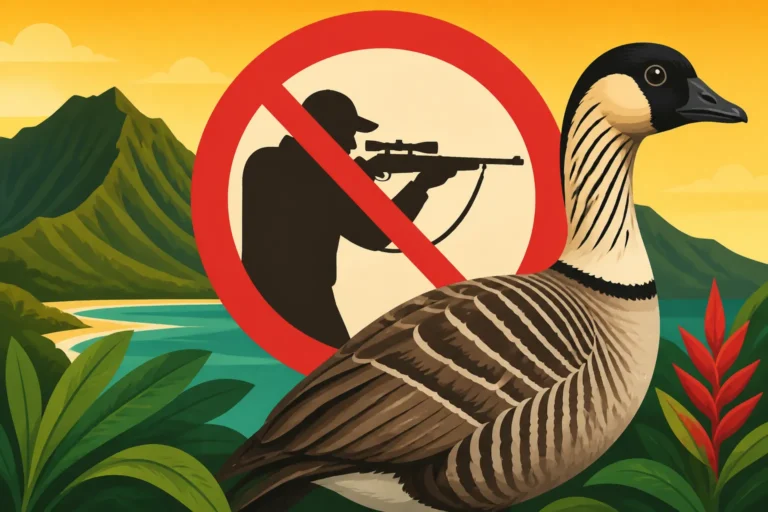
Unlike its mainland cousin, the Canada goose, the nene evolved to thrive in Hawaii's terrestrial environment, largely foregoing long migratory flights. This adaptation is clear in its partially webbed feet, which are much better suited for walking over rugged lava flows and through sparse grasslands than for extensive swimming. Their plumage is distinct too, with a striking black head and neck, buff cheeks, and deeply furrowed neck feathers that give a ribbed appearance, setting them apart from any other goose you might encounter.
They're not nearly as vocal as other geese, often emitting a soft, distinct "nene" call, which is where their name comes from. You’ll usually find them in pairs or small family groups, grazing on grasses, berries, and seeds. Their diet and behaviors are intrinsically linked to the delicate Hawaiian ecosystems they inhabit, acting as seed dispersers and playing a role in the health of native plant communities. For a hunter, understanding these unique traits is the first step in avoiding any accidental encounters or misidentification.
A History of Near Extinction: Why the Nene Faced Such Odds
The nene's journey is a stark reminder of the fragility of island biodiversity. Before human arrival, it's estimated that tens of thousands of nene roamed the islands. However, with the arrival of Polynesians and later Europeans, their numbers plummeted dramatically. This decline was primarily due to two factors: habitat loss and the introduction of alien predators. Vast tracts of their natural habitat, from lowland forests to volcanic slopes, were converted for agriculture or urban development.
Perhaps even more devastating were the non-native predators like mongooses, feral cats, and feral dogs, which had a field day with the slow, flightless (or semi-flightless) nene and their eggs and goslings. These predators, completely new to the Hawaiian ecosystem, had no natural checks and balances, and the nene had no defenses against them. By the mid-20th century, the nene population had dwindled to a terrifying low of only around 30 birds in the wild, placing them on the very brink of extinction. This near-total loss spurred an unprecedented conservation effort, making the nene a powerful symbol of Hawaii's commitment to protecting its unique natural heritage.
The Nene's Crucial Role in Hawaii's Ecosystem
Despite their relatively small size, nene play a vital role in the health of Hawaii's ecosystems, particularly in seed dispersal. As they graze on native plants and then move across the landscape, they help spread seeds, aiding in the regeneration and distribution of indigenous flora. This function is particularly important in areas where native plant communities are struggling against invasive species. Without the nene, the intricate web of life that has evolved over millions of years would lose an essential strand.
Their presence also serves as an indicator of ecosystem health. A thriving nene population often signifies a healthy native habitat with minimal predator pressure and sufficient food resources. Conversely, a struggling nene population can highlight underlying issues, such as continued habitat degradation or unchecked invasive predator populations. Hunters, by understanding the nene's ecological role, can better appreciate the broader conservation context surrounding all game species, even the introduced ones that are part of the food chain for native predators.
Understanding the Nene's Protected Status for Hunters
For hunters, the protected status of the nene isn't just a legal formality; it's a critical piece of information that needs to be at the forefront of your mind when you're out in the field. Mistaking a nene for another species or inadvertently disturbing their nesting areas can have severe consequences, both for the birds and for the individual hunter. This is why thorough knowledge of their appearance, behavior, and where they might be found is non-negotiable.
The Legal Framework: Why Nene Are Off-Limits
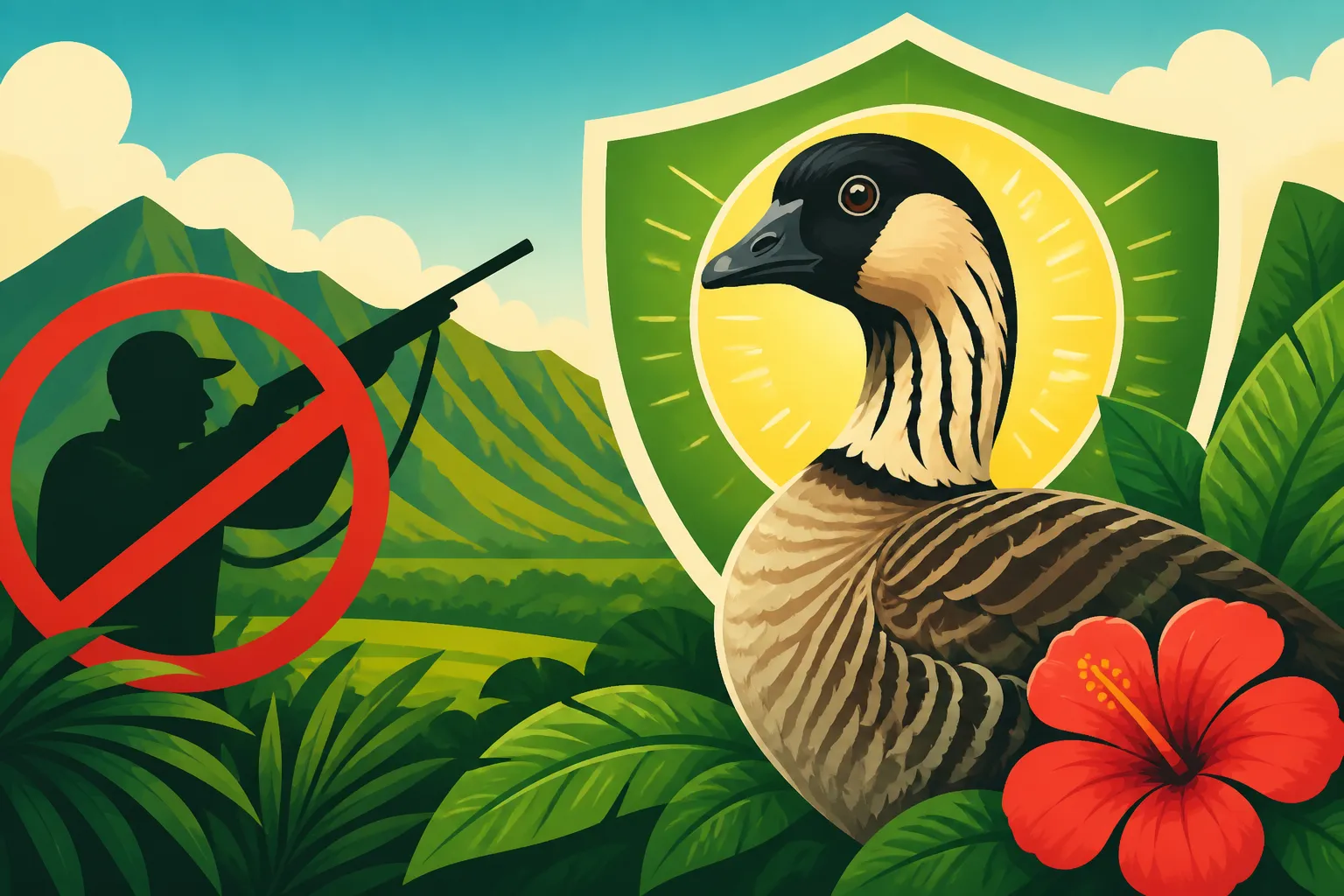
The nene is federally protected under the Endangered Species Act and is also protected by Hawaii state law. This means it is illegal to hunt, harm, harass, or possess a nene or any part of it, including its eggs. The penalties for violating these protections are substantial, ranging from hefty fines to imprisonment, and can include the permanent loss of hunting privileges. It's a severe offense, and ignorance of the law is absolutely no excuse.
Hawaii's wildlife agencies, like the Division of Forestry and Wildlife (DOFAW), take nene protection very seriously. They regularly monitor nene populations and nesting sites, and conservation officers are vigilant in enforcing these laws. When you apply for your Hawaii hunting license or any necessary permit-tags, the importance of avoiding protected species like the nene is always highlighted. It's a fundamental part of the education for anyone participating in Hawaii hunting. If you have questions about specific unit boundaries or known nene areas, always check with DOFAW or consult maps available on resources like GoHunt, which often mark sensitive areas.
Identifying Nene in the Field: Crucial for Hunters
The most important thing for any hunter in Hawaii is to be able to positively identify a nene. While they are geese, they don't look exactly like the Canada geese you might be used to. Their distinguishing features include a black head and neck, buff-colored cheeks, and those characteristic deep furrows or ridges on their neck, giving it a somewhat corrugated appearance. They are typically smaller and more upright than Canada geese. You can learn more about how to recognize a nene in the field through educational materials provided by DOFAW.
Crucially, nene are found on multiple islands, including Hawaii Island, Maui, Kauai, and Molokai. Their habitat can vary from high-elevation grasslands and volcanic slopes to coastal areas and even golf courses. This means you could potentially encounter them in a wide range of public hunting land in Hawaii, from forest reserves to game management areas. Always be aware of your surroundings, and if you see a goose that fits the description, err on the side of caution and assume it's a nene. Remember, there are no legal goose hunting seasons in Hawaii; if it's a goose, it's a nene.
Consequences of Mistaken Identity or Intentional Harm
The legal ramifications for harming a nene are severe, but beyond the legal penalties, there's also a significant ethical and reputational cost. The hunting community in Hawaii is relatively small, and maintaining a positive image is crucial for the future of hunting here. An incident involving a protected species like the nene can cast a long shadow over all hunters, potentially leading to stricter regulations or even unit closures. No one wants to be "that guy" who harmed an endangered species.
From a practical standpoint, any investigation into such an incident will involve significant time and resources from state and federal agencies. You'd likely face a lengthy legal process, substantial fines, and the potential loss of your hunting license, possibly permanently. This is why hunter education requirements in Hawaii emphasize responsible and ethical hunting, including respecting protected species. It's not just about avoiding trouble; it's about being a steward of Hawaii's unique environment and helping ensure that hunting remains a respected and viable activity for generations to come.
Where Nene Live and How Their Range Overlaps with Hunting Areas
Nene are adaptable birds, but they do have preferred habitats and behaviors that can lead to encounters with hunters. Understanding their geographical distribution and daily routines is key to minimizing any potential conflicts and ensuring their safety. They aren't confined to small, inaccessible pockets; you might find them in places you wouldn't expect.
Key Nene Habitats Across the Islands
Nene are currently found on four of the main Hawaiian Islands: Hawaii Island, Maui, Kauai, and Molokai. On Hawaii Island, they often inhabit high-elevation grasslands and kipuka areas around Mauna Loa and Mauna Kea, but also descend to lower elevations. Maui's nene population is spread across areas like Haleakala National Park and surrounding ranch lands and some sections of upcountry. Kauai's nene tend to favor coastal lowlands and agricultural fields, as well as parts of the Alakai Wilderness. Molokai also has a population, often found in its dryer, open country.
Their preferred habitats generally include open grasslands, sparse shrublands, and volcanic terrain, often near scattered water sources. These areas provide both grazing opportunities and relatively safe nesting sites. While you might associate geese with wetlands, nene are far more terrestrial, and their nests are usually well-hidden on the ground amidst vegetation. This makes them particularly vulnerable to ground predators, but also means they can be present in hunting areas that might not seem like typical "goose country."
Encountering Nene on Public Hunting Units
It's entirely possible, and even common, to encounter nene within designated public hunting units across the islands. For example, some units on Hawaii Island's high elevation alpine ground, particularly those bordering national parks or large ranches involved in conservation, may host nene populations. Similarly, on Maui, some forest reserves and open country units can see nene activity. While the Hawaii Game Mammal Seasons and Hawaii Game Bird Seasons and Bag Limits are clearly defined, no goose season exists.
When you're out scouting or hunting, especially in areas with suitable nene habitat, vigilance is key. This includes when you're checking in and out of Hawaii hunting units, as nene might be present near access roads or check stations. If you spot nene, make a mental note of their location and adjust your approach to ensure you keep a respectful distance. This proactive approach not only protects the birds but also helps maintain your focus on legal game without unnecessary distractions or risks.
Seasonal Movements and Nesting Behavior
Nene don't undertake long-distance migrations like many mainland geese, but they do have seasonal movements, often in response to food availability or breeding cycles. They typically breed between November and March, which is a critical time when females are nesting and later raising goslings. During this period, they are particularly vulnerable and can be less wary, making them easier to approach—which is exactly what you should avoid.
Nesting sites are often concealed in dense vegetation, lava crevices, or under shrubs, making them difficult for hunters to spot. A hunter inadvertently walking through such an area could disturb a nesting female or even step on eggs. This is why understanding where nene breed and being extra cautious during these months is so important. Knowing the local conditions and consulting DOFAW maps or current advisories regarding specific units can provide valuable insights into active nene areas and help you plan your hunt responsibly.
How Hunters Can Be Nene Advocates and Aid Conservation Efforts
As hunters, we have a unique connection to the land and its wildlife. This position carries a responsibility not just to follow the rules, but to actively contribute to conservation. When it comes to the nene, hunters can be some of their most important allies, helping to protect this critically important species.
Best Practices in Nene Country
Hunting in Hawaii requires an extra layer of awareness, particularly when protected species are present. When you're in an area known for nene, or even if you just suspect they might be around, here are some best practices:
- Positive Identification: Always be 100% sure of your target. If there's any doubt about a bird, do not shoot. There are no legal geese to hunt in Hawaii.
- Keep Your Distance: If you spot nene, maintain a respectful distance. Do not approach them for photos or to get a closer look. Disturbing them, especially during nesting season, is detrimental.
- Control Dogs: If you're dog and knife pig hunting in Hawaii, ensure your dogs are always under control, especially in nene habitat. Feral dogs are a major predator of nene, and even well-trained hunting dogs could inadvertently cause stress or harm if not properly managed.
- Stay on Trails/Designated Areas: Where possible, stick to established trails or designated hunting routes. This reduces the chance of accidentally disturbing a hidden nest or flushing birds.
These simple actions go a long way in ensuring that your hunting activities don't negatively impact nene populations. It’s about being a thoughtful and proactive participant in Hawaii’s unique outdoor environment.
Reporting Sightings and Potential Threats
You, the hunter, are often the eyes and ears on the ground in remote areas. Your observations can be incredibly valuable to conservation efforts. If you encounter nene, especially in new or unusual locations, consider reporting your sighting to DOFAW. This data helps them track populations, understand movements, and identify potential new habitats or threats.
Even more critically, if you witness any activity that could be detrimental to nene—such as harassment by people, free-roaming dogs, or potential poachers—report it immediately. Don't hesitate. You can usually find contact information for local DOFAW offices or conservation officers on the GoHunt Hawaii website or through information provided when you obtain your Hawaii hunting license. Your quick action could directly save nene lives or help prevent future incidents. You are an invaluable part of the conservation puzzle.
Supporting Broader Nene Conservation Programs
Beyond direct action in the field, hunters can support nene conservation through broader means. This includes understanding the various challenges faced by Hawaii's endangered birds near hunting units. A significant portion of your hunting license and stamp fees often goes towards wildlife management and conservation programs, some of which directly benefit species like the nene.
Many conservation organizations work on habitat restoration, predator control, and public education programs focused on nene. Participating in volunteer efforts, even if they aren't directly hunting-related, can further demonstrate the hunting community's commitment to responsible wildlife stewardship. Learning about issues like why Hawaii fences out pigs and goats, for instance, can provide a deeper understanding of the integrated approach required for protecting native species. Your voice and actions matter, showing that hunters are part of the solution, not the problem.
The Broader Context: Why Protecting Native Species Matters in Hawaii
The nene's story isn't an isolated one; it's a microcosm of the larger conservation challenges and triumphs in Hawaii. Understanding this broader picture helps connect the dots between hunting introduced game and protecting the irreplaceable native wildlife that makes these islands so unique.
The Fragility of Island Ecosystems
Island ecosystems are often described as ecological laboratories, where species evolve in isolation, leading to unique adaptations. However, this isolation also makes them incredibly fragile. Without the natural predators, diseases, and competitive pressures found on larger continents, island native species often lack defenses against introduced threats. This is precisely why Hawaii has almost no native mammals, and why species like the nene were so vulnerable to introduced predators such as mongoose in Hawaii.
The interconnectedness of these ecosystems means that the loss of one species can have cascading effects throughout the food web. Protecting a keystone species like the nene isn't just about saving one bird; it's about preserving the delicate balance of an entire ecosystem. Hunters, by understanding this fragility, can appreciate the significant responsibility that comes with recreating and harvesting animals in such a unique and vulnerable environment.
Balancing Introduced Game and Native Wildlife
Hawaii presents a fascinating paradox for wildlife management: while many native species are highly endangered, the islands also host thriving populations of introduced game animals like axis deer, feral pigs, mouflon sheep, and feral goats. These game animals, while providing incredible hunting opportunities, also exert significant pressure on native habitats, sometimes directly competing with or impacting native species. This is often why Hawaii calls its game animals invasive, despite their popularity with hunters.
The balance between managing these introduced game populations for hunting and simultaneously protecting native flora and fauna is a constant challenge for resource managers. Hunters are a crucial tool in this management, helping to control populations of feral ungulates that degrade sensitive ecosystems. By being mindful of native species like the nene, hunters demonstrate their understanding of this delicate balance, contributing positively to both game management and native species conservation. It's a testament to the idea that responsible hunting can be a vital component of holistic wildlife management.
The Future of Nene and Hawaii's Unique Biodiversity
The future of the nene, and indeed much of Hawaii's unique biodiversity, depends on continued vigilance, adaptive management, and the cooperation of all stakeholders, including hunters. The success story of bringing the nene back from the brink of extinction is a powerful reminder that conservation efforts can work, but the challenges remain formidable. As hunters engage with the GoHunt Hawaii platform or similar resources to plan their adventures, they are encouraged to also educate themselves on the conservation context of their chosen units.
The ongoing efforts to restore habitat, control predators, and monitor nene populations require sustained support. By adhering to regulations, reporting observations, and advocating for responsible land use, hunters play an integral role in this future. The goal is a Hawaii where both vibrant hunting traditions and thriving native wildlife populations can coexist, a place where the distinctive call of the nene continues to echo across the lava fields and mountain slopes for generations to come.
| Nene Identification Key | Canada Goose Comparison | Hunter Relevance |
|---|---|---|
| Size | Smaller, more compact | No legal goose hunting in Hawaii; all geese are Nene. |
| Coloration | Black head/neck, buff cheeks, furrowed neck feathers | Distinctive markings help prevent misidentification. |
| Feet | Partially webbed, suited for walking | Less aquatic than typical geese; often found on land. |
| Voice | Soft "nene" call | Quieter than mainland geese; listen for their unique sound. |
| Habitat | Diverse: grasslands, lava flows, coastal areas | Overlaps significantly with various public hunting areas. |
| Behavior | Terrestrial, graze on plants; nest on ground | Nests are vulnerable to disturbance, especially during breeding season. |
Disclaimer
This article is for general informational purposes only and does not constitute professional advice. Laws, prices and regulations vary by location and change over time. Consult a qualified professional for guidance on your specific situation.