Why Hawaii Calls Its Game Animals Invasive
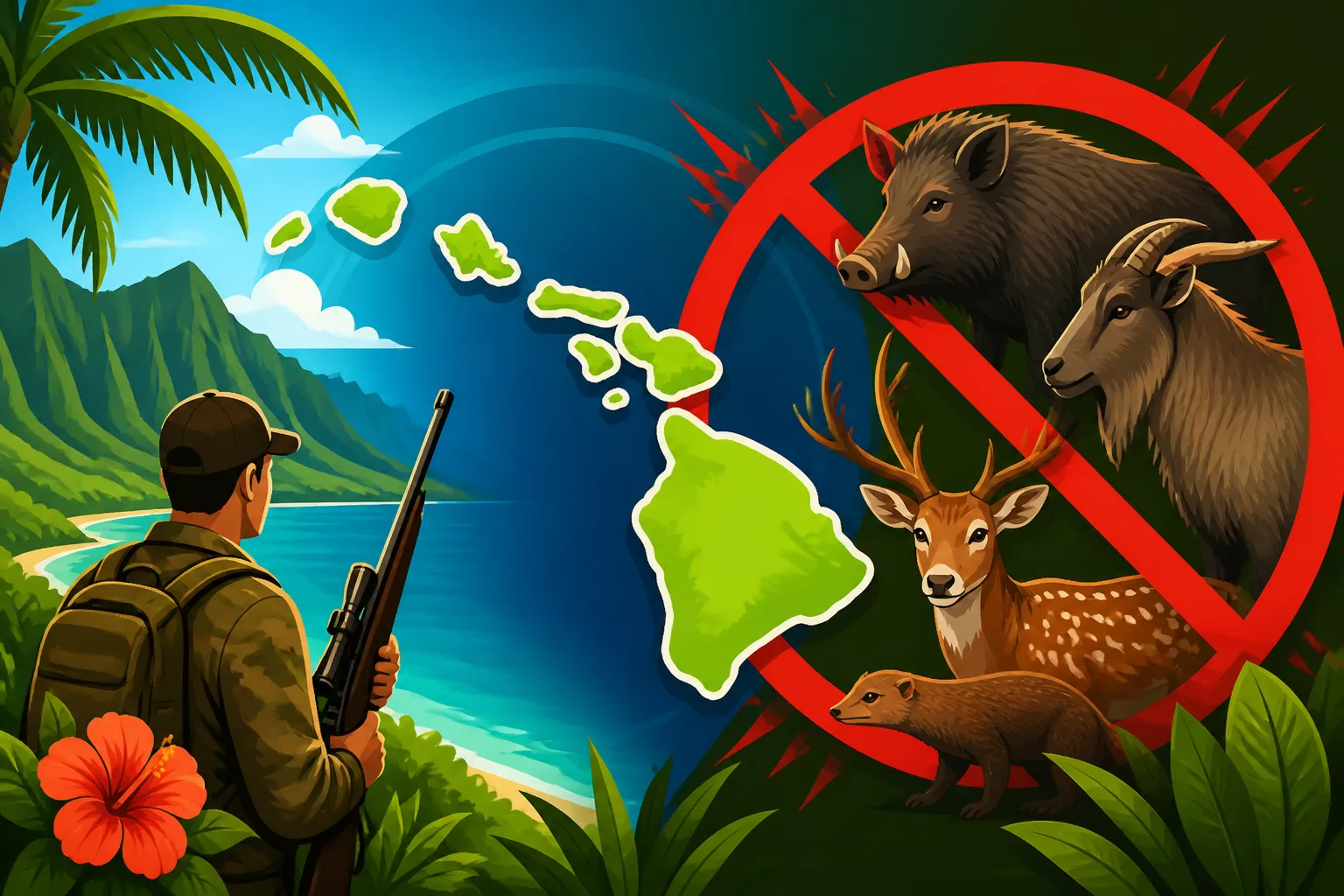
It's a question many hunters, especially those visiting from the mainland, grapple with: how can a creature we pursue for sport, one often referred to as "game," also be labeled "invasive"? In Hawaii, this isn't just a semantic debate; it's a fundamental truth that shapes every aspect of our hunting regulations, seasons, and even the very mindset of how we approach wildlife. This guide will walk you through the unique history and ecological realities that explain precisely why Hawaii's game animals are, by definition, invasive, and what that means for hunters.
The Uniqueness of Hawaii's Ecosystem
To understand why Hawaii's game animals are considered invasive, we first need to appreciate just how unique and incredibly fragile the Hawaiian Islands' native ecosystem truly is. Imagine an ancient world, forged by fire and isolated by thousands of miles of ocean, where life evolved in ways found nowhere else on Earth.
An Evolution in Isolation
For millions of years, the Hawaiian Islands were a biological sanctuary. Only a tiny fraction of species ever made the arduous journey across the vast Pacific, either by wind, wave, or wing. Those that did arrive found an empty niche, ripe for adaptation, leading to an astonishing array of endemic plants and animals—species that exist only in Hawaii. Because there were no land bridges, no continental shelves connecting Hawaii to larger landmasses, the islands developed without large mammalian predators. There were no deer, no pigs, no sheep, no goats, no cattle, and no major mammalian grazers or browsers. The native flora and fauna simply didn't evolve defenses against such threats.
Imagine a plant that never needed to develop thorns or bitter leaves because nothing large would eat it. Picture ground-nesting birds that didn't have to fear a boar raiding their eggs. This incredible isolation led to evolutionary pathways that were incredibly specialized and, crucially, incredibly vulnerable to external forces. When you understand this deep history, it's easier to grasp why the introduction of even common animals from other parts of the world had such a catastrophic impact.
The Vulnerability of Native Species
This lack of co-evolution with large mammals means Hawaii's native plants are often soft-wooded, slow-growing, and lack the protective mechanisms found in continental plants. Many native birds, having evolved without terrestrial predators, nest on the ground or in low shrubs, making their eggs and chicks easy targets. The very structure of Hawaii's forests, the intricate web of relationships between plants, insects, and birds, was designed for a world without the hoof-beat and rooting action of pigs, the intense browsing of goats, or the sheer numbers of deer.
This inherent vulnerability is the core reason why any introduced species that competes with or predates upon native species, or drastically alters their habitat, quickly becomes a profound threat. It's not just about an animal being "out of place"; it's about an animal being a wrecking ball in a house of cards that was never built for such an impact.
The Arrival of Game Animals: A History of Introductions
The story of Hawaii's game animals isn't one of natural migration; it's a direct result of human intervention, spanning centuries and driven by various intentions, from sustenance to sport.
Polynesian Voyagers and the First Pigs
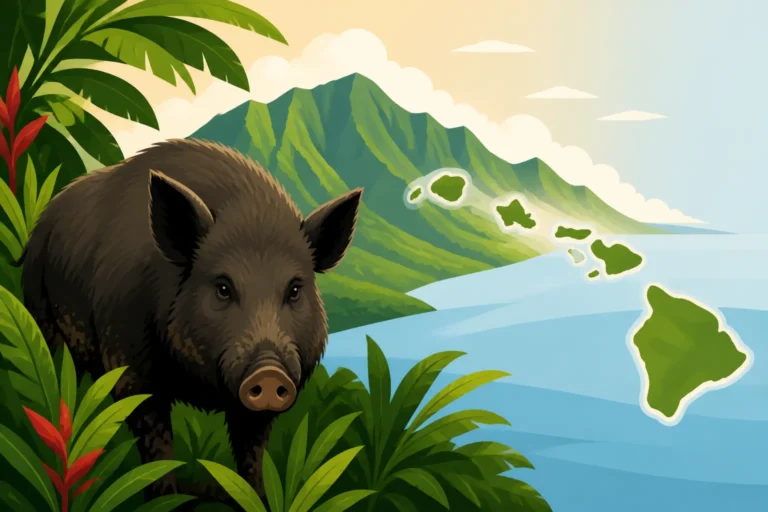
The first significant introduction of a "game" animal came with the Polynesian voyagers, who brought the pua'a or Polynesian pig (Sus scrofa domesticus) to the islands. These pigs were a crucial part of their agricultural and cultural system, providing food and resources. For many generations, these pigs were managed and contained around settlements. However, over time, some escaped into the wild, becoming the ancestors of what we now call feral pigs.
While these pigs were initially a managed resource, their eventual expansion into Hawaii's pristine native forests began to show the first signs of invasive impact. Unlike the managed populations that stayed closer to human habitation, these truly wild pigs began to root up forest understories, creating wallows that held standing water, and altering habitats in ways that native species couldn't cope with. If you're looking for more details on these animals, our article on Hawaii's Feral Pigs, Island by Island delves deeper into their history and spread.
European Settlers and a Wave of Introductions
The arrival of Captain Cook and subsequent European settlers in the late 18th century dramatically accelerated the introduction of non-native species. For various reasons—livestock, food sources, weed control, and later, sport hunting—a multitude of animals were brought to Hawaii. This included European domestic pigs (which interbred with the Polynesian pigs to create the robust feral pigs we know today), goats, sheep, and later, deer species.
The intent behind many of these introductions was not malicious; it was often an attempt to recreate familiar landscapes or provide resources for a growing population. However, without understanding the delicate balance of Hawaii's native ecosystems, the consequences were severe. These animals, thriving in a new environment with abundant food and no natural predators, multiplied rapidly, quickly outstripping the capacity of the land and beginning their destructive impact on native plants and animals.
Axis Deer, Mouflon, and Black-Tailed Deer
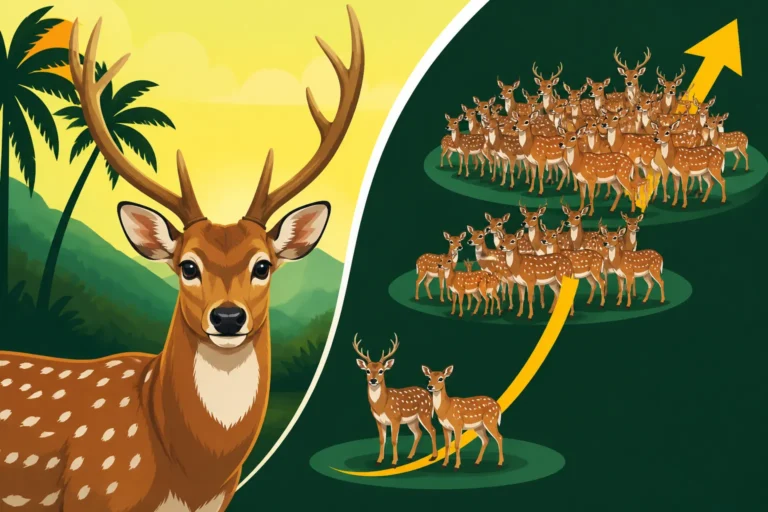
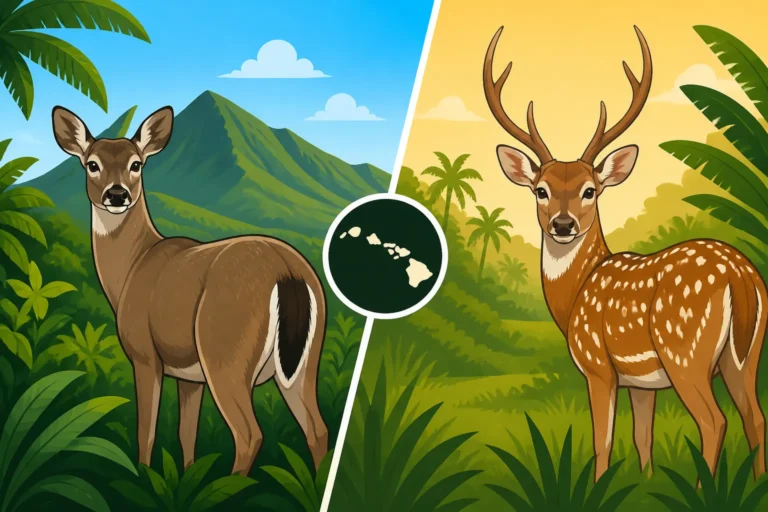
The story of how Axis deer reached Hawaii is a fascinating one, brought over from India in the late 1860s as a gift. They were initially released on Molokai and later introduced to Maui and Lanai. These beautiful deer thrived, their populations exploding in the dry leeward forests. Similarly, Mouflon sheep were introduced from Eurasia in the 1950s for sport hunting, establishing populations on Hawaii Island and Lanai, often interbreeding with existing feral sheep to create hybrids. Kauai's Black-Tailed Deer were brought from Oregon in the 1960s, introducing another deer species to the islands.
These introductions, while creating new hunting opportunities, also introduced new ecological challenges. Each species, from the elegant Axis deer to the rugged Mouflon, began to exert pressure on the native environment, competing with native species for resources and altering delicate habitats.
The Ecological Impact: Why "Invasive" Matters
The term "invasive" isn't just a label; it's a description of the tangible, often devastating, impact these introduced species have on Hawaii's environment. It boils down to a few critical factors: habitat destruction, competition, and disease vectors.
Habitat Destruction and Erosion
Perhaps the most visible and widespread impact of introduced game animals is the physical destruction of habitat. Feral pigs, with their powerful snouts, root up vast swathes of forest understory. This rooting disturbs the soil, exposes delicate root systems, and creates open areas where invasive weeds can take hold. The creation of pig wallows, depressions filled with stagnant water, provides breeding grounds for mosquitoes, which are vectors for avian diseases that decimate native bird populations. Our piece on What Feral Pigs Do to Hawaii's Forests really hammers home the severity of this issue.
Goats, with their voracious appetites, browse relentlessly on native plants, often consuming young saplings before they can grow, preventing forest regeneration. Their sharp hooves churn fragile soils, especially on steep slopes and coastal cliffs, leading to severe erosion. This erosion washes topsoil into streams and out to the reef, smothering coral and impacting marine life. Anyone who has hunted Hunting Goats on Hawaii's Coastal Cliffs can attest to the sheer amount of exposed earth in their wake.
Axis deer, too, contribute to habitat degradation, particularly in dryland forests. Their heavy browsing can strip vegetation, compact soil, and, during periods of drought, put immense pressure on limited water sources, impacting native plants and insects.
Competition with Native Species
Beyond direct destruction, these animals compete directly with Hawaii's native species for essential resources. Feral pigs consume native plant seeds and fruits, disrupting the natural dispersal cycle for many native trees. They also compete for food with native ground-dwelling birds and insects.
Goats and sheep graze on plants that would otherwise be food for native insects, snails, and birds, altering the entire food web. Imagine a rare native snail that relies on a specific plant for food; if goats browse that plant to extinction in an area, the snail population inevitably crashes. These competitive pressures further stress already vulnerable native populations, making their struggle for survival even harder.
Vectors for Disease and Invasive Weeds
The invasive game animals also act as unwitting carriers and facilitators for other invasive species, creating a cascade of ecological problems. As mentioned, pig wallows are prime breeding grounds for mosquitoes, which transmit avian malaria and avian pox, devastating diseases for native birds that have no natural immunity.
Furthermore, the hooves and fur of pigs, goats, and deer can carry the seeds of invasive weeds from one area to another. When these animals disturb the soil, they create perfect seedbeds for these aggressive weeds, which outcompete native plants for light, water, and nutrients. These weeds then quickly take over, creating monocultures that offer little or no benefit to native wildlife.
The "Invasive" Label: A Hunter's Perspective
For many hunters, especially those from continental regions, the idea of pursuing "invasive" game can feel a bit contradictory. In many places, conservation efforts focus on protecting and growing game populations. Here, in Hawaii, the goal is often control and reduction. This shift in perspective is crucial for understanding hunting in the islands.
Hunting as a Conservation Tool
In Hawaii, hunting isn't just a recreational activity; it is a critical, actively promoted conservation tool. The state's Department of Land and Natural Resources (DLNR), through its Division of Forestry and Wildlife (DOFAW), explicitly uses hunting as the primary method for managing and controlling populations of feral pigs, goats, sheep, and deer. Without sustained hunting pressure, these populations would explode even further, leading to even more extensive damage to the remaining native ecosystems.
This means that every hunter who takes to the field for Hunting Hawaii's Feral Pigs or Hunting Hawaii's Feral Goats is directly contributing to conservation efforts. Your efforts help protect native forests, reduce erosion, and create a healthier environment for Hawaii's unique flora and fauna. This is why bag limits are often liberal, and seasons are frequently long or year-round in many units.
Understanding the Management Goals
The management goals in Hawaii are fundamentally different from those in areas focused on maximizing game herds for hunter harvest. Here, the primary objective is to mitigate the damage caused by invasive ungulates. While hunters certainly value the opportunity to harvest an animal, the underlying purpose from the state's perspective is ecosystem protection.
This often means that units might be managed differently, or seasons might be adjusted, based on ecological surveys of native plant health or endangered species populations, rather than solely on game animal numbers. It's a complex balancing act, and hunters play an indispensable role in maintaining that balance. GoHunt Hawaii is a valuable resource for staying informed about specific unit regulations and changes, as they can vary greatly by island and even within different management areas.
The Broader Conservation Landscape
The "invasive" label also connects hunting to a much broader conservation landscape in Hawaii. It ties into efforts like fencing off critical native forest areas to exclude ungulates, aerial control programs in remote or rugged terrain, and extensive invasive species removal projects. Hunters are part of this multi-faceted approach, often providing the most effective and sustainable ground-based control.
It's a stark reminder that while the thrill of the chase and the bounty of the harvest are very real, the environmental stakes in Hawaii are incredibly high. For instance, the ongoing debate around The Palila and Mauna Kea's Sheep highlights the intricate balance and legal challenges involved when native species are threatened by introduced game animals.
Management and Hunting's Role in Hawaii
Given the significant impact of invasive game animals, active management is not just desirable; it's absolutely essential for the survival of Hawaii's unique biodiversity. Hunting plays a cornerstone role in this strategy, often in conjunction with other methods.
State-Managed Public Hunting Areas
Hawaii's public hunting lands are managed by DOFAW with the explicit goal of controlling invasive species. This is why you'll find varied regulations across the islands and within different units. Some units have year-round seasons with no bag limits for certain species like pigs and goats, reflecting the intense need for population control. Other areas might have more restrictive seasons, often for species like Axis deer or Mouflon, where the focus might be on balancing hunter opportunity with specific management targets.
These units are often designated as Game Management Areas (GMAs) or within Forest Reserves. Understanding Hawaii's Hunting Units and How They Work is vital for any hunter, as the rules are directly tied to the specific ecological challenges of each area. When you're planning your hunt, checking the most current regulations through official channels or platforms like GoHunt Hawaii is always a must.
Private Land Management
Private ranches and landowners also play a significant role in managing invasive game animals. Many private lands offer hunting opportunities, and for them, controlling pig, goat, and deer populations is often an economic necessity to protect pastureland, crops, or native forests on their property. Some private operations work closely with conservation groups to implement management strategies that benefit both their land and Hawaii's native ecosystems.
Booking a Hawaii private ranch hunt can be a great way to contribute to these efforts while pursuing game. These lands often allow for different hunting methods or offer more consistent access than public lands, where competition can be higher, particularly during peak seasons like Opening Weekend on a Hawaii Hunting Unit.
Beyond the Hunt: Other Control Methods
While hunting is incredibly effective, especially in accessible areas, it's not the only tool in Hawaii's conservation toolbox. In remote, rugged, or ecologically sensitive areas where hunting access is difficult or impact needs to be more precise, other methods like fencing and aerial control are employed. Fences, often miles long, are constructed to create protected 'kipuka' or islands of native forest where ungulates are completely excluded. Aerial culling, typically by helicopter, is sometimes used in inaccessible terrain to reduce large populations swiftly, followed by ground hunters where feasible.
These methods often spark debate among various stakeholders, including hunters. However, it's important to remember that all these strategies share the common goal of protecting Hawaii's irreplaceable natural heritage from the overwhelming pressure of invasive species. Understanding these broader contexts helps to clarify why the "invasive" label isn't just academic—it’s a call to action.
Ethical Hunting in an Invasive Context
For hunters in Hawaii, recognizing the invasive nature of game animals isn't just about understanding regulations; it's about adopting an ethical framework that aligns with the unique conservation needs of the islands.
Respect for the Land (Malama Aina)
The Hawaiian concept of Malama Aina, or "to care for the land," resonates deeply with the role of hunters in controlling invasive species. It means approaching the hunt not just as a harvest, but as an act of stewardship. This involves minimizing your impact on the delicate environment, packing out all trash, and being mindful of native plants and ecosystems even as you pursue game. It also means taking care of the animals you harvest, ensuring quick, humane kills and proper field care of the meat, especially in Hawaii's heat and humidity. Our guide on Field Care in Hawaii's Heat and Humidity offers crucial advice here.
This respect extends to understanding and following all rules and regulations, as they are designed to protect both public safety and the environment. This is especially true when accessing hunting units; rules on vehicle use, camping, and even how you check in and out, often via systems like the OuterSpatial app, are all part of this ethic.
Maximizing Harvest and Utilization
In many continental hunting traditions, there's a strong emphasis on fair chase and the challenge, often leading to selective harvesting for trophy animals. While trophy hunting certainly exists and is respected in Hawaii, there's also a strong emphasis on maximizing harvest and utilizing the entire animal, especially for species like pigs and goats where population control is paramount.
This means taking any legal animal, regardless of size or sex, if the opportunity arises. It means processing all the meat carefully and sharing it with family and community. The goal isn't just the kill; it's the responsible removal of an invasive animal that benefits the ecosystem and provides sustenance. This practical approach reflects the serious nature of invasive species management in Hawaii.
Educating Others and Future Generations
Part of ethical hunting in Hawaii is also about education. When you share your hunting experiences, especially with those unfamiliar with Hawaii's unique situation, take the opportunity to explain why these animals are considered invasive and how hunting contributes to conservation. It's an chance to shift perspectives and foster a deeper appreciation for Hawaii's fragile ecosystems and the vital role hunters play.
Encouraging youth hunting and passing on this understanding to the next generation is particularly important. Instilling in them the understanding that they are not just hunting for sport, but for the health of the 'aina, helps perpetuate a responsible and conservation-minded hunting culture in Hawaii. Resources like those found on GoHunt can often provide educational materials or links to local hunter education programs.
Conclusion: A Nuanced Understanding
So, why does Hawaii call its game animals invasive? It's not a slight against the animals themselves, nor is it meant to diminish the hunting tradition. It's a stark ecological reality born from millions of years of isolated evolution, followed by relatively swift human-driven introductions. The term "invasive" serves as a crucial reminder of the unique challenges facing Hawaii's native ecosystems and the profound role that hunters play as active conservation partners.
When you step into Hawaii's forests or climb its volcanic slopes with your rifle or bow, you're not just participating in a hunt; you're engaging in a vital act of environmental stewardship. You're helping to protect irreplaceable native species, restore delicate habitats, and maintain a fragile balance that exists nowhere else on Earth. Understanding this distinction enriches the hunting experience, making every successful harvest a tangible contribution to the future of these islands.
| Game Species (Introduced) | Origin Region | Primary Introduction Reason | Key Invasive Impact in Hawaii | Native Environment Counterpart |
|---|---|---|---|---|
| Feral Pig | Europe/Polynesia | Food/Livestock | Habitat destruction (rooting), erosion, disease vectors, predation | Co-evolved predators/vegetation |
| Feral Goat | Europe/Asia | Livestock | Over-browsing, erosion on steep slopes, competition for forage | Co-evolved predators/vegetation |
| Mouflon Sheep | Europe/Asia | Sport hunting | Browsing on native plants, habitat degradation in high country | Co-evolved predators/vegetation |
| Axis Deer | India | Sport hunting/Gift | Over-browsing, competition for forage, habitat alteration | Co-evolved predators/vegetation |
| Black-Tailed Deer | North America (Oregon) | Sport hunting | Browsing on native plants, habitat alteration | Co-evolved predators/vegetation |
Disclaimer
This article is for general informational purposes only and does not constitute professional advice. Laws, prices and regulations vary by location and change over time. Consult a qualified professional for guidance on your specific situation.